Get

In Your Inbox

Catster is reader-supported. When you buy via links on our site, we may earn an affiliate commission at no cost to you. Learn more.

Neutered vs. Unneutered Male Cats: Vet-Verified Differences Explained

Share

A fluffy cat on a hardwood floor.

When you have a male kitten, you must make an important decision about whether to get him neutered. It can be helpful to know the differences between neutered and unneutered males. There are significant behavioral differences, as well as medical reasons, that may convince you to get your cat neutered.

divider cat faces 2 oct 2024

Overview of Neutered Male Cats

Physical Differences

You are free to use this image, but we do require you to link back to Catster.com for credit

How physically different a neutered male is from an unneutered male depends on the age at which he is neutered. Other than the lack of testicles in a neutered cat, cats that are neutered before reaching sexual maturity won’t develop hormone-related physical changes. Males neutered before turning 6–8 months old have smaller heads and don’t develop penile barbs. They might be less muscular than their unneutered counterparts.

Males that are neutered after 12–18 months of age or that have reached sexual maturity will retain a few of the physical traits of an unneutered male cat, but they will lose most of them over time. Intact males have strong-smelling urine and large scent glands near their tails.

Behavioral Differences

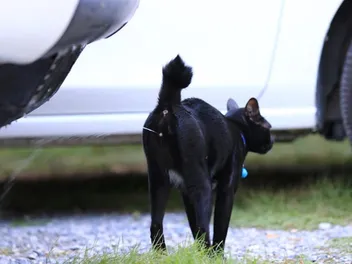
Male cat behavior differs significantly between neutered and unneutered males. Neutered males tend to stay closer to home. While a small percentage will spray and mark their territory, the behavior is much less common in neutered males. Most will stop the behavior once testosterone is removed from their system, if they develop the behavior at all.

Neutered male cats aren’t as aggressive toward other male cats, but fights can still happen, particularly if you have a male neutered in adulthood. As they spend less time fighting, they are less prone to injuries and infectious diseases.

Neutered males have no sexual interest in females and might get along with other cats better. Neutered males might also groom more frequently and keep their coats clean. Since their urine odor is less strong,  they are more pleasant to share a home with.

Male marble cat lying in cat bed
Image Credit: Iva Vagnerova, Shutterstock

The Physical Appearance of Neutered Males:

  • Smaller heads
  • Less likely to have fight marks
  • Testicles are absent

Behavioral Characteristics of Neutered Males:

  • Less likely to spray urine
  • Roam shorter distances
  • Spends more time grooming
  • Less territorial or competitive toward other males

divider cat faces 2 oct 2024

Overview of Unneutered Male Cats

Physical Differences

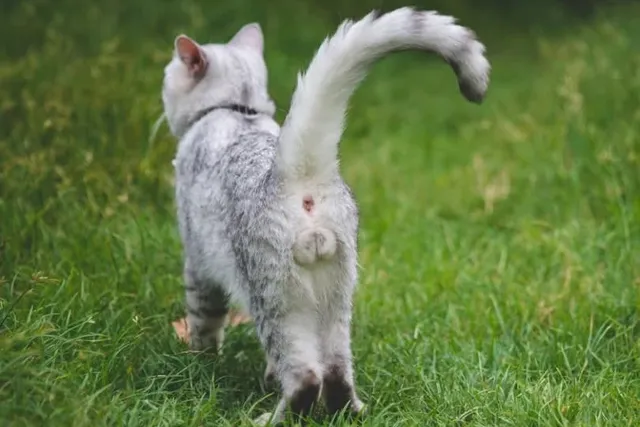
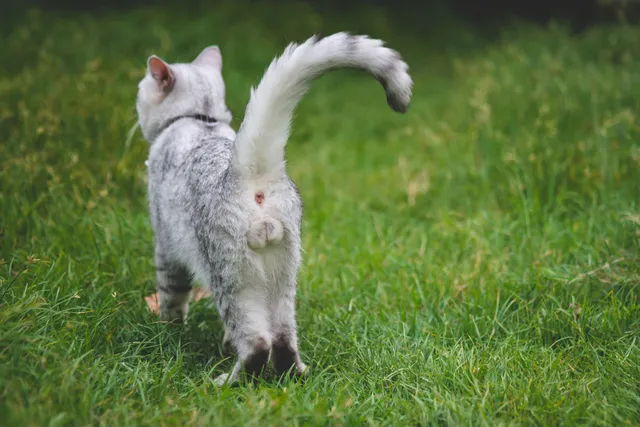
The most obvious physical sign that a male cat is unneutered is the appearance of testicles. These are located under the tail. In some cases, the testicles might not be present when male cats are cryptorchid, meaning their testicles have not descended fully and are not visible from the outside. This is rare, but it does not impact the cat’s behavior. Cryptorchid cats should still be neutered to avoid the higher risk of testicular tumors.

Whether a tomcat’s testicles are out or in, they produce testosterone. The presence of this hormone dictates the physical differences between neutered and unneutered cats. Tomcats are generally larger and more muscular, with broader heads and necks. They also produce a distinctive smell from the large glands near their tail.

These scent glands give tomcat urine a strong, unpleasant odor. Since unneutered cats mark their territory frequently, you will become familiar with the smell if you own an unneutered male.

Mekong Bobtail Male Cat
Image Credit: Seregraff, Shutterstock

Behavioral Differences

Tomcats are incredibly territorial and mark their territory constantly. Unfortunately, they do this through urine spraying. In addition to territorial behavior, tomcats have strong urges to roam in search of a mate. The “home range” of an outdoor tomcat is enormous, and they sometimes wander for miles in search of a female.

If they can’t wander because they’re kept indoors, they can become vocal and restless. Tomcats display extreme aggression toward each other. If you’ve never experienced a catfight, it’s essential to know that they are vicious, and injuries are common.

Since their primary goal is to find a female, tomcats are more unkempt than other cats. They pay less attention to grooming and are dirtier than their neutered counterparts.

The Physical Appearance of Unneutered Males

  • Muscular
  • Broader neck and head
  • Testicles present
  • Urine has a strong odor

Behavioral Characteristics of Unneutered Males

  • Frequent urine spraying
  • Strong instinct to wander
  • Aggressive toward other males
  • Less careful grooming

divider cat faces 2 oct 2024

Should Male Cats Be Neutered?

Let’s go over the pros and cons of having the procedure done.

When Not to Neuter Your Male Cat

The biggest reason not to neuter your cat is that you plan to breed him. If you plan to do so, it’s essential to breed responsibly so you don’t contribute to the already high population levels of homeless cats. You must keep your tomcat confined and prevent him from roaming when you don’t intend to breed.

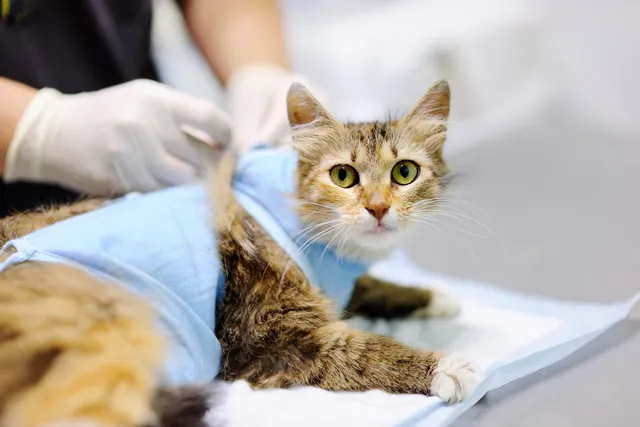
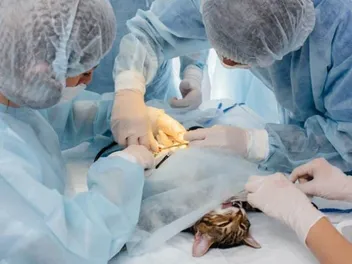
Some people have concerns about neuter surgery and choose not to have it done. However, the surgery is considered a safe, routine procedure. It’s important to discuss your concerns with your veterinarian and get answers to any questions you may have.

If you need to speak with a vet but can't get to one, head over to PangoVet. It's an online service where you can talk to a vet online and get the advice you need for your pet — all at an affordable price!

PangoVet_Mention-in-Content for PangoVet2 save money

Medical Reasons to Neuter Your Cat

Having your cat neutered reduces their risk of developing prostate and testicular cancer. He will also be at less risk of getting injured and contracting an infectious disease because he’s less likely to roam or get into fights.

Generally, male cats left unaltered are more likely to be hit by a car, attacked by a predator, or exposed to dangerous viruses like feline leukemia virus (FeLV) or feline immunodeficiency virus (FIV). Neutered male cats generally live 5 years longer than unneutered males.

Practical Reasons to Neuter Your Cat

Unneutered males tend to be more challenging to have around than neutered ones. They are less predictable, their urine smells stronger, they are likely to spray, and they will try to roam and have outdoor access constantly. Neutered males are more likely to get along with other cats, whereas intact males either fight with other males or stalk females to breed.

If a neutered male cat gets outside by accident, he usually stays close to home. If he wanders a bit, he will come back sooner, and he won’t create unwanted litters of kittens around the neighborhood. For the purposes of keeping a pet cat, a neutered male makes a better companion.

Debunking Myths About Neutered Male Cats

A common myth surrounding neutered male cats is that they become fat and lazy. This is not true. While they may be lazier than unneutered males because they aren’t roaming the countryside in search of a mate, they are just as active as any other cat.

As long as you feed your neutered cat appropriately and give him an adequate amount of exercise and mental stimulation, he will not be fat and lazy. As an owner, it is your job to ensure that your pet’s needs are met. Weight is a product of calorie intake and energy output. If these factors are balanced appropriately, you shouldn’t be concerned about your cat becoming overweight.

divider cat faces 2 oct 2024

Quick Comparison of Neutered vs. Unneutered Male Cats

Neutered Males Unneutered Males
Testicles are absent Testicles are present
Small head and neck Larger, broader head and neck
Urine is less smelly Urine is smelly
Urine spraying is less common Frequent urine spraying
Less aggressive or competitive toward other males More aggressive or competitive toward other males
Less likely to engage in fights More likely to engage in fights
More frequent and careful grooming Less frequent or less careful grooming
Less likely to roam More likely to roam

divider cat faces 2 oct 2024

Conclusion

Your cat’s individual personality may not change as a result of being neutered, but his future behavior and overall enjoyment as a pet definitely will be. Now that you are clear on the physical and behavioral differences between neutered and unneutered cats, you should be able to make a well-informed decision about having the procedure done.

As always, talk over any concerns that you have with a veterinarian. They can provide you with all the information that you need to know about neutering as it applies to your pet’s specific situation.


Featured Image Credit: Nataliya Kuznetsova, Shutterstock

Want content like this delivered to you?

Sign Up For Our Newsletter

News, insights, expert advice, and everything cat

* By submitting, you agree to our Terms & Conditions and Privacy & Cookies Policy.


How useful was this post?

Click on a star to rate (you can leave written feedback after clicking submit)

Help us improve Catster for pet parents!

Your feedback really matters.

What did you like about this post? Also how can we improve it?

Join the conversation

4 Responses

  1. I think you have missed, actually all negative side effects of neutering. Besides the fact that you shouldn't let your cat roam outside to prevent endangered birds to be hunted and killed. If you don't let your cat roam outside most of those issues are basically issues for the human comfort. Which is at least questionable from an ethical point of view. It's as unetical as declawing your cat so it can't scratch you.
    For cancer, castration can raise the risk of several kinds of cancer not just lower it. Symptoms like the raise in cuddly behavior or seeking closeness have been linked in a study (not related to castration but cat behavior in general) to be a sign of fear and helplessness. Many behaviorial changes are documented as depressive-like. The next thing is that cats rarely show signs of pain unless they are very severe. This also goes for psychological and emotional pain.
    Not to forget the higher risks for diabetes, osteoporosis and other orthopedic problems.

    If you need to prevent accidental offspring you can sterilize your cat with a vasectomy.

    I'm not 100% against castration but I think we choose too easily to castrate our pets even if there are alternatives. And no I don't see chemical castration as an alternative.

    If you want your cat going outside, buy a leash or cat-safely fence your balcony or garden.

    If wanted I can link the studies that prove my points.

    I think such articles and vets should be more neutral and also name all possible negative effects of castration (spay neuter syndrome). I had contact with owners that had cats who had severe negative effects from castration.

    What I want to give on the way:
    – Ask for hormone-sparing-neutering/spaying methods
    – If the vet says no ask for a test run with chemical castration and check for minimal signs of smyptoms like lethargy, bigger/less appetite and more. As I said, cats tend to hide their pain. If he (or she) shows those symptoms, I would sugest not to
    – Be always sceptical if something sound too good like castration as a perfect solution. It's not perfect.

    I hope this comment won't be deleted just because I share an opinion that isn't mainstream.

    1. Thank you for your comment, Kevin; your perspective highlights the crucial distinction between preventing reproduction (sterilization) and removing the entire hormonal system (castration). While traditional veterinary recommendations focus on preventing overpopulation and reducing risks for testicular cancer or territorial aggression, you are correct that removing sex hormones correlates with metabolic changes like obesity and diabetes, as well as potential orthopedic concerns due to delayed growth plate closure. In recent years, these "hormone-sparing" alternatives, such as vasectomies for males or hysterectomies for females, have gained significant traction in the veterinary community as more pet parents seek to maintain their cat's endocrine health while preventing accidental litters. Ultimately, choosing between traditional neutering and these emerging methods involves weighing individual health risks against behavioral expectations and the specific surgical training available in their area.

  2. I have a beautiful male neutered cat, about 3yrs.old, came from a shelter, but was previously in 3 other homes-he’s had several accidents peeing on furniture and he refuses to poop in the litter boxes-I’ve switched the litter a few times but that hasn’t worked-I don’t know what else to do. The Vet has him on Prozac already and urinary tract food. Any ideas?

    1. Thank you for reading us Sandra. Sounds like you need to speak with one of our experts who can help with some ideas. We provide two excellent ways to connect with our veterinarians:
      Private 1:1 Call: Schedule a personalized consultation with one of our vets at www.pangovet.com.
      Ask Dr. Paola: Submit your query to our weekly Q&A section via this link: https://www.catster.com/ask-dr-paola/

Leave a Reply

You’re very welcome to leave a comment or question. Please know that all comments must meet our community guidelines, and your email address will NOT be published. Let’s have a positive and constructive conversation.


Talk With A Vet Online

Peace of mind,
anywhere, anytime

Affordable vet advice

Welcome to Coastal Cats & Critters

As much as we all love cats, we also know that in many parts of the country (and the world), the problem of...

Ask Dr. Paola – Help! My Cat Suddenly Has Dandruff! (March 30, 2026)

Welcome to our “Ask Dr. Paola” series, where every Monday we bring expert advice straight from Dr. Paola Cuevas (MVZ) to help our...

Your Cat Keeps Vomiting After Eating: Here’s What’s Going On

Cats vomit. It’s one of the less glamorous facts of life with a feline, and most cat owners have cleaned up more than...

Ask Dr. Paola – Help! My Cat Gets Diarrhea from Wet Food! (March 23, 2026)

Welcome to our “Ask Dr. Paola” series, where every Monday we bring expert advice straight from Dr. Paola Cuevas (MVZ) to help our...

More related

Why Do Cats Have Tails? Vet-Reviewed Science & Facts

Cats move their tails in different positions when showing affection or communicating with humans or other cats. As a cat parent, you may...

Are Himalayan Salt Lamps Safe for Cats? Vet Reviewed Facts

Himalayan salt lamps have become increasingly popular over the last few years. Their pink light creates a serene atmosphere and is excellent for...

Are Fiddle-Leaf Figs Toxic to Cats? Vet-Reviewed Houseplants Examined

With over 400,000 different land plant species on our beautiful green planet, indoor plants have become extremely popular. 1 Plants clean the air...

Seychellois Cat: Breed Info, Pictures, Temperament & Traits

The Seychellois cat breed is a rare breed in the Oriental group of cats. They are also quite remarkable, affectionate, intelligent, and just...

Keep reading

Why Does My Cat Stare at Me While I Sleep? 6 Vet-Reviewed Reasons

Most cat owners can recount waking up on at least one occasion with their cat staring straight at them. It can be uncomfortable, especially if you wake up to direct eye contact. But what is your cat trying to say?...

Adorable furry cat of seal lynx point color with blue eyes

How Long Does a Cat Hold a Grudge? Vet-Reviewed Information

Your cat doesn’t hate you. Thankfully, humans are the only species that write vengeful songs about our exes and actively harbor bitterness. Although cats don’t technically hold grudges, that argument might be a tough one to prove at times when...

owner petting a hissing angry tabby cat

Cat Pedicures: What’s Involved? Vet-Approved Facts & Explanation

Our kitties might need a little extra love in the nail department. These lethal murder mittens can do quite a lot of damage. If you’ve shared your home with a feline, you know just how much it can impact your...

Cat in a veterinary clinic hairdresser cutting nails

Can Cats Eat Soup? Vet-Reviewed Facts & FAQ

Soup is a great meal to have for lunch or dinner. It is filling and comforting to eat on chilly days, and there are so many ways to prepare it. It really can be the perfect meal. However, you may...

Can Cats Eat soup

8 Best Supplements for Cats With Kidney Disease in 2026 – Reviews & Top Picks

Your cat was just diagnosed with kidney disease, and you want to do everything you can to help support their kidney function. Your veterinarian suggests a diet designed to support the kidneys, but are there any supplements you can give...

Gray - blue maine coon reaching for a treat outdoors

Should You Walk Your Cat? Vet-Reviewed Pros, Cons & FAQ

Can you remember the last time you saw a cat on a harness going for a walk with their owner? We’re willing to bet you’ve likely only seen it a handful of times. Cats don’t need walks in the same...

A-woman-with-a-cat-on-a-leash-walking-along-a-path-in-the-park

How To Tell Which Cat is Dominant? 5 Vet Approved Signs To Look For

Contrary to the aloof and standoffish stereotype that’s been given to cats, cats have a wide range of personalities and temperaments. Some may have the independent personality that they’re known for, but many domesticated cats are very social and love...

two cats playing on a hammock at home

Addiction Cat Food Review of 2026: Recalls, Pros & Cons

Review Summary Addiction Cat Food was founded in 2002 by a professional nutritionist to make foods using novel proteins from sources like kangaroo, brushtail, and wild game. Although the modern range of Addiction Cat Food has expanded to include more...

Addiction Cat Food Review

Love Cats? So Do We! Join the Catster Community

Stay informed with expert pet care insights delivered straight to your inbox! Discover professional guidance on animal behavior, feeding tips, trusted product picks, and much more.


Sign up for the Catster Email Newsletter

Stay informed with expert pet care insights delivered straight to your inbox! Discover professional guidance on animal behavior, feeding tips, trusted product picks, and much more.