5 Reasons Your Neutered Cat Humps & How to Stop It (Vet Answer)

In this article
Although intact cats humping is seen as something normal, in neutered cats, the behavior is not always typical and is not as common as in dogs. Humping behavior can be normal when it occurs immediately after the neutering procedure, as the cat still has testosterone in their body.
In this article, you will learn why neutered cats may still hump and how to stop this behavior.

The 5 Reasons That Your Neutered Cat Humps
1. It May Be Normal for Some Cats
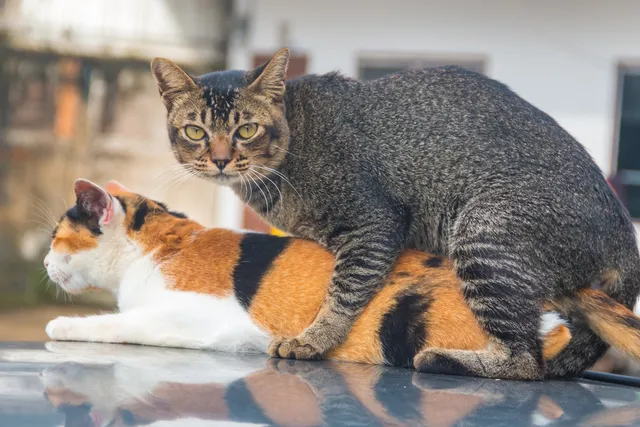
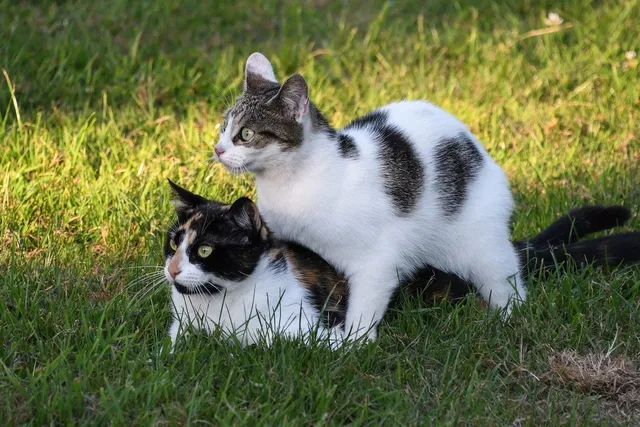
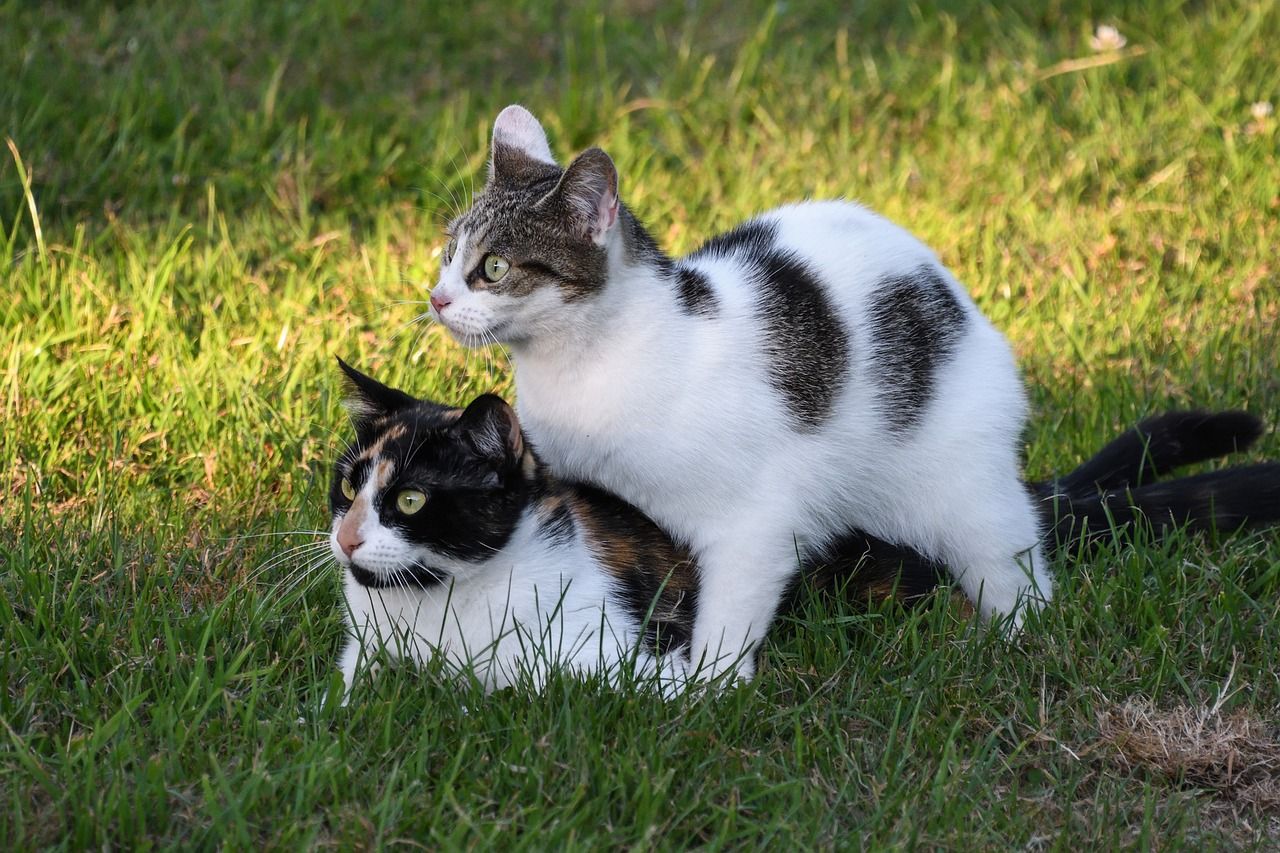
Some neutered male cats may indulge in humping or masturbation occasionally, mostly by humping toys or blankets, but sometimes they might even other pets or people’s legs. This may be “normal” or usual behavior for them, not indicating any underlying health issues. They may be doing it for fun, as a game, due to boredom, or to seek attention. If there is a female cat in the household, particularly one that has not yet been spayed, you may notice your neutered cat still trying to mate with them.
If your cat has suddenly started exhibiting humping behavior, it’s important to speak to your veterinarian to make sure there are no other reasons for this behavior. If your vet has given your cat an all clear or if they have been doing this since a young age, focus on increasing their mental stimulation, physical exercise, and environmental enrichment by providing plenty of toys, perches, puzzles, and activities.
2. Stress, Frustration, and Anxiety
Stress and anxiety usually occur when there are (major) changes in your cat's life. Moving to a new house, bringing in a new family member or a pet, a family member leaving, etc., are all events that can stress a cat. Boredom can be another cause.
However, cats may also use this behavior as a way to ensure the social hierarchy. If your cat is chasing other pets away from important resources, is spraying urine, or easily getting into fights, it may indicate territorial issues.
To remedy this behavior, it is necessary to ask for the advice of the veterinarian. They can exclude possible health problems. Only after the vet declares your cat healthy can you discuss behavioral problems. Environmental enrichment with mental and physical stimulation is crucial in managing frustration and anxiety. Ensuring each cat has their own resources and that there is no need for competition, alongside using pheromone diffusers, may help in managing relationships in a multi-cat household.
3. Too Soon After Neutering Procedure
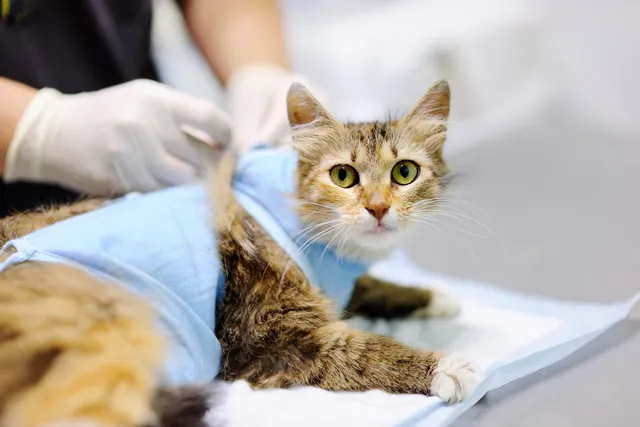
Humping behavior is perfectly normal for intact males. After the neutering procedure, it takes time for the hormone levels to reduce in the body, and it is quite normal for this behavior to continue for at least a few weeks to a few months. If this is not the case with your cat, a consultation with the veterinarian is recommended.
4. Neutering at an Older Age
If you have neutered your cat at an older age (over 1 year old), the humping behavior can be learned and may have become a habit. This means even if you have taken your cat to the vet for the neutering procedure, they can still exhibit this behavior afterward, although it should be reduced. Speak to your vet if your cat is neutered and is still continuing the humping behavior.

5. Urinary Tract Disorders
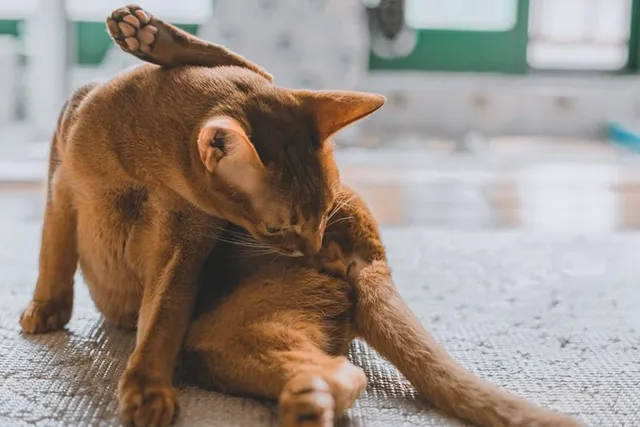
Urinary tract disorders cause a variety of signs in cats, but humping is generally not one of them. However, if your cat is trying to pee but unsuccessfully, posturing, straining, licking their genital area frequently, or sometimes making their penis visible, some people may mistake one of these behaviors for humping. This is why we felt it was important to discuss this potentially life-threatening health condition.
If your male cat has a urinary tract disorder, they can show the following clinical signs:
- Vocalizing when urinating
- Straining to urinate
- Urinating small amounts or passing no urine at all (life-threatening emergency!)
- Frequently urinating
- Excessively grooming the genital area
- Having bloody urine
- Urinating in inappropriate places
- Lethargy
- Vomiting
- Reduced appetite
If your cat shows any of these signs, they need to see a veterinarian immediately. Left untreated, urinary tract disorders can lead to serious complications, such as urinary blockage, which can be fatal, leading to a rupture of the bladder, electrolyte disbalance, kidney failure, and sepsis.
How to Stop Your Cat From Humping
It’s important to first consult with your vet, particularly if your cat is neutered, if they have never exhibited this behavior before, or if they are showing any signs of a urinary tract disorder. Only after underlying health issues have been ruled out can you proceed to the next step. It’s also a good idea to consider seeking help from a feline behaviorist, who can shed some light on why your cat may be humping.
After a vet has given your cat a clear bill of health, to reduce this behavior and help your cat feel more comfortable, here is what you can do:
- Reduce their anxiety, stress, and boredom. Make sure your cat is getting the attention and exercise that they need. A cat that exhibits this behavior may be bored, anxious, or stressed. Therefore, spend time with your cat, and play with them several times a day (around 15 minutes per playing session). Provide them with a scratching post, a perch, an enriched environment, a secure outdoor catio (if possible), and plenty of interactive toys and puzzle feeders. Consider training them to go for walks on a harness and a lead, and if you can identify the source of their stress, do everything you can to remove it.
- Discourage this behavior. If your cat exhibits this unwanted behavior, do not give them attention, as they may associate the two in a positive way. If they are trying to do it using one of your legs, stop them and attempt to walk away if possible, but don’t turn it into a game of chase.
- Reward good behavior. Positive reinforcement is the best method for training animals. They don't understand when we become frustrated or angry with them, so reward your pet's good behavior. For example, try toys, treats, or extra attention when your cat is calm and interacts well with others.
- Give them more space. This can help your cat relieve stress or have a place to hide or relax in peace (if you have several cats). Since cats love to be in high places, you can mount steps and perches on the walls for your pet to climb.
- Add more litter boxes. If you have more than one cat, adding more litter boxes can help reduce stress and anxiety. It is recommended to have the same number of litter boxes as cats you have, plus one more. In this way, you will help reduce the competition.
- Speak to a feline behaviorist. They will be able to observe your cat’s behavior and, based on their age, health and lifestyle, will provide possible explanations for it and ways to manage the issue.
Conclusion
So, why is your neutered cat still trying to mate? Humping behavior can be normal for some neutered cats, or it can be a sign of an underlying behavioral issue, boredom, stress, anxiety, frustration, or attention-seeking behavior, sometimes becoming a habit. Very rarely, it may be mistaken for signs of a urinary tract disorder, which needs urgent veterinary attention. After the neutering procedure, it takes a while (weeks to months) for the reproductive hormones to leave your cat’s body.
What you can do to help your cat is to get them checked out by a vet first and consider seeking behaviorist help if the issue is not medical. Offer them space, play with them, reinforce positive behavior, reduce stress and anxiety, enrich their environment, ensure adequate mental and physical stimulation, and discourage this behavior as best as possible. Never punish your cat, as they won’t respond well to it, and it will cause them more stress while negatively affecting your bond and their trust.
See also:
Featured Image Credit: christels. Pixabay
Expert cat care, straight to your inbox
News, insights, and useful advice, delivered to you.

No spam — unsubscribe anytime.
By signing up, you agree to our Terms & Conditions and Privacy & Cookies Policy.
How useful was this post?
Click a star to rate. You can leave written feedback afterwards. (We read all feedback.)
Dr. Iulia Mihai, DVM MSc (Veterinarian)
Dr. Mihai is a vet with over 13 years of experience in laboratory, pet pathology, and cancer. She studied at the University of Agronomical Sciences and Veterinary Medicine of Bucharest, Romania (EAEVE member), where she worked in the laboratory of the faculty clinic after graduation. She has a master’s degree in equine and pet pathology and studied epithelial cancer for her Ph.D. Iulia has a passion for internal medicine and parasitology and started volunteering at the faculty’s clinic in her third year of college. She has worked in a couple of veterinary clinics over the years as an internal medicine specialist. She enjoys writing and teaching people about cat disease prevention, nutrition, behavior, and treatment.