Get

In Your Inbox

Catster is reader-supported. When you buy via links on our site, we may earn an affiliate commission at no cost to you. Learn more.

Cat Blood Test Results Explained – What Should I Look For?

Share

cat blood sample

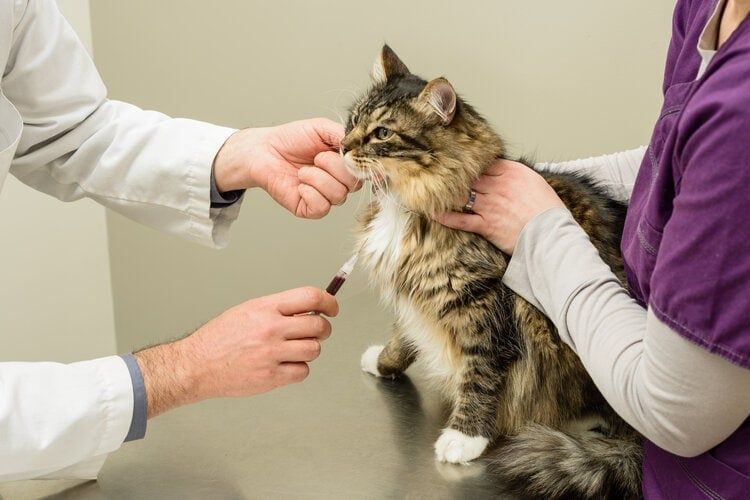
Sometimes, cats show signs of an illness or disease, but a confirmed diagnosis isn’t possible without blood tests. Blood tests have a wide range of uses in veterinary medicine. They can help verify the good health or illness of a cat, infectious diseases, and even genetic disorders. Whatever the reason for their use, blood tests are a staple in veterinary medicine. As a cat owner, you should understand how blood tests may play a role in your cat’s health care as time goes on. It can be helpful to be prepared for when and why tests are recommended and what the vets are looking for in the results.

divider 3 paws

When a Blood Test Might Be Ordered

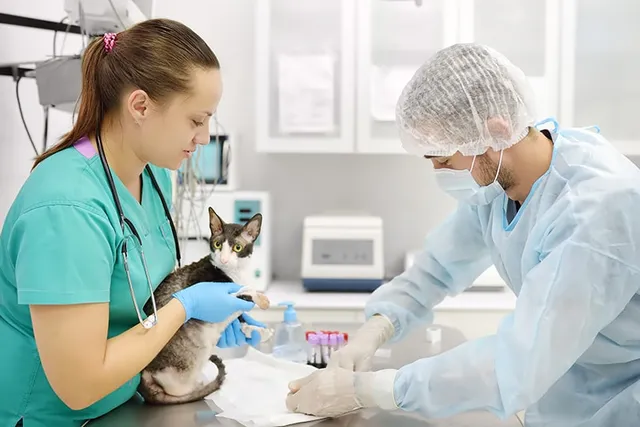
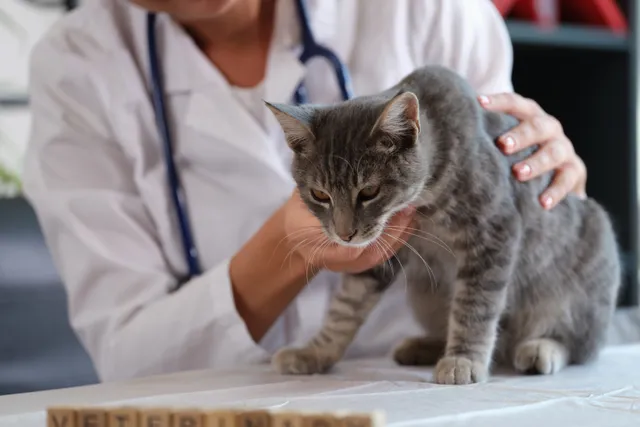
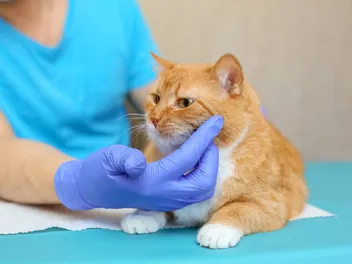
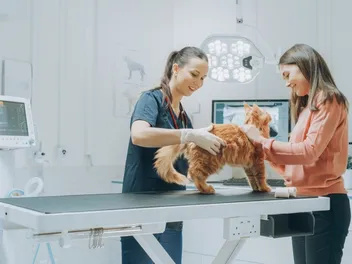
Blood tests are not necessary every time a cat gets ill, is injured, or is overdue for a checkup. However, your veterinarian may recommend them in many situations as they provide a lot of useful information in determining health and illness. Common times that your veterinarian might order a blood test for your kitty include:

  • The Initial Vet Visit: If you are visiting a veterinarian for the first time and don’t have medical records for your cat, the vet may want to order a blood test to gain a clear understanding of your kitty’s health and ensure that no abnormalities are present.
  • Upon New Life Stages or Wellness exam: Your veterinarian might want to check your cat’s bloodwork when they reach a new life stage. This is especially true when a cat reaches the geriatric stage of its life when problems like kidney disease are more likely to start developing. Regular blood tests can help to pick up a reduction in organ function earlier on.
  • What Examination of Patient History Indicates: If, after examination and listening to your concerns, it becomes apparent a blood test is necessary to look into the problem in more detail, your vet will discuss what tests are suggested.
  • Before Surgery: Most veterinarians recommend blood tests for their patients before surgery takes place, even if the surgery is minor. This helps them determine whether any underlying conditions could affect the outcome of surgery or put the cat in harm’s way while the surgery takes place.
  • Travel: If you are traveling or emigrating with your pet the country you are visiting may have a legal requirement for certain blood samples to be taken.
  • Genetics: Some illnesses are inherited and the genes can be looked for in a blood sample at special laboratories.

There may be other reasons that a veterinarian would want to order a blood test for your cat. So, don’t be surprised if a blood test is recommended when you take your kitty in for a checkup. It does not always mean that there is something wrong with your cat; it could just mean that a few things need to be examined and verified. Your veterinarian will explain the exact reason for the blood test before any blood is drawn.

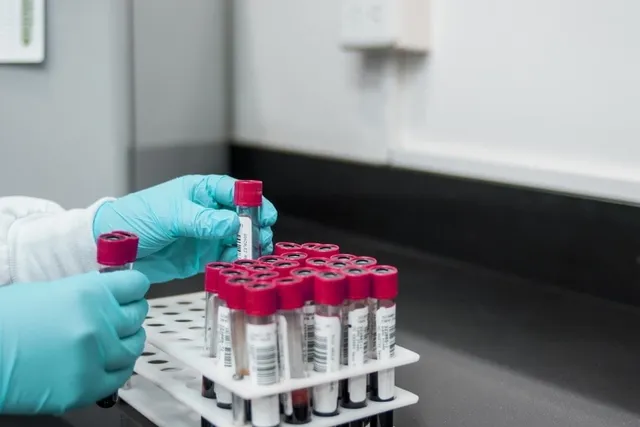
blood samplles in test tubes
Image by: fernandozhiminaicela, Pixabay

Types of Blood Tests That May Be Ordered

There are a few different types of blood tests that your veterinarian might recommend for your cat at one time or another. Each blood test is designed to uncover something specific that can help tell your vet about the health of your cat.

Here are the most common types of blood tests that you should be aware of:
  • A Complete Blood Count: This blood test helps a vet analyze the white and red blood cells, such as the number and type present. This can give information on the immune system, infections, inflammation, hemoglobin levels, anemia, hydration status, and blood clotting ability.
  • Feline Leukemia and Immunodeficiency Virus: This type of test is usually recommended for cats with unknown backgrounds (like those adopted from shelters) and those who spend most of their time outside, fight, or are unvaccinated or not fixed. This test detects both feline leukemia and feline immunodeficiency virus, infectious diseases that could lead to serious illness and even death.
  • Hormone Testing: This is a blood test that helps veterinarians detect, for example, thyroid problems. An overactive thyroid gland is a common condition in older cats.
  • Blood Serum Chemistry: This is a group of blood tests that helps measure electrolytes, proteins, and enzyme levels and enables the veterinarian to analyze organ function. This is a set of tests that can be tailored to requirements but is often run as a panel of the most commonly requested markers. They can give a vet many details about the overall health of a cat. Older cats who display signs of illness or disease and take chronic medications are the most likely candidates for this type of testing. But any age of cat may need a chemistry profile running from time to time.

You can expect your veterinarian to tell you exactly what type of blood test they are ordering and what they expect to learn from it. Not all illnesses will show up on blood tests initially, and sometimes they need to be repeated.

divider 1 paws

Common Test Names to Familiarize Yourself With

Many different things are measured when a blood test is conducted, so it is important to understand what some of these markers are and what they might mean. Your veterinarian can explain whether any markers are elevated or decreased and help you understand what information this gives about your cat’s health.

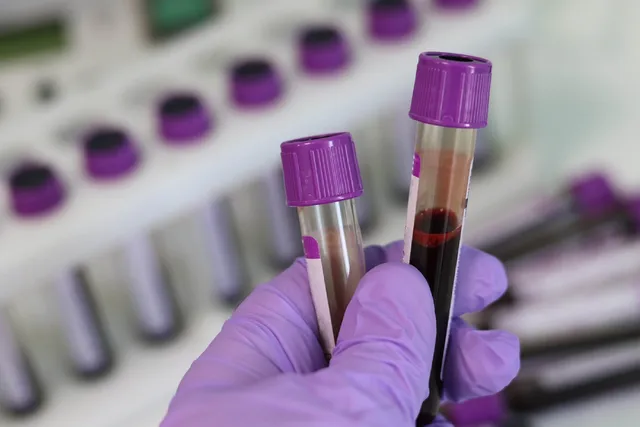
Hand holding blood samples in test tubes
Image by: Belova59, Pixabay
Here are some names you may hear mentioned:
  • Albumin: A protein that is made in the liver and may increase dehydration and decrease diseases of the liver, kidney, and some blood loss problems.
  • Creatinine: Produced by muscle metabolism it helps to evaluate kidney function. It can also be affected by a recent meal and muscle mass.
  • Alkaline Phosphatase-ALKP: In cats, this is primarily used to detect liver and biliary problems. Increases can also be seen in hyperthyroidism, with epilepsy medications, and in young animals due to rapid bone growth.
  • Gamma Glutamyl Transferase-GGT: A more sensitive indicator of liver and biliary tract disease than ALP in cats (except in fatty liver disease). It is useful to determine reduced bile flow-cholestasis.
  • Alanine Aminotransferase-ALT: Can help detect liver injury, muscle disease, and some bleeding disorders and may be increased in hyperthyroidism.
  • Globulin: These are proteins that are made primarily in the liver but also by the lymphoid system. Elevated levels can indicate inflammation, certain infectious diseases, liver problems, and sometimes tumors.
  • Blood Urea Nitrogen: Urea is made by the liver after the digestion of proteins in the intestines and then excreted from the body via the kidneys. It is used primarily to help look at kidney functionality along with creatinine.
  • Glucose: Measures blood glucose levels, which can help a vet determine whether a cat has diabetes or low blood sugar levels.
  • Calcium: Changes in calcium levels can help a veterinarian detect serious problems.
  • Total Bilirubin: Can help diagnose liver and biliary problems and hemolytic anemia.

The results of your cat’s blood test may include any of these markers and even others that are not listed here. The test should indicate the normal levels for each of the markers and the levels detected in your cat. If levels are lower or higher than normal, there could be a problem for you and your veterinarian to address.

divider 2 cats

A Quick Recap

A blood test is an important tool that can help detect illnesses and diseases that your cat is suffering from. They can also help your vet monitor illness and ensure that your cat is tolerating the medication well. Your veterinarian will always tell you what kind of blood test they want to run and why so you can prepare yourself before getting the results.  Blood results are complicated and need interpreting carefully, with the whole picture of your cat and presentation taken into mind. Veterinary medicine can be both an art and a science in this respect. As such, it is not likely that a veterinarian will just send you a copy of the results.  They will want to discuss them with you.

Related Reads: 


Featured Image Credit: SingingMedia, Shutterstock

Want content like this delivered to you?

Sign Up For Our Newsletter

News, insights, expert advice, and everything cat

* By submitting, you agree to our Terms & Conditions and Privacy & Cookies Policy.


How useful was this post?

Click on a star to rate (you can leave written feedback after clicking submit)

Help us improve Catster for pet parents!

Your feedback really matters.

What did you like about this post? Also how can we improve it?

Join the conversation

Leave a Reply

You’re very welcome to leave a comment or question. Please know that all comments must meet our community guidelines, and your email address will NOT be published. Let’s have a positive and constructive conversation.


Catster's Digital Magazine is Back!

Vet-approved health & behavior advice

Real cat stories & community features

Weird Cat Behaviors That Actually Make Perfect Sense

We have been sharing our lives with cats for thousands of years, yet we still find ourselves genuinely stumped by what they get...

The Dream of Talking to Cats Just Got Closer to Becoming a Reality

If you’ve ever wished your cat could simply tell you what they wanted, you’re not alone. From the meow that wakes you before...

Kizzy: The Feline Princess With a Purpose

We were first introduced to Miss Kizzy after she won a licky-treat challenge hosted by Professor Fluffovich, our resident feline research specialist. While...

Chatting With Sally About Mission Meow & Helping Cat Rescue Organizations Collaborate | Chatty Cattys, Episode 24

In this episode of Catster’s podcast, Chatty Cattys, Nicole and Dr. Karyn sit down with Sally Williams, the founder of Mission Meow, for...

More related

5 DIY Cat Pillow Plans You Can Make Today

While most cats are happy to nap just about anywhere in the home and often sleep in strange positions that don’t seem at...

Cat Shampoo Alternatives That Are Already in Your House

If your cat has ever gotten into something disgusting and you’ve found yourself without cat shampoo, we’re here to help. Before you panic...

7 Best Modern Cat Litter Boxes That Look Great in Your Home in 2026 – Reviews & Top Picks

For many cat owners, balancing the needs of feline companions with the standards of style and functionality in the home can be challenging....

Mochi, From Cairo to Brussels, and the One-Person Rescue Team Who Saved Her

She stuck her paw out of the crate as if to say, “Let me out.” She didn’t know she was on her way...

Keep reading

How Long Can My Cat Stay in Their Crate? Vet Reviewed Safety Guide

Cat fanatics know too well that their beloved felines can become real monsters at night and wreak havoc in the house. This makes the idea of putting them in a crate quite tempting. However, you should be aware that keeping...

cat in cat carrier

Why Is My Cat Acting Weird? 5 Vet-Reviewed Reasons

Some cats display what many owners would consider odd or weird behavior regularly. Others settle into a routine and can be quite predictable. This predictability makes changes in behavior even more obvious. If your cat is showing sudden changes in...

a woman holding a cat on her lap

Can a Male and Female Cat Get Along? Vet-Reviewed Info

When it comes to cat compatibility, there are various factors at play, rather than just their gender. How well and whether two cats will get along, will mainly depend on the cat’s personality, early socialization, previous experiences with other cats,...

Can Male and Female Cats Get Along

Is Neosporin Safe for Cats? Vet-Reviewed Advice

Neosporin is one of the go-to medications in most of our medicine cabinets. For surface cuts and scratches, this triple-antibiotic ointment can work wonders to prevent infections and help them heal. It is also used as a treatment for certain...

Catster_Is Neosporin Safe for Cats

My Cat Lost a Claw – Do Cat Claws Shed? Vet-Reviewed Facts & Advice

If you’ve found bits of your cat’s claws around the house, the good news is that this is a normal and healthy part of owning a cat. As cat claws grow out from the blood supply (also known as the...

cat paws and sharps claws

Can a Blood Test Show Cancer in Cats? Vet-Reviewed Facts & FAQ

As with humans, cancer is a leading killer of cats. Though the disease can be difficult to detect in felines, researchers are now developing blood tests that could help veterinarians diagnose cancer in cats earlier and more accurately. The hope...

Hand holding blood work samples in test tubes

Zen Clipper Cat Nail Trimmer (2026 Review)

Review Summary Nail trimming is an essential part of cat ownership to keep your kitty’s nails in tip-top shape while also protecting your furniture and yourself from unnecessary scratches. But not all nail trimmers on the market are created equal....

Zen Clipper Cat Nail Trimmer

Fish Oil Benefits for Cats: Vet-Approved Tips & Health Effects

While shopping for cat food you may have noticed that many recipes include fish oil in their ingredient list, especially higher-quality recipes. You may have even seen some fish oil supplements on the shelves of your local pet store. Fish...

cat reaching out on fish oil capsules

Love Cats? So Do We! Join the Catster Community

Stay informed with expert pet care insights delivered straight to your inbox! Discover professional guidance on animal behavior, feeding tips, trusted product picks, and much more.


Sign up for the Catster Email Newsletter

Stay informed with expert pet care insights delivered straight to your inbox! Discover professional guidance on animal behavior, feeding tips, trusted product picks, and much more.