Can a Blood Test Show Cancer in Cats? Vet-Reviewed Facts & FAQ


As with humans, cancer is a leading killer of cats. Though the disease can be difficult to detect in felines, researchers are now developing blood tests that could help veterinarians diagnose cancer in cats earlier and more accurately. The hope is that these tests will lead to improved treatment outcomes for cats with cancer.
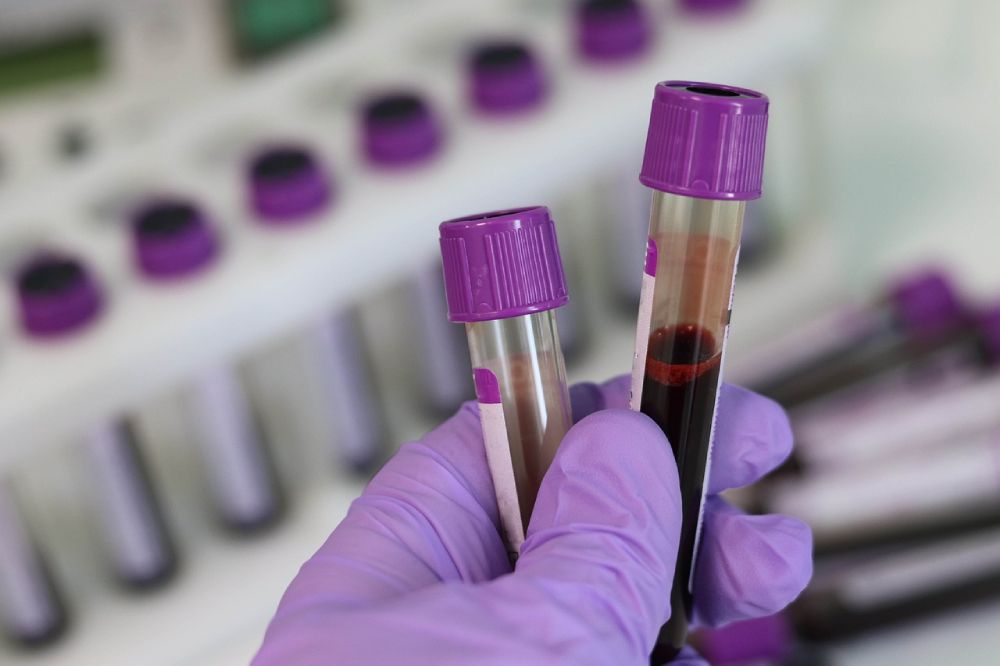
Today, blood tests can help identify some cancers in cats, especially cancers that affect the blood. The tests are called biochemistry profile and CBC, or complete blood cell count, and they check for a number of abnormalities, including some cancers. With only a few exceptions, blood work alone does not accurately show whether or not a cat has cancer. On the other hand, an abnormal white blood cell count might indicate leukemia or lymphoma, or a high level of calcium in the blood would suggest several other cancers.
That being said, a blood test is a great tool to help diagnose some cancers and, in addition, to monitor the response to the treatment and any potential side effects that could arise from medication. That being said, blood tests cannot, as yet, detect all cancers in cats.

How Good Are Blood Tests at Detecting Cancer in Cats?
It is possible for blood work to work as a red flag or to detect cancer in cats, as tumors can release chemicals into the bloodstream that can be detected by tests. However, not all types of cancers release detectable chemicals, so blood work may not always be able to identify cancer in cats. Additionally, many cancers are not detectable until they have reached an advanced stage, so blood work may not always be able to provide a timely diagnosis.
Although blood work can be used to detect different types of cancer in cats, it is not always accurate. When you consider the fact that there are many different types of cancer, and each one has its own unique set of signs, it’s easy to understand why blood work may be able to identify some cancers early on, but it is not always effective in preventing suffering and death.


How Do Vets Diagnose Cancer in Cats?
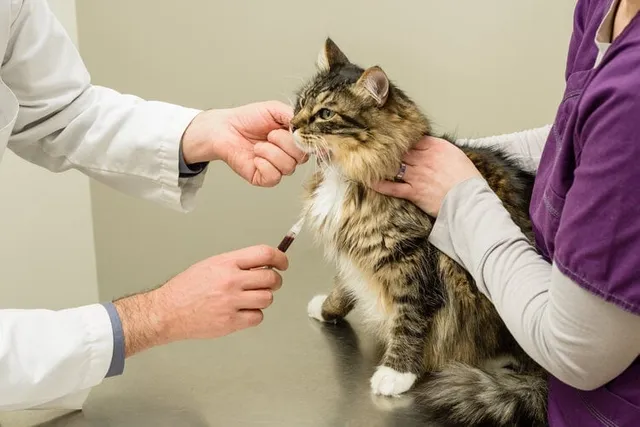
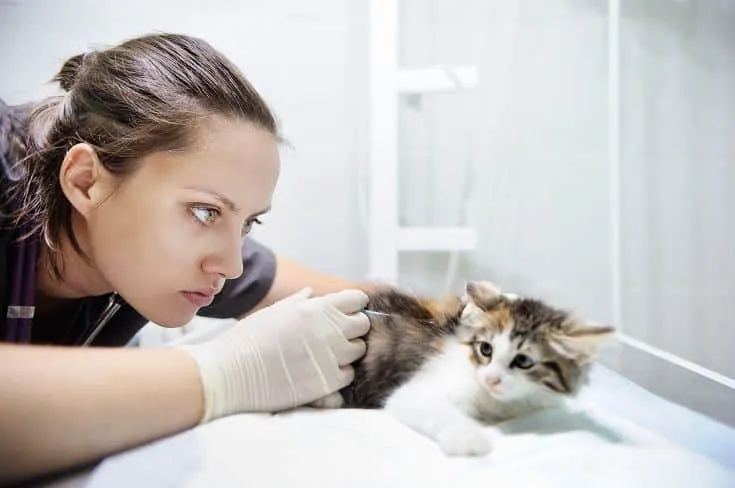
Generally speaking, a combination of different tests is used to diagnose cancer in cats. Your veterinarian will start by doing a physical examination on your cat, during which they will look for signs of the disease. If cancer is suspected, the veterinarian may order a blood test, which can help to identify cancers that affect the blood and to detect biochemical changes or organ damage caused by the tumors.
Urine tests (urinalysis) are also commonly requested. Veterinarians may also perform a biopsy, which is the removal of a small piece of tissue from the suspected tumor so that it can be examined under a microscope. If a biopsy of the tumor is performed, the specimen will be analyzed by a veterinary pathologist. The pathologist will look for the presence of cancer cells and determine the type of cancer.
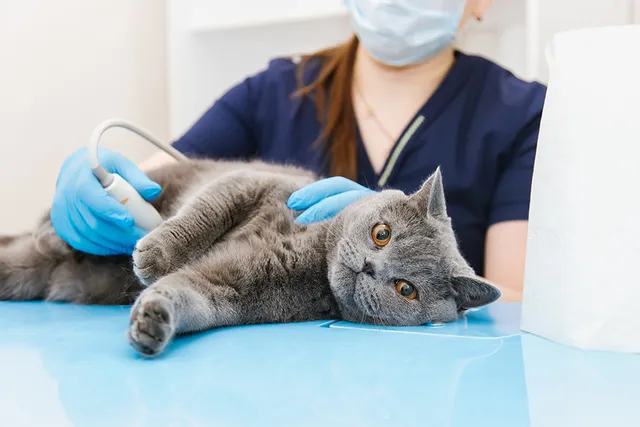
Different imaging techniques are also frequently used during cancer work up, such as x-rays, ultrasound scans, endoscopy, CT scans, or MRIs. If cancer is confirmed, the veterinarian will then recommend an appropriate treatment plan.

How Is Lymphoma Diagnosed in Cats?
Lymphoma is a cancer of the blood cells and is a type of cancer that affects the lymphocytes, which are a type of white blood cell. The diagnosis of lymphoma in cats is typically based on a combination of clinical signs, ultrasound findings, taking a biopsy of the tumor and examining it under a microscope, and determining a diagnosis through histologic examination of specimens.
Clinical signs of lymphoma may include enlargement of the lymph nodes, weight loss, poor appetite, and lethargy. Enlarged lymph nodes may be visible through ultrasound as focal masses within the body.
What Causes Intestinal Cancer in Cats?
Intestinal cancer in cats is most commonly caused by tumors that form in the cells of the intestine. These tumors can be benign (non-cancerous) or malignant (cancerous) and can affect any part of the intestine. The most common signs of intestinal cancer include vomiting, diarrhea, weight loss, and lack of appetite. Intestinal cancer is diagnosed through a combination of clinical signs, imaging tests, and biopsy results.
The cause of intestinal cancer in cats is unknown, but it is believed that genetics and environmental factors may play a role. The most common type of intestinal cancer in cats is lymphoma, which is a type of cancer that affects the lymph nodes. Other types of cancer that can affect the intestines include adenocarcinoma and mast cell tumor.

How Often Should My Cat Have a Blood Test?
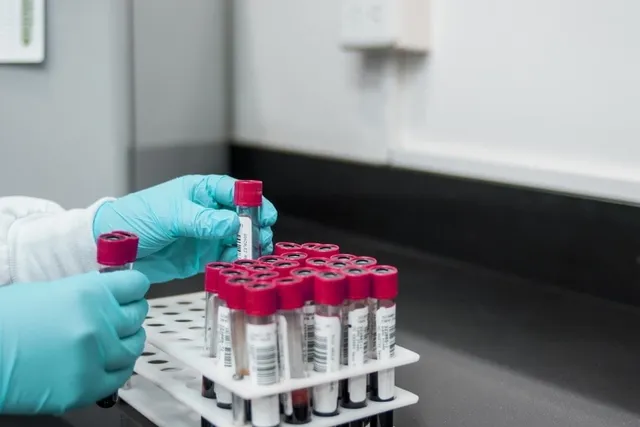
A blood test is a diagnostic procedure that involves extracting a small amount of blood from a cat for examination in a laboratory. The purpose of a blood test is to assess the health of the cat by identifying any abnormalities in the composition of their blood.
There is no definitive answer to this question because the frequency with which a cat should have a blood test depends on a variety of factors, including the age and health of the individual cat, what tests are being performed, how often the cat's health needs to be monitored, their individual medical history, and the results of previous blood tests. In general, though, it is recommended that cats have blood tests performed at least once a year.
How Long Does It Take to Get Cat Blood Test Results?
The length of time it takes to get cat blood test results depends on the type of test that is being requested. For example, a complete blood cell count (CBC) and basic biochemistry can usually be completed within a day or two, while tests to check hormone levels or infectious diseases may take several days.
Some veterinary clinics may offer rapid testing services that can provide results in minutes, which can be very helpful in some instances. In general, results are available as soon as they are completed, though some laboratories may take longer to report abnormal results.

How Much Does a Blood Test for a Cat Cost?
The cost of a blood test for a cat can vary depending on the type of test and the clinic or hospital performing the test, but typically, the cost ranges from $30 to $150. This is because the blood may be being screened for a variety of conditions, including feline leukemia (FeLV) and feline immunodeficiency virus (FIV). Some clinics may offer discounts if you have multiple pets that need to be tested. It is important to ask about pricing before you schedule the appointment so that you are not surprised by the final bill.
Should I Get Blood Work Done for My Cat?
There is no one-size-fits-all answer to this question, as the best course of action for a cat's health will vary depending on the individual animal's health history and current condition. However, in general, blood work can be a valuable tool for assessing a cat's overall health and detecting potential problems early. There are many reasons why a cat owner might choose to get blood work done for their pet. As well as helping to diagnose a variety of health problems in cats, it can also help veterinarians track the overall health of a cat over time.
There are many reasons why a cat owner might choose to get blood work done for their pet. As well as helping to diagnose a variety of health problems in cats, it can also help veterinarians track the overall health of a cat over time and any side effects from medication they might be taking.

How Much Does a Cat Biopsy Cost?
A cat biopsy may cost between $100 and $200; however you also need to consider anesthesia and surgery costs, depending on each case. The price may vary depending on the location, the type of biopsy, and the size of the animal. A biopsy is a diagnostic procedure that involves removing a small piece of tissue for examination under a microscope. This procedure can help identify the cause of a pet's illness. Oftentimes, an ultrasound is recommended prior to a biopsy to help identify the location of the lesion.
What Should I Do if My Cat Has Cancer?
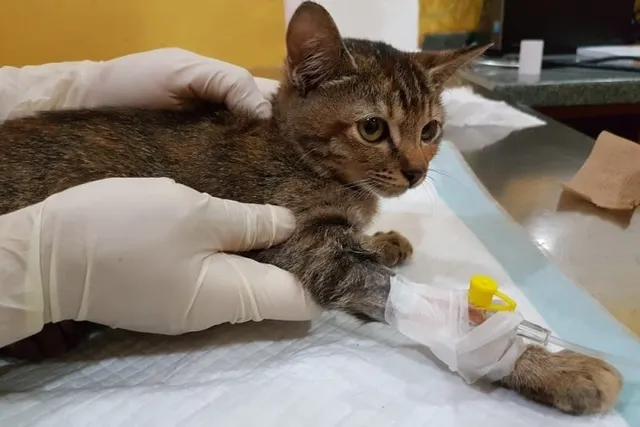
If your cat has been diagnosed with cancer, there are a number of things you can do to help them. First, talk to your veterinarian about the best treatment options for your cat. There are a variety of treatments available, including chemotherapy, radiation therapy, and surgery. Depending on the type and stage of cancer, your veterinarian may recommend one or more of these treatments.
How Long Can Cats Live With a Tumor?
There is no definitive answer to this question as it depends on a variety of factors, including the size and type of tumor, whether it is cancerous or benign, and the overall health and age of the cat. Tumors can cause a wide range of health problems in cats, from mild to life-threatening, and can significantly reduce their quality of life.
Cats can live with tumors for years, but it depends on many factors. If the tumor is cancerous, it will likely shorten the cat's lifespan, but if it is benign, it won’t cause as many problems.
How Much Does It Cost to Remove a Tumor From a Cat?
The cost of removing a tumor from a cat can vary depending on the size and location of the tumor, the specific surgical procedures required, as well as the veterinary clinic performing the surgery. Generally, the cost ranges from several hundred to over a thousand dollars. Benign tumors tend to be easier to be removed, while malignant tumors may require more extensive surgery.
How Can You Tell if Your Cat Is in Pain From Cancer?
There are a few ways to tell if your cat is in pain from cancer. One way is to look out for common changes in behavior. If your cat is normally active and starts to become more lethargic, this could be a sign that he or she is in pain. Another sign is if your cat is eating less than usual or not at all.
Changes in eating habits can be a sign that the cat is experiencing pain from cancer. If your cat is displaying any of these signs, it's essential to take them to the veterinarian for a check-up.
Conclusion
In conclusion, while not all cancers can be definitively diagnosed in cats through a blood test, there are certain signs that could indicate the presence of the disease. There are many promising developments in cancer research for cats, and it is likely that a more comprehensive blood test for cancer will be developed in the near future.
Until then, the best way to detect any cancer in cats is through regular physical exams, regular blood and urine tests, and imaging techniques. If you believe your cat may be suffering from cancer, it is important to take them to the veterinarian for a proper diagnosis.
Featured Image Credit: Belova59, Pixabay
Expert cat care, straight to your inbox
News, insights, and useful advice, delivered to you.

No spam — unsubscribe anytime.
By signing up, you agree to our Terms & Conditions and Privacy & Cookies Policy.
How useful was this post?
Click a star to rate. You can leave written feedback afterwards. (We read all feedback.)
Christian started writing for a local newspaper as a teenager, and he's been involved in the publishing industry for most of his adult life. Combining his love of writing with a passion for animals, he is currently the Director of Editorial at Pangolia and the Editor-in-Chief at Catster.
Christian lives in the Philippines with his wife, son, and four rescue cats: Trixie, Chloe, Sparky, and Chopper.