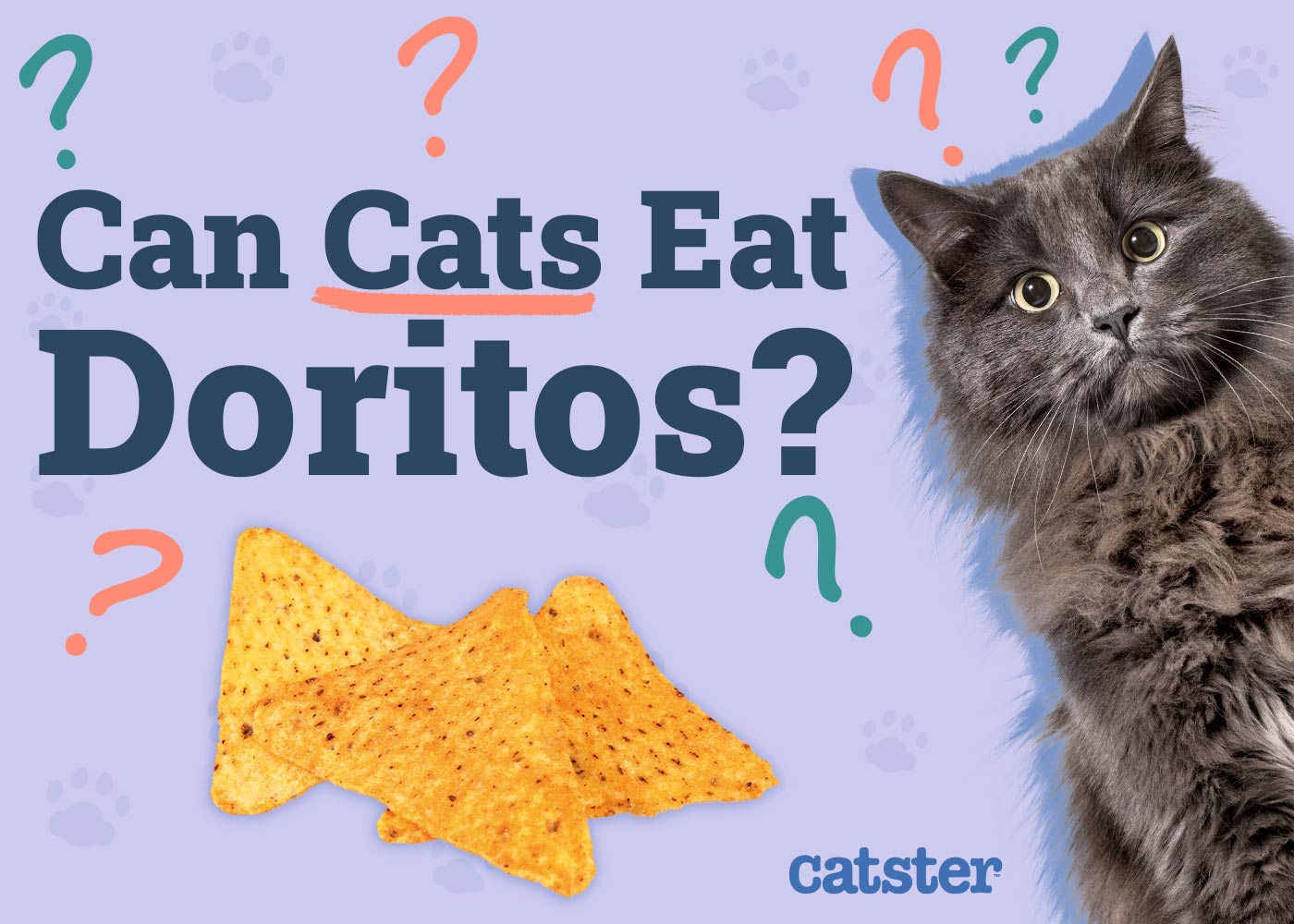
Can Cats Eat Doritos? Vet-Approved Facts & FAQ


Doritos are a well-loved chip, to the point that they have been turned into everything from taco shells to casseroles. If you’re a Doritos lover, then your cat is almost certain to come into contact with Doritos, or at least the seasoning from the chips, at some point in their life. Obviously, this leads to the question of whether Doritos are safe for your cat or not. If they are safe, do they have any nutritional value for your cat? As a general answer ... Doritos are "safe" but not recommended. Let’s talk about giving Doritos to cats.

Can Cats Eat Doritos?
Overall, Doritos are considered to be safe for cats but not recommended. Their size, texture, and potential for sharp edges can lead to the risk of choking and injuries in the mouth and throat. Although the risk of injury or choking is low, it is present. The risk does increase for cats that are small, like kittens, or cats that have difficulty chewing or swallowing food, like those that are missing teeth.
Most cats are unlikely to munch on whole Dorito chips, though. Generally, you’ll spot cats licking the chip or the inside of the bag to get to the seasoning. Make sure to keep chip bags out of reach of your cat, though, since cats can become stuck in them which is very stressful.
Are Doritos Healthy for Cats?
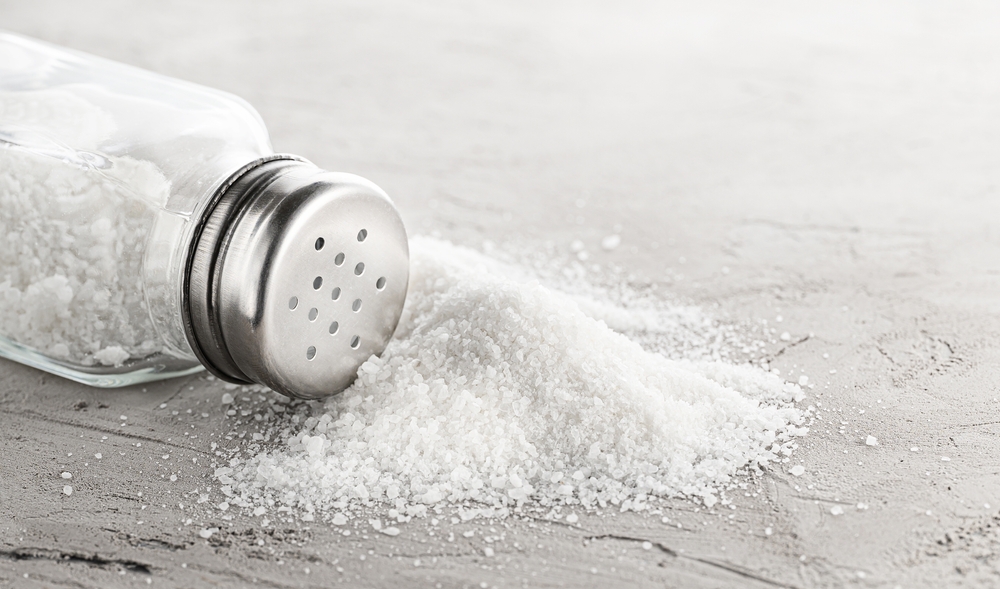
Doritos have no nutritional value for cats. They are high in sodium, which isn’t healthy for cats to have added to their diet outside of what they get from cat food. They also contain corn and other simple carbohydrates, which cats have a very minimal requirement for in their routine diet. Cats need a diet that is high in animal protein and moderate to high in fat, but they require very low amounts of any type of carbohydrates.
Since cats are obligate carnivores that require minimal plant-based ingredients in their regular diet, Doritos simply provide your cat with carbohydrates that are wholly unnecessary for them. The sodium content poses a risk in large quantities, and Doritos do contain small quantities of dairy products as well. Although many cats can tolerate small quantities of dairy, most adult cats lack the ability to properly digest dairy products. This means that Doritos can lead to nausea, vomiting, and diarrhea for some cats, especially if they consume large quantities of the seasoning dust from the chips.

How Many Doritos Can My Cat Have?
If you do decide to give your cat Doritos on occasion as a treat, the serving should be very small and it should be on rare occasions. If your cat is interested in consuming the chip itself, then a chip that has been broken down into pieces that are smaller than a cat’s bite size is plenty. This ensures that your cat will have the lowest risk of choking and injuries in the mouth and throat, even if they don’t chew the chip enough.
If your cat is only interested in licking the dust off of the chips, you may offer a chip’s worth of seasoning dust or less. Keep in mind that the seasoning does contain high levels of sodium and, depending on the flavor, may have toxic ingredients such as garlic.

What Should I Offer My Cat Instead?
Since they are obligate carnivores, it’s best to stick to offering your cat foods that are not only safe but also healthy for them. Lean meats that have been cooked without oil and seasonings are a good option, like nibbles of chicken, turkey, and fish. If your cat has not shown an intolerance to dairy previously, you can also offer your cat bite-sized dairy products, like cheeses and plain yogurt.
Keep in mind that the treats your cat consumes in a day should account for no more than 10% of their daily diet. Most cats only require 200–350 calories per day, and food items like Doritos, dairy, and meats can quickly add up in calories. Make sure you are tracking how many treats per day your cat is receiving.
In Conclusion
Doritos are unlikely to be unsafe for your cat to consume, but that isn’t to say they’re healthy for your cat to eat. There are multiple reasons that Doritos are unhealthy for your cat, and there are far better treat options out there for cats. Commercial cat treats and foods are ideal since they are specially formulated with the nutritional needs of cats in mind. When in doubt, talk to your veterinarian about treat options for your cat since they will be familiar with your cat’s current health level and medical and nutritional needs.
See also:

Expert cat care, straight to your inbox
Vet-reviewed advice, behavior tips, and the best of Catster. Free, and you can unsubscribe anytime.
By signing up, you agree to our Terms & Conditions and Privacy & Cookies Policy.
Brooke Billingsley, a former veterinary assistant for nine years, became a nurse in 2013. She lives in Arkansas with her boyfriend of five years, surrounded by her beloved pets: three dogs, two cats, five fish, and two snails. Brooke has a soft spot for special needs animals, caring for a three-legged senior dog and a widely known cat with acromegaly and cerebellar hypoplasia. She has developed a keen interest in fish keeping and is always learning how to provide the best environment for her aquatic pets. In addition to her passion for animals, Brooke enjoys gardening and maintains a vegetable garden during the summer. She stays active with yoga and received her 200-hour yoga teacher certification in 2020. Brooke also hosts a podcast that delves into folklore and myth, dedicating her spare time to research and writing. She embraces the philosophy that every day is an opportunity for learning and growth, continually working to acquire new skills and knowledge.
Join the conversation
Ask a question, share your story, or send private feedback.