Can Cats Eat Cheese Puffs or Balls? Vet Reviewed Risks & Health Facts


In this article
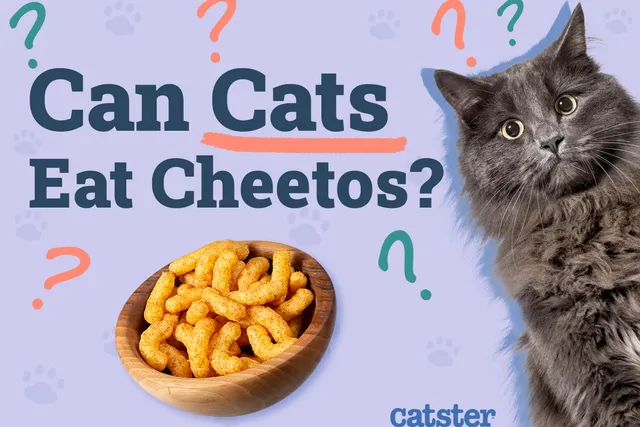
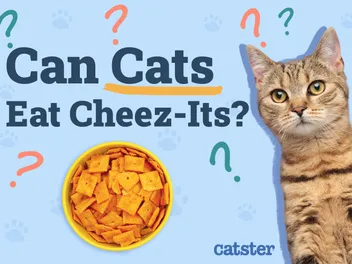
As a responsible and caring cat owner, you may sometimes find it hard to resist those pleading eyes when you're enjoying a delicious snack. With their crispy texture and savory flavor, cheese puffs or cheese balls are a popular favorite among many people.
But when it comes to sharing your snacks with your feline friend, it's extremely important to be cautious and aware of what is safe for them to eat. So, can cats eat cheese puffs or balls? The short and straightforward answer is no—cats should not eat cheese puffs or balls.
To answer the “why” of it all, we look at what makes these tempting treats dangerous for cats and how it can negatively affect our cat’s diet and overall health!

The Cat's Diet vs Cheese Puffs and Cheese Balls
Cats are obligate carnivores, which means they primarily need a diet composed of meat. Their digestive systems are designed to process high-protein, low-carbohydrate diets efficiently.
Cheese puffs and cheese balls, on the other hand, are a highly processed human snack made primarily from cornmeal and flavored with cheese powder, oils, and various additives. The nutritional composition of cheese puffs is entirely different from what cats require for a balanced diet.

Can Cats Eat Cheese Puffs and Cheese Balls?
No, cats should not eat cheese puffs or cheese balls. Even though they are not toxic and won’t cause much harm if they take a small bite, cheese puffs are not good for cats. While it may seem harmless to give them a tiny piece once in a while, it's best to avoid feeding them this snack altogether. Cats lack the necessary enzymes to break down the carbohydrates present in cheese puffs effectively. Feeding cheese puffs to your cat can lead to various health problems and even endanger their well-being.
Are Cheese Puffs and Cheese Balls Considered Toxic to Cats?
While cheese puffs are not inherently toxic to cats, their nutritional composition and ingredients make them unsuitable for feline consumption. The risks associated with cheese puff consumption can lead to serious health issues for cats.
Consistently feeding your cat this snack or allowing them to consume large quantities can lead to severe health problems over time. If your cat accidentally ingests a large amount of cheese puffs, it could potentially lead to more serious health conditions. To be safe, it's best to keep these snacks away from your furry friend entirely.

Why Are Cheese Puffs and Cheese Balls Dangerous for Cats?
The dangers of feeding cheese puffs and cheese balls to cats lie in their nutritional content and ingredients. Most cheese puffs and cheese balls contain high levels of salt, artificial flavors, preservatives, and other harmful additives. Cats are susceptible to excessive salt intake, which can lead to dehydration, kidney issues, and even salt poisoning (however, salt poisoning only occurs when cats consume a large amount). The artificial flavors and preservatives can cause digestive upsets and allergic reactions in felines.
Cheese puffs are typically high in carbohydrates, fats, and sodium – all of which are not suitable for a cat's diet. Cats are not adapted to handle such a high-carbohydrate load, and consuming cheese puffs can lead to obesity and other health issues. In addition, the high-fat content can strain their pancreas and potentially lead to pancreatitis, a severe inflammation of the pancreas. Additionally, the artificial cheese flavorings may contain ingredients like onion and garlic powder, which are toxic to cats and can cause severe health issues.
Risks of Eating Cheese Puffs and Cheese Balls
Feeding cheese puffs to your cat can pose several risks. Cats have sensitive stomachs, and consuming unfamiliar and high-fat foods like cheese puffs can lead to digestive upsets, causing vomiting, diarrhea, or abdominal pain.
Moreover, the high-calorie and high-carbohydrate content in cheese puffs can contribute to weight gain in cats, increasing the risk of obesity-related health problems.
As mentioned earlier, the high-fat content also raises concerns about pancreatitis, a painful and potentially life-threatening condition resulting from inflammation of the pancreas. The excess salt in cheese puffs can strain your cat's kidneys with repeated eating of them, potentially leading to dehydration or kidney issues.
To ensure your feline friend's well-being, it's best to avoid offering them cheese puffs, cheese balls, or any other unsuitable human snacks.


My Cat Ate a Lot of Cheese Puffs, What Should I Do?
While one or two pieces of cheese puffs may not immediately harm your cat, it’s important to be prompt with your actions if you suspect that your cat has consumed a significant amount of cheese puffs.
Signs to Look Out For
If your cat accidentally ingests cheese puffs or cheese balls or steals a piece from your plate, it's essential to monitor them for any signs of distress or adverse reactions. The following signs may indicate a negative reaction to cheese puffs:
- Vomiting
- Diarrhea
- Excessive thirst or urination
- Lethargy
- Loss of appetite
- Tremors or seizures
If you notice any of these signs, it's crucial to contact your veterinarian immediately.
Call your veterinarian and explain the situation, including the number of cheese puffs ingested and any signs your cat is experiencing. Your vet will provide appropriate advice based on your cat's specific situation and may recommend observation, treatment, or a visit to the clinic for further evaluation.
What Are Safer Alternatives to Cheese Puffs and Cheese Balls?
When it comes to treating your cat, there are plenty of safer alternatives that are both tasty and healthy for them. Cooked meat, such as chicken, can be offered in small amounts as an occasional treat. Just make sure it's unseasoned and cooked thoroughly.
Another great option is to go for commercially available cat treats that are specifically formulated to meet the nutritional needs of felines. These treats are designed to be safe and enjoyable for your cat. Many cats also love catnip, which is a safe and enjoyable herb that can be given to them in the form of toys or treats. Additionally, freeze-dried cat food is a convenient and nutritious option for rewarding your cat. These treats retain most of the original nutrients, making them a healthy choice for your feline friend.
By choosing these alternatives, you can ensure your cat stays happy and healthy while enjoying their occasional treats.

What Other Snacks Should Be Avoided?
It's crucial to keep several other human snacks away from your cat to ensure their well-being. Chocolate is one such snack that should be strictly avoided. It contains substances like theobromine and caffeine, which are toxic to cats and can lead to severe health issues or even death.
Onions and garlic, common kitchen ingredients for us, are toxic to cats and can cause gastrointestinal problems, anemia, and organ damage. Grapes and raisins are also dangerous for cats, as their consumption can lead to kidney failure. Even small amounts of alcohol can be harmful to cats, causing intoxication and potential damage to their liver and nervous system.
Beverages like coffee, tea, or any food containing caffeine can lead to various health problems in cats, including restlessness, rapid breathing, and an increased heart rate.
Conclusion
While we may enjoy indulging in cheese puffs, they are not suitable for our feline companions. Cats have unique dietary requirements that should be catered to with a balanced and healthy diet. Cheese puffs are high in carbohydrates, fats, and salt, which can lead to various health issues and pose risks to your cat's well-being.
As cat parents, it is our responsibility to educate ourselves about the foods that are safe and beneficial for our feline friends. Instead of offering cheese puffs, cheese balls, or other inappropriate human snacks, opt for cat treats or other suitable alternatives that will keep your cat happy and healthy. By being cautious and mindful of their diet, we can ensure our cats lead long, fulfilling lives as cherished members of our families.
Featured Image Credit: Yuliia Kononenko, Shutterstock
Expert cat care, straight to your inbox
News, insights, and useful advice, delivered to you.

No spam — unsubscribe anytime.
By signing up, you agree to our Terms & Conditions and Privacy & Cookies Policy.
How useful was this post?
Click a star to rate. You can leave written feedback afterwards. (We read all feedback.)
Christian started writing for a local newspaper as a teenager, and he's been involved in the publishing industry for most of his adult life. Combining his love of writing with a passion for animals, he is currently the Director of Editorial at Pangolia and the Editor-in-Chief at Catster.
Christian lives in the Philippines with his wife, son, and four rescue cats: Trixie, Chloe, Sparky, and Chopper.