5 Reasons to Get Pre-Anesthetic Bloodwork for Your Cat (Vet Answer)

In this article
You’ve probably run across this scenario before: your faithful feline friend needs surgery. A veterinary technician recommends pre-anesthetic bloodwork the day you take them in for the procedure. Wow, that's another addition to your already cringeworthy bill. You were probably thinking, why would your young, healthy cat need bloodwork? They’re not showing any signs of illness; they’re just here for a routine spay.
Before you write off pre-anesthetic bloodwork as an unnecessary (or unwanted) expense, here are five reasons to get pre-anesthetic bloodwork for your cat.

The 5 Reasons to Get Pre-Anesthetic Bloodwork for Your Cat
1. Anesthesia Tolerance
There has been a lot of progress in the efficacy and safety of veterinarians' anesthetics. Gone are the days of using ether through a nose cone. Today’s anesthetics are very safe, and most cats will go under with little resistance and wake up with just a little grogginess. However, being under anesthesia is still considered a risk. So, your vet will want to make sure your kitty doesn’t have any underlying issues with organ function or blood composition that could make the anesthetic risk greater.
If pre-anesthetic bloodwork shows some concerning results, your vet may make adjustments to the medications they use or to the procedure itself, all to make it as safe as possible for your pet.

2. It’s for General Health, Not Illness
Most of us think of bloodwork as a tool to help diagnose sick pets, but that’s not the idea here. When a cat undergoes surgery, there are many health facets that your vet needs to consider. They need to ensure that every feline patient is healthy enough to not only handle anesthesia the best they can but also to recover in a positive and uneventful manner. Pre-anesthetic bloodwork will help your vet assess your cat’s ability to control bleeding during and after surgery, and it will provide a glimpse of their immune function to ensure they will be able to handle any potential challenges the procedure may bring them.
If pre-anesthetic bloodwork shows any abnormalities, such as a low white blood cell count, your vet may choose to postpone surgery and address these issues first.
3. Detection of Underlying Issues
Underlying issues are simply that—health issues that your cat may be having but that they’re not showing any signs of. Since your kitty may be trying to hide something from you, bloodwork may be the only way to determine that their kidney/liver/pancreatic/you name it function isn’t up to par. Some of these conditions may be minor, and some may cause major concern. Either way, your vet is going to want to know about them, especially before they meet your cat in the surgical suite.
If an underlying condition is uncovered with pre-anesthetic bloodwork, your vet may need to adjust the medications or procedure or decide to treat the issue first and worry about the surgery later.

4. It Provides a Baseline
This isn’t a sports analogy; instead, a baseline in veterinary medicine refers to a reference point. Often, the first bloodwork that a cat receives is when they’re sick. While diagnostic bloodwork is no doubt helpful, an important part of interpreting it is looking at trends. You can’t spot a trend if you don’t have a healthy starting point. For most kitties, their inaugural surgery is a spay or neuter. What better time to find out your cat’s normal organ function and blood count numbers than when they’re young and healthy?
Getting pre-anesthetic bloodwork can provide a baseline for which your vet can compare future bloodwork. This is especially important to be able to compare results as a cat age or if they become ill.
5. It Can Put Your Mind (and Your Vet’s) at Ease
There’s no doubt that knowing that your cat is undergoing surgery comes with its fair share of stress and anxiety—for you! While pre-anesthetic bloodwork can’t guarantee that your cat’s surgery and recovery will be the best there ever were, it can help ensure that your cat and vet are as prepared as they can be. Your vet wants to know that they are working on a healthy animal or that they need to make some adjustments to make the whole thing as safe as possible. Knowing that your vet is prepared can help you feel more at ease while your kitty is in the hospital.
Again, pre-anesthetic bloodwork is no guarantee that your cat won’t have issues, but it is the best option to rule out possibilities that could increase the chance of complications from the anesthetic, surgery, or recovery.

What Does Pre-Anesthetic Bloodwork Look for in Cats?
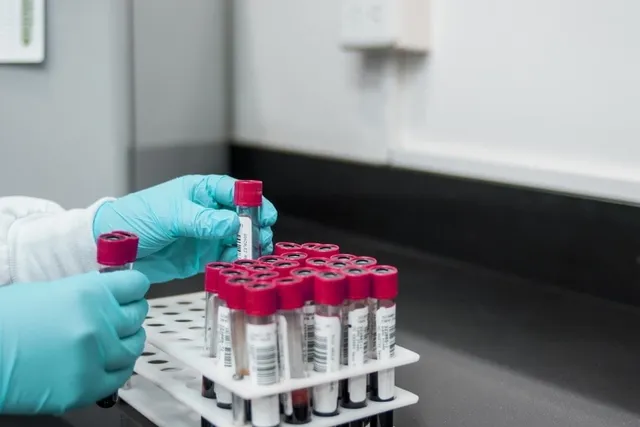
There are two basic parts to pre-anesthetic bloodwork: the complete blood count (CBC) and the serum biochemistry.
CBC
This one looks at the blood cells that are floating around in your cat’s blood. It looks at the numbers of red blood cells that carry oxygen to all tissues in the body, white blood cells responsible for immune function and the inflammatory process, and platelets responsible for normal blood clotting. Any increase or decrease in red or white blood cells or platelets can indicate an issue that could affect anesthesia or the procedure. It may mean that your cat has an infection, blood clotting disorder, is dehydrated, or is anemic, all things that will need to be addressed.
Serum Biochemistry
This part of the pre-anesthetic blood work looks at organ function and can detect changes in the liver, kidneys, blood glucose, electrolytes, and blood proteins. Issues with any of these can affect how well a cat handles anesthesia as well as how well they will handle surgery and recovery. The serum biochemistry may also be able to discover issues that your kitty isn’t even showing any signs of yet, potentially increasing the success of treatment of that issue.

What Does Pre-Anesthetic Bloodwork for Cats Cost?
Since we mentioned that pre-anesthetic bloodwork does come with a price tag, it’s important to know what that cost may be. With all veterinary expenses, there’s going to be a variation depending on your location and particular clinic. Pre-anesthetic bloodwork for pets’ costs is no different.
Some vets will work them into the price of surgery, while others will charge you a separate fee. Some will send the samples off to an outside lab, and some will run them in-house. Some will run a bare minimum of tests, and some will tack on some extra parameters to check to ensure that your cat is healthy.
Either way, you’re looking at paying anywhere from $25–$125 for pre-anesthetic bloodwork for your cat, a price that’s often well worth it to help ensure the safety of your cat’s surgery.
If you like to talk with a vet to clear out any other doubts you might have regarding this topic, you can consult one online.

In Conclusion
Your veterinary clinic isn’t offering pre-anesthetic bloodwork for your cat in order to generate more funds. It’s a great way, along with a pre-surgery examination, to determine if your cat is healthy and to make the surgery as successful as possible. If you have any questions about the benefits of pre-anesthetic bloodwork for your particular furry friend, speak to your vet.
Sources
Featured Image Credit: Maria Sbytova, Shutterstock
Expert cat care, straight to your inbox
News, insights, and useful advice, delivered to you.

No spam — unsubscribe anytime.
By signing up, you agree to our Terms & Conditions and Privacy & Cookies Policy.
How useful was this post?
Click a star to rate. You can leave written feedback afterwards. (We read all feedback.)
Dr. Chyrle Bonk DVM (Veterinarian)
On top of healing animals and writing for veterinary publications, Dr. Chyrle Bonk owns a small cattle herd! When she’s not busy with those things, she can be found somewhere in the Idaho outdoors with her husband and two kids.
Chyrle has practiced in a mixed animal clinic for over 10 years. She also writes for various veterinary websites and magazines, like Catster!
Dr. Chyrle Bonk received her Doctor of Veterinary Medicine (DVM) from Oregon State University in 2010.