E. Coli Infection in Cats: Vet Approved Signs, Causes & Care


In this article
E. coli, or Escherichia coli, is a bacterium that sits in most living mammals' digestive tracts. It can be found in human and animal urine and feces. It's usually a commensal organism, part of the normal bacterial flora of the body. However, it can cause life-threatening illness in certain circumstances. E. coli infections in healthy adult cats are pretty rare. But kittens and older cats can develop this infection because their immune systems are not quite as up to par as healthy adult cats. It’s important to note that if your cat is immunocompromised or has health issues, it’ll be easier to develop an E. coli infection.
In this guide, we’ll tell you what E.coli is in cats, the causes, and the signs you should look out for with your feline friend. We’ll also provide tips for caring for a cat with an E. coli infection, so stay tuned.

What Is E. Coli in Cats?
E. coli in cats is a bacterium that usually lives in the gastrointestinal tract without causing any problems. There are hundreds of strains of this bacteria, and most of them are harmless to your feline. The problem occurs when E. coli enters parts of the body that it doesn’t belong in or when a harmful strain of the bacteria is introduced through the cat’s system. Lab tests are required to diagnose this infection because the signs vary depending on the strain, location, and the individual cat.
This bacterial infection is more often seen in kittens in the first few weeks after birth. There have been over 700 subtypes of E. coli1 identified so far.

What Are the Signs of E. Coli in Cats?
You'll need to be on the watch out for a few signs of an E. coli infection in your cat, especially if you have a young kitten or your cat is older. It’s important to note that E. coli can cause different types of illness, which will cause various health signs.
Urinary Tract Infection
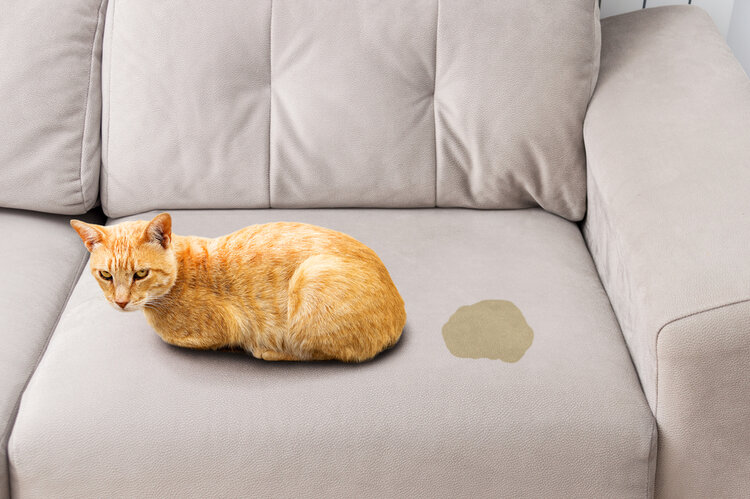
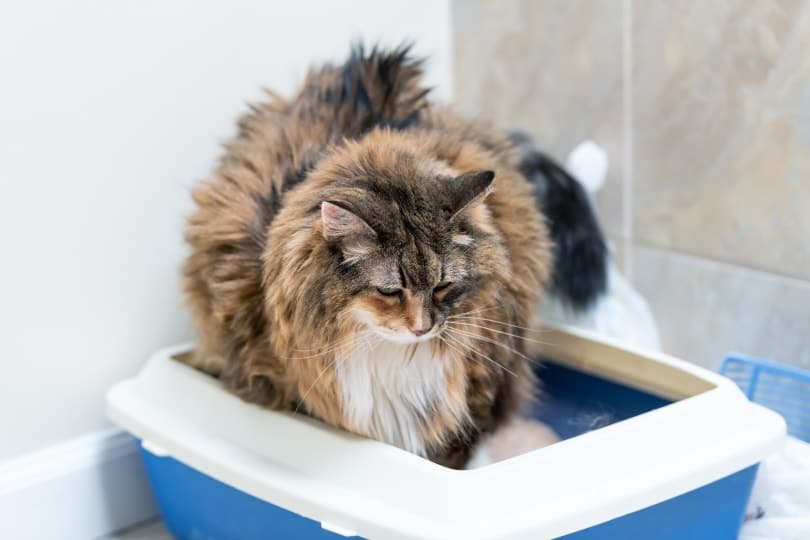
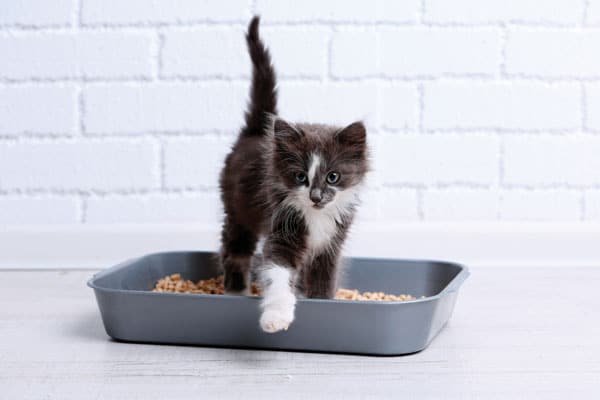
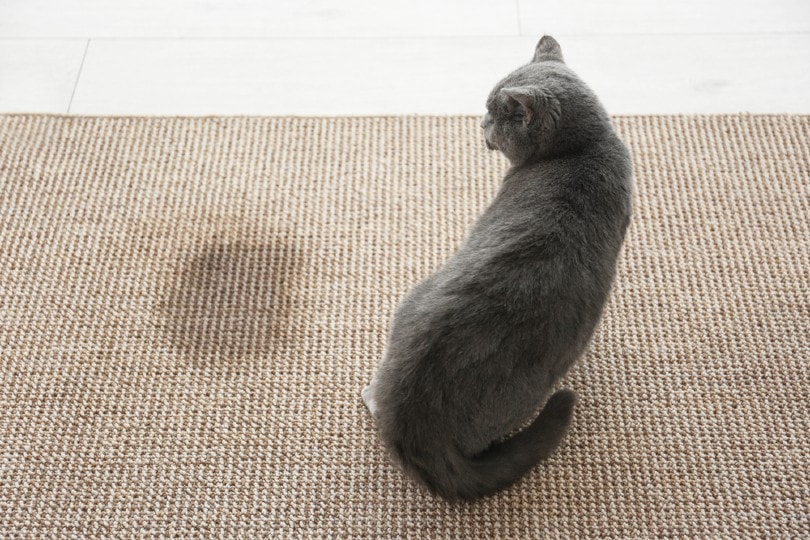
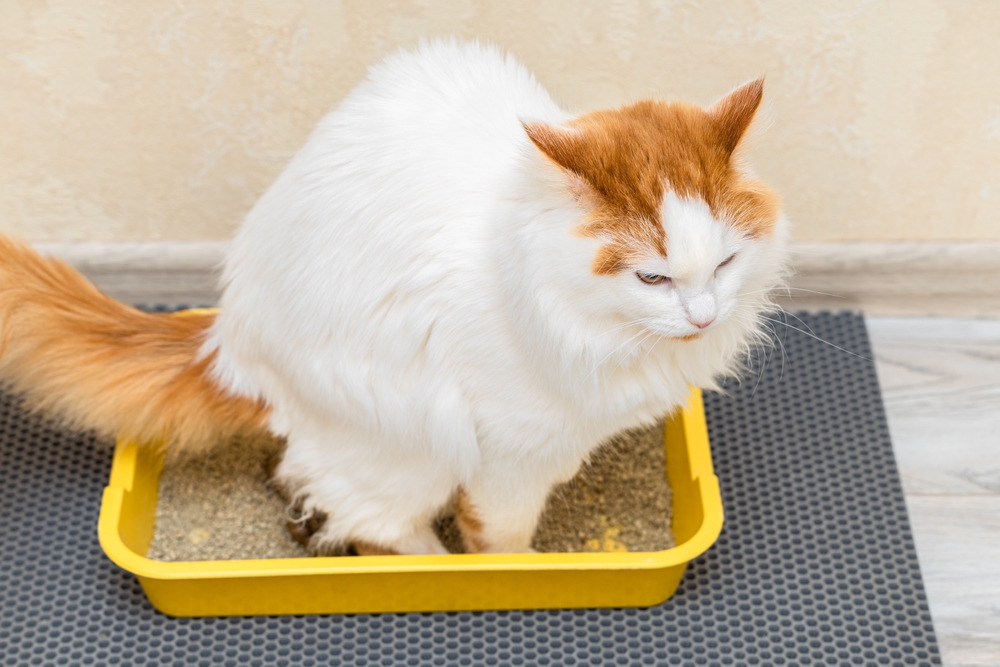
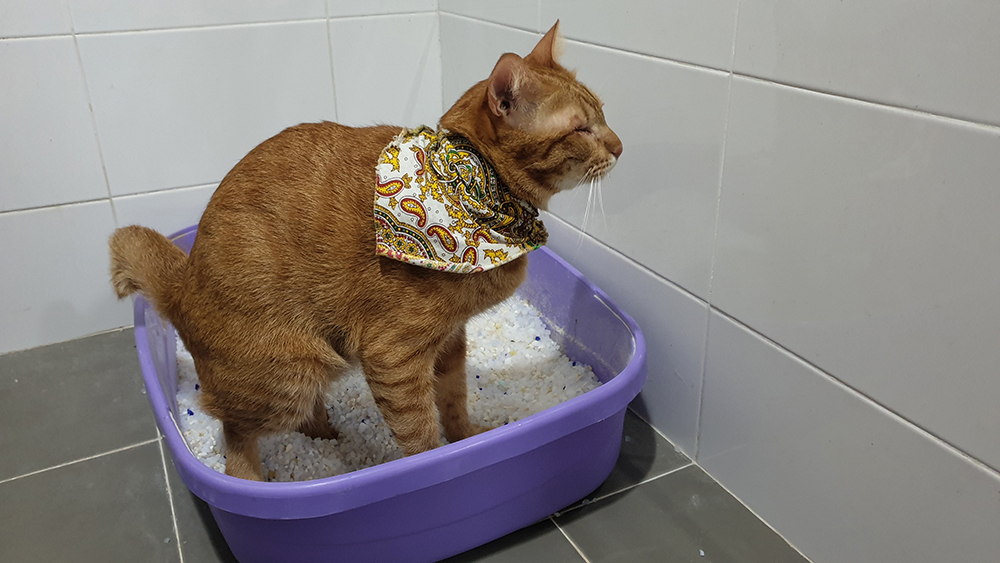
- Urinating outside of the litter box
- Frequent urination
- Foul-smelling urine
- Straining when trying to urinate
- Fever
- A tender abdomen
- Bloody urine
- Pain when urinating and meowing loudly
Pyometra (Female-uterus infection)
- Distended abdomen
- Poor appetite
- Lethargy
- Excessive panting
- Increased thirst
- Vaginal discharge
Gastrointestinal
- Vomiting
- Diarrhea, sometimes bloody
- Lack of appetite
Colibacillosis (Kittens)
- Vomiting
- Lethargy
- Dehydration
- Decreased body temp
- Severe diarrhea
- Lack of appetite
If you see any of these signs in your cat, it’s best to contact your vet.
What Are the Causes of E. Coli in Cats?
E. coli infections are caused by an overgrowth of the bacteria in the animal's body; each infection that results from an E. coli infection has its own method of transmission. For example, a UTI can be caused by ascending infection- from the outside-in, pathogenic E. coli travels from the external body surface around the anus to the urinary tract, which causes an infection to set in. While this doesn’t usually cause a problem for cats in good health, it could be if your cat is older or has an underlying issue.
Gastrointestinal infections resulting from an E. coli infection could come from your cat's undercooked or raw food. Therefore, many vets caution against putting your cat on a raw meat diet.
Newborn kittens can end up with the infection in these ways:
- During birth, when the bacteria is in the birth canal
- Before they are born
- While they are nursing
- When the kitten is living in unsanitary conditions
How Do I Care for a Cat with E. Coli?
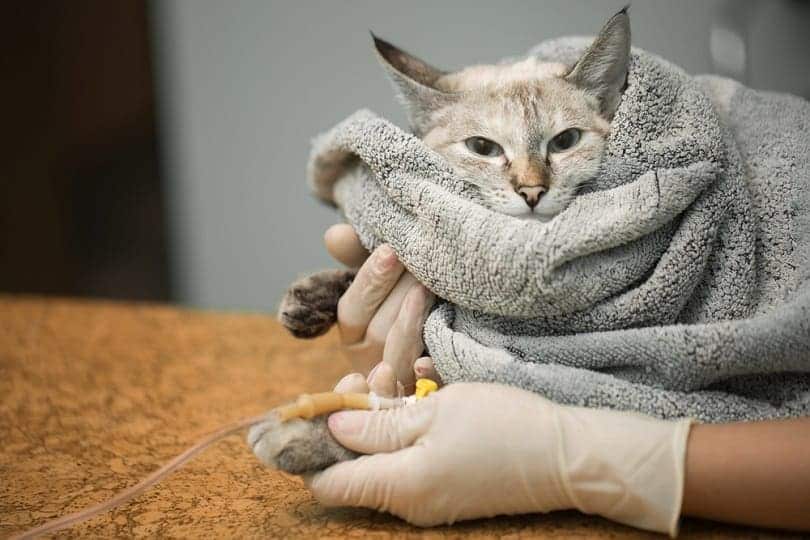
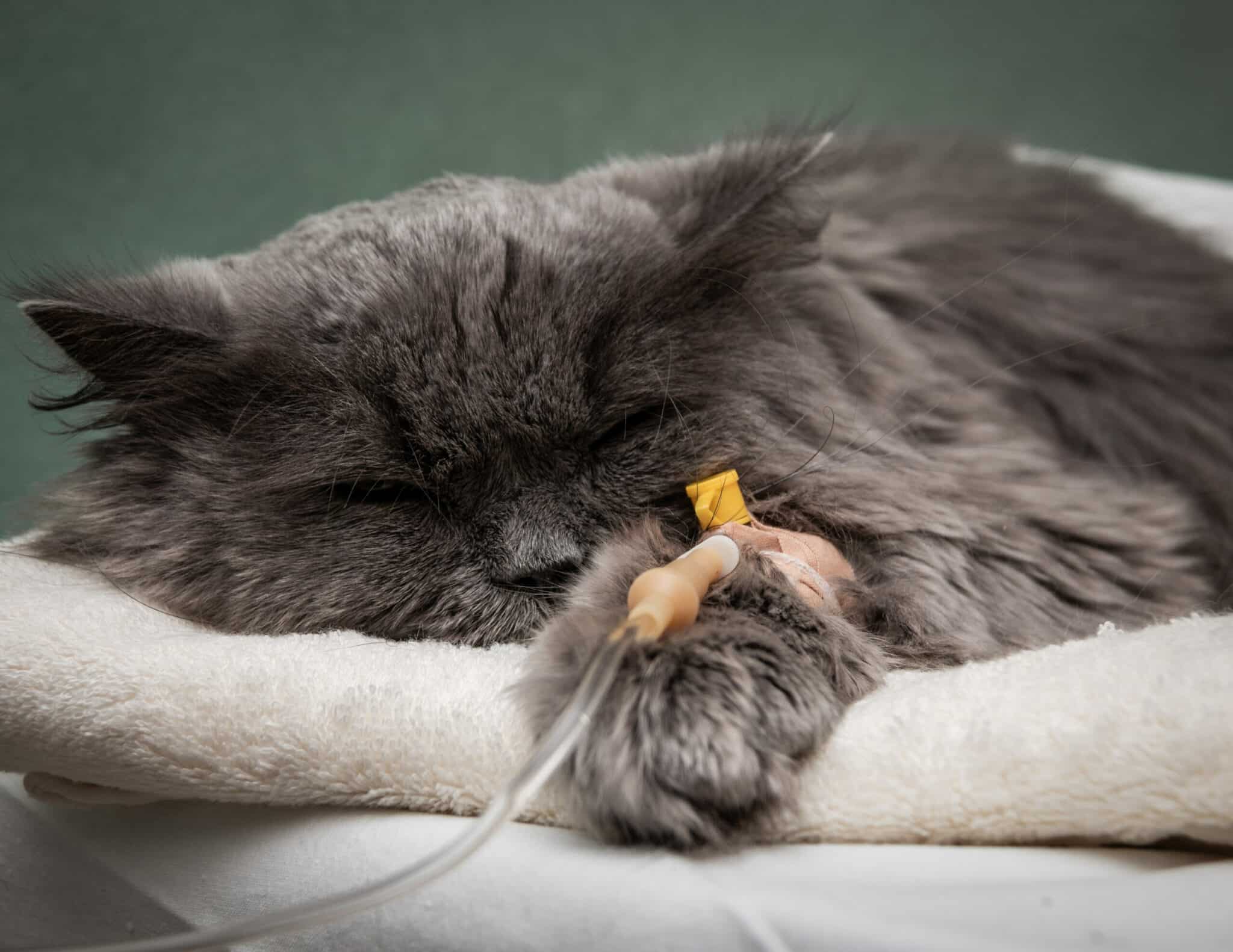
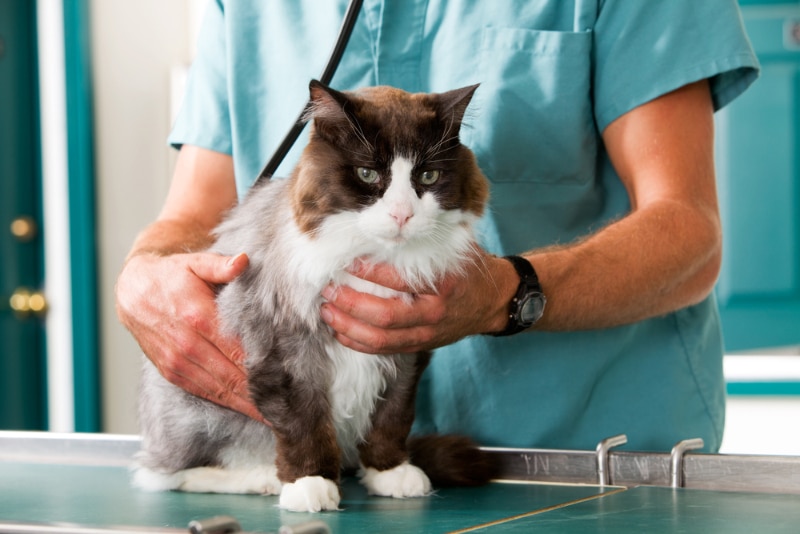
Once your pet has been seen by a veterinarian they may send you home with medications to give your cat. Antibiotics are the standard treatment for E. coli in cats, and supportive care is used. Sometimes, intravenous fluids are used as well to restore fluid balance. In cases of newborn kittens with an E. coli infection, aggressive treatment is necessary for their survival.
After treatment, when you get your cat home from the vet, it’s best to give them the space they need to recover. Make sure they have easy access to all resources, such as food, water, and litter trays. Keep a close eye on your pet to ensure they are doing okay, and remember to love and pamper them. Ensure good hygiene to protect yourself and other pets from infection.

Frequently Asked Questions (FAQ)
How Do I Prevent an E. Coli Infection in My Cat?
As E. coli is found frequently in the environment and inside cats’ bodies it cannot easily be prevented. Ensuring good environmental hygiene, such as cleaning food and water bowls, litter trays, and bedding. Monitor for signs of illness and discuss any concerns with your veterinarian.
What Can I Use to Get Rid of E. Coli in My Home?
E. coli from raw food can hang around the house for up to 28 days. Ensure good hand hygiene practice and disinfect food preparation surfaces regularly. Keep separate cutting boards for raw and cooked meats.
Conclusion
E. coli infections in cats can affect different body systems and must be treated effectively and promptly. If you see any of the signs of E. coli infection, contact your vet for an appointment. You can reduce the chances of the bacteria infecting your cat or family by thoroughly cleaning and sanitizing food prep areas, keeping your clean, and scheduling regular visits to your veterinarian.
BF000A
Featured Image Credit: Pixabay

Expert cat care, straight to your inbox
Vet-reviewed advice, behavior tips, and the best of Catster. Free, and you can unsubscribe anytime.
By signing up, you agree to our Terms & Conditions and Privacy & Cookies Policy.
Patricia is a pet writer and lifelong animal lover. She has two cats (Binx and Link) and one dog (Mystery). Binx was found as a kitten under her house and has been part of the family ever since! Patricia is also a published author under the pen name Skylar McKinzie. When she isn’t writing, Patricia enjoys volunteering at her local animal rescue.
Join the conversation
Ask a question, share your story, or send private feedback.