Vets Reveal the Scary Truth About Cats and Chicken Bones


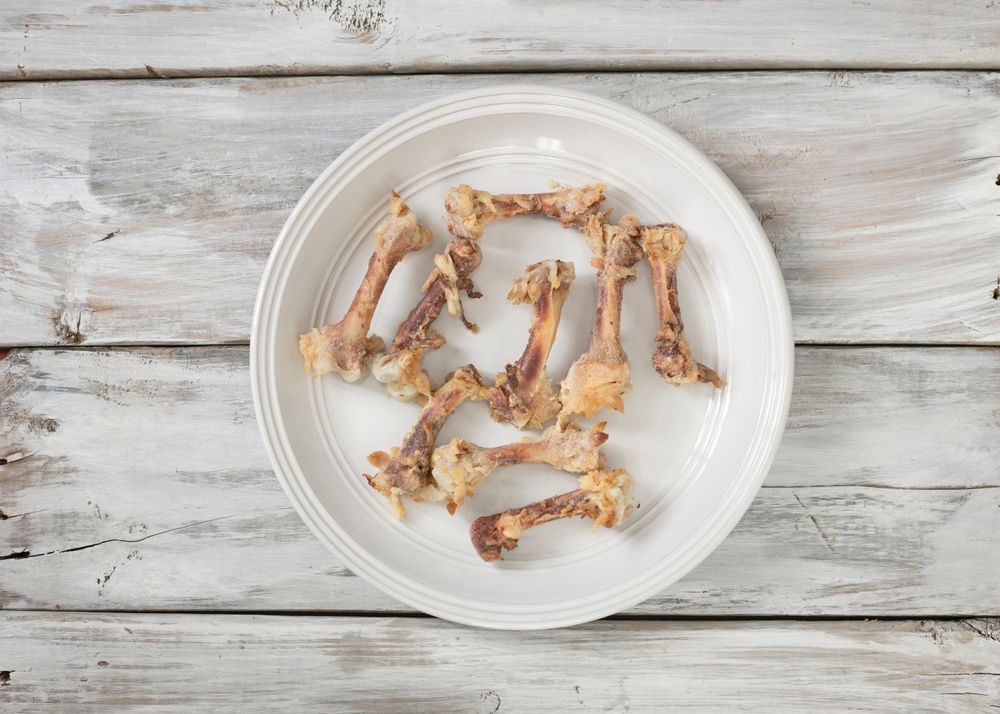
Giving your cat a chicken bone, or having them steal one off your plate, is a common and very easy mistake to make. Chicken smells irresistible to cats, and to them, bones are just part of the feast. But here’s the scary truth: chicken bones can seriously harm your cat, even in tiny amounts. Some cat parents develop a sort of ‘survivor’s bias’, thinking it’s fine because their cat has happily eaten chicken bones before and has experienced no issues.
But chicken bones are dangerous and should not be fed to cats.
Before you spiral into worry in case your cat has already ingested a chicken bone, take a breath. We’ve gathered expert-backed advice on what to do immediately, what warning signs to watch for, and why those tempting bones can be so dangerous.

Why Chicken Bones Are So Risky for Cats According to Our Vets
1. They Can Tear or Block the Gut
The biggest danger? A bone that splinters or gets stuck.
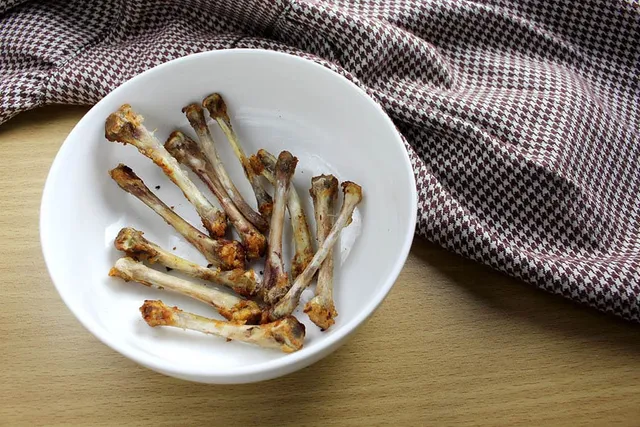
Chicken bones, especially cooked ones, become brittle and sharp. If swallowed, they can puncture or block your cat’s digestive tract, which often means emergency surgery. Raw bones aren’t much safer, since even small fragments can cause internal injuries or painful constipation.
2. Choking Is a Real Threat
Cats can easily choke while gnawing on bones.
If a piece lodges in the throat or mouth, it may block the airway, turning a curious snack into a life-or-death emergency. Smaller bones sometimes wedge across the roof of the mouth, leaving your cat pawing, drooling, or shaking their head in distress. If you notice these signs, call your vet right away.
3. Raw Bones Can Harbor Dangerous Bacteria
Raw chicken may contain Salmonella or Campylobacter, bacteria that make both cats and humans sick.
Even worse, once infected, your cat can shed those germs in saliva and feces for months, putting your family at risk. This is especially serious for children, seniors, or anyone with a weakened immune system.

What to Do If Your Cat Ate a Chicken Bone
1. Stay Calm and Check Their Breathing
First things first: make sure your cat is breathing normally.
Look for labored breaths, open-mouth panting, or gagging. If they seem fine, keep them calm and contained somewhere safe while you call your vet.
2. Call Your Veterinarian Immediately
This step is non-negotiable.
Tell your vet when it happened, whether the bone was cooked or raw, and how much your cat ate. They’ll guide you on the next steps based on your cat’s size, health, and symptoms.
🚫 Never try to make your cat vomit. A bone coming back up can cause choking or tear the throat.
3. Keep Chicken Bones Far Out of Reach
If there are leftovers, clean up right away. Cats are clever scavengers—don’t give them another chance! Place bones in a secure trash bin that your cat can’t access.

What Happens After They Eat One
Some cats get lucky and pass the bone naturally. Others, not so much.
Even if your cat digests the bone, they might still have diarrhea or stomach upset for a few days. But if a bone gets stuck, you’ll see more serious symptoms like:
- Vomiting
- Bloated or tender belly
- Hunched posture or growling when touched
- Refusing food or water
- Little to no stool
- Extreme tiredness
If any of these signs appear, get to a vet immediately, as a blockage can turn deadly fast.

How Vets Treat Cats Who Eat Bones
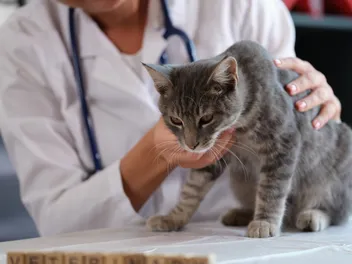
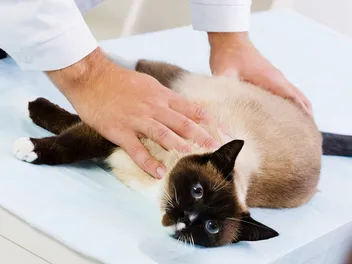
Your veterinarian will likely start with X-rays to find where the bone is and see if it’s causing trouble.
If your cat seems stable, they may just recommend monitoring at home with careful feeding and observation. If not, hospitalization or surgery might be needed to remove the blockage and repair damage.
Surgery costs can vary widely, from $800 to $7,000, depending on severity and aftercare needs.
Caring for Your Cat at Home (With Vet Approval)
If your vet gives the okay to monitor your cat at home:
- Feed a bland diet — A gentle, vet-recommended food helps cushion sharp edges and protect the stomach.
- Encourage hydration — Make sure your cat has plenty of fresh water.
- Check their litter box — Look for bone fragments and make sure they’re still passing stool normally.
If pooping slows down or stops, or your cat starts vomiting, call your vet again right away.


FAQ: Common Cat Parent Questions
Will My Cat Be Okay?
Some cats pass small bones without issue. Others may face serious complications. The earlier you call your vet, the better your cat’s chances.
Can a Cat Die From Eating a Chicken Bone?
Sadly, yes. A choking episode or gut tear can be fatal if untreated. Quick veterinary care can save your cat’s life.
How Do I Stop This From Happening Again?
Easy: prevention. Always dispose of cooked chicken bones in a sealed bin your cat can’t get into. Cats are clever—and persistent—so make sure leftovers aren’t accessible.
Final Thoughts
So, can cats safely eat chicken bones? No—never.
But if they have eaten one, even if your cat seems fine now, play it safe and get professional advice. Most cats recover completely when treated early, but waiting too long can turn a small accident into a crisis.
Trust your instincts, stay calm, and let your vet guide you. With quick action, your feline friend will be back to plotting their next snack raid in no time.
Feature Image Credit: Alyh M, Shutterstock
Did You Know?
- Our brand-new posts are rounded up and included in our weekly emails. Don't miss out on the latest - sign up for our newsletter below!
Expert cat care, straight to your inbox
News, insights, and useful advice, delivered to you.

No spam — unsubscribe anytime.
By signing up, you agree to our Terms & Conditions and Privacy & Cookies Policy.
How useful was this post?
Click a star to rate. You can leave written feedback afterwards. (We read all feedback.)
Dan has been working in the pet world for over 4 years covering cats, dogs, and all other pets in between. He loves helping pet parents keep their companions happy, healthy, and of course, totally spoiled! Originally from London, Dan now travels and works remotely, which unfortunately means no pets at home, but it gives him plenty of opportunities to fuss over other people's furry friends.