Can Cats Eat Pickles? Vet-Approved Health Facts & Nutritional Advice


Few things are more satisfying to us humans than the salty, vinegary crunch of a fresh pickle. Since we are often tempted to think that if we enjoy and benefit from certain food, our cats must also, we may wonder: Is it safe to give a cat a pickle?
Not exactly. Pickles are not something cats should be eating, and it’s important to refrain from offering them any. Read on to find out why this food is not suitable for your kitty.

Cats Don’t Need Fruits or Vegetables
Pickles are just pickled cucumbers (cucumbers are technically a fruit but are also considered a vegetable by some), so it’s easy to think of them as a healthy snack for us and for our cats. It may surprise you, however, that your feline friend doesn’t need fruits or vegetables, or really anything other than animal protein in their diet, as cats are obligate carnivores. All of the nutrients a cat needs to function and thrive come from high-quality and balanced meat sources. Excess of carbs and sugar from fruits and fiber in veggies may lead to digestive issues in some cats. Their dietary needs for fiber are different from ours, and most healthy adult cats have no specific requirement for carbohydrates.1 Their natural diet, and high-quality commercial ones as well, are often low in carbohydrates while being high in animal protein and moderate in fat. Cats may struggle to digest certain types of unprocessed carbs, such as fructose from fruit, even when compared to dogs, but cooked carbs still play a role in cat food when added in appropriate amounts as a source of energy, soluble fiber, and essential fatty acids.
While we may need to struggle to get the proper number of fruits and vegetables into our diets, your kitty is off the hook! They can safely stick to meats for their meals; there’s not much benefit to adding fruits or vegetables to their dishes, and they may easily lead to a stomach upset for various reasons.
What About Cucumbers?
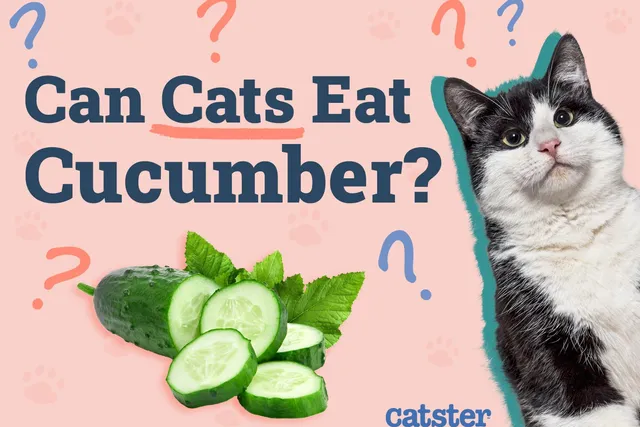
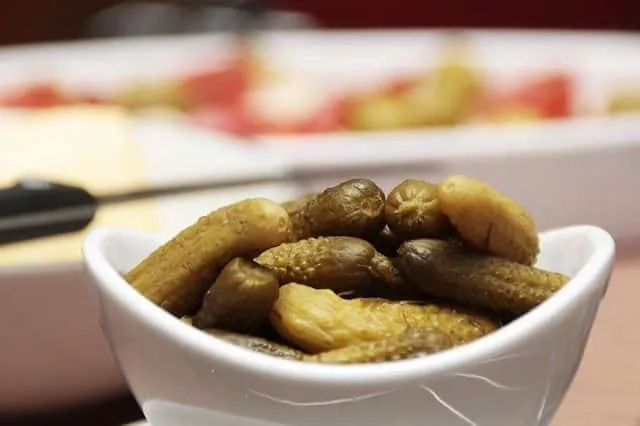
Pickles are certainly not something your cat should eat for the reasons we'll explore shortly, but is it the same when it comes to fresh, raw cucumbers? It’s not that cucumbers are detrimental to your cat’s well-being, and they are not toxic to cats in any way, but it’s unlikely to expect your cat to reap any significant benefits from eating cucumbers. However, if you drop a slice of it on the floor and your cat nibbles at it, it’s unlikely to expect any real health issues. Cucumbers can, in fact, be offered to some cats in very small quantities and only occasionally as a rare treat if they seem to enjoy it. But any excess or too frequent ingestion is likely to lead to a stomach upset. The issue really comes with the pickling process.
The First Issue: Salt
The first issue with pickles comes with the salt content. Cucumbers are often pickled using vinegar, salt, and some combination of herbs and spices. While humans are able to tolerate varying amounts of salt fairly easily, the sodium content in pickles is simply not suitable for your cat. Salt is a staple in our diets, but experts maintain that it’s not healthy for pets in the quantities we consume. Pet Poison Helpline warns that high salt consumption by our feline friends can cause a myriad of health issues, including electrolyte disbalance, upset stomach, vomiting, and diarrhea, and it can even lead to salt poisoning and be toxic in large quantities. Of course, in most cases and depending on the concentration of salt and size of the cat, it may take more than one pickle or several sips of pickled juice to lead to these issues in your cat, but it’s important to be aware of this risk and do your best to avoid it altogether. Luckily, most cats are unlikely to show interest in pickles.
The Second Issue: Garlic and Onions
It’s common knowledge that some vegetables used during pickling, like garlic and onion, are toxic for cats and should never be consumed in any form or concentration.
While there are many different kinds of pickles available to us, many are made with garlic for flavor. While the amount of garlic found in pickles or pickle juice may not be significant, we can’t stress enough how important it is to err on the side of caution and avoid giving your cat pickles altogether.
What About Homemade Pickles?
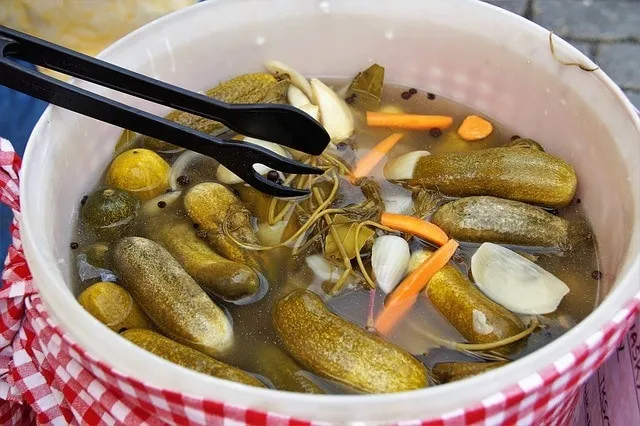
Of course, there’s a loophole when it comes to pickles having too much salt or being made with garlic: make them yourself, and then give them to your cat. Would that be okay?
Provided you make your pickles without salt and without onion or garlic, this could be acceptable, but it’s not really recommended. Your cat doesn’t need it, it’s as simple as that. Instead, if you are keen to reward your cat, use a species-appropriate treat, such as plain cooked chicken. If you are uncertain which treats are the most appropriate and healthy for your cat, an experienced vet is the best person to ask. They’ll be able to recommend brands they trust and consider best for your cat's needs.
The Bottom Line
Most pickles are unsuitable for cats or could even be harmful depending on the ingredients, and consumption should be avoided. The salt content of the pickles we tend to enjoy is too high to be safe for your kitty, and since many pickles are made with garlic and onions for flavor — both of which are toxic to cats — pickles aren’t generally a cat-safe snack. See Also:
Featured Image Credit: Amber Kipp, Unsplash, Pexels
Expert cat care, straight to your inbox
News, insights, and useful advice, delivered to you.

No spam — unsubscribe anytime.
By signing up, you agree to our Terms & Conditions and Privacy & Cookies Policy.
How useful was this post?
Click a star to rate. You can leave written feedback afterwards. (We read all feedback.)
Christian started writing for a local newspaper as a teenager, and he's been involved in the publishing industry for most of his adult life. Combining his love of writing with a passion for animals, he is currently the Director of Editorial at Pangolia and the Editor-in-Chief at Catster.
Christian lives in the Philippines with his wife, son, and four rescue cats: Trixie, Chloe, Sparky, and Chopper.