Why Does My Cat Go into Another Room and Meow? 9 Vet-Reviewed Reasons


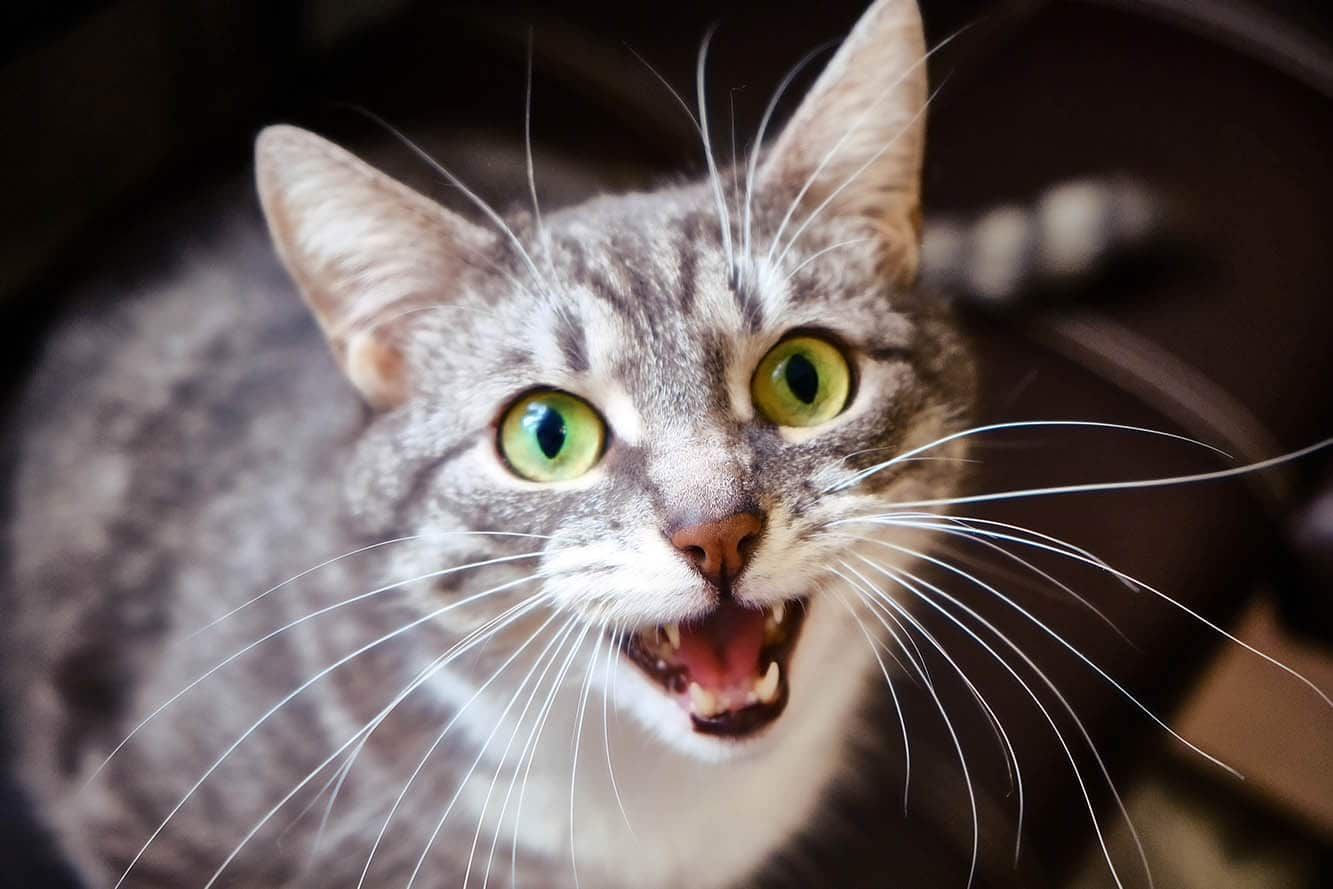
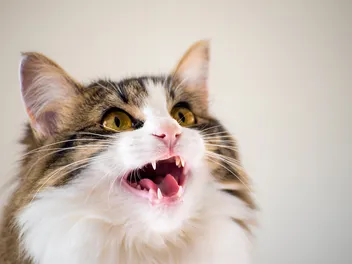
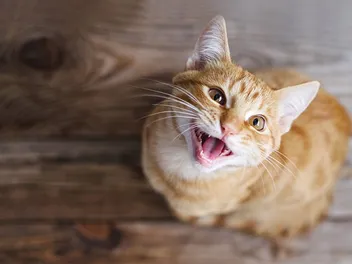
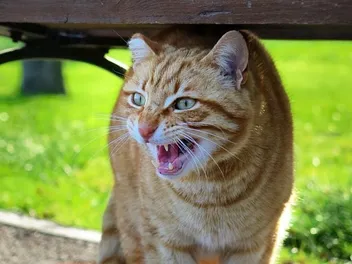
Cats meow as a means of communication with others, with us, and to express their internal states, which can make us think that they're trying to let us know something when they leave the room to meow. The question is, what? It could be down to a need, like hunger or thirst, or maybe they need attention. The reason can also be a little more severe, like that they are in pain or stressed.
It's our job as pet parents to work out what these sounds could mean, and don't worry; we're not suggesting you become fluent in the feline language. Sometimes, having an idea as a starting place of what it might be helps us narrow it down. That's why we've outlined nine reasons behind your cat's meows in another room.

The 9 Typical Reasons Your Cat Goes to Another Room to Meow
1. In Heat
It's obvious, but it's always a good idea to rule out the possibility of your cat being in heat and going through the house looking or calling for a potential mate. Vocalizations for mate attraction are common, as cats are trying to catch the attention of neighboring cats to let them know they're in heat. Another sign that your unspayed female cat is in heat is that they tends to rub up against you and act more affectionate and demanding.
It is, of course, a personal choice whether to spay or neuter your cat, but it's been proven that spaying is beneficial to your cat's health. It's known to lengthen their lives and reduce the risk of certain types of cancer.

2. Attention
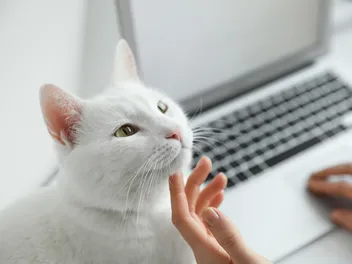
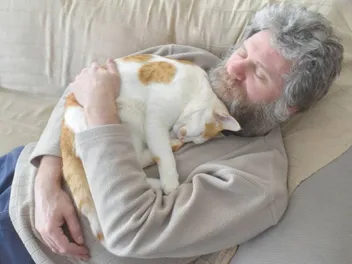
Cats can be dramatic and may try different tactics if you've ignored their hints that they want your attention. You might find your cat meows even louder when you follow them into the room. Giving them attention is vital, but maintaining certain boundaries is equally important.
If they're still demanding even after their needs have been met, you could try reinforcing that you'll pet them when they're quiet and at certain times, which creates a routine that works for both of you.
3. Cognitive Dysfunction Syndrome
Older cats may develop some health issues, such as cat dementia, as it is sometimes referred to. The correct term is cognitive dysfunction syndrome, and it involves behavioral changes such as vocalizing, changes in sleeping pattern, and changes in appetite, to name a few.
These changes can mimic other health issues in cats, so it’s important not to assume your cat is just getting old but instead taking them to the vet if you notice any changes to their normal behavior.

4. Separation Anxiety
A cat can get anxious if you're not home or if they're missing another family member. You might see them search for them while meowing. You have a few options when this happens.
You could give them the attention they crave at home or try to distract them with toys. If that does not work, set up a perch near a window so they can look outside. They will be entertained by the leaves blowing, birds, and people walking by.
5. Satisfy Basic Needs
Excessive meowing or yowling can be a sign of hunger. Your cat might be asking you to feed them and, in some cases, watch them eat. You might find this behavior most prevalent at night when trying to sleep. In that case, an automatic food feeder might be a good option.
Alternatively, your cat could be on the lookout for water and is trying to tell you that their bowl is empty. They might have knocked it over accidentally. Your cat could also be letting you know they need the toilet. Some cats don't like the look of a dirty litter box, which is understandable.

6. Stress
Stress can be caused by several factors, from a change in their environment, like a new pet or baby, to a change of routine, like your work schedule changing. Other signs of stress usually accompany meowing, like hiding, excessive grooming, and changes in appetite. The stress could also make them restless, hence why they might wander from room to room meowing.
You also could schedule more time together. A newly arrived family member can trigger this, so some quality time with you might do wonders. If you feel like you've tried to rectify the situation yourself, you're not getting anywhere, and you're still concerned about your cat's behavior, contact a vet for some advice.
7. Needs Your Help
If there's been a gap between your cat leaving the room and then meowing, it could be that they've gotten themselves into trouble and need your help. They may have climbed up something they now can't get down from. Or maybe they've gotten themselves stuck.

8. Sickness
When a cat is sick or in pain, they can be pretty good at hiding it, and it might not be entirely apparent at first. If your cat is meowing from another room and you are worried about their behavior, it might be that they're unwell. Other signs to look out for are:
- Lameness
- Issues with eyes, coat, or ears
- Bad breath
- Changes in behavior
9. It Runs in the Family
Siamese cats, for example, are considered to be a particularly chatty breed, and they have a range of sounds they make to communicate with the humans in their lives. If your cat is vocal even when they're not in the same room, it might be due to the breed.
Conclusion
The reasons behind your cat's meows when they go into a different room can vary from amusing to more concerning, which include sickness, hormonal influence, or stress. If there is something to be concerned about, generally, other signs will accompany your cat's meows. However, do not feel like you cannot visit a vet until other signs have arisen. If you are worried, take them to see a vet as soon as possible—it is always better to be safe!
Sources
Featured Image Credit: Zhuravlev Andrey, Shutterstock
Expert cat care, straight to your inbox
News, insights, and useful advice, delivered to you.

No spam — unsubscribe anytime.
By signing up, you agree to our Terms & Conditions and Privacy & Cookies Policy.
How useful was this post?
Click a star to rate. You can leave written feedback afterwards. (We read all feedback.)
Kerry-Ann lives in Scotland and would love to have a bigger garden so she could have her very own Highland cow. But her dogs probably wouldn’t like that idea very much. She has a La Chon called Harry who was sick with a liver shunt when he was a puppy. It wasn't likely he would make it into adulthood, which was difficult to comprehend, but he beat the odds and is a healthy old man now. She also has a Pug called Maddie who is a big foodie. She’s small, sassy, and every day she finds a new way to wind her brother up.
When she isn’t writing you can find Kerry-Ann going for long walks when it isn't raining, reading, or watching cartoons. She would one day like to be a tourist in her own country and travel through the Highlands with her family.