Why Do Cats Meow & Yowl? 10 Vet-Approved Reasons Behind the Behavior


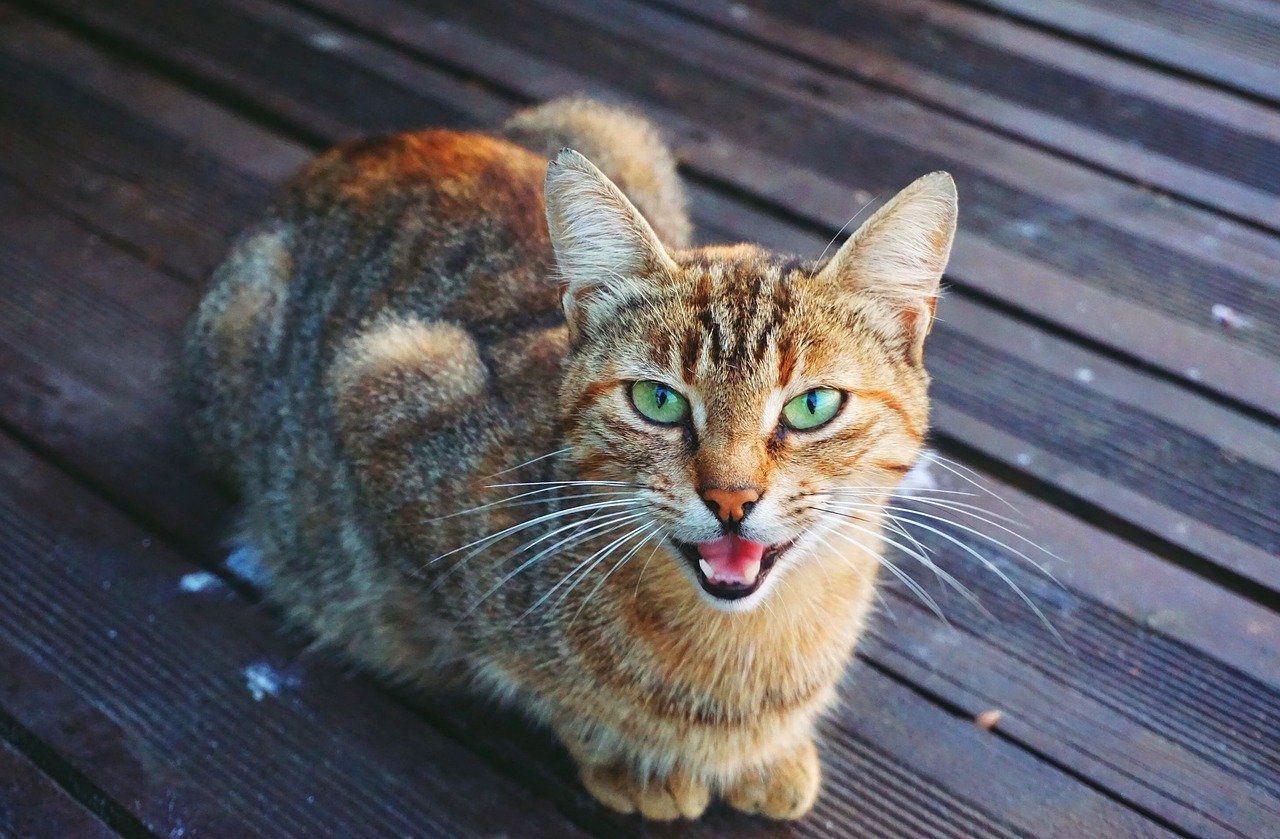
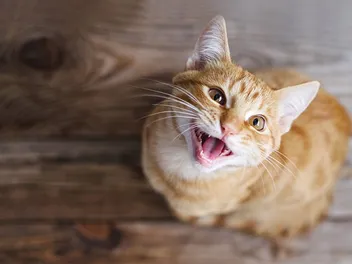
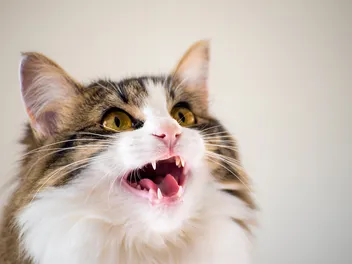
Your cat’s meow can have many different motives, and there is usually no reason for concern. Cats will meow when they’re hungry, full, happy, sad, and everything in between, and this sound is used to convey their emotions and intentions to their owners and other cats.
Yowling, on the other hand, is one of the strangest and often most alarming sounds that your cat will make, and while they often make this sound for some of the same reasons as meowing, there is occasionally a more serious reason. In this article, we’ll look at 10 common reasons that your cat meows and yowls and what exactly they may be trying to say.

The 10 Reasons Why Cats Meow & Yowl
1. Boredom
Cats require a great deal of physical and mental stimulation on a daily basis (in between their excessive napping!), and if they are not getting this, they can quickly become bored. Yowling or meowing excessively may be an indication of boredom or frustration. This is especially common if you have an indoor-only cat, as it takes some more imagination and effort to provide an indoor environment that sufficiently stimulates them.
Consider providing more entertainment for your cat, like cat trees, toys, and scratching posts, or if possible, try and let them outside on a lead for a few supervised hours a day if it’s safe. Building a secure and enclosed catio is another option. Also, regular interaction and play with your feline friend are essential.

2. Hunger
“I’m hungry!” This is one of the most common reasons that your cat may be meowing or sometimes even yowling, and while it may seem obvious, your cat may just be asking you for food or a tasty snack. A hungry cat has a simple solution, and if they’ve had plenty of food and are still yowling or meowing, there is obviously another reason for it.
3. Attention
Just like when they’re hungry, cats know how to get what they want and will often meow or even yowl when they want attention and interaction from their owner. While most cats are aloof at the best of times, some cats love interactions with their owners and will demand it when they feel the need. If you have been away at work all day or busy at home, they may just be reminding you to give them needed attention! They may be greeting you when you arrive, or if they’re by a door, asking you to let them out for the toilet if that’s what they usually do.

4. Pain and Illness
Cats are known for instinctively hiding when they are sick or in pain, although they will often yowl or meow excessively when in pain, be it a medical condition like arthritis or an injury. If your cat is full and getting plenty of stimulation and attention but is still yowling, or they have started yowling suddenly out of nowhere, there is likely an underlying injury or illness.
Do a thorough check of their paws, claws, legs, eyes, and ears, and if you cannot find any obvious injuries, it’s a good idea to take them to a vet for a checkup to make sure there are no hidden injuries or an underlying illness that is causing the vocalization.
Some of the conditions that may cause your cat to meow more than usual or even yowl are kidney disease, urinary issues, high blood pressure, overactive thyroid, wounds and fractures, and blood clots due to heart disease. The last one causes excruciating pain to your cat and inability to walk, usually dragging their back legs, and occurs very suddenly without any pre-warning. This is an emergency.
5. Breeding
Breeding season is a sure time for excessive yowling or meowing, and if your cat is not spayed or neutered, they will often yowl to attract a mate. Males may also yowl when they sense there is an in-heat female around and cannot get to her, resulting in a chorus of noisy felines! These noises can often be disturbing at worst and highly annoying at best but are perfectly normal during breeding season and are nothing to be concerned about.
Consider spaying or neutering your cat to stop it from happening and to avoid any unwanted pregnancies or your cat escaping in search of a mate. This way, there is less of a chance that they get injured, get into a fight or a road traffic accident, or contract infectious diseases from other cats. This is all easily prevented with neutering or spaying.

6. Danger
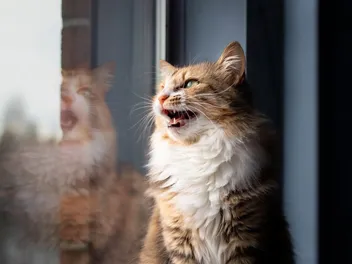
Cats (intact males, in particular) can be highly territorial, and the presence of other cats around their home can cause them to act defensively. They will often yowl, growl, and meow in the presence of rival cats, dogs, or other animals that pose a threat to them. Some cats may even see small birds or mice outside the window and yowl at them territorially or maybe just from the frustration of not being able to hunt them!
7. Anxiety
Just like humans and dogs, cats can suffer from anxiety and may yowl or meow excessively as a sign of this pent-up anxiety. This could be caused by many reasons: moving to a new home, a new pet in the home, loneliness, or even strangers around the house. In general, cats do not like change, and excessive yowling may be due to a large change that has occurred in their life. Be sure to give them loads of attention and secure hiding spots with plenty of privacy, treats, and interaction during this time to make them feel more at ease.

8. Aging
Increased vocalization—namely, meowing and yowling—is common as cats get older, and senior cats can become notoriously noisy. As cats get older, they begin to have a decrease in cognitive function, which can be displayed in numerous ways, like increased vocalization, uncommon sleeping patterns, and strange behavior. They can also begin to feel more anxious and attention-seeking and may be in more pain due to age-related diseases, all of which can cause an increase in meowing and yowling.
9. They Want Out (or Back In)
If you have a cat that spends most of its time outdoors during the day and is inside at night, they may be feeling tired and simply be asking to be let indoors. The reverse is also common, and indoor cats may have a desperate desire to go outdoors, causing them to yowl and meow until they get what they want!
Consider installing a cat flap or enriching their time indoors to make them feel more stimulated. If your kitten or young cat spends any time in their crate, they may meow and yowl when they want to get out. Make sure your cat doesn’t spend too much time in a crate, as this will lead to frustration and stress.

10. Behavioral issues
If nothing seems abnormal health-wise and the vet has given your cat an all-clear (your cat is not in heat, hungry, in pain, stressed, or getting on in years) there may be a behavioral issue at hand. This could be triggered by many different things, like stray cats at the window or obsessive and attention-seeking behavior of some sort. Most of the time, this excessive yowling can be linked to one of the above factors. Keep a log of when your cat is vocalizing for seemingly no reason to see if you can find out why, but do consult with a vet and a feline behaviorist.

Additional Information

Final Thoughts
There are a host of reasons that your cat may be yowling and meowing, and in some cases, this is perfectly normal behavior and nothing to be too concerned about. Sometimes, however, there may be a more serious issue at hand, and a trip to the vet for a checkup is necessary. Hopefully, our list of common reasons for yowling and meowing has helped you understand the behavior better so you can give your feline everything they need!
You might also be interested in:
Featured Image Credit: andreeastate14, Pixabay
Expert cat care, straight to your inbox
News, insights, and useful advice, delivered to you.

No spam — unsubscribe anytime.
By signing up, you agree to our Terms & Conditions and Privacy & Cookies Policy.
How useful was this post?
Click a star to rate. You can leave written feedback afterwards. (We read all feedback.)
Christian started writing for a local newspaper as a teenager, and he's been involved in the publishing industry for most of his adult life. Combining his love of writing with a passion for animals, he is currently the Director of Editorial at Pangolia and the Editor-in-Chief at Catster.
Christian lives in the Philippines with his wife, son, and four rescue cats: Trixie, Chloe, Sparky, and Chopper.