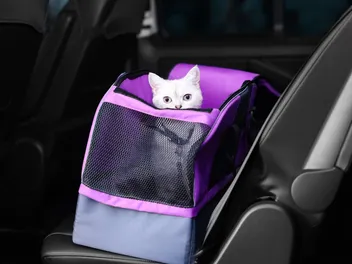
How Long Can My Cat Stay in Their Crate? Vet Reviewed Safety Guide


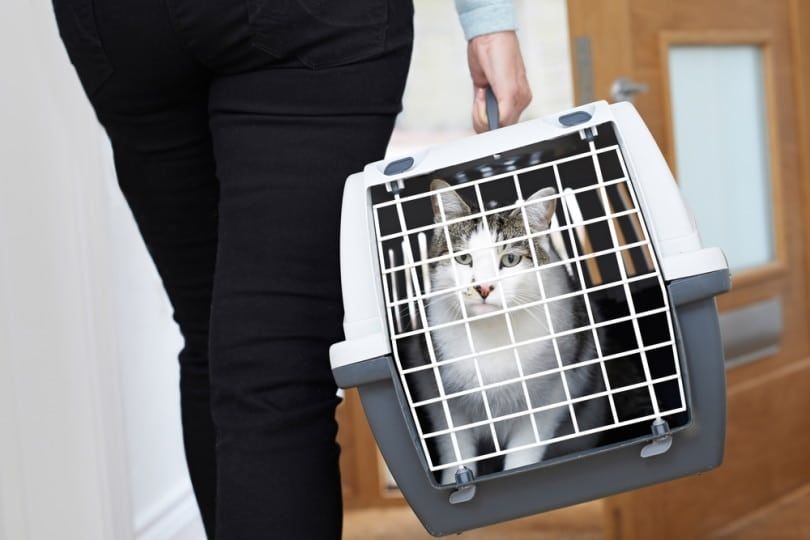
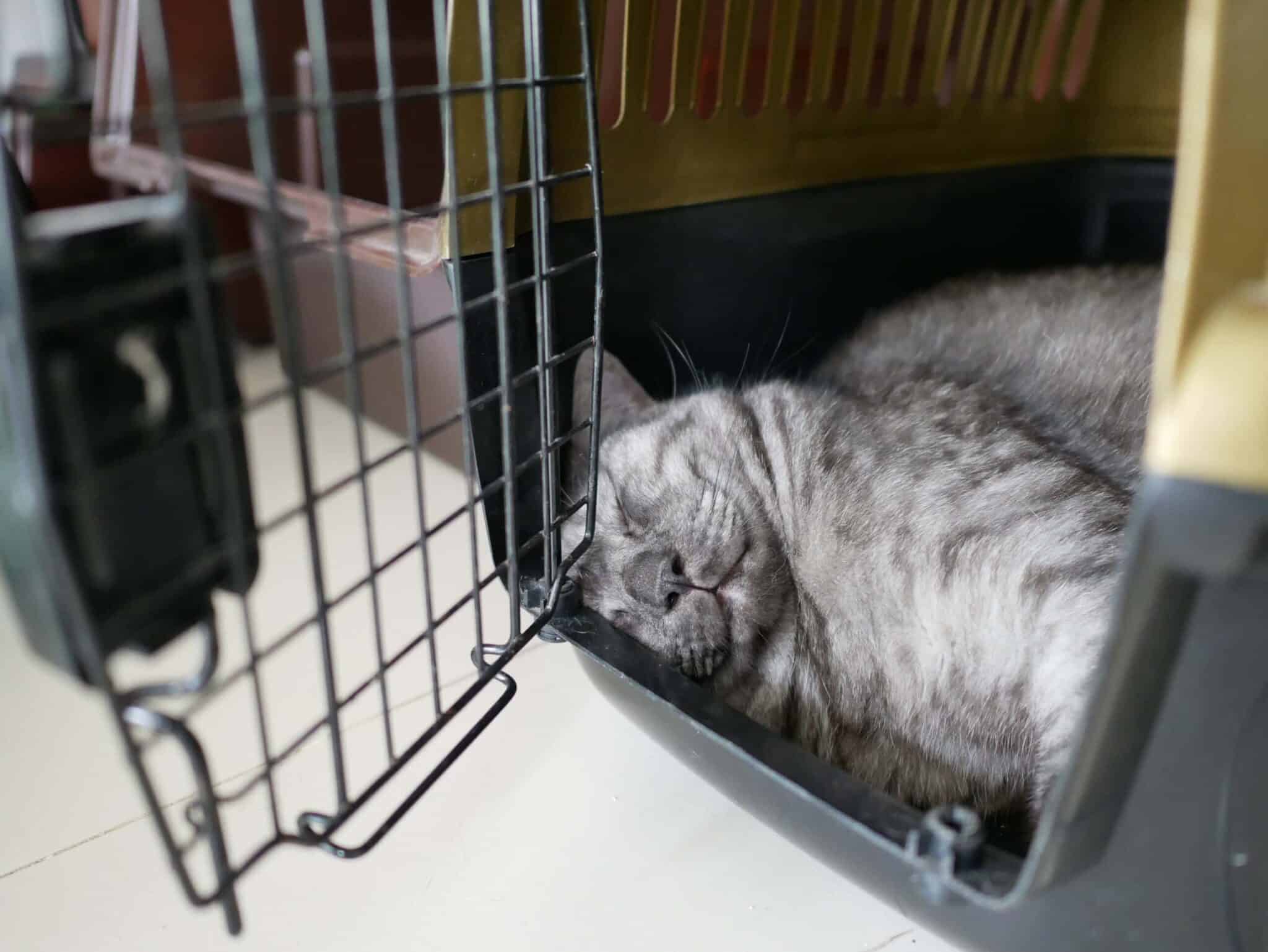
Cat fanatics know too well that their beloved felines can become real monsters at night and wreak havoc in the house. This makes the idea of putting them in a crate quite tempting. However, you should be aware that keeping a cat in a crate for long periods can be detrimental to their well-being. When you really need to confine your kitty, make sure it’s only for their welfare or has been recommended by your veterinarian.
Unlike dogs, crate training is not considered appropriate for cats. Read on to find out what vets and feline experts say about cats and crates, along with a few tips for getting your cat used to their crate.

When Should You Put Your Cat in a Crate?
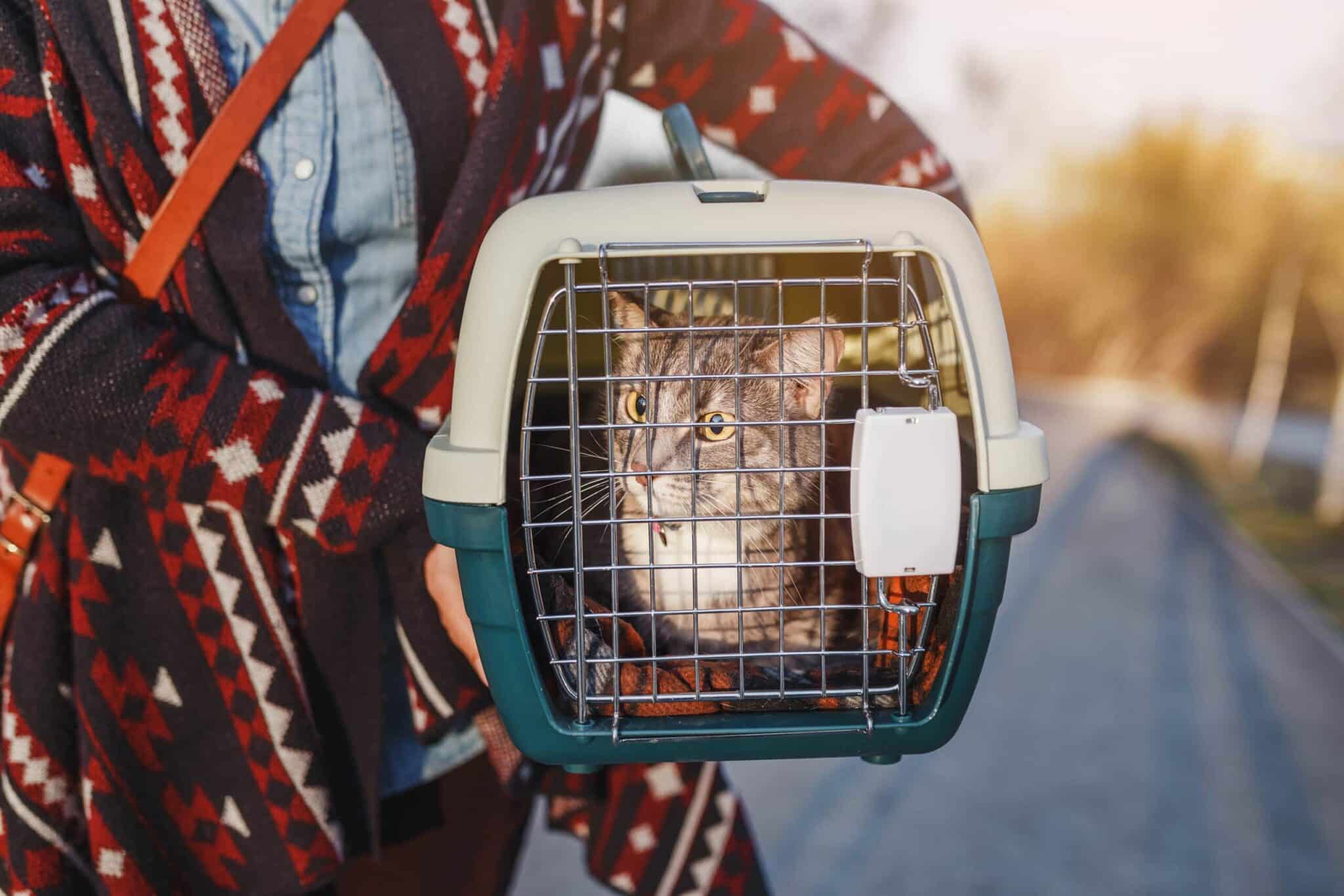
There are several situations where it may be preferable or necessary to crate your cat:
Why Cats Shouldn’t Stay in Their Crates for Extended Periods

Since felines are ferocious predators trapped in tiny bodies (or so they think!), they need space to jump, stretch their paws, explore their surroundings, and hunt invisible prey.
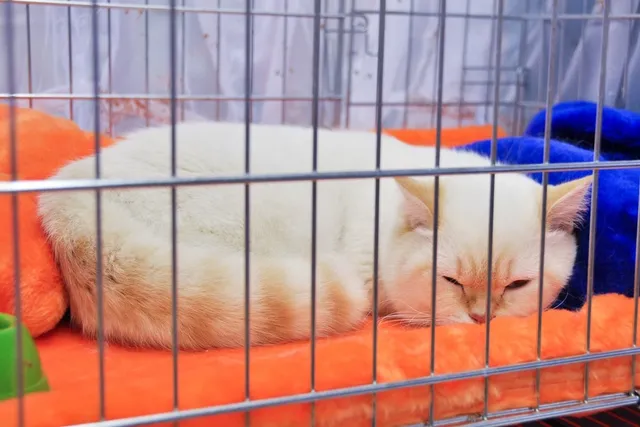
Keeping a mischievous and active kitty in a crate for an extended period can lead to fear, frustration, boredom, stress, and anxiety. Some cats may even show signs of distress when confined for too long, such as:
- Intense vocalization
- Pacing
- Urinating/defecating
- Trying to escape
- Salivating
- Rapid continuous movement
Cats need daily exercise, interaction, and attention to thrive and be healthy. Confining your cat to their crate for more than a short period is likely to harm their physical and emotional well-being. That's why teaching your feline friend to view their crate as a safe, warm, and cozy haven is essential.
Crate Training Tips for Cats

With patience and positive reinforcement, your cat can learn to enjoy—or at least tolerate—being in their crate.
The following tips should help:
Bottom Line
It may be appropriate to use a crate to transport your cat or for short-term confinement. However, your pet may become anxious and stressed when left in their carrier for too long. Remember that even though felines seem more independent than their canine counterparts, there's no reason to leave them alone in their cage for extended periods.
Featured Image Credit: SpeedKingz, Shutterstock
Expert cat care, straight to your inbox
News, insights, and useful advice, delivered to you.

No spam — unsubscribe anytime.
By signing up, you agree to our Terms & Conditions and Privacy & Cookies Policy.
How useful was this post?
Click a star to rate. You can leave written feedback afterwards. (We read all feedback.)
Genevieve is both a biologist and a science writer, driven by her deep love for capuchin monkeys, pumas, and kangaroos. Her dedication to wildlife has taken her across the globe, from Bolivia and Guatemala to Canada and Australia, working and volunteering at various rehabilitation centers. As a Canadian living in Argentina, Genevieve starts her days with horses and cows greeting her from the plains outside her home office. She is the proud parent of three rescued dogs—Lemmy, Nala, and Pochi—and an energetic kitten named Furiosa. The opportunity to share her passion and expertise in animal care brings her great satisfaction.