Why Is My Cat’s Meow Weak and Raspy? 6 Vet Verified Causes


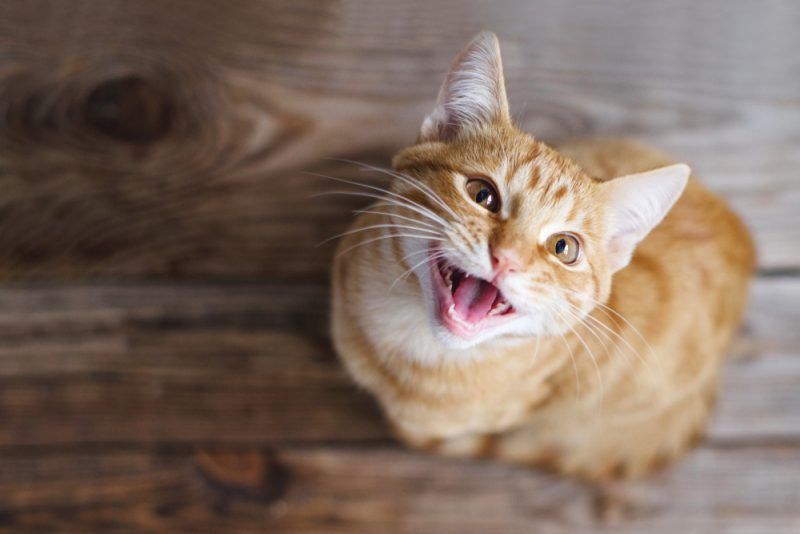
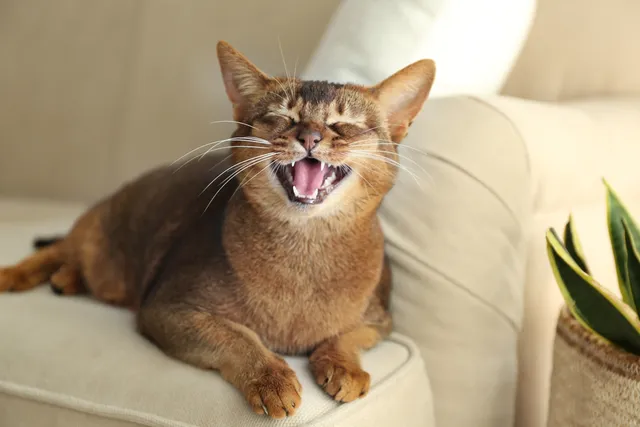
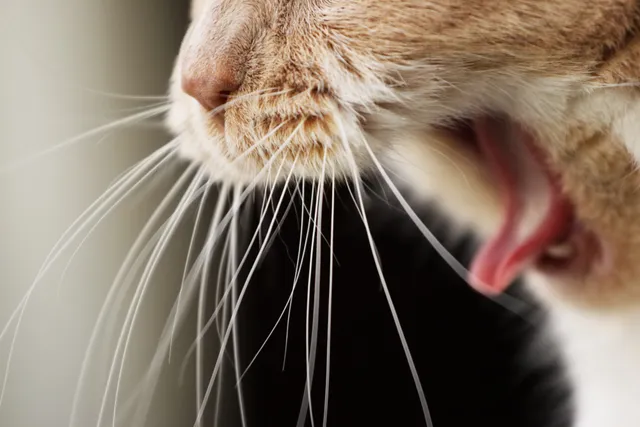
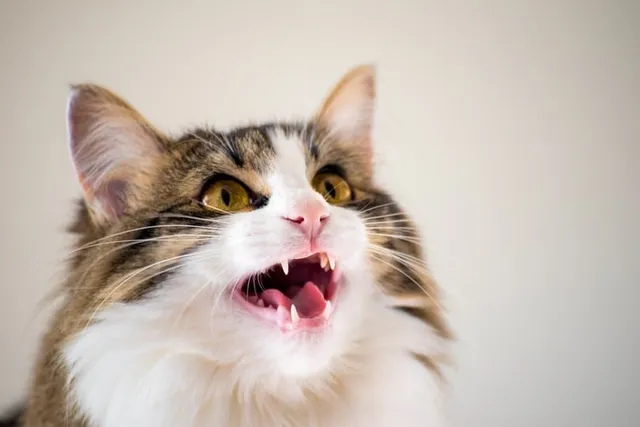
A weak or raspy meow coming out of your cat can be alarming. If your cat’s meow sounds different, it may be due to a serious medical issue. While some reasons for the raspy meow may not be serious, and the issue will clear up on its own, other times, you’ll have to bring your cat to the vet for treatment.
Here are six common reasons cats can suddenly have weak, raspy, or otherwise different meows and what you can do about it.

The 6 Common Reasons for a Weak or Raspy Meow
Determining why your cat’s meow sounds so different is important to treat your cat effectively. Cat laryngitis occurs when the cat’s larynx is inflamed from irritation or infection. Here are six common reasons for cat laryngitis and why your cat’s meow can suddenly sound hoarse.
1. Upper Respiratory Infection
Upper respiratory infections are viral or bacterial infections of the nose and throat. They can cause a weak, hoarse, raspy, or otherwise changed meow from your cat. These infections also cause other signs, including nasal or eye discharge, nasal congestion, sneezing, lack of appetite, and lethargy.
This infection is highly contagious to other cats, and if you have a multi-cat household, you’ll want to quarantine the sick cat immediately. It’s best to bring your cat to the vet for treatment. If the infection is bacterial, you’ll be prescribed antibiotics. If the infection is viral, the vet will treat the signs with other medications, including anti-inflammatory drugs and decongestants.
If you have any concerns or curiosities about your cat or their health, we recommend you contact a vet directly.
2. Overusing Their Voice
If your cat has been yowling loudly for an extended period or meowing incessantly because of a stressful situation, they could strain their vocal cords. If your cat was recently distressed or went through a traumatic period, such as being separated from you, they could have meowed the whole time, causing them to have a raspy voice now. Once your cat stops meowing, the condition can remedy itself.

3. Nasopharyngeal Polyps
If your cat's meow has become raspier over time, they could have nasopharyngeal polyps. The polyps occur in your cat’s ear. As the polyps grow, they reach down the tube that connects the ear to the back of the throat. The polyps affect your cat’s voice and their breathing.
They can obstruct airflow, and your cat may sound like they are snorting as they try to breathe. You may also notice nasal discharge and increased sneezing if a secondary infection develops. Affected cats may paw at their ears or shake their head.
If you notice these signs and a raspy meow, take your cat to the vet for treatment. Surgery to remove the polyps is the most common treatment, but anti-inflammatory medications may be used instead, depending on the severity of the condition.
4. Trapped Foreign Body
If your curious cat likes to chew household items, they may have something stuck in their throat. Cats can swallow bits of string, pieces of toys, fabric, or ribbon, and they can become lodged in the throat. This can make it difficult for your cat to meow, so the sound becomes weak.
Take your cat to the vet if you notice coughing, retching, refusing to eat, or straining with a weakened or hoarse meow. If an object is in your cat’s throat, the vet can remove it, usually using forceps. Don’t try to remove the object yourself since you could potentially lodge it farther down the throat.

5. Hyperthyroidism
Hyperthyroidism in cats occurs when the thyroid glands produce too much of the thyroid hormone and speed up the cat’s metabolism to an unhealthy rate. This can cause a raspy meow because the thyroid glands become swollen. The enlarged glands can affect the trachea and larynx, making the voice sound hoarse.
You may also notice your cat’s coat becoming dull and unkempt. No matter how much your cat eats, they act like they are starving and continue to lose weight. They may become more vocal, especially at night, yowling with a raspy meow.
If you notice any of these signs, take your cat to the vet for bloodwork to determine if they have hyperthyroidism. The condition can be treated with medication that your cat will have to remain on for the rest of their life.
6. Laryngeal Nerve Paralysis
Laryngeal nerve paralysis is a condition that affects your cat’s voice. It can also lead to a narrowed windpipe, making breathing difficult for your cat. In severe cases, a complete blockage occurs, and your cat will suffocate. In the early stages, you’ll notice that your cat’s breathing becomes more labored.
They may pant, even while resting. A hoarse, raspy voice is a critical sign that this may be occurring. If you notice that your cat's meow is raspy, along with panting and having a dark-red or purple tongue, labored breathing, panicked behavior, or a reluctance to be touched, bring your cat to the nearest emergency veterinary hospital.
Vets can stabilize the cat and help them breathe. Your cat may need to be intubated to get more oxygen into their lungs. This condition won’t clear up, but surgical options are available to help your cat recover.

Final Thoughts
A change in your cat’s voice can be scary, and while you shouldn’t panic, you should always take it seriously. There is a cause for it, and some of the causes can be serious.
If you notice that your cat is showing symptoms of other conditions in addition to having a weak or raspy meow, take them to the vet right away for treatment. Prompt treatment is the best chance for your cat to make a full recovery.
See also:
Sources
Featured Image Credit: savitskaya iryna, Shutterstock
Expert cat care, straight to your inbox
News, insights, and useful advice, delivered to you.

No spam — unsubscribe anytime.
By signing up, you agree to our Terms & Conditions and Privacy & Cookies Policy.
How useful was this post?
Click a star to rate. You can leave written feedback afterwards. (We read all feedback.)
Jessica is a lifelong resident of Chicago who has shared her home with furry, feathered, and scaly pets for over 30 years. Animal enthusiast since childhood Jessica owned and operated a pet care company. Nowadays, Jessica is a full-time writer who loves to explore all animal topics while contemplating the birds and squirrels enjoying the oasis of her backyard.