Why Is My Cat Eating Cat Litter? 10 Vet-Reviewed Reasons


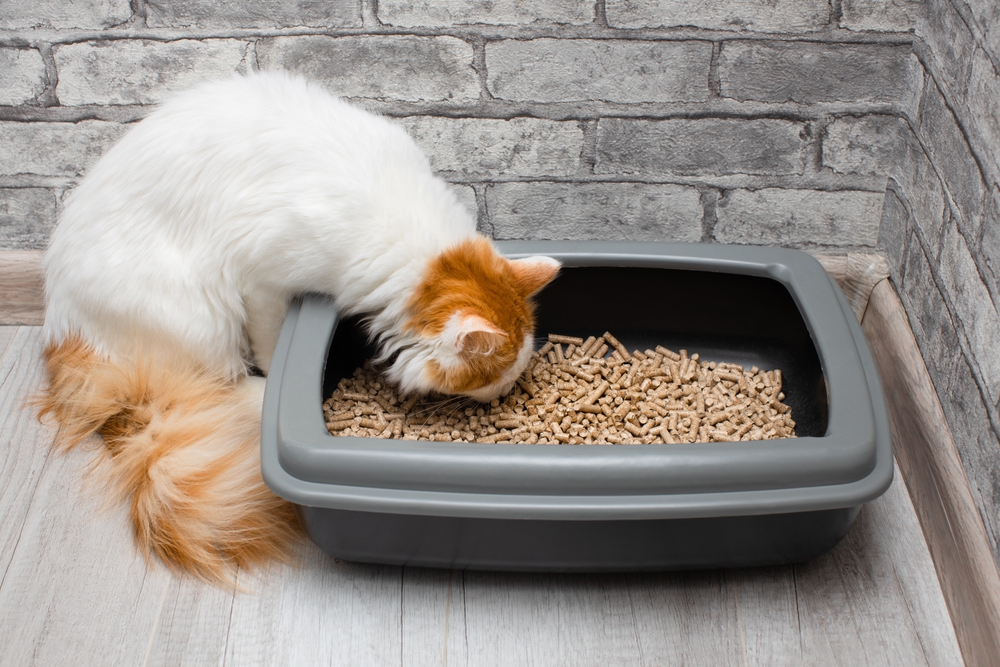
Cats are capable of doing many things that leave us feeling bewildered and scratching our heads. It’s often challenging to figure out if something that’s strange to us is actually normal for cats.
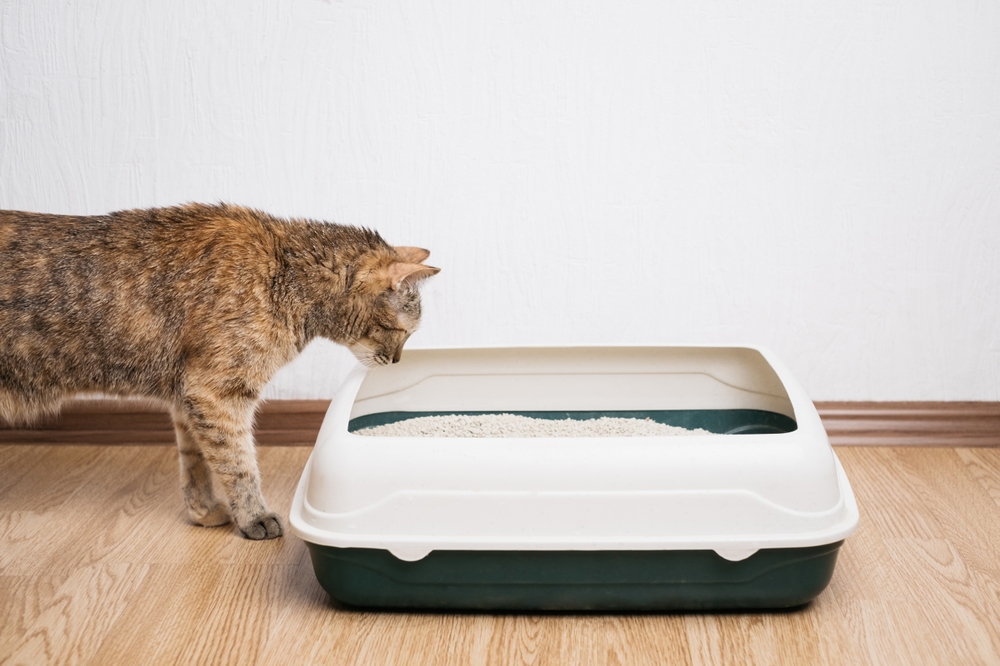
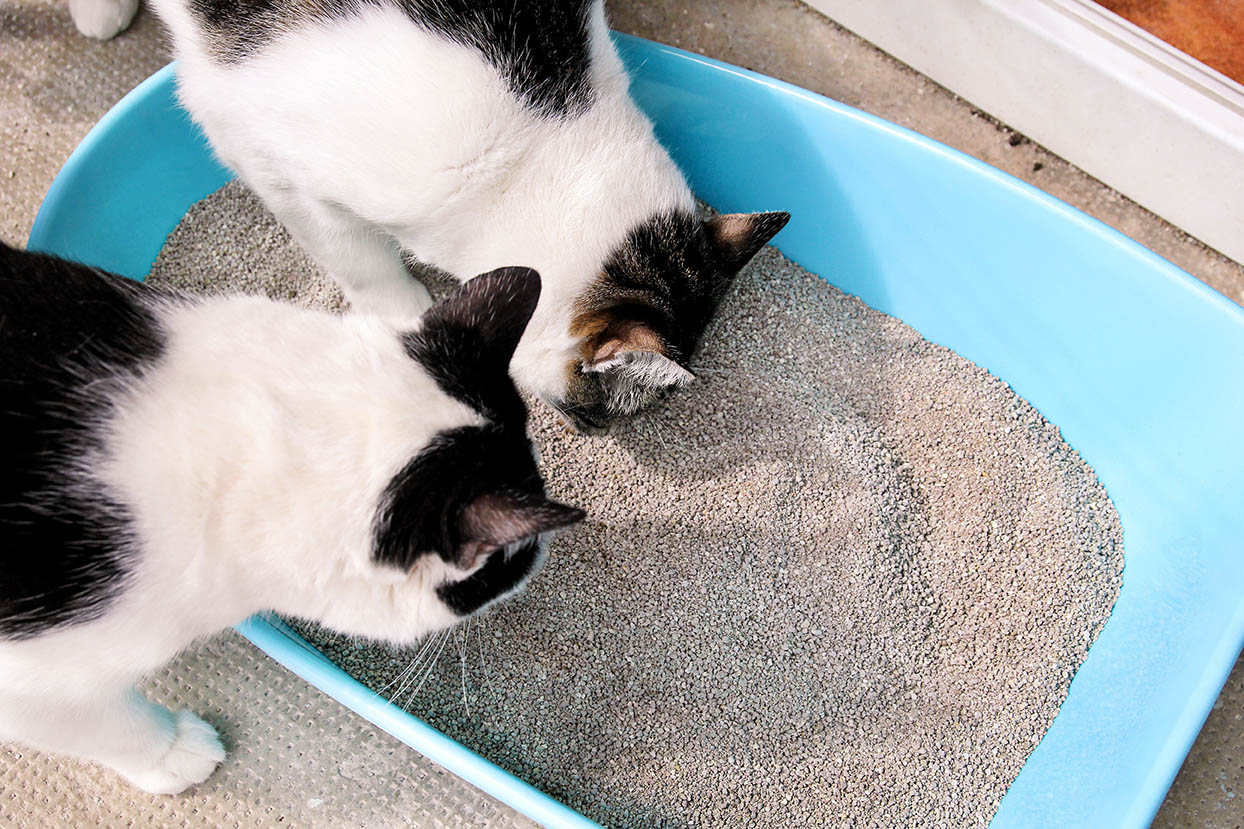
When it comes to eating cat litter, we can safely say that this isn’t normal behavior no matter how much your cat tries to make it seem normal. Eating cat litter is often associated with an underlying health issue that requires medical attention. Here are a few possible reasons why your cat may be eating cat litter and what you can do to help them stop this behavior.

The 10 Reasons That Cats Eat Cat Litter
1. Pica
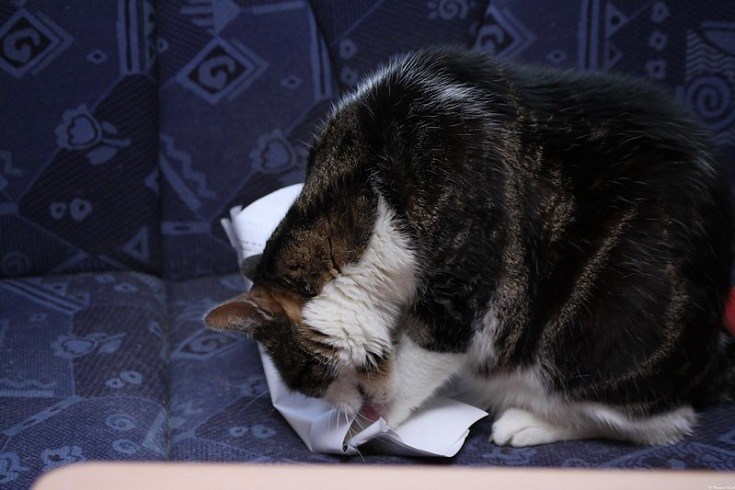
Pica refers to a condition where cats will chew or eat inedible materials and objects. Cats with pica are known to eat items like cardboard, plants, soil, and wood. They may also develop a habit of eating cat litter.
Pica can be caused by a variety of factors, it can be seen as a sign of an underlying medical condition or it can be a behavioral problem. Some medical conditions that have been linked to pica include endocrine diseases, gastrointestinal diseases, and parasitic infections.

2. Dietary Deficiency
Sometimes, cats can start to eat cat litter and other materials due to a nutrient deficiency. They do this in an attempt to compensate for any essential nutrients that they lack in their daily diet. Therefore, it’s important to seek advice from your vet and ensure your cat is eating high-quality cat food and eating appropriate portions. Making healthy adjustments to their diet may put an end to your cat’s litter-eating habit.
3. Anemia
Anemia can be related to nutrient deficiencies, in particular iron deficiency, so some anemic cats may start to eat cat litter. Riboflavin, vitamin B12, and niacin deficiencies can also cause anemia.
Other signs of anemia include low energy, little stamina, pale gums, and lethargy. After a cat has been restored to health and any nutrient deficiency has been addressed, the cat litter-eating behavior usually goes away.
4. Curiosity
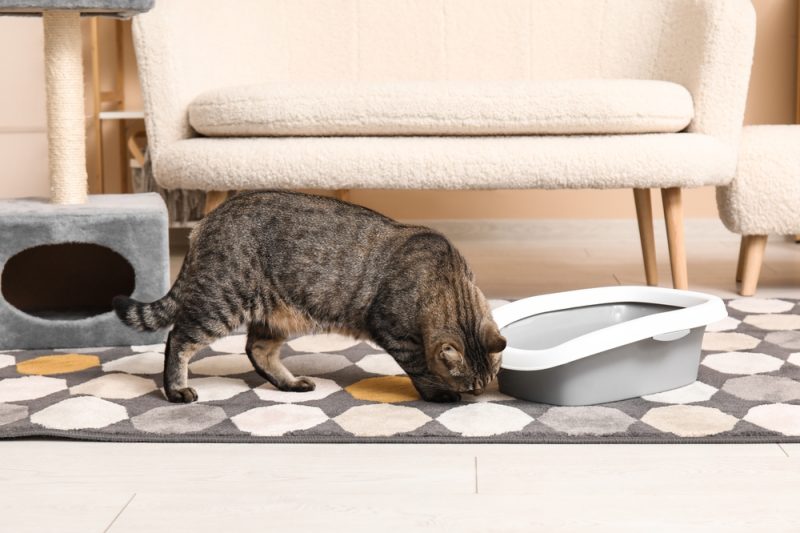
Cats are curious animals, so they might just be interested in playing with and tasting cat litter. Cat litter may feel fun or have a unique texture that cats want to taste. In most cases of curiosity, your cat will usually taste cat litter a couple of times before they become disinterested. So, if your cat continues to eat cat litter on multiple occasions, it’s safe to say that it’s not because they’re curious about it.
5. Flavor
Sometimes, cats can enjoy the flavor of their cat litter and develop a liking for it. This usually happens when their cat litter is made with natural materials like grass, wheat, or corn husks.
If your cat likes the flavor of their cat litter, you can try switching to another cat litter that’s made with a different material. You can also try providing them with cat grass as a safe alternative.
6. Coprophagia
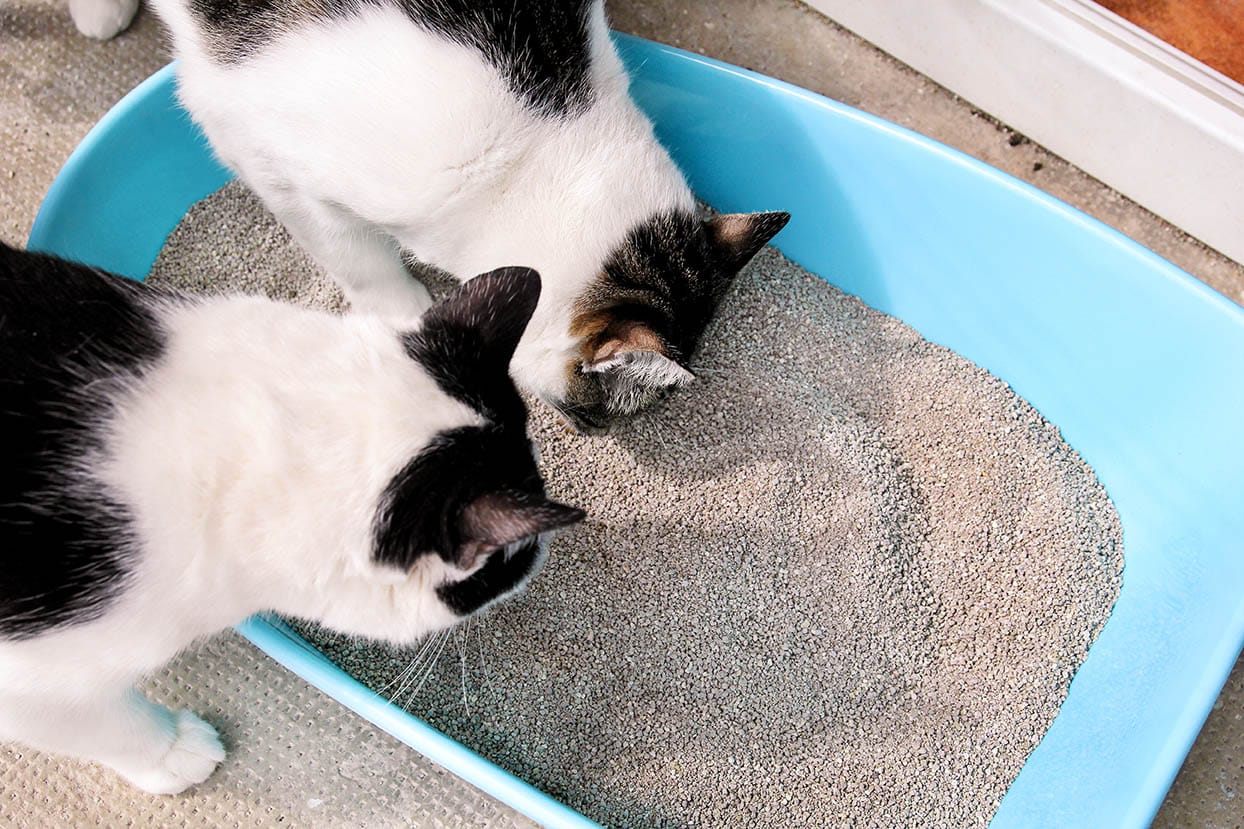
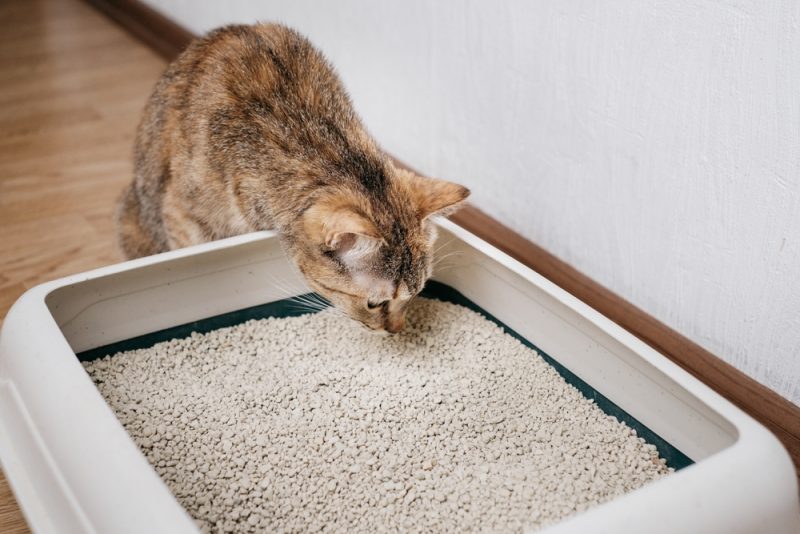
Coprophagia refers to a condition that causes cats to eat their own feces. Cats with coprophagia may look like they’re eating cat litter, but they’re actually eating their own poop.
Coprophagia is often a sign of another underlying health condition, such as malnutrition, colitis, or dementia. Therefore, it’s important to get your cat your veterinarian if they start to eat their own poop.
7. Boredom
Cats who feel bored or stressed out may resort to eating cat litter. Eating litter may be a way for bored cats to feel stimulated, or it may be a habit that cats develop when they’re feeling stressed out or anxious.
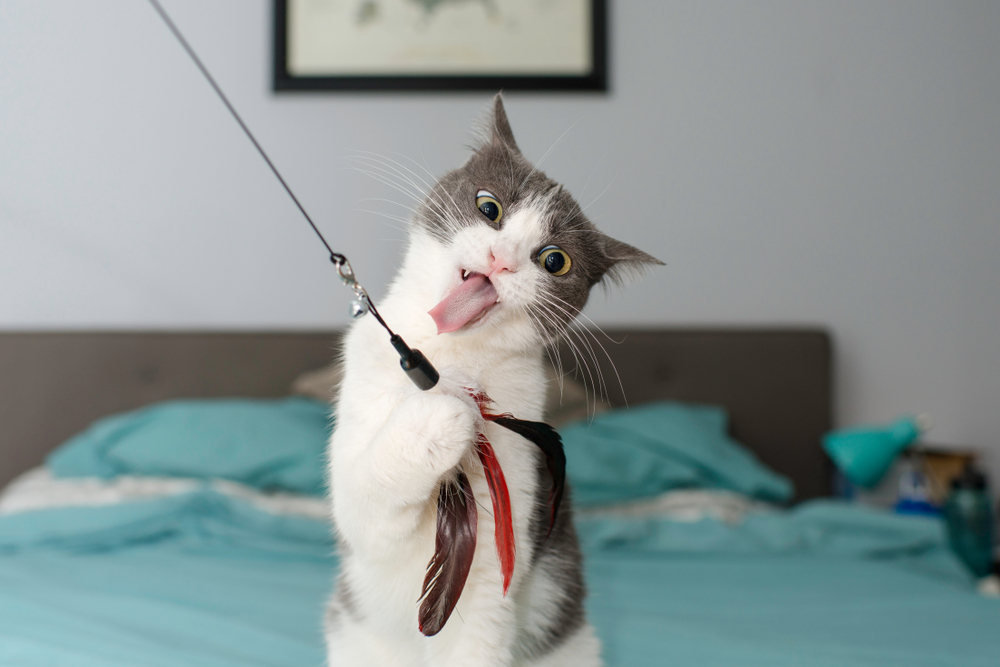
Ensuring your cat gets enough exercise and playtime can help alleviate boredom. Providing mentally stimulating activities like treat dispenser toys can also prevent boredom. Alleviating boredom can cause your cat’s litter eating habit to go away on its own.

8. Hyperthyroidism
Sometimes, cats with hyperthyroidism may start to eat cat litter. The high levels of thyroid hormone can increase a cat’s appetite and metabolism, which can lead them to eating inedible objects like cat litter.
Hyperthyroidism is the most common endocrine disease in cats, and it’s most prevalent in older cats. Other signs of hyperthyroidism are weight loss, drinking more than usual, poor body condition, and an enlarged thyroid gland.
9. Brain Tumors
Brain tumors are a rare type of cancer and an uncommon cause of a cat eating litter. However, brain tumors can affect a cat’s behavior depending on their location and it’s possible for them to increase hunger.
Older cats who are over 10 years old have a higher risk of developing a brain tumor.
10. Intestinal Parasites
It’s not entirely clear what the link between intestinal parasites and pica is, but some cats with intestinal parasites, such as worms, will also develop pica. Cats may become continuously hungry, which can cause them to start eating inedible items.
Treatment will vary since there are different types of intestinal parasites. Once your cat is free from an intestinal parasite infestation, their pica also usually goes away.

Is It Safe for Cats to Eat Cat Litter?
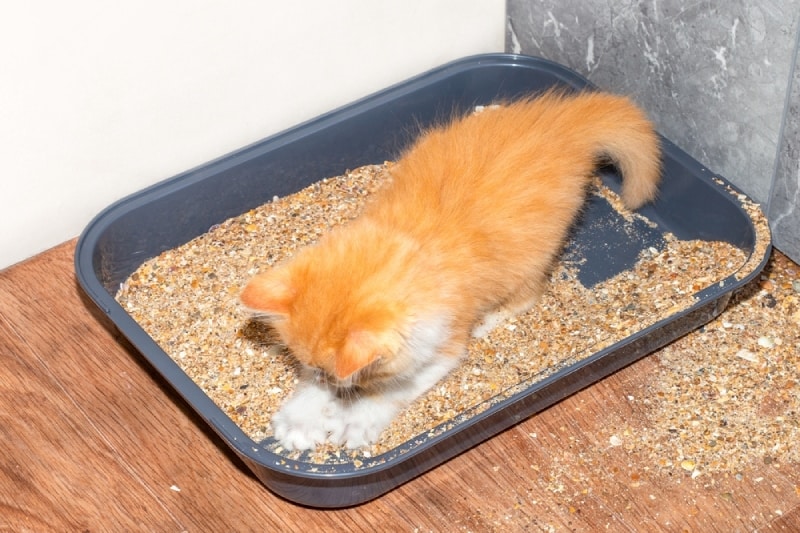
It’s not safe for cats to eat cat litter, so it’s important to find effective solutions to prevent them from eating it. Some cat litter isn’t safe for consumption and can cause intestinal blockages. Clumping clay litter and silica litter are both types of cat litter that are particularly unsafe for consumption. It’s usually okay if a small amount gets in your cat’s mouth, but eating large amounts will cause complications in the gastrointestinal system.
Eating cat litter is also unsanitary. Ingesting parasites and bacteria from dirty cat litter can lead to gastrointestinal problems.

How to Prevent Cats from Eating Cat Litter
The first step to preventing your cat from eating cat litter is to take your cat to your veterinarian. Since eating cat litter is often associated with a medical issue, it’s important to get your cat in for a physical exam. Your veterinarian may also run diagnostic tests to find the reason behind your cat’s litter-eating behavior. If your veterinarian finds a diagnosis, they’ll be able to provide a treatment plan to help your cat return to good health. In many cases, cats will stop eating cat litter once they’ve gotten better.
If your cat continues to eat cat litter, try switching to a different brand or type of cat litter. This can make the cat litter less palatable to your cat and discourage them from eating it. Make sure to also play with your cat regularly and distract them with another activity if you find them going to their litter box to eat cat litter.

Conclusion
Cats can start to eat cat litter for a variety of reasons, but this behavior is often tied to a health issue. Therefore, it’s best to get your cat to your veterinarian as soon as possible if you notice that they’re starting to eat cat litter. Your veterinarian can help you understand what’s causing this behavior and how you can prevent it from occurring.
Along with getting your cat medical help, it’s important to ensure they’re living a healthy lifestyle that consists of a nutritious diet, adequate amounts of exercise, and mentally stimulating activities. Prioritizing your cat’s wellness can prevent them from eating cat litter and developing other unsafe or unhealthy habits.
Sources
Featured Image Credit: Oleg Opryshko, Shutterstock

Expert cat care, straight to your inbox
Vet-reviewed advice, behavior tips, and the best of Catster. Free, and you can unsubscribe anytime.
By signing up, you agree to our Terms & Conditions and Privacy & Cookies Policy.
Jessica is a freelance writer who spends most of her day researching and writing while her fluffy Cavapoo, Nora, naps beside her. She loves and appreciates pets and animals because there’s so much to learn from them, and they do so much for people. As a dog owner, she understands the special connection that pet owners form with their pets. She loves sharing helpful information that people can use to better understand their pets. When she’s not writing, you can find her walking dogs, tending to her plant babies, or drinking her nth cup of coffee.
Join the conversation
Ask a question, share your story, or send private feedback.