Ragdoll Cat Breed: Info, Pictures, Temperament & More
In this article
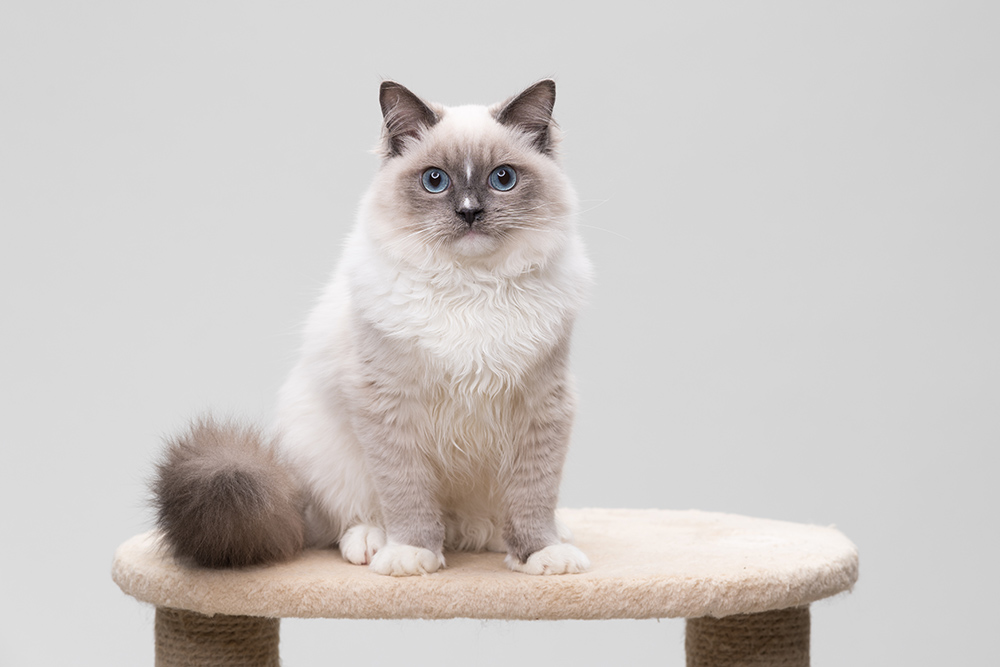
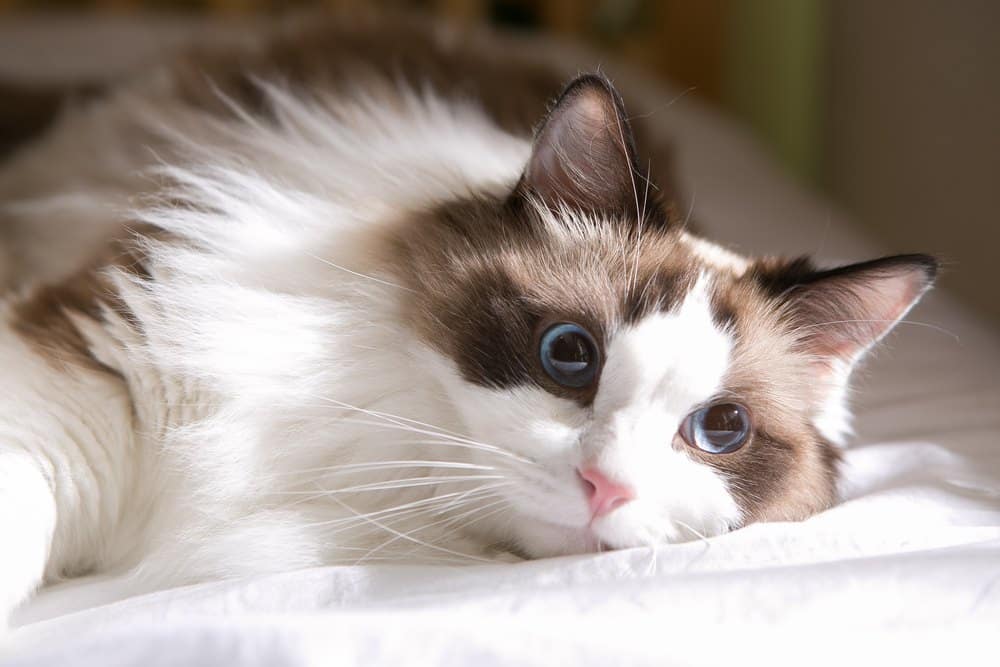
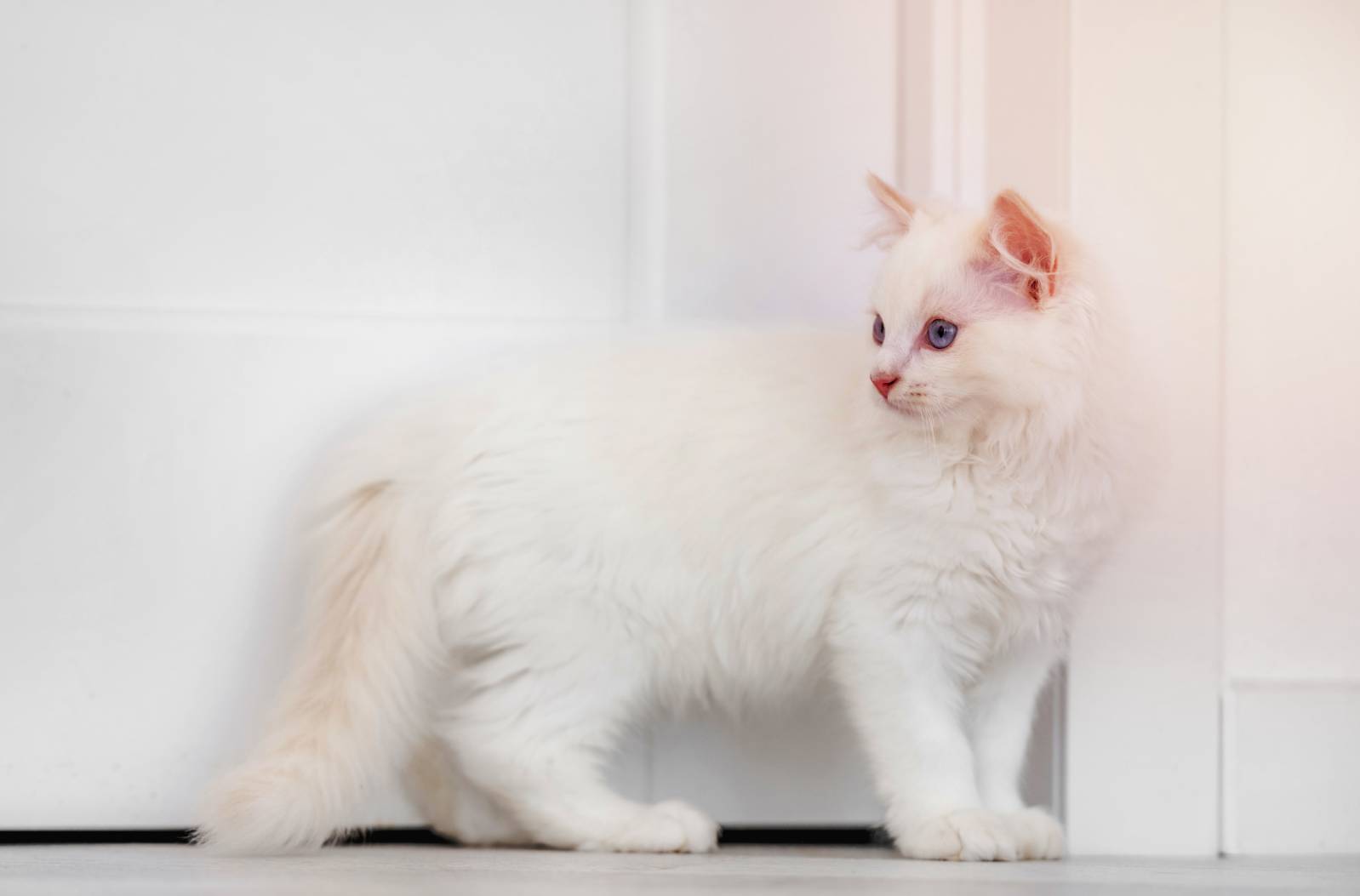
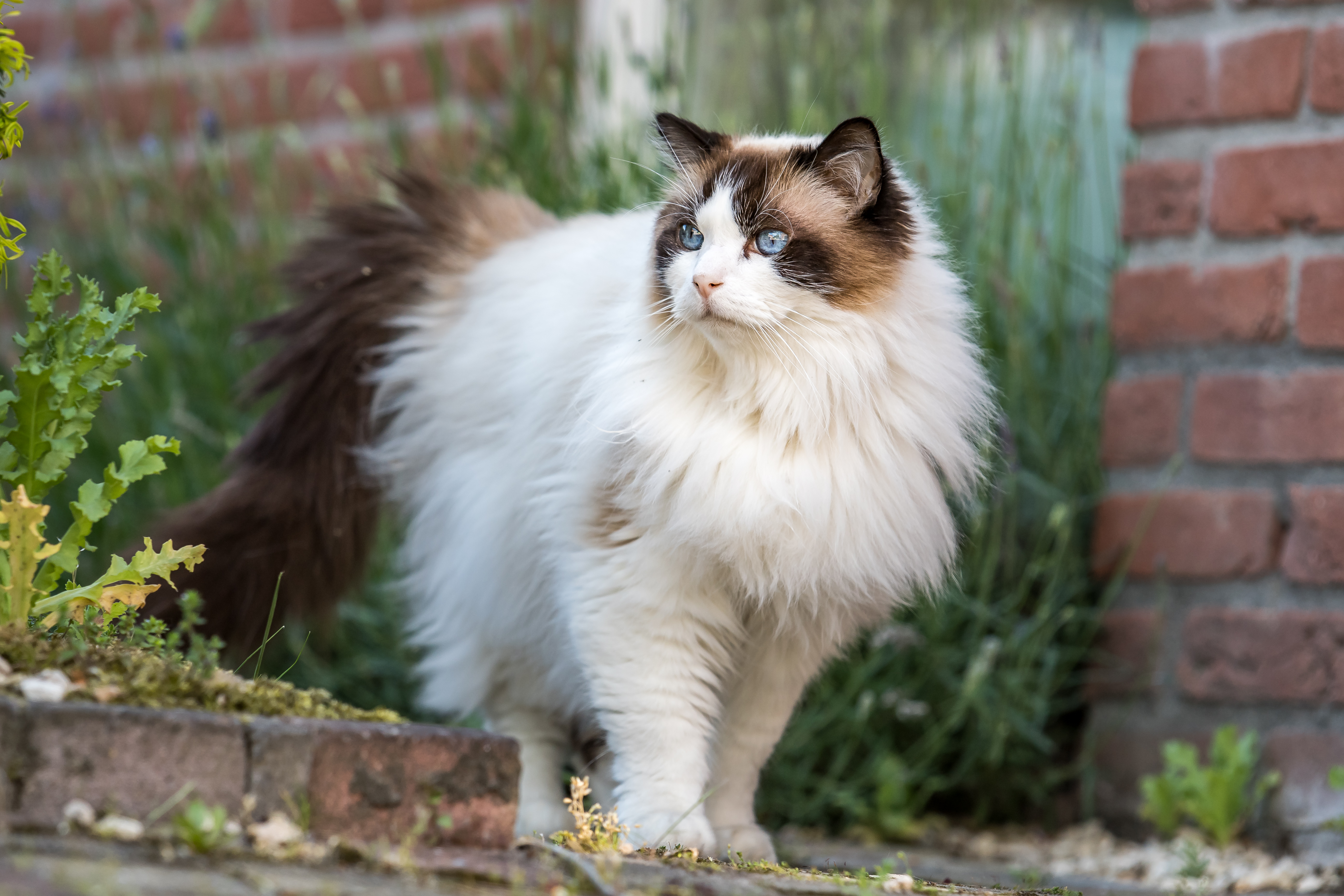
Ragdoll cats are most known for their tendency to “flop” when picked up (hence their name). They’re also rather large cats with exceptionally docile temperaments. They tend to be exceptionally cuddly with semi-long, silky fur. Simply put, they’re everything you need if you’re looking for a cuddly feline.
Keep reading as we dive into everything to do with Ragdoll cats from their characteristics to their temperament.
Breed Overview
Height:
Weight:
Lifespan:
Colors:
Suitable for:
Temperament:
Often, these cats are described as “puppy-like.” They love people and tend to follow their humans around the house, which isn’t usually considered very “cat-like” behavior. They’re exceptionally social and loyal. While they do need regular grooming due to their longer fur, they don’t shed much at all.
However, because they are purebred, they tend to suffer from health problems more than other breeds. Plus, there is also some controversy around their floppy tendency. Some breeders warn that some lines may be too docile for their own good.
Ragdoll Characteristics

Ragdoll Kittens

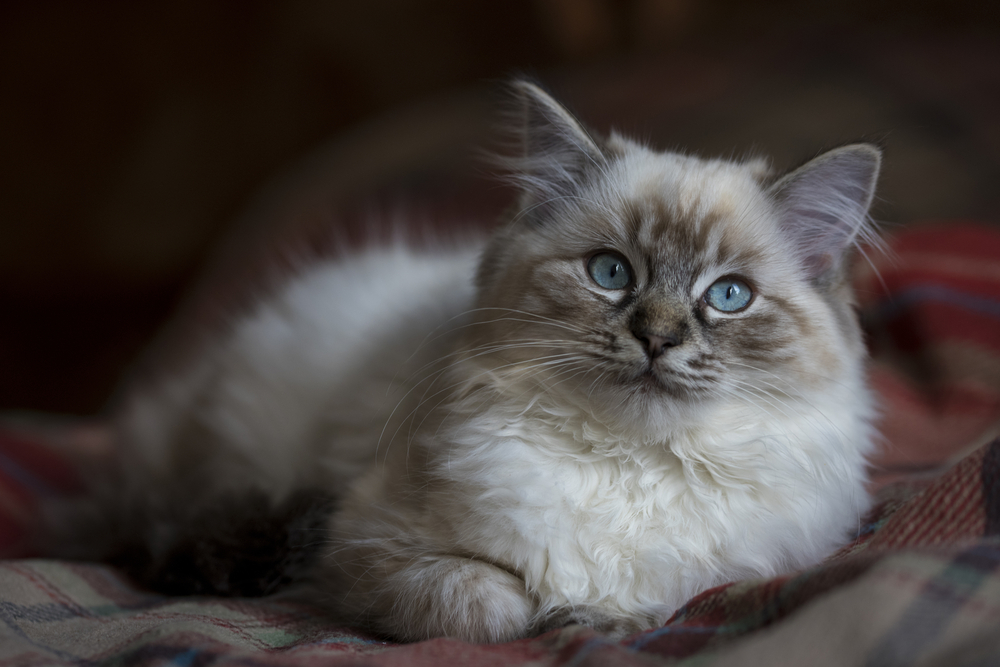
Ragdolls are an exceptionally popular breed, so finding a breeder usually isn’t difficult. However, you still must go to a breeder in most cases. Finding one of these cats in a shelter or adoption agency isn’t very likely. Most kittens are bred by breeders.
That said, it is important to purchase your kittens from a quality breeder. Sadly, some individuals try to make money off of this breed’s popularity and expensiveness by producing kittens in bulk, which almost always leads to them being sickly or not even purebred Ragdolls.
For the most part, Ragdoll kittens are just like any other kittens. Often, kittens “ragdoll” from a relatively early age and are born on the more social side.

Temperament & Intelligence of the Ragdoll 🧠
Ragdolls are known for their great temperament. In fact, most people purchase them because of their renowned temperament. They tend to be exceptionally docile and affectionate. Most just want to be cuddled all day and can withstand a lot of petting—which you can’t necessarily say is true for other breeds.
Their very placid dispositions make them perfect for homes with kids, as long as the kids are taught how to handle these cats properly from an early age. While many people love their friendliness, it also means that they have a high attention need. They function best when someone is home with them for much of the day. Otherwise, they can get lonely.
Ragdolls are known for following their humans around the house, seeking companionship. Be prepared for their extremely high attention needs before adopting one.
While these cats weren’t bred for their intelligence, they are typically considered above-average as far as their cognitive abilities go. This intelligence, combined with their people-oriented nature, makes them pretty easy to train. They can easily be trained to perform tricks and respond to their name, for instance.
Are These Cats Good for Families? 👪
Ragdolls are best known for being extremely cuddly and affectionate. They’re very people-oriented, which makes them great for many families. They tend to bond well with just about anyone and don’t tend to be fearful of children, especially with proper socialization.
Of course, individual cats can vary, even within the same breed. It’s important to properly train and socialize your ragdoll to ensure that they grow into an accepting, friendly cat.
Furthermore, you have to teach children in the family how to properly hold and pet these cats, too. They may “ragdoll” even when it isn’t in their best interest. This behavior puts them at a higher risk of injury by children (and dogs). Therefore, careful supervision with smaller children is required.

Does This Breed Get Along with Other Pets? 🐶🐱
Ragdolls are pretty adaptable and friendly, so they usually get along with other pets. However, individual temperaments can vary widely. These cats still must be properly socialized with the type of pet you want them to get along with. A ragdoll that has never spent much time with a dog will likely be fearful of them, even if this breed is technically friendly.
You also need to ensure that the two pets are introduced to each other properly. Simply throwing two pets into the same room and hoping for the best rarely works out in the long run. Instead, a gradual introduction is recommended.
As cats, Ragdolls still have some degree of hunting instincts. Therefore, you can expect them to chase smaller pets, and this behavior isn’t all that affected by socialization. They are still cats, even if they are very cuddly cats. We don’t recommend leaving them with animals they may see as prey, such as rabbits.

Things to Know When Owning a Ragdoll Cat
Food & Diet Requirements 🐡

Ragdolls do not have any specific dietary needs when compared to other cats. However, they do tend to be on the lazier side, so it’s important to watch their portion sizes carefully. Obesity in cats can be very problematic and lead to many health problems. Therefore, it’s vital that they stay at a proper weight, which may include adjusting their caloric intake.
Look for foods that include meat as the primary ingredient. Cats are obligate carnivores, so they must consume a diet of only (or nearly only) meat.
Cats also tend not to drink enough. In the wild, cats would get much of their fluid needs met by the prey animals they caught. In our homes, they may have a hard time meeting their hydration needs if only fed dry food for this reason. You may want to consider feeding your cat at least some wet food to help counteract this.
Consider your cat’s age when selecting food, too. Kittens should be fed a diet formulated for kittens, as they have particular dietary needs due to their rapid growth. Senior cats may need particular nutrition, as well. However, senior cat food isn’t much different from adult cat food, and the age at which each cat may benefit from senior cat food can vary widely.
Generally, if your feline is showing one or two age-related health problems, it may be time to get them on a senior cat food.
Exercise 🐈
Ragdolls are lazier than most. However, they still require exercise to stay fit and healthy. These cats tend to be exceptionally gentle and laid-back, which may prevent them from getting the exercise they need. Instead of running around and playing like most cats, they may just camp out on the couch.
You may need to engage in active play with them to encourage physical activity. Otherwise, they may quickly pack on the pounds. Feather wands, laser pointers, and toy mice can all help encourage play with a little bit of help on your end.
You can also invest in cat trees and scratching posts. A little bit of climbing and scratching can go a long way. Some cats even prefer scratching overplaying, and they may reach their exercise needs more easily in this way. Puzzle feeders can challenge your cat’s mind and give them a little bit of physical activity. It can also slow down how fast they can reach their food, which may help reduce their caloric intake.
- Related Reading: Best Cat Trees – Catster’s Reviews & Top Picks
Training 🧶
Training a Ragdoll cat can be a bit more challenging than training a dog. After all, cats are simply trickier creatures to train than your average canine. However, Ragdoll cats are easier to train than most other cat breeds, as they are relatively intelligent and more people-oriented than most.
We recommend starting as early as possible. You want them to get used to the idea of training at a relatively young age. Kittens are often much more receptive to learning than adults, even if it does take them a bit longer to learn.
Use rewards and praise just like you would when training a dog. Cats respond just as well to positive feedback as dogs do, but their shorter attention span often requires shorter sessions. Cats are also much less likely to follow your command in a real-life situation, so don’t be surprised if your cat suddenly seems to forget everything you teach them. Practice can help encourage your cat to follow commands in real life.
While Ragdoll cats are very intelligent, they may take some time to get past these more basic commands.

Grooming ✂️
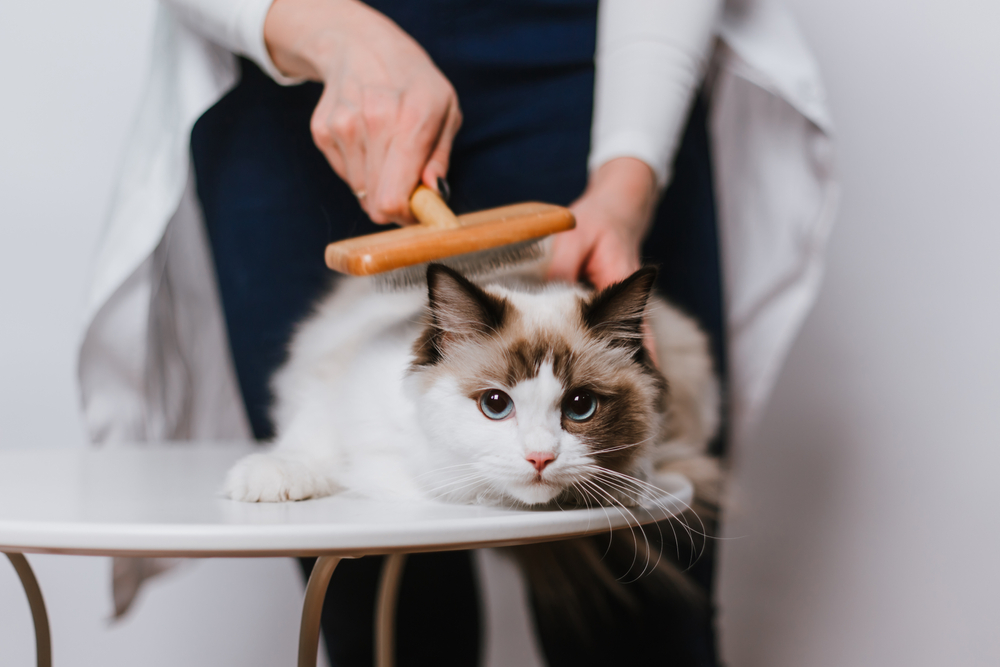
Ragdoll cats do require regular grooming to keep their fur in tip-top shape. Their silky coat can be prone to matting, so plan on brushing them every few days at the very least. Some cats may even benefit from daily brushing, depending on their activity level and climate. Luckily, these cats do not shed all that much, so your main concern will be preventing matting.
Be sure to invest in quality grooming tools. A soft-bristle brush and comb will be your primary tools, so be sure to purchase quality examples of these tools. The soft-bristle brush will let you tackle the cat’s whole coat relatively quickly, while the comb helps with removing mats and getting those harder-to-reach places.
Start grooming your cat right away. Even though kittens don’t need that much grooming, it helps them get into the habit of grooming, which can make future sessions much easier. Start with very short sessions and slowly build up to a full brushing.
You should not need to bathe these cats unless they develop some sort of health issue that prevents them from cleaning themselves. Like most cats, Ragdolls do a good job of keeping their coats clean without human intervention.
- Our Recommendations: Best Cat Brush – Catster’s Reviews & Top Picks
Health and Conditions 🏥
Ragdolls are generally healthy. However, like any other breed of cat, they can develop some health issues. They are also more prone to health problems due to their more inbred past, which has lessened their gene pool.
It’s very important to get these cats from a quality breeder to ensure that they’re as healthy as possible. These breeders perform health testing on potential breeding cats to ensure that only the healthiest cats are chosen for breeding, preventing genetic issues from being passed to the next generation. Of course, this testing costs money, which is why breeders can be expensive.
Male vs. Female
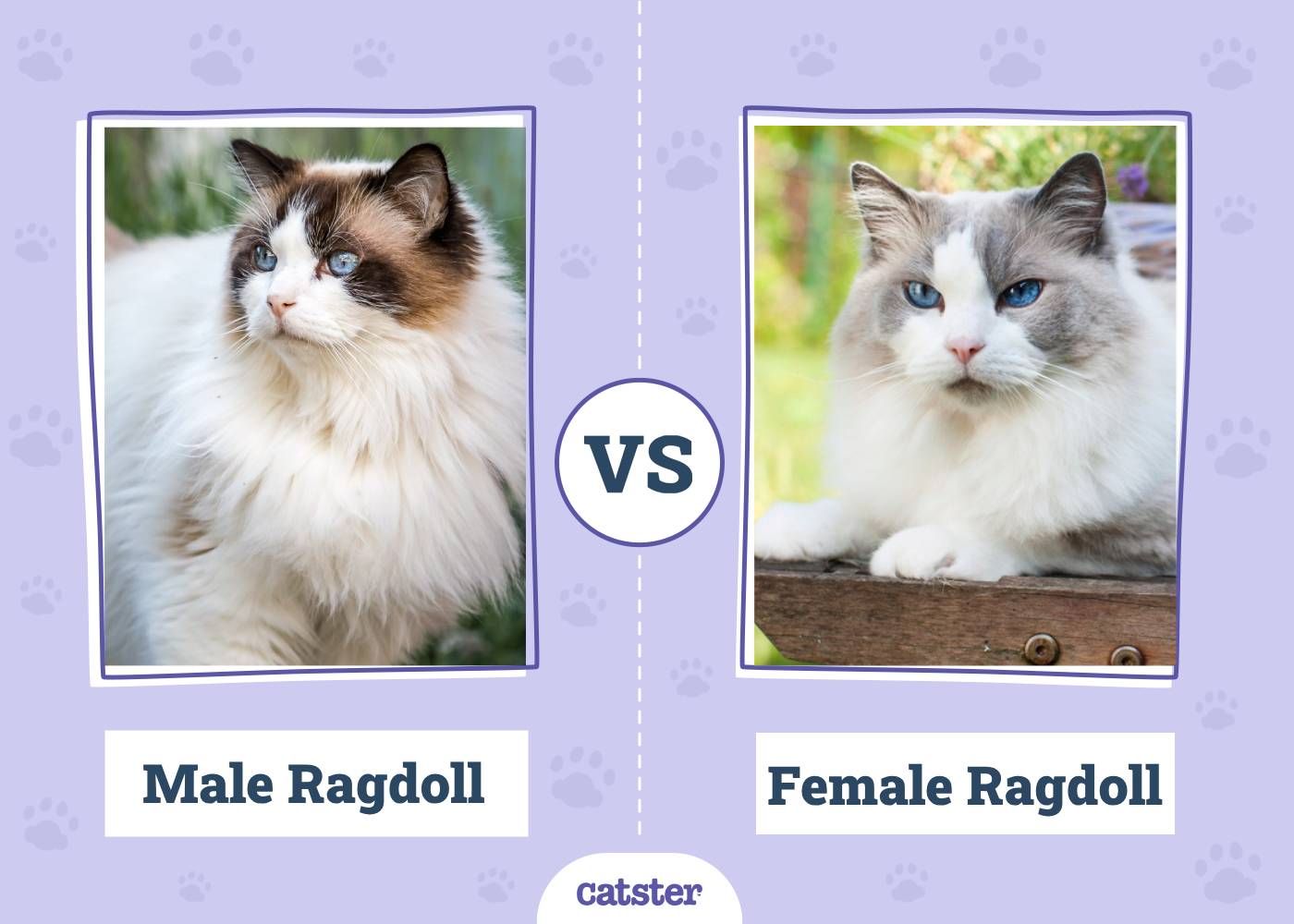
There is not a huge difference between the males and females of this breed. Both genders are known for their gentle temperament and cuddly nature. However, males may be slightly larger than females. Of course, this can vary considerably in some cases. It is possible to find a larger female that’s larger than smaller males, for instance.
Males must get neutered, while females get spayed. These surgeries do have pricing differences, with spaying surgeries typically being more expensive (as there is more that goes into them). Spayed and neutered cats will have even fewer behavior differences than intake cats, as their hormone production is affected by the surgery.
3 Little-Known Facts About the Ragdoll
1. Ragdolls are often described as “puppy-like.”
Because of their eagerness to follow their owner around the house and tendency to be extremely friendly, Ragdolls are often described as acting more like dogs than cats. They can even be trained to perform tricks and often take well to walking on a leash.
2. Different ragdoll lines “ragdoll” more than others.
While all Ragdolls will flop to some extent, some have a higher tendency to do this than others. Some breeders are working to make these cats flop a bit less, as flopping doesn’t help them keep themselves safe.
3. Ragdolls come in a range of different colors.
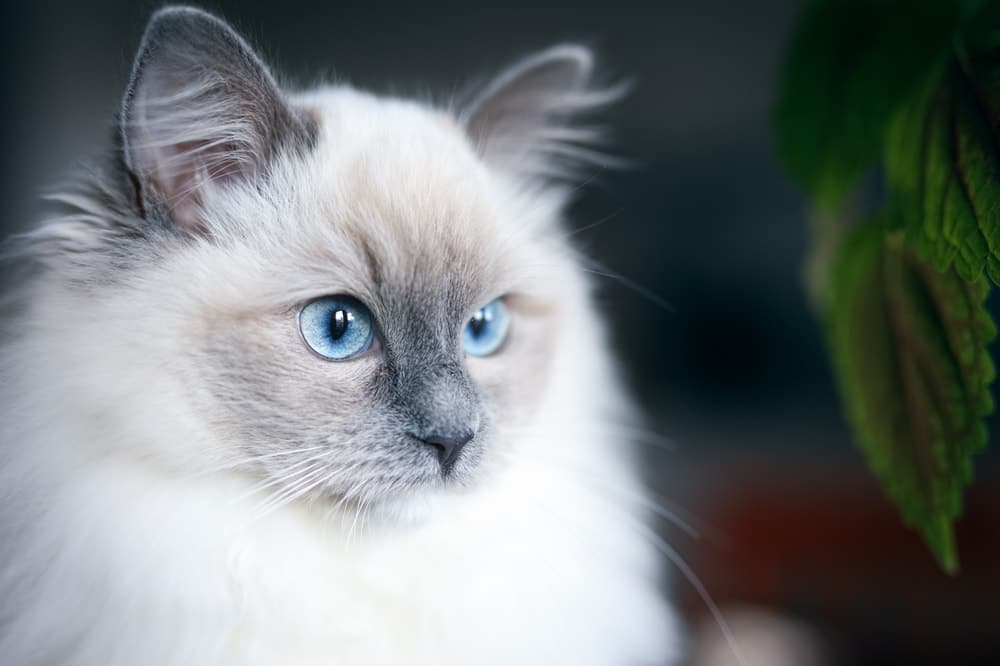
Ragdolls can come in practically any color or pattern, including pointed. There are a number of different Ragdoll cat colors and it’s often hard to determine exactly how a kitten may look upon adulthood.

Conclusion
Ragdolls are known for their exceptionally cuddly nature. They’re one of the more affectionate breeds, making them a great choice for those looking for a lap-cat. They tend to spend much of their time lying around and get along with just about everyone.
That said, this laziness can make them prone to obesity, too. It’s important that you don’t let them lie around too much. Otherwise, they may be at a higher risk of health problems later in life. Encouraging playtime may be challenging, but it’s worth keeping your cat at a healthy weight.
While these cats are relatively popular, they’re still more uncommon than some other breeds. If you’re interested in a kitten, plan on going through a quality breeder, as the chance of finding a kitten up for adoption at a shelter is very slim.
See also:
Sources
Featured Image Credit: Serita Vossen, Shutterstock

Expert cat care, straight to your inbox
Vet-reviewed advice, behavior tips, and the best of Catster. Free, and you can unsubscribe anytime.
By signing up, you agree to our Terms & Conditions and Privacy & Cookies Policy.

Kristin is passionate about helping pet parents create a fulfilling life with their pets by informing them on the latest scientific research and helping them choose the best products for their pets. She currently resides in Tennessee with four dogs, three cats, two fish, and a lizard, though she has dreams of owning chickens one-day!
Join the conversation
Ask a question, share your story, or send private feedback.