Who Moved My Cheese? Ways to Help a Cat Through Change


Hi, I’m Dr. Lauren! Read my introduction to learn more about me and my two adventurous cats, Pancake and Tiller.
Cats and cheese. Two of my favorite things on the planet. Not necessarily together, as it usually ends with too much cat hair and too little cheese (as most of my cats also seem fond of the lactose-laden food).
When I think of cats and their personalities, one of the books that always encapsulates their personalities to me is the infamous Who Moved My Cheese? The international bestseller—nothing to do about the cheese movement—but really about dealing with change.
Unfortunately, all my cheese-loving cats still haven’t learned how to read in English, so that’s where today’s missive comes in: how can you help your cat deal with change?
Change is everywhere, and our pets are better equipped to deal with it in some regards, and worse in others. They don’t share our worry about the future, but at the same time, they therefore don’t get the opportunity to prepare for change.

Common Types Of Change That Cats Experience

New household additions, which can include anything from new people moving in, children being born, new pets being adopted…
Moving house, which results in both a change in place, smells, and often people as well.
New boyfriends or girlfriends that are stopping by.
The loss of a family member, whether a human or another pet, can greatly change a cat’s life. Over my career, one of the things I have learned to accept is that cats can grieve. We didn’t learn this in vet school, certainly. But cats grieve. Again, and again, I’ve had families of patients tell me about their cats, grieving for a lost cat, or dog… or even a person. Cats are complicated little furballs, in the best of ways. We have a long way to go to fully understand them!
Our schedules and the potential for major changes. Covid was a great example of just how our schedules can involve cats. Suddenly everyone was working remotely, at home… adopted pets… many never spent a day without their owner, until, suddenly, they had to go back to the office. Some schedules are still evolving, but this adds to household instability, at least from a cat’s point of view.
What Happens When Stress Occurs?
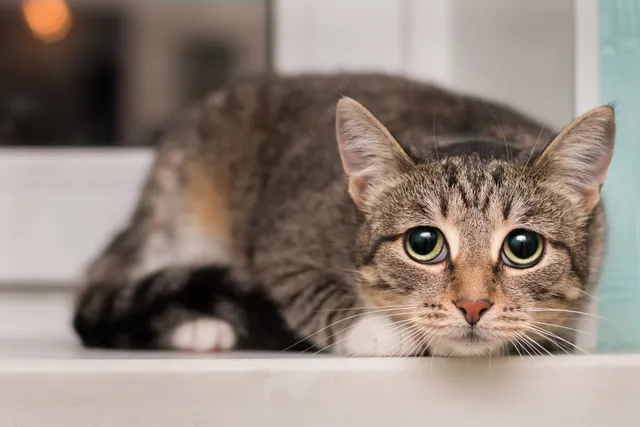
Stress in cats can manifest as various behaviors, including, but not limited to:
Overgrooming (also called psychogenic alopecia if you want to sound wordy)
Urine or stool marking outside the box
Changes in appetite
And these are just some of the signs that are known to occur. If only cats spoke English!
Ideas to Help Change Be Feline-Friendly

So, how do we turn the tables, and keep the aged cheddar in its place, so to speak? Modern feline medicine has made leaps and bounds (or pounces, if you’re thinking like a cat) in terms of what we can do to help cats acclimate to change.
Feline pheromones. There are some fascinating studies on the various components of pheromones. Detected by a vomeronasal organ, which humans only retain in the most rudimentary sense, they allow detection of chemical messengers. Plug-in diffusers are now commonplace ways to help cats adapt to new situations that might be otherwise stressful. Note that most need to be started in advance of the stressful event!
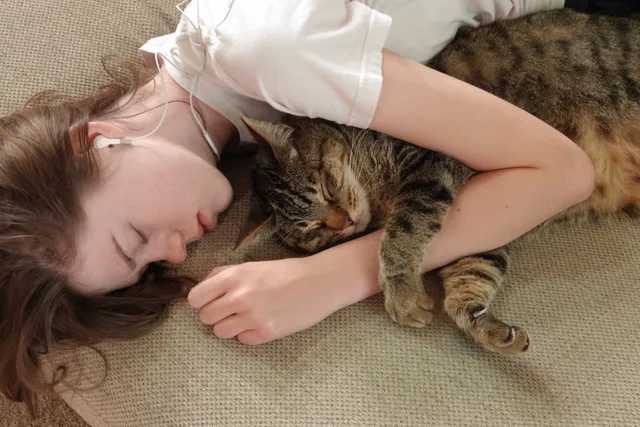
Familiar scents aren’t simply related to pheromones. Blankets from home, or shirts from favorite people can all potentially help bring a sense of home into a clinic, or otherwise strange place. Or alternately bring a scent of someone that may be away from home back into the house.
Consider Facetiming your feline! It might sound odd, but pets often benefit from Facetime from a family member. If a former house member has gone off to college, a video call may help offer some routine back to a cat that is dealing with change.
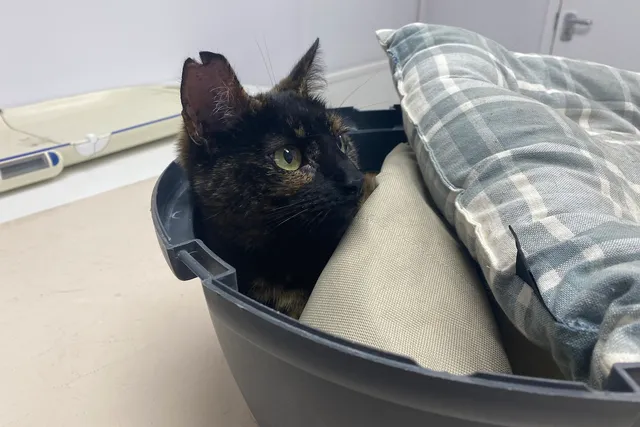
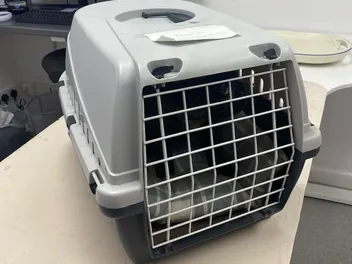
Ensure that the accouterments of change, such as cat carriers, aren’t just foreign objects that come out just before a stressful event (like a vet visit).
Consider bringing tech into the scenario. Pet tech is making leaps and bounds, and can be fairly interesting for both you and your cat. A treat-dispensing camera that allows you to see and talk to your cat, and dispense food at will, might help alleviate some of the stress that comes with change- for both you and your cat!
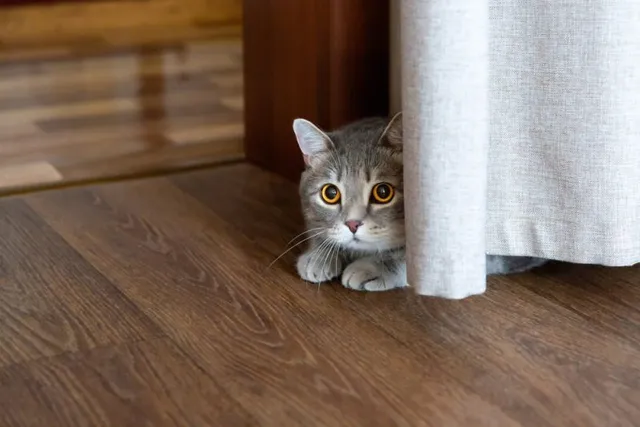
Ensure your cat has a safe place at home - undisturbed, quiet, away from main areas of traffic, so they have a reliable, unchanging place in the home.
Embrace the change, yourself. If you are stressed, there’s a likelihood that your cat will pick up on your change, in addition to whatever else is occurring.
Speak with a vet. Sometimes, medical help is needed, which can include behavioral consultations or behavior-modifying medication.
Let’s face it. Stress, is, by definition, stressful. But, with the right mindset and preparation… you can move someone’s cheese. Even a cat’s…
This article is a part of Dr. Lauren, Pancake, and Tiller's series.
Expert cat care, straight to your inbox
News, insights, and useful advice, delivered to you.

No spam — unsubscribe anytime.
By signing up, you agree to our Terms & Conditions and Privacy & Cookies Policy.
How useful was this post?
Click a star to rate. You can leave written feedback afterwards. (We read all feedback.)
Dr. Lauren Demos DVM (Veterinarian)
As a veterinarian, Lauren is eager to share her experience in emergency medicine and cats, with our readers. She loves sharing helpful, real life tips for having cats as part of your life, and what to do in critical situations with your pets.
Lauren is a vet with over a ten years of experience in cats and dogs, along with infectious diseases. She enjoys teaching, and lectures for students, pet owners, and clinicians, on various topics.
Lauren received her degrees from Murdoch University, in Perth.