Get

In Your Inbox

Catster is reader-supported. When you buy via links on our site, we may earn an affiliate commission at no cost to you. Learn more.

Why Does My Cat Keep Meowing and Rubbing Against Everything? 6 Vet-Reviewed Reasons


Share

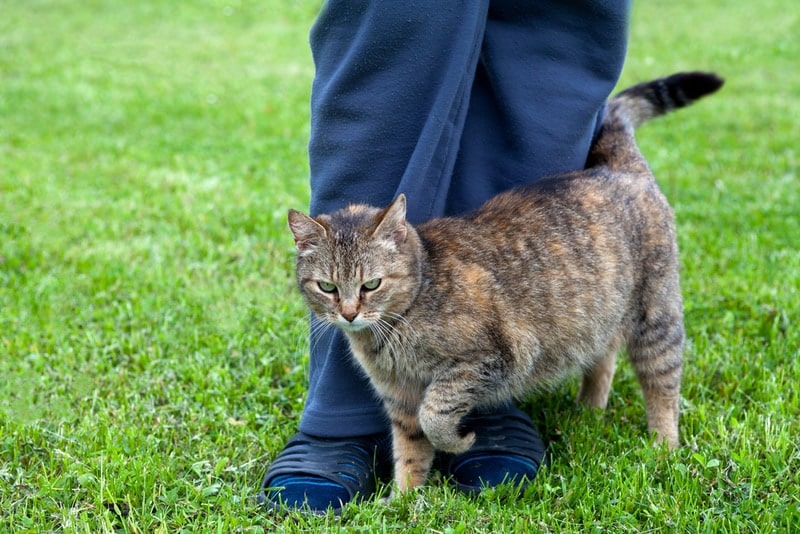
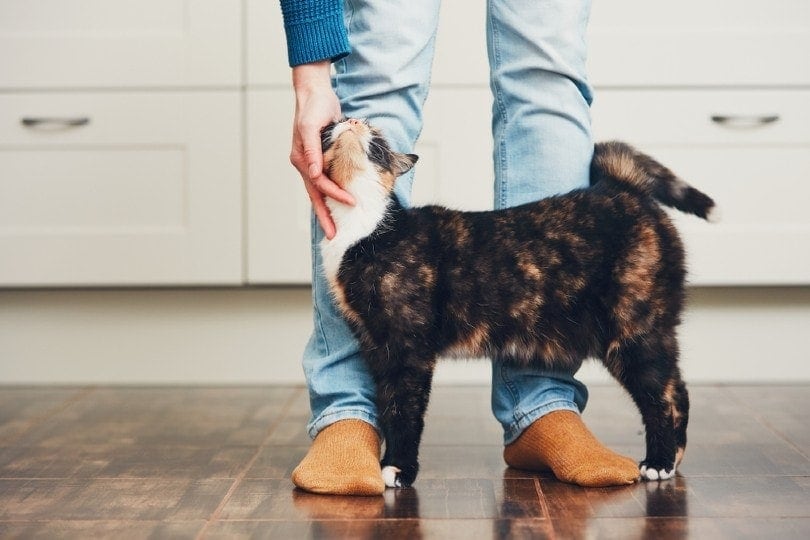
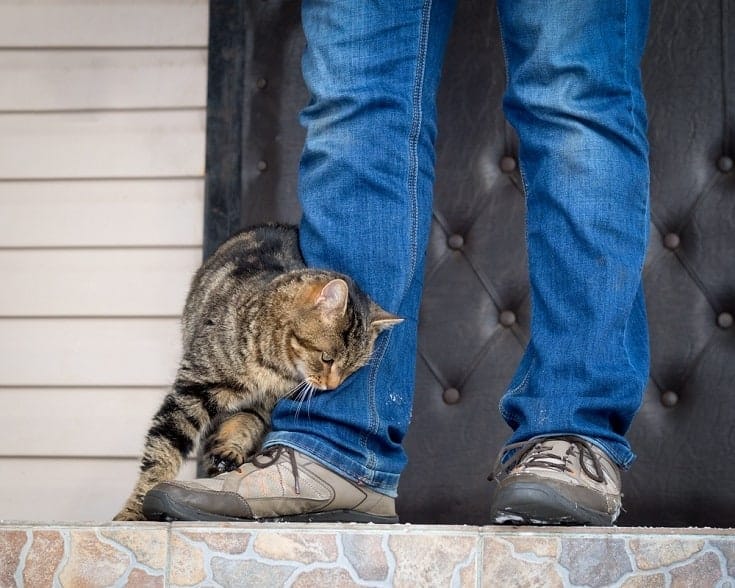
grey cat rubbing againts its owners leg

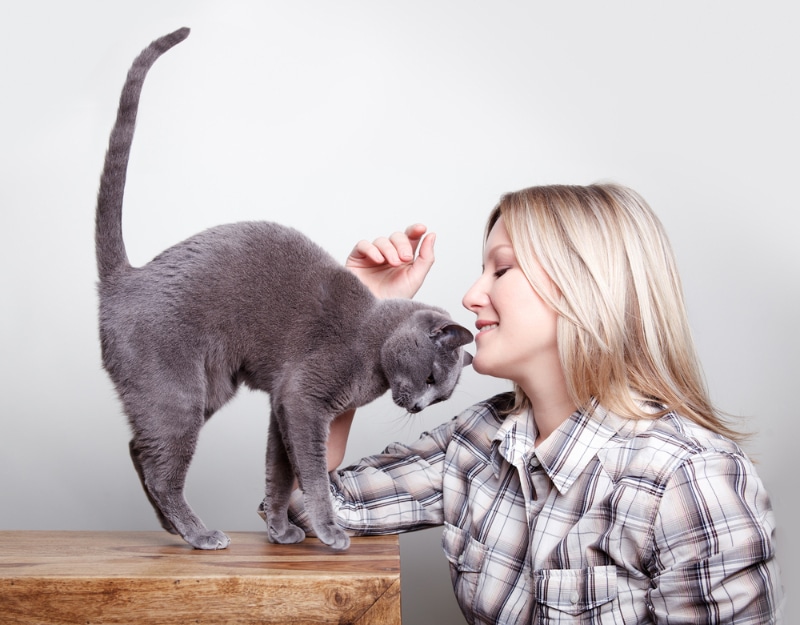
If you have ever noticed a cat’s affectionate side, you may have seen their tendency to rub their faces on their owners or against their favorite objects. Or you notice a cat who raises their backside when they pass by a couch or chair because they are happy to see a friend. Why do cats do this? Yes, it is adorable, but is there a reason for this behavior?

There are several reasons that cats do this, and usually, they are all positive. Continue reading to learn why cats meow and rub against things.

divider 3 paws

The 6 Reasons Why Your Cat Keeps Meowing and Rubbing Against Everything

1. Marking Their Territory

In many cases, once a cat is settled into their space, they prefer it to have their own scent. Cats rub their bodies and faces against people and furniture to leave their scent around their home to mark their territory.

This helps cats make their presence known and feel more comfortable around spaces and people. Unfortunately, cats may even urinate on chairs or different areas to really make their scent known!

cat rubbing face on man's leg
Image by: AlenaBalotnik, Shutterstock

2. Claiming Ownership Over Something

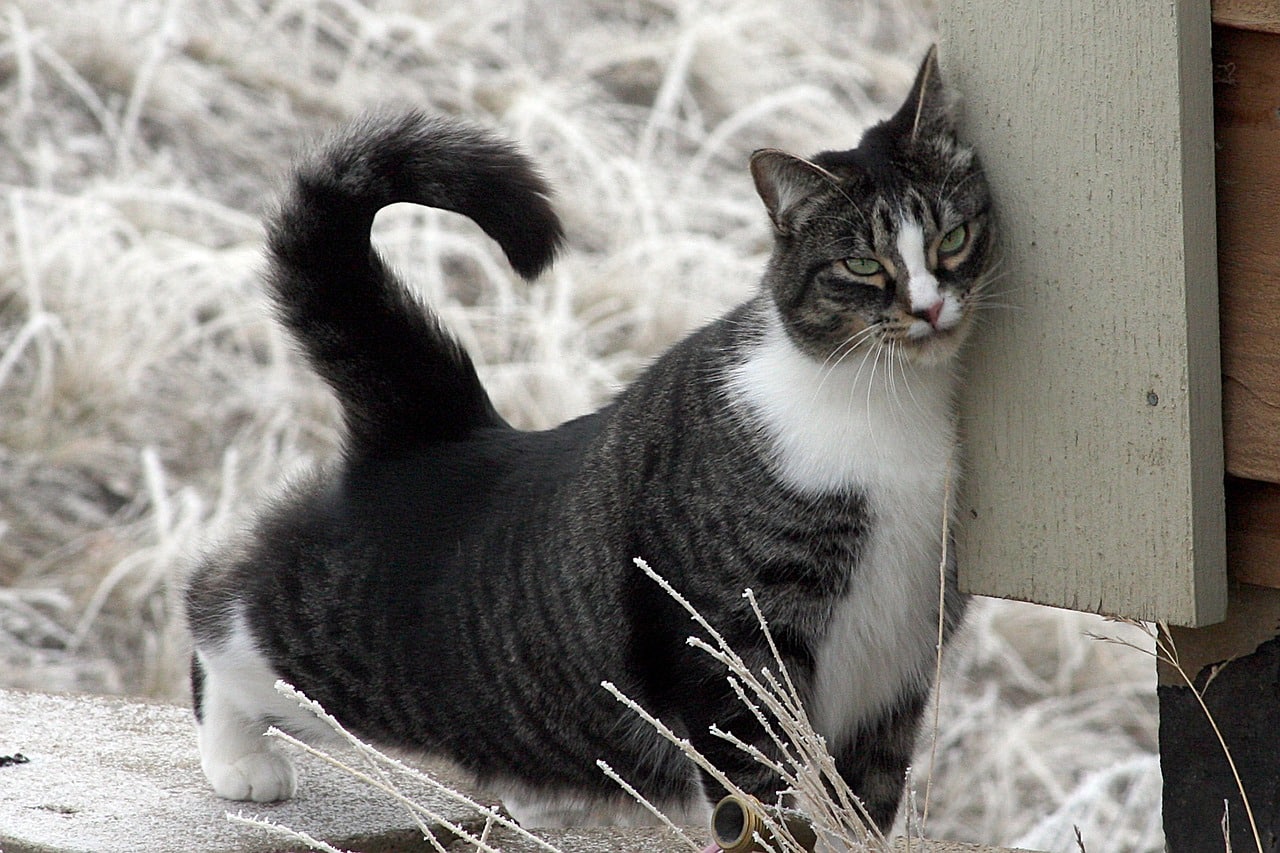
Like marking their territory, cats rub against items or people around their home to ensure other animals know they’ve already claimed it. This ancestral cat behavior can even be seen in other animals to show that a specific space is theirs and theirs only.

You might notice cats have a favorite spot on the couch or by the window that they have rubbed up against a time or two. That is why your cat rubs against you; they want to claim you as their person!


3. Releasing Pheromones

Another reason cats rub up against things is to release pheromones to attract other cats for mating purposes and to get acquainted with an animal’s scent. The scent can also tell other cats when they are reproductively “ready” and can tell other animals when the cat was last present.

Unfortunately, this may also be accompanied by your cat spraying urine on surfaces around your house to mark their territory and alert potential mates to their presence. Spaying or neutering your cat is a good idea to prevent mating-related spraying and marking habits.

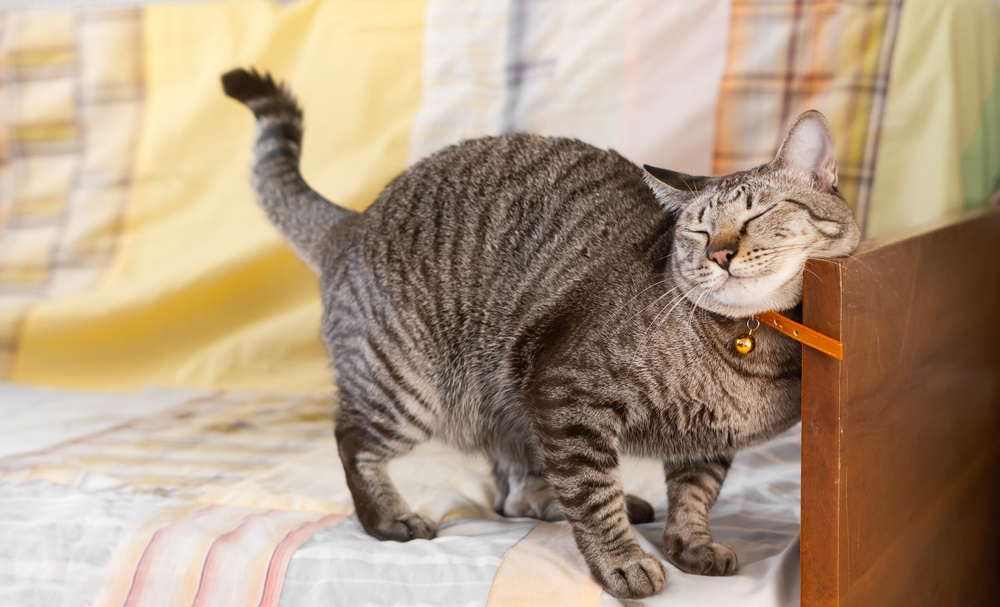
american shorthair cat rubbing face on the wood
Image Cbyredit: Pixabay

4. Grabbing Your Attention

Sometimes, cats meow and rub against their owners or friends simply to get their attention. This behavior is very common right before cats are about to be fed their daily meals or when they know it’s almost time for a treat.

They like to show you that they are ready and present for you to give them attention. More vocal cats are usually a result of their owners being vocal to them. The funny thing is that cats meow at humans much more than at other cats.


5. Showing Affection

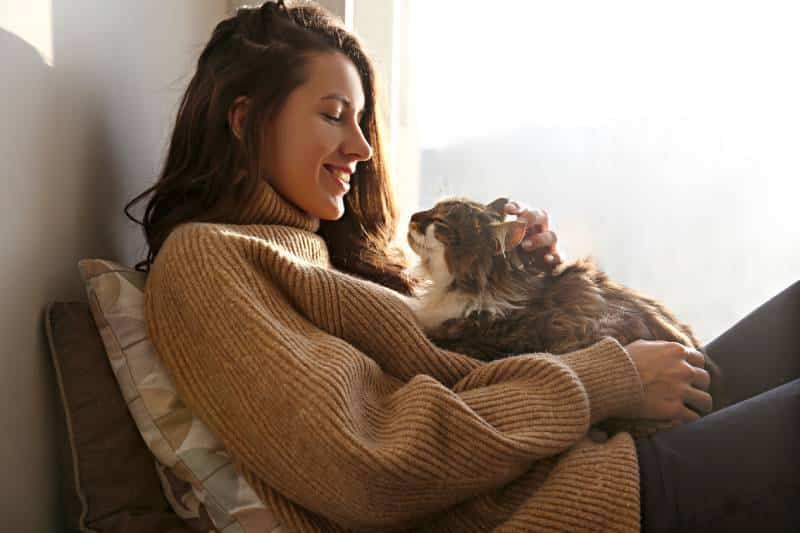
Perhaps the most positive reason for cats to meow and rub up against people or furniture is that they are showing you affection. When cats feel cuddly or want to snuggle beside you on the couch, they may give you a big meow to grab your attention, jump up beside you, and then give your leg or hand a nudge or head-boop. This is their way of asking you to pet them!

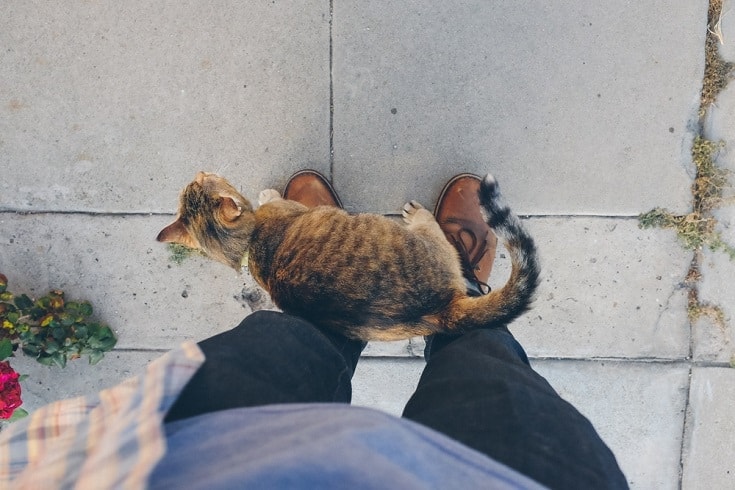
cat-rubbing-itself-on-cat-tree
Image Credit: chie hidaka, Shutterstock

6. Saying Hello!

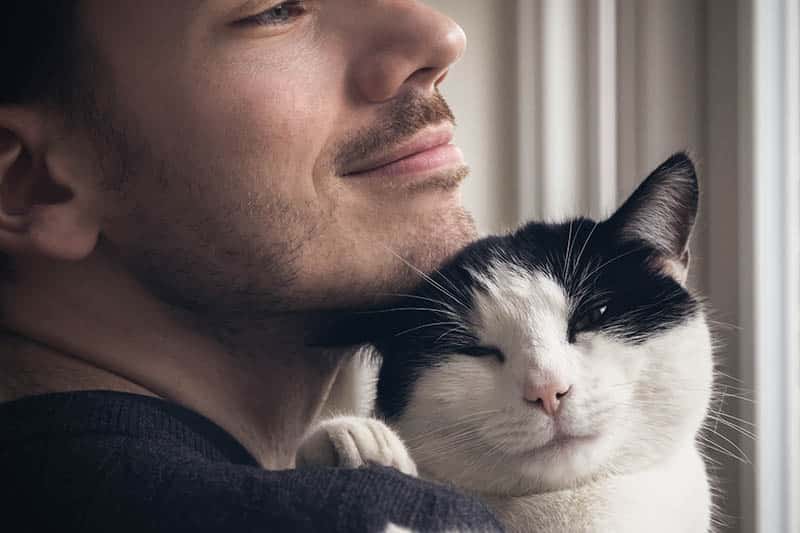
Another simple reason that cats may be meowing at you or rubbing up against your leg is that they are just saying hello! Cats communicate with their owners and show affection and companionship by getting close to them.

Cats with affectionate personalities will sleep on their owners’ chests, sit on their legs, snuggle up to their favorite sweaters, and more. Cats are very akin to linking their owner’s scent to closeness and bonding with them.

divider 3 paws

In Summary

If you notice that your kitty is meowing at you excessively and there is no health concern, missing food in their food bowl, or another issue that they could be alerting you to, it’s usually a form of positive communication. Some owners don’t know that the more you chat with them, the more they will chat back!

This also applies to them showing affection by rubbing their scent on you. It’s a cat’s way of marking their space, claiming their owners as their own, and using their scent to identify places, people, and objects.


Featured Image Credit: Gordana Sermek, Shutterstock

Want content like this delivered to you?

Sign Up For Our Newsletter

News, insights, expert advice, and everything cat

* By submitting, you agree to our Terms & Conditions and Privacy & Cookies Policy.


How useful was this post?

Click on a star to rate (you can leave written feedback after clicking submit)

Help us improve Catster for pet parents!

Your feedback really matters.

What did you like about this post? Also how can we improve it?

Join the conversation

Leave a Reply

You’re very welcome to leave a comment or question. Please know that all comments must meet our community guidelines, and your email address will NOT be published. Let’s have a positive and constructive conversation.


Catster's Digital Magazine is Back!

Vet-approved health & behavior advice

Real cat stories & community features

Your Cat Isn’t Picky – Their Nose Is Just Bored

If you’ve ever sighed while scraping uneaten cat food into the trash, you’re certainly not alone. Many cat owners know the routine: their...

Ask Dr. Paola – Help! My Kitten Won’t Use the Litter Box! (July 27, 2026)

Welcome to our “Ask Dr. Paola” series, where every Monday we bring expert advice straight from Dr. Paola Cuevas (MVZ) to help our...

Chatting with Petra Luna About CatCrazy, Cat Food Ingredients & The Secret of E-Beams | Chatty Cattys, Episode 28

In this episode of Catster’s Chatty Cattys podcast, Nicole and Dr. Karyn welcome back Petra Luna from CatCrazy to catch up on her...

According to Vets, Most Owners Miss These Signs That a Cat is Sick

Cats are famously good at hiding discomfort. It is not stubbornness or indifference; it’s a deeply ingrained survival instinct. In the wild, showing...

More related

How to Clean a Cat Litter Box: Our Vet Explains (With 10 Easy Steps)

Cleaning up after your cat includes keeping on top of their litter box hygiene. Not only does this help control unwanted odors in...

Is It True That Cat Allergies Are Genetic? Vet-Approved Prevention Tips & FAQ

If you are allergic to cats, the symptoms can be difficult to manage if you have cats. You may even wonder how your...

Carrageenan In Cat Food: Vet-Reviewed Uses, Safety & Verdict

If you’re a cat owner who likes to read pet food labels, you’ll probably come across some ingredients you don’t recognize. Since you...

How Long Will a Cat With Diabetes Live Without Treatment? Vet-Verified Risks & FAQ

Diabetes is a common and serious disease that affects the health of cats. When left untreated, diabetes can cause life-threatening complications such as...

Keep reading

What to Feed a Kitten: Vet-Verified Guide For Each Stage

Proper feeding and nutrition are essential for kittens to grow into healthy adults. Kittens reach the weaning stage around 4-5 weeks of age. They should ideally remain with the mother until an absolute minimum of 8 weeks of age (12...

Kitten eating food from bowl

Can Cats Get Lice? Vet-Approved Facts & Treatment Tips

Lice are a common problem for most pet owners, especially if your pet enjoys the outdoors. They can cause skin disease and itchiness, affect your pet’s coat, and even cause a variety of health complications. Many cats, especially those who...

cat scratching itself

Why Do Cats Scratch Their Ears? 7 Vet-Verified Reasons, Signs & Treatment

While all cats can have an occasional itch that causes them to scratch their ears, sometimes they seem to be scratching far more than usual. Is this something to worry about? If your cat does seem to be scratching their...

close up cat scratching ear

Can You Use Kitty Litter for Oil Spills? Alternative Uses, Tips & Tricks

Kitty litter has several uses other than making it possible for cats to use the bathroom indoors, including providing emergency traction to help cars get moving on snowy days and cleaning up oil spills. Kitty litter is handy because it...

biodegradable litter

Can Cats Eat Croissants? Vet-Approved Facts & FAQ

Croissants are delicious baked goods that nearly everyone can appreciate. But even though we humans might enjoy them when we are channeling our inner Parisian at Sunday morning brunch, felines are a different story. Although croissants are non-toxic to cats,...

Can Cats Eat Croissants

Vets Urge Owners: Don’t Ignore Sweet Smell Coming From Cats

Cats are not particularly known for having a pleasant aroma. The occasional whiff of fishy cat breath and that unmistakable post-litter-box scent simply come with the territory. So when a cat suddenly smells sweet, almost like maple syrup, most owners...

Tabby cat smelling a young man in front of the window

Cat Yowling: Sounds, Meanings, & Why They Do It (Vet-Approved)

If you ever hear your cat let out a yowl it can be startling and concerning. A yowling cat is loud, and it can be quite obnoxious. But why do cats yowl at all? Should you be worried if your...

yowling adult cat at the park

Is It Safe for Cats to Eat Moths? Vet-Reviewed Facts & FAQ

Cats are natural predators that enjoy a good hunt, whether to catch a mouse running by or to chase butterflies in the sun. Typically, if they can catch their prey, they also have the instinctual drive to eat it. Although...

Love Cats? So Do We! Join the Catster Community

Stay informed with expert pet care insights delivered straight to your inbox! Discover professional guidance on animal behavior, feeding tips, trusted product picks, and much more.


Sign up for the Catster Email Newsletter

Stay informed with expert pet care insights delivered straight to your inbox! Discover professional guidance on animal behavior, feeding tips, trusted product picks, and much more.