Why Do Cats Move Their Kittens? 3 Vet-Verified Reasons for This Behavior


In this article
Despite being some of the earliest domesticated animals, cats retain most of their wild instincts. It’s why they hide their food, bury their waste, and spray urine to mark their territory.
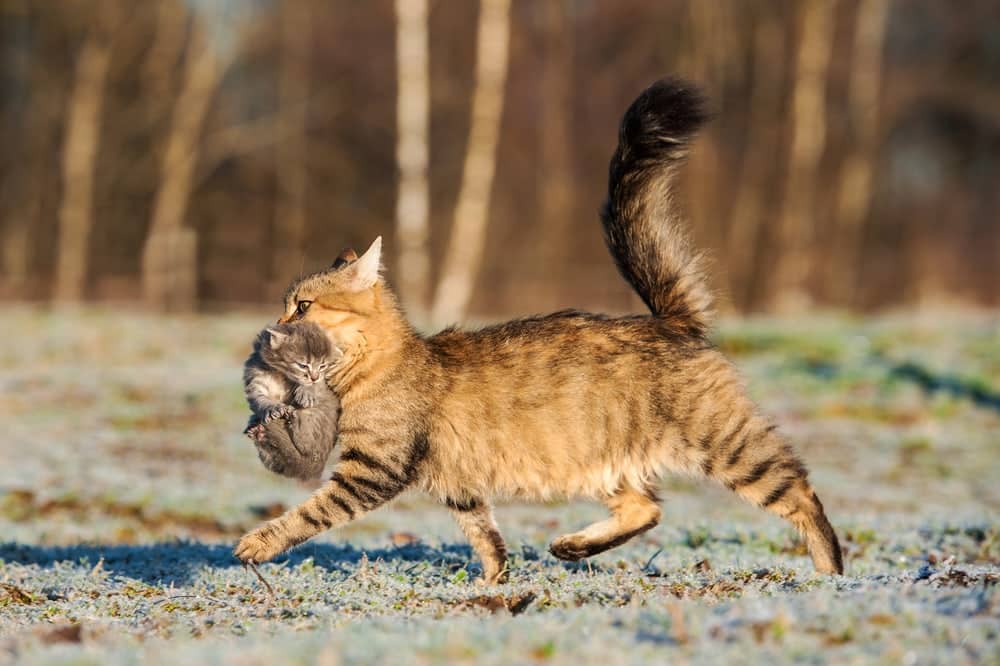
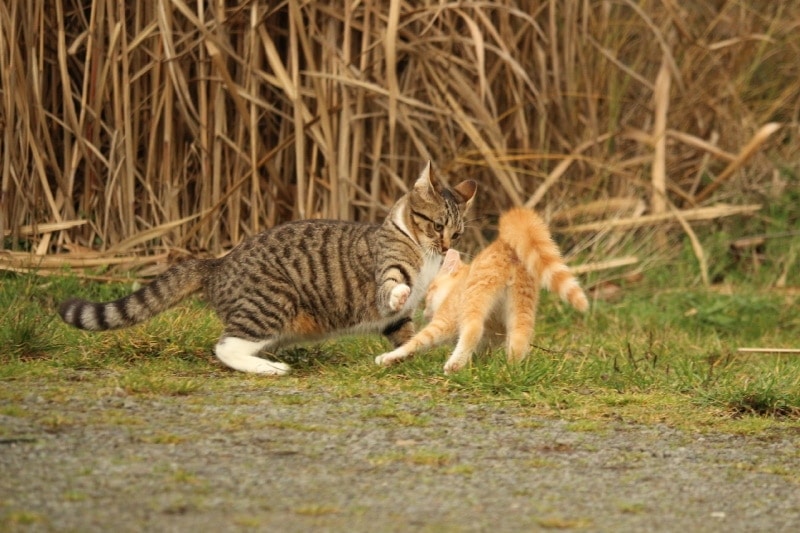
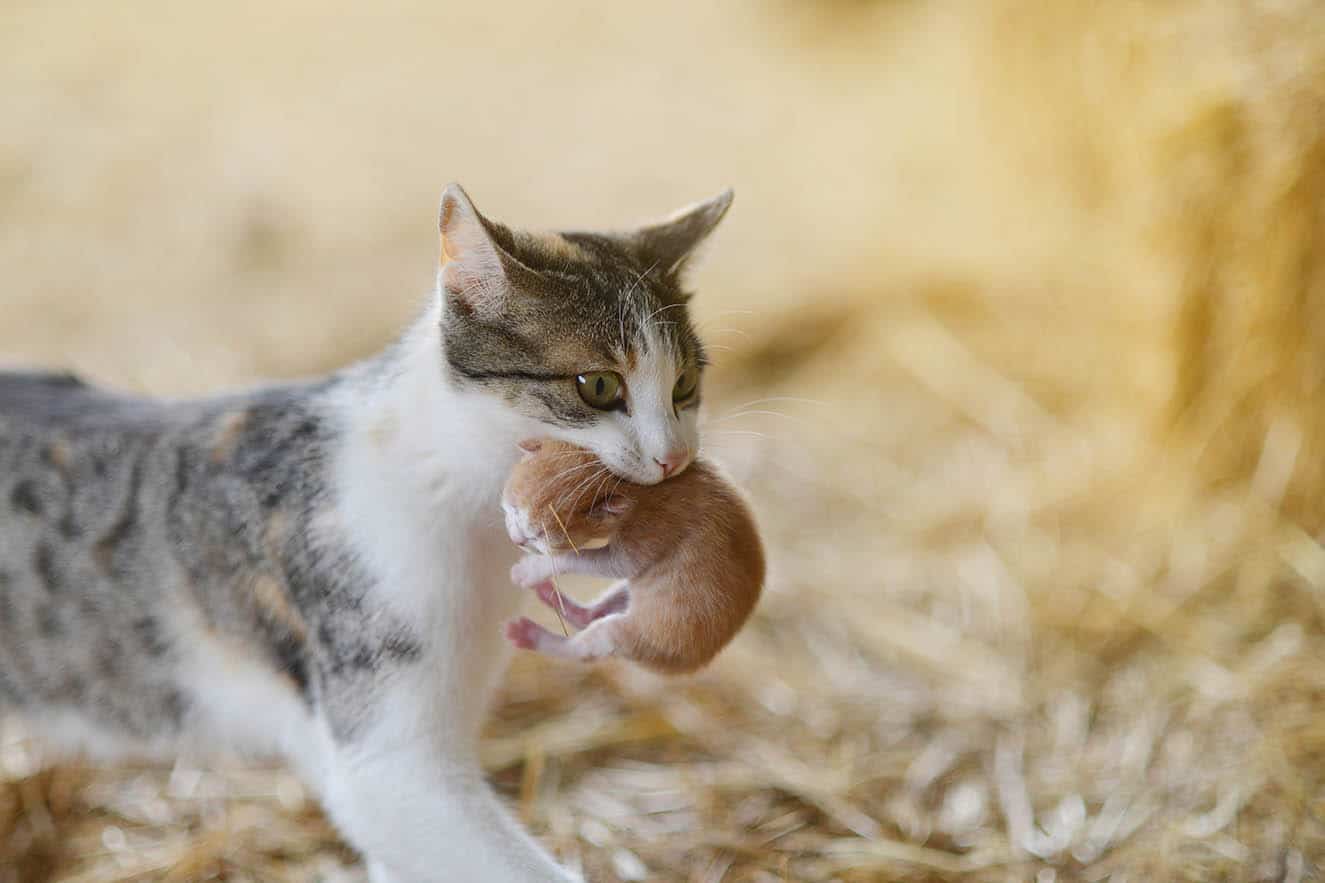
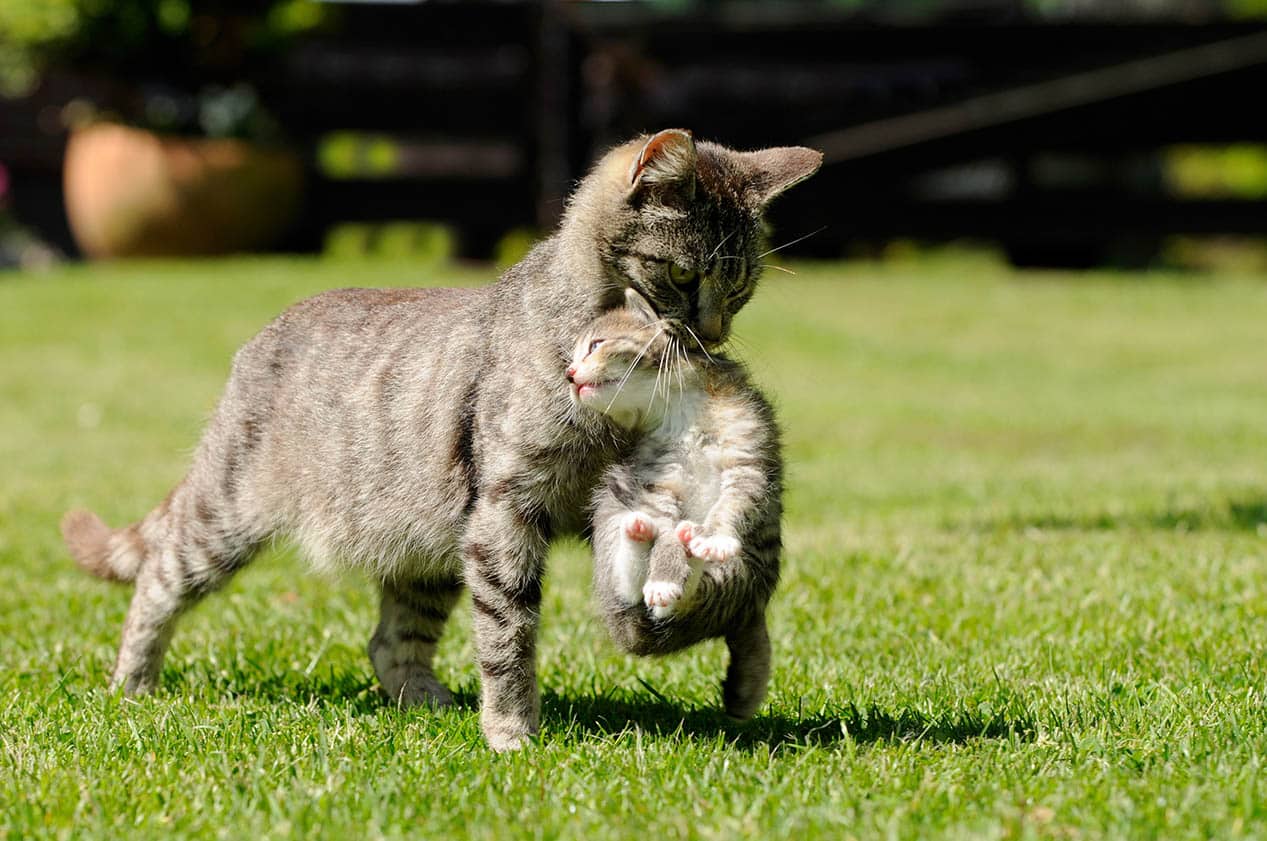
However, one of the most confusing behaviors cats display is moving their kittens. Why do they do it? The simple answer is instinct. Like the aforementioned instinctual behaviors, moving kittens is something mama cats are hardwired to do.
In this article, we will take an in-depth look into why cats move their kittens and what to do about it.

Why Do Cats Move Their Kittens? Maternal Instinct
The reason why cat instinctually moves their kittens is to avoid losing them to predators.
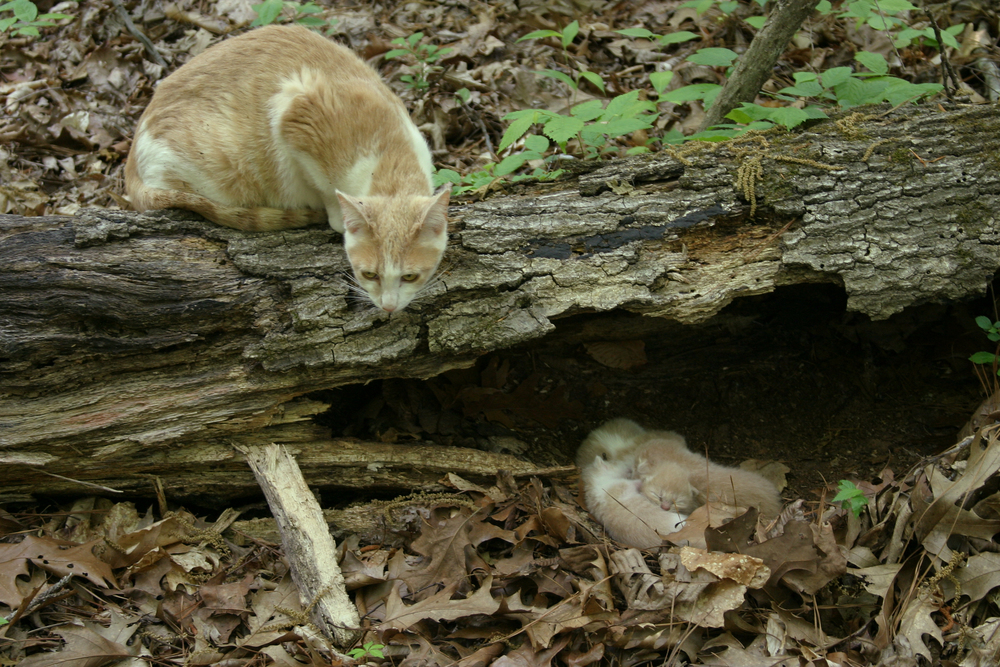
In the wild, when a pregnant cat is almost due, they start looking for a secure place to give birth. Even lionesses, which can be considered the least vulnerable of all cats, will do this.
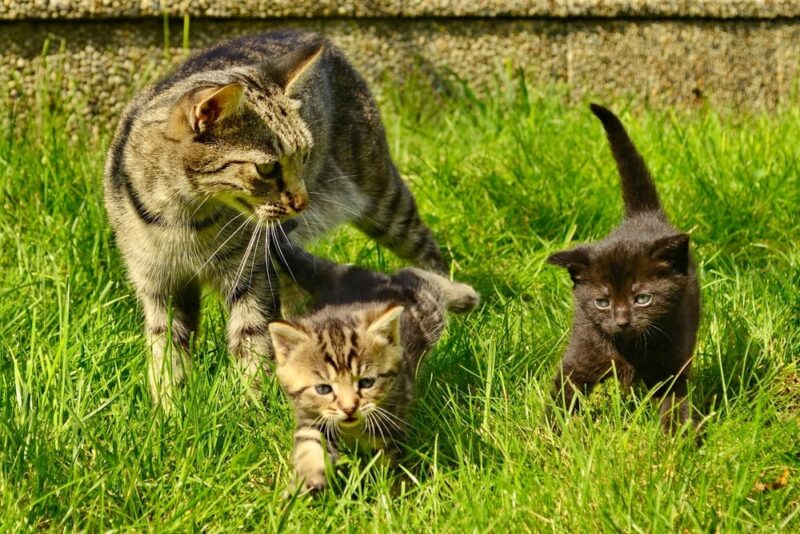
This location problem only gets worse after a cat gives birth. As the mama cat’s maternal instincts kick into high gear, she becomes highly conscious of her environment, looking for any potential threat to her babies.
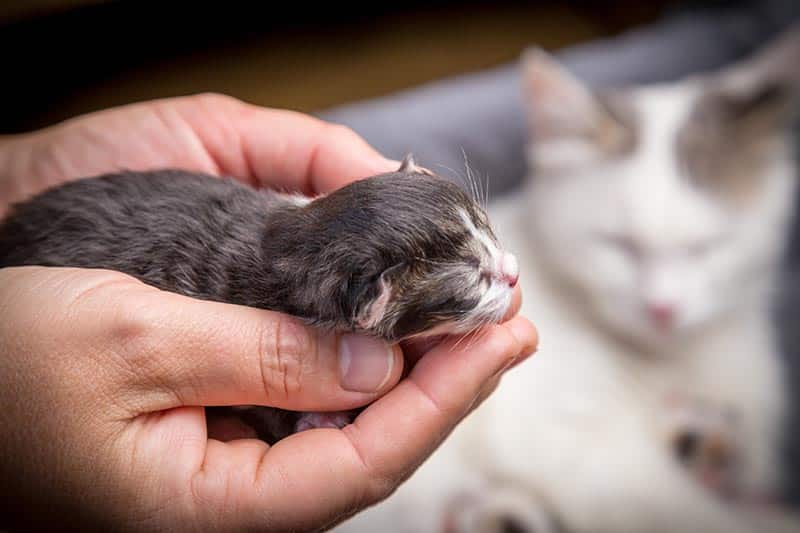
While her protective instincts might seem a bit over the top, they are justified. Unlike most ungulates (hoofed animals) whose young can run within seconds of being born, kittens are born blind, deaf, and unable to walk. This means that newly born kittens can neither defend themselves nor run away from a threat, making them easy pickings for opportunistic predators. Mommy cats understand that intuitively, which is why they go above and beyond when choosing the appropriate hiding spot for their kittens.
The 3 Main Reasons Cats Move Their Kittens
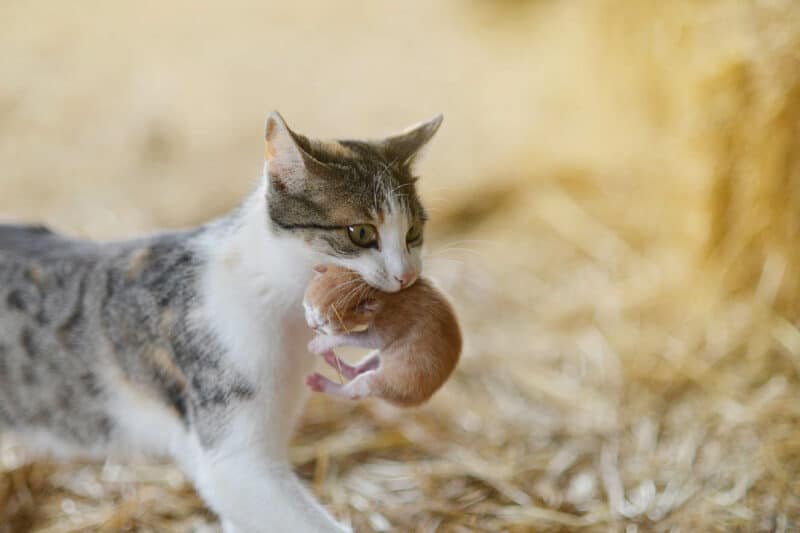
Now, while your cat knows that your home is safe from predators and other dangers, her maternal instincts will still drive her to find the safest spot for kittens inside your house. It is not that she doesn't trust you; she simply cannot afford any risks. Here are three main reasons her instinct pushed her to move them:
1. She Does Not Like the Den or Nest
What goes into identifying an ideal birthing place is not always easy to discern. You might set up a den in what you think is the most secure and comfortable spot in your house, only for your cat to choose somewhere else to give birth. The spot you chose is noisy, has a strange odor, or maybe she senses something that causes her to be alert. To your cat, those are valid reasons for moving a den.
In some cases, the actual nest might be the problem. Despite setting it up in a good spot, something about the nest might be off-putting to the cat. For example, the bedding might be uncomfortable or could have a scent she does not like.
2. She Does Not Like the Attention
Who doesn’t love kittens? We are so enthralled with the cuteness of our feline companions that households with an expectant mama cat cannot wait for her to deliver so they can welcome the tiny munchkins home.
However, you may need to pump the brakes. A mama cat doesn't want you fawning all over her babies minutes after she has delivered them. As mentioned, her maternal instincts are usually in high gear during this period, meaning that she interprets everything but herself as a potential threat.

3. She’s Listening to Her Internal Clock Timing
Many mother cats instinctively move their kittens to a new den when they are a few weeks old, possibly because they no longer want them in the birthing place, as it might be crawling with pests or might not be as “clean” anymore (after all, this is where they gave birth).
This is why many pet owners notice that one day, their cat decides to move her babies from a seemingly clean den to another one. This usually happens when the kittens are around 3–4 weeks old. It’s also the time when a cat will start bringing prey (dead or half-alive) to the den to begin training her kittens on how they should hunt.

What It Means When a Cat Brings Her Kittens to You
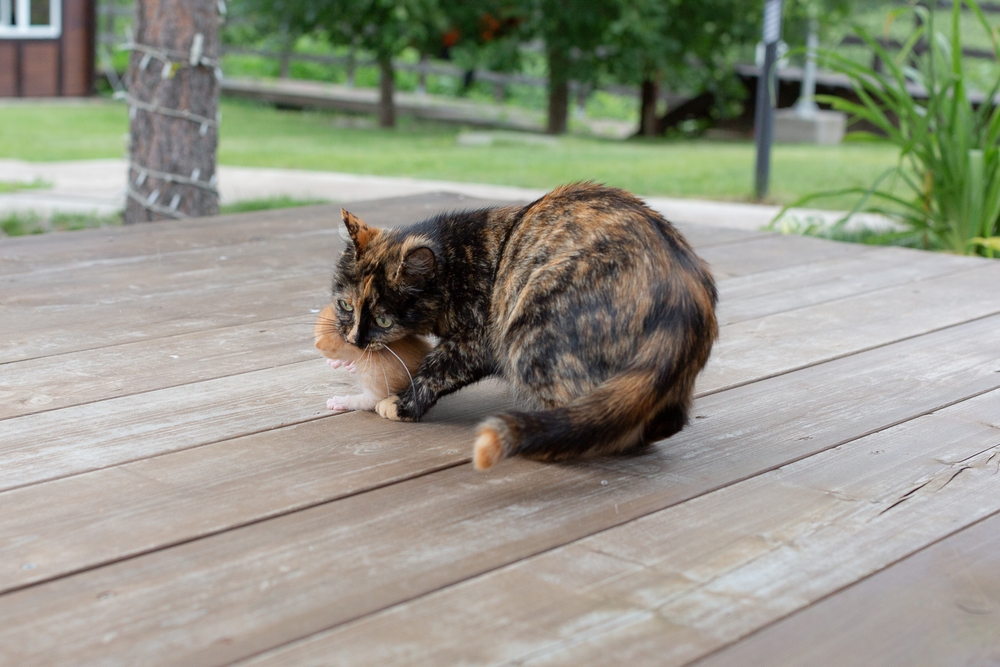
Cats taking kittens to their humans is another form of moving. However, this is not very common because mother cats would prefer to have their kittens nest in a secluded spot.
Nonetheless, when a cat does that, it probably means that she trusts you to take good care of her kittens. After all, you have provided her with proper care all this while. However, a mama cat will only bring her kids to you when she is unable to find a good spot for them. This may mean that she wants you to help her find a nice and secure spot.
Therefore, it’s best to explore this a bit further at times. Start by assessing the previous den spot to determine why your cat does not like it. This goes back to the reasons discussed earlier.
If the issue is not obvious, look for a better spot to set up the den, anyway. Make the den as comfortable as possible. It is best to allow the cat to inspect the den first. If she finds it satisfactory, she will often relocate her kittens there herself.

Where to Look for Hidden Kittens
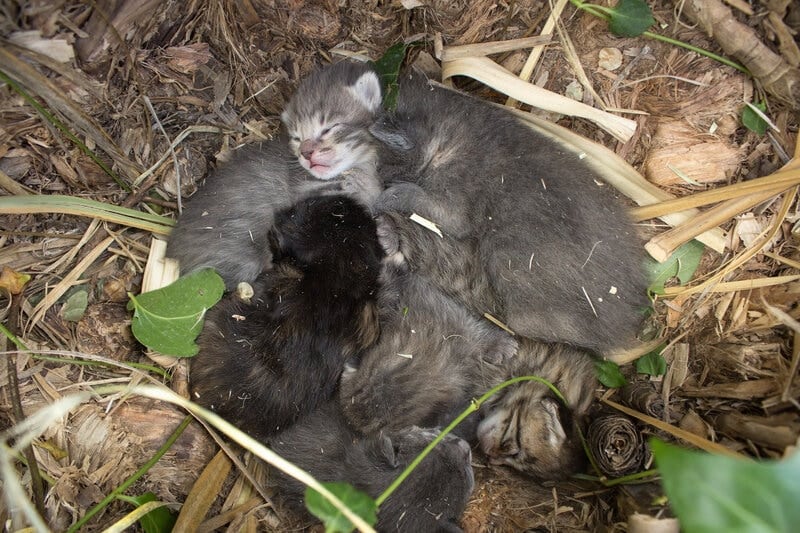
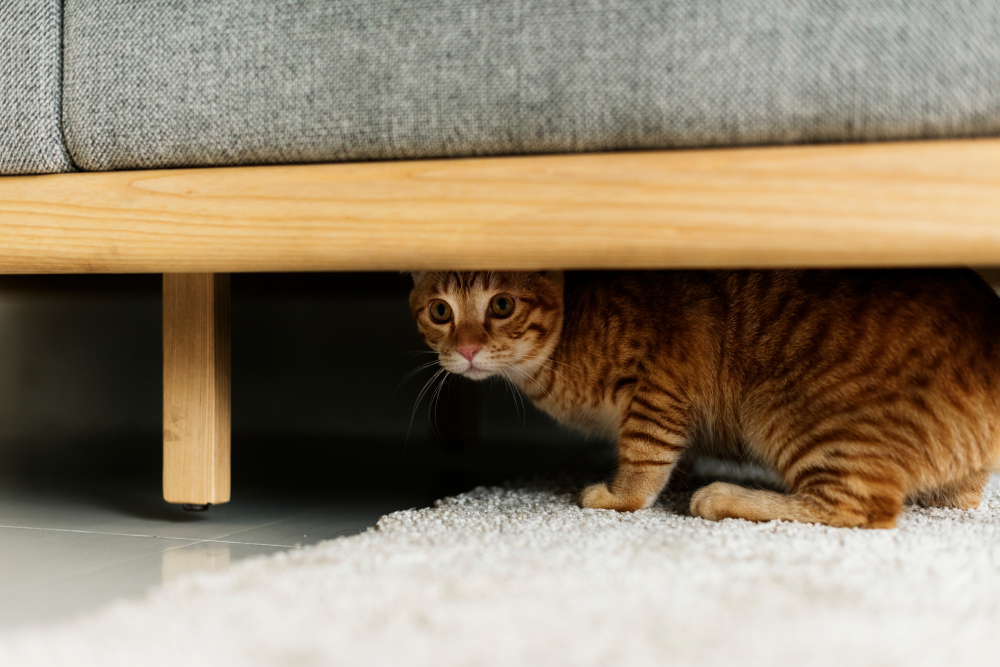
Mama cats are creative when looking for ideal den locations. Therefore, do not be surprised when you are unable to locate the hidden kittens. However, you can make your work easier by limiting your search to places that match the criteria of a good den spot, i.e., warm, dark, and secure.
Areas in your home that fit the criteria include:
However, when looking for the kittens, it is best to assume that they could be anywhere. This will ensure that you act with caution to avoid harming the little ones accidentally. This means not starting an appliance without first checking, not tossing stuff into your closet or kicking off your shoes without looking, and so on.
Please Note
Reducing the Likelihood of Your Cat Moving Her Kittens
As mentioned, cats usually move their young when they feel that the current spot is not safe or comfortable for them. Therefore, to reduce the chances of kittens moving, make sure your mama cat is as comfortable as possible. That said, she may instinctively move her kittens no matter what you do. Still, keeping their den clean and comfortable is vital to ensure the health of the kittens.
This will involve looking for a dry, clean, and comfortable nesting box and then placing it in a dark and quiet area inside your home. The ideal size of a nesting box should be around 2 feet square. For bedding, use either tight-weave towels or artificial fleece blankets. It’s best to not use terry cloth, as it tends to snag claws.
Most importantly, pay attention to the mama’s behavior and body language when handling her kittens. For starters, it’s best to not handle them until they are at least 2 weeks old—unless, of course, intervention is necessary. Before that time, a mama cat’s maternal instincts may make her too aggressive to allow handling. However, from week two onwards, you can handle the kittens if she allows it. Any interactions between children and kittens must be supervised due to how rough kids can be.
If you notice the mama cat getting agitated, return the kitten to the nest immediately. Doing this lets her know that she has the final say regarding who can handle her kittens and when it is appropriate to do so. As a result, she will be more comfortable in that spot, as she knows that she is in control of her kittens’ environment.
It’s also strongly recommended to thoroughly wash your hands with a disinfectant soap (for at least 20 seconds) and then completely dry them both before and after handling your kittens.
Conclusion
In the wild, the stakes are too high for cats to take any chances with their kittens, so moving them is a natural behavior.
In a safe and warm human home, the stakes are not that high, but a mother cat’s maternal instincts cannot allow her to be complacent, which is why she is always looking for the safest nesting spot. Therefore, unless the spot she chooses presents a potential danger, do not interfere. Just make sure that she is comfortable.
Instinct may drive mother cats to move their kittens, anyway, as they tend to do so on an internal timer of sorts. However, they usually don’t tend to mind the alternative options provided by their owners in such a circumstance.
See Also:
Featured Image Credit: schubbel, Shutterstock

Expert cat care, straight to your inbox
Vet-reviewed advice, behavior tips, and the best of Catster. Free, and you can unsubscribe anytime.
By signing up, you agree to our Terms & Conditions and Privacy & Cookies Policy.
Christian started writing for a local newspaper as a teenager, and he's been involved in the publishing industry for most of his adult life. Combining his love of writing with a passion for animals, he is currently the Director of Editorial at Pangolia and the Editor-in-Chief at Catster.
Christian lives in the Philippines with his wife, son, and four rescue cats: Trixie, Chloe, Sparky, and Chopper.
Join the conversation
Ask a question, share your story, or send private feedback.