Chatting About Cosmetic Animal Testing, Covid Conspiracies, & Brainless Cats | Chatty Cattys, Episode 39

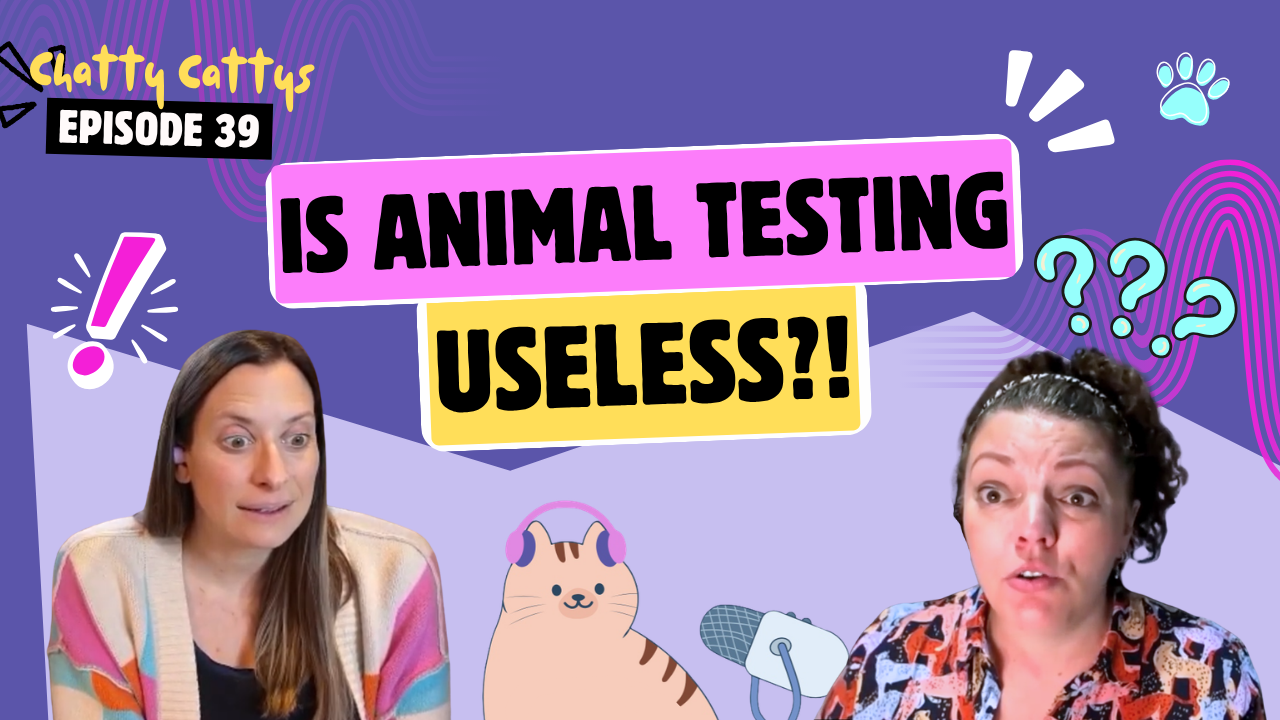
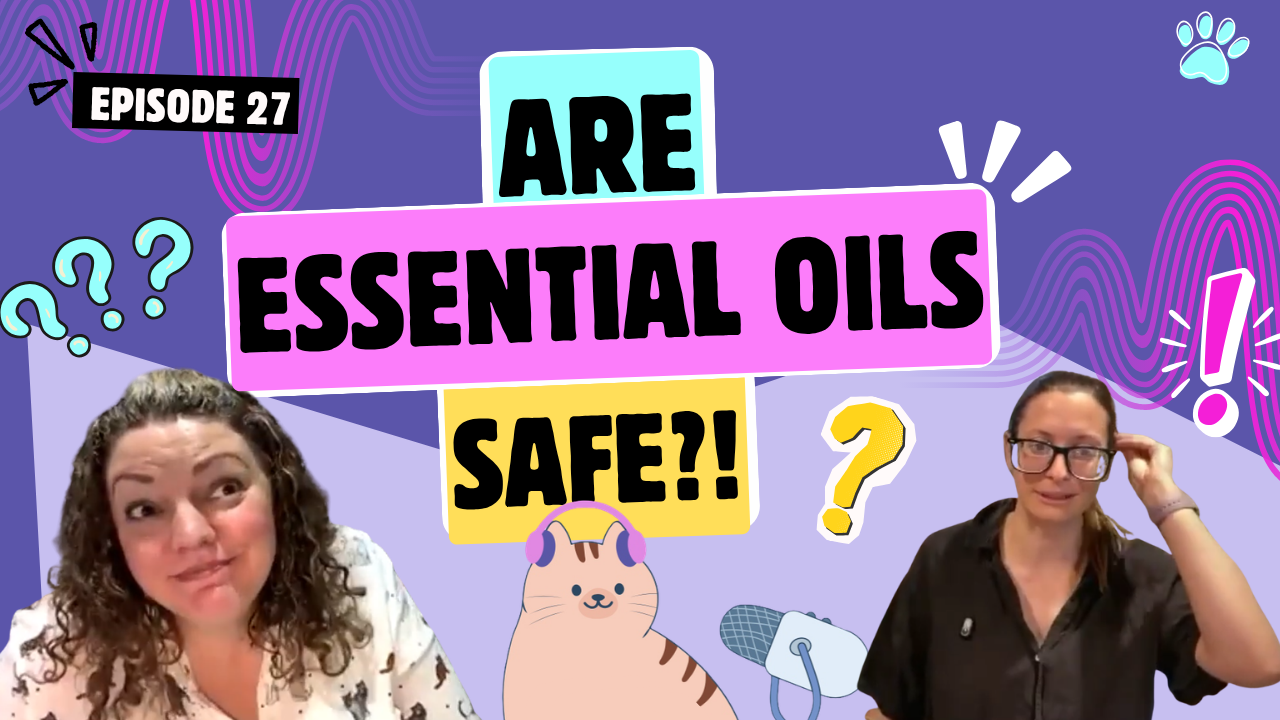
In this episode of Catster’s Chatty Cattys podcast, hosts Nicole and Dr. Karyn jump into an unstructured, wide-ranging discussion covering quirky pet habits, feline anatomy, and the ethics of animal testing vs. clinical research. From explaining the post-poop "zoomies" to reflecting on how decades-old feline nerve studies shed light on why cats freeze in harnesses, the hosts offer a lighthearted yet insightful look into how our pets interact with the world.
Watch the full episode below, and subscribe to Catster's YouTube channel for weekly cat chats, helpful tips, and more!
Why Listen?
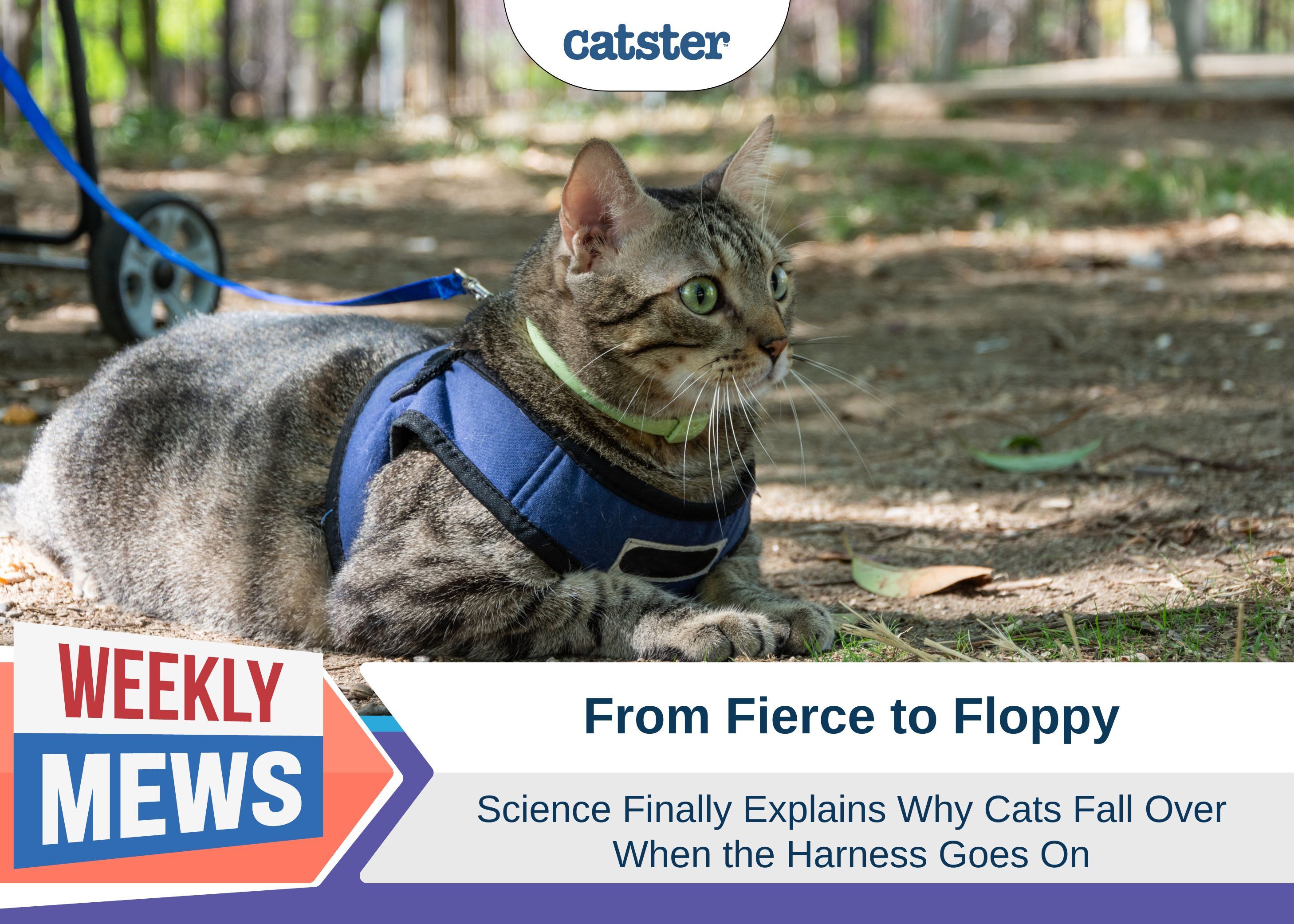
Discover the fascinating science behind feline movement, including how lower-body nerve pathways allow cats to adjust their bodies instinctively without waiting for brain signals. Dr. Karyn also breaks down why putting a coat or harness on a cat disrupts this "sixth sense," causing them to initially freeze or flop over.
Additionally, the hosts explore the difference between historical animal testing and modern, mutually beneficial clinical trials. From discussing how research into feline coronavirus treatments surprisingly overlapped with human health developments to debating why testing food or drugs on animals can be unreliable (imagine if chocolate was banned because it was tested on dogs!), this episode balances fun pet owner anecdotes with fascinating veterinary science.
Quick Recap
The Mystery of "Poop Zoomies": Nicole and Dr. Karyn talk about how cats often sprint out of the litter box after taking a poop. They discuss how this hilarious habit stems from a mix of wild instinct (running from scent markers) and sheer physical relief.
Do Cats Always Land on Their Feet?: While cats try to land on their feet using their incredible spinal flexibility, Dr. Karyn notes it isn't an absolute rule—pointing out that her own cat, Clutch, occasionally falls right on his butt.
How Feline Nerves Act Like a "Body Brain": Dr. Karyn discusses an old study on feline nerve pathways showing that cats can walk on a treadmill via spinal reflexes without upper brain input. This ultra-fast neural feedback gives cats rapid spatial awareness.
Why Cats Freeze in Harnesses: Because a cat's body relies heavily on sensory feedback from skin and nerves for orientation, placing clothes or a harness on them is like "blindfolding" their body, causing them to temporarily lose balance until they adapt.
Testing vs. Clinical Trials: The hosts differentiate between harmful animal testing and ethical clinical research. Modern veterinary trials often involve treating pet patients with naturally occurring conditions (like cancer or coronavirus), generating medical advancements that aid both humans and animals.
Interspecies Differences in Testing: The hosts touch on why testing human items on animals can be flawed, pointing out that many things safe for humans (like chocolate, grapes, or garlic) are toxic to pets, and vice versa.
Expert cat care, straight to your inbox
Vet-reviewed advice, behavior tips, and the best of Catster. Free, and you can unsubscribe anytime.
By signing up, you agree to our Terms & Conditions and Privacy & Cookies Policy.
As a certified cat-lover, Radim was excited to join the Catster team on the mission to help all the cat parents in the world by providing useful and helpful information. He used to live with two wonderful cats before embarking on his travels around the world. Radim currently lives in Slovakia, surrounded by nature and his neighbors' cat community.
Join the conversation
Ask a question, share your story, or send private feedback.