Chatting About Automatic Litter Boxes, Poop on the Floor, and Very Simple Fixes | Chatty Cattys, Episode 34

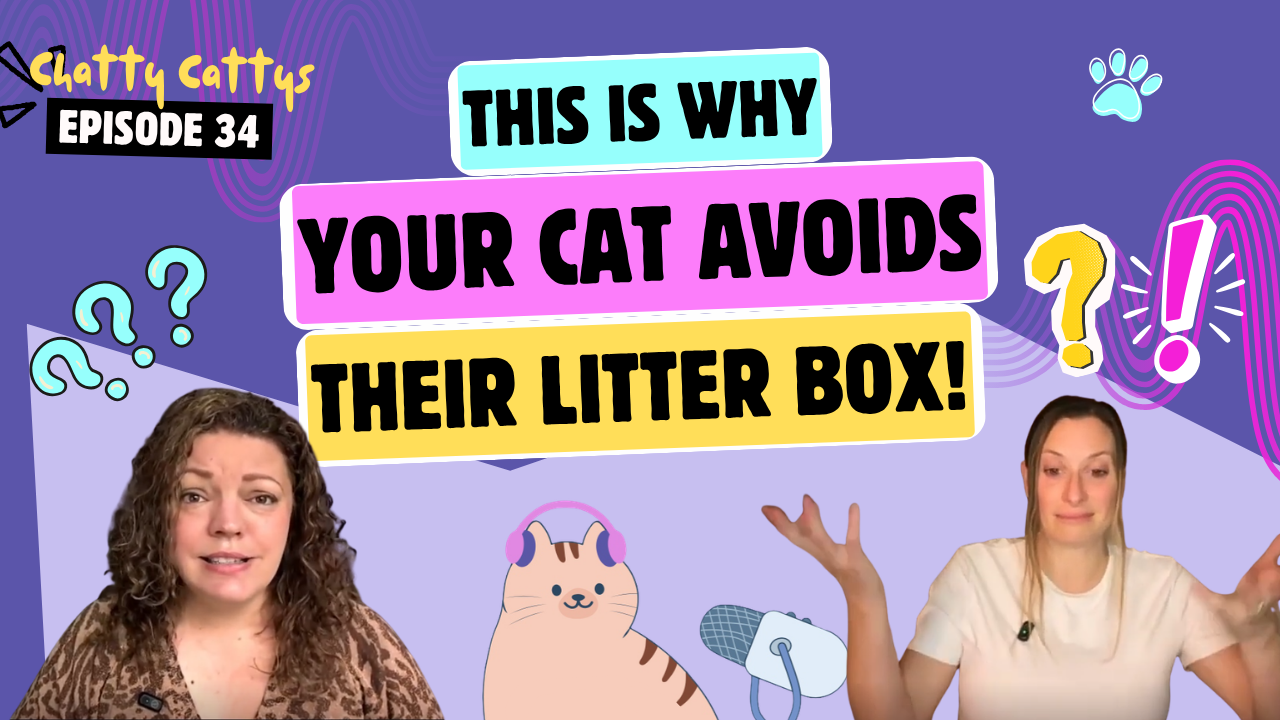
In this episode of Catster's Chatty Cattys podcast, Dr. Karyn and Nicole dive deep into the fascinating world of feline litter box behaviors. From decoding medical issues behind inappropriate elimination to sharing practical tips for setting up the ideal toilet environment, they share what it truly means to listen to, understand, and care for our feline companions.
Instead of advertising a one-size-fits-all approach to pet parenting, the conversation focuses on the massive importance of understanding a cat's individual personality and addressing their unique needs. The hosts chat about how respecting boundaries and giving your pet space can lead to a much stronger bond, proving that forcing a feline into a specific mold rarely ends well.
Watch the full episode below, and subscribe to Catster's YouTube channel for weekly cat chats, helpful tips, and more!
Why Listen?
Tune in to find out how simple observation of your cat's elimination habits can reveal secrets about their underlying comfort, health, and stress levels. Dr. Karyn breaks down the realities of managing a multi-pet household with five cats, highlighting the day-to-day logistics of keeping up with litter box maintenance. You will also learn about the hidden logistics of modern pet parenting tools, including the life-changing benefits of utilizing automatic feeders and automatic litter boxes to keep daily chores at bay.
Plus, this episode sheds light on important health and behavioral misconceptions. You will find out why a cat going outside the box is often a subtle sign of physical pain or stress rather than spite, how cats view painful conditions like UTIs as problems with the location itself, and how shifting your mindset to evaluate environmental factors like noisy appliances can be the key to restoring peace in your home.
Quick Recap
Medical Causes for Avoidance: Dr. Karyn explains how conditions like urinary tract infections, bladder stones, constipation, or arthritic joint pain can cause cats to form negative associations with their litter box, leading them to seek out new spots to eliminate.
Listen to Your Cat: The episode emphasizes letting your cat's behavior guide your response to their health. Because cats are hardwired to hide vulnerability and maintain an unbothered exterior, owners must pay close attention to sudden changes in toileting habits, which can point to internal pain or hidden environmental stress.
The Reality of Automatic Litter Boxes: The hosts discuss the practicalities of modern automatic litter boxes, sharing how sensors detect weight and movement to cycle self-cleaning mechanisms safely while keeping boxes fresh for picky felines.
Hidden Household Hazards: Dr. Karyn warns pet owners about common placement mistakes, such as placing a litter box in a laundry room near a noisy washing machine, which can easily spook a cat mid-use and cause permanent box avoidance.
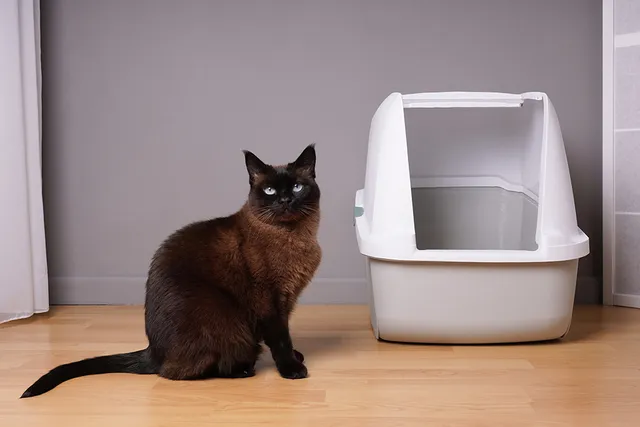
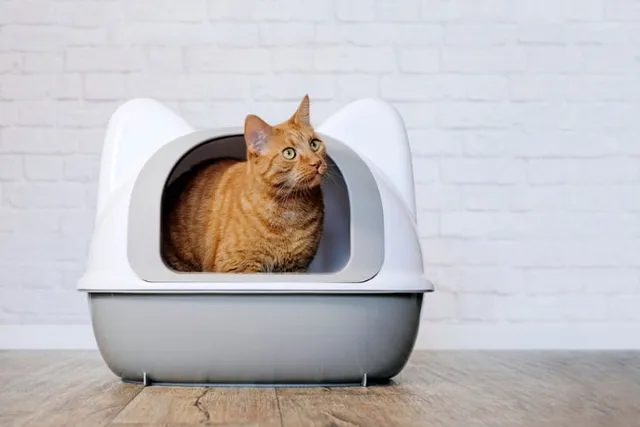
Enclosed vs. Open Designs: The hosts look back at different litter box styles, explaining how heavily enclosed boxes with flap doors trap terrible odors and make cats feel cornered, whereas open or high-ventilation designs offer a safer sense of spatial awareness.
Importance of Vet Checkups: The hosts highlight the role of proper veterinary care, explaining how thorough patient histories and professional checkups are essential to distinguish between behavioral stress, environmental issues, and true physical illnesses.
Expert cat care, straight to your inbox
News, insights, and useful advice, delivered to you.

No spam — unsubscribe anytime.
By signing up, you agree to our Terms & Conditions and Privacy & Cookies Policy.
How useful was this post?
Click a star to rate. You can leave written feedback afterwards. (We read all feedback.)
As a certified cat-lover, Radim was excited to join the Catster team on the mission to help all the cat parents in the world by providing useful and helpful information. He used to live with two wonderful cats before embarking on his travels around the world. Radim currently lives in Slovakia, surrounded by nature and his neighbors' cat community.