When the Wee! Isn’t So Fun: Feline Inappropriate Urination in My Patients

Hi, I’m Dr. Lauren! Read my introduction to learn more about me and my two adventurous cats, Pancake and Tiller.
Putting aside Pancake and Tiller for this week, one of the most common reasons I see young cats in clinics as a veterinarian is for inappropriate urination. Called by various terms, which makes the issue even more confusing, such as Feline Lower Urinary Tract Disease (FLUTD), Feline Inappropriate Urination (FIE-U) and various others, it's a bit of a minefield, at times.
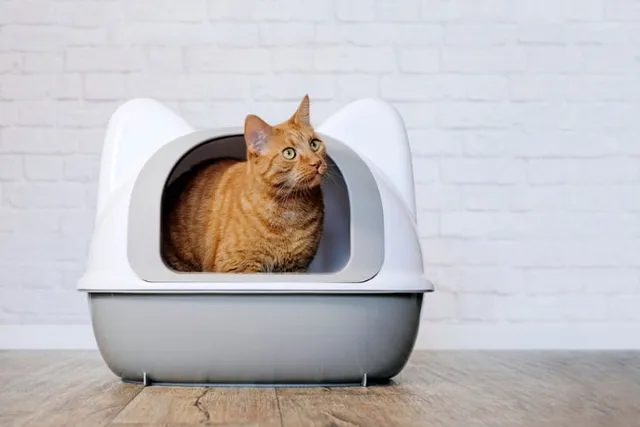
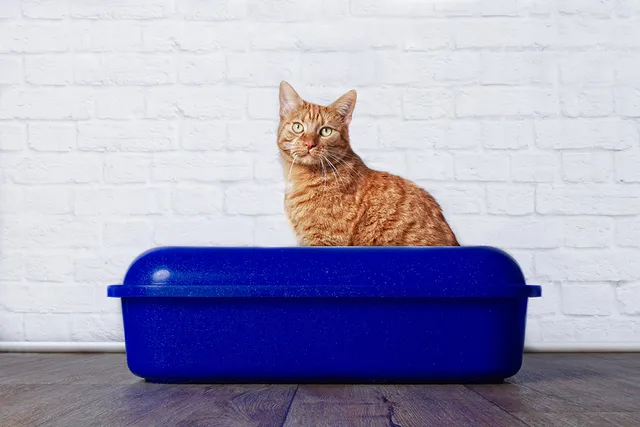
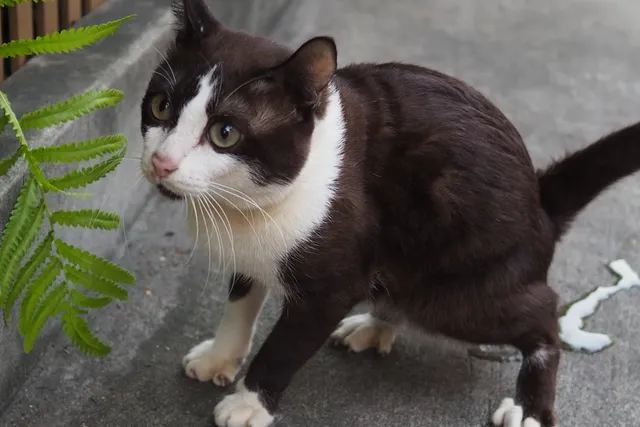
Inappropriate urination refers to cats presenting for urination outside of the litter box, either on surfaces that are horizontal such as beds and floors, or for vertical surfaces such as walls. Some owners even see things such as blood or crystals in the urine. Too often, these cats are misdiagnosed, and pet parents and undoubtedly cats themselves, are left frustrated.
There are generally a few common reasons that a cat urinates outside the box, including but not limited to their sex and sexual status, medical causes, and behavioral reasons. A quick look at each might give you some better ideas of what is occurring. There are some more uncommon reasons, as well, but we’ll leave those out, for now!

Common Reasons Cats Present For Inappropriate Urination
Sex and sexual status: Intact (unneutered) male cats, and even male cats neutered late in life, are commonly brought into veterinarians for urinating around the house.
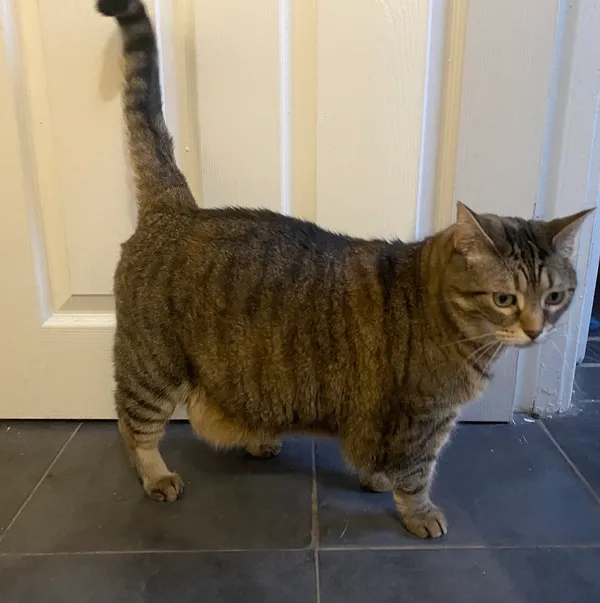
Medical issues, such as urinary/bladder crystals, bladder stones, and urinary tract infections can cause a cat to urinate outside the litterbox. Sometimes these can be difficult to check for, so even multiple vet visits can miss them! In particular, struvite crystals can be common. In my experience as a vet, often found in young, overweight cats eating predominantly dry food. And diagnosing these is trickier than you’d think; often ultrasound and a trained eye is key to making the diagnosis! (Google twinkle artefact for fun info about the possible findings)
Behavioral causes: We don’t fully understand how these develop, but believe that long standing medical issues, even once resolved, or other factors, can lead cats to urinate outside of appropriate spots in the house. The longer a behavior has been occuring, the more difficult it can be to change.
Husbandry issues: Cats might not use the litter box if they don’t like the style of the box, or the litter, or the location, etc.

What to Do If Your Cat is Urinating Outside the Litterbox
As you probably already know, the first step is a vet visit. Even if your cat has been previously, or even multiple times previously!
As a vet, I certainly understand that it can be very frustrating to not get answers and to have to bring your cat in for multiple visits. However, just as different people might fix cars in different ways, or cook lasagna with very different recipes, veterinary medicine can sometimes be as much of an art as a science! How you were trained, what school you went to, your veterinary mentors and the equipment you have at your practice may all potentially influence how you approach any case.
So, if as a cat owner, you are frustrated and feeling like answers should exist when they don’t, it never hurts to request or seek a second opinion from a fresh set of eyes. As a vet, I promise that we don’t mind, and are happy to support your search for answers!
What to Ask Your Vet
In cases of inappropriate urination, useful things to ask for include an ultrasound of the bladder, and sterile urine sampling for culture and microscopic exam, if your vet thinks it may be medical in origin. (The microscopic exam ideally should be a dried and stained sample, if looking for bacteria, which is bacteria in the urine, in case the urine culture is a false negative).
Crystals can be easily missed if only a sterile urine sample is performed, so multiple sampling and imaging techniques of the bladder can be very important for some cats!
Providing your cat’s history including the results of all testing prior to the appointment can make it a more productive visit, and ultimately, more likely to get a resolution. Also, book the appointment as a second opinion for inappropriate urination, so that appropriate time can be scheduled for the exam. Diagnostics might need to happen at a separate visit, however.
If you can, find a vet that is cat-oriented, which can help! This can mean a feline specialist, or a feline-only clinic, or even a vet that simply has additional certifications in feline medicine. Especially as feline-only clinics are used to working with cats, they will have higher case numbers of similar issues, and this familiarity can sometimes help getting to the bottom of an issue! Googling “feline vets near me” is often a good starting point.
Other Things to Look For
Other considerations for inappropriate urination in cats and things you can look for at home:
Whether your cat is urinating on horizontal or vertical surfaces can be important. Horizontal surfaces more often mean underlying medical issues, whereas vertical surfaces can indicate territorial marking or behavioral intent.
Does the urine smell stronger or foul? This can be important, potentially indicating infections, dehydration, or other issues
Is observed urine bloody, or does it feel or look gritty?
Bringing a diagram of your house and litter boxes, or even better photos, may help detect any husbandry issues at play.
Be aware too of pseudo spraying or phantom spraying. This can look like true spraying, where a cat (male or female) backs up to a vertical surface, holds their tail upright, and essentially wiggles their tail. These cats are not actually spraying or urinating, but rather expressing pleasure, and happiness, often associated with you, their owner, being fed, or other pleasant experiences.
Final Thoughts
Hopefully, this gives you some more ideas about what might be occurring, and some options to pursue in getting some answers to the question of why a cat might be urinating outside the litterbox.
It can be frustrating, but also rewarding once answers are forthcoming. In my experience, most of these feline patients have a medical reason for doing so, therefore getting them seen by a veterinary professional is key; finding one that enjoys these types of issues in cats can also be important, as it can be a very subtle workup. You’re not alone, as it is a relatively common complaint for many cat owners. But, with proper help, it is often resolved.
This article is a part of Dr. Lauren, Pancake, and Tiller's series.
Expert cat care, straight to your inbox
News, insights, and useful advice, delivered to you.

No spam — unsubscribe anytime.
By signing up, you agree to our Terms & Conditions and Privacy & Cookies Policy.
How useful was this post?
Click a star to rate. You can leave written feedback afterwards. (We read all feedback.)
Dr. Lauren Demos DVM (Veterinarian)
As a veterinarian, Lauren is eager to share her experience in emergency medicine and cats, with our readers. She loves sharing helpful, real life tips for having cats as part of your life, and what to do in critical situations with your pets.
Lauren is a vet with over a ten years of experience in cats and dogs, along with infectious diseases. She enjoys teaching, and lectures for students, pet owners, and clinicians, on various topics.
Lauren received her degrees from Murdoch University, in Perth.