Somebody to Lean On: Financial Help Resources for Cat (& Pet) Owners
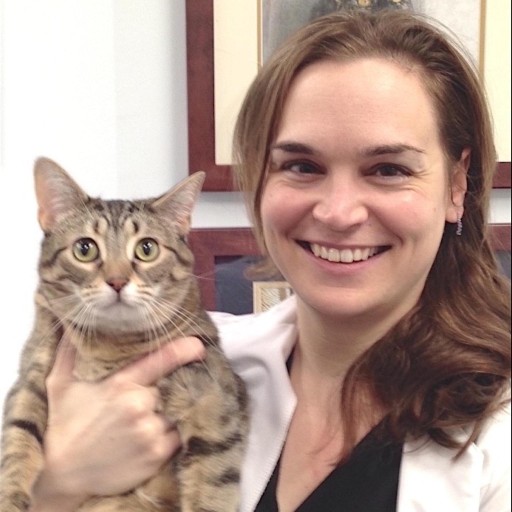
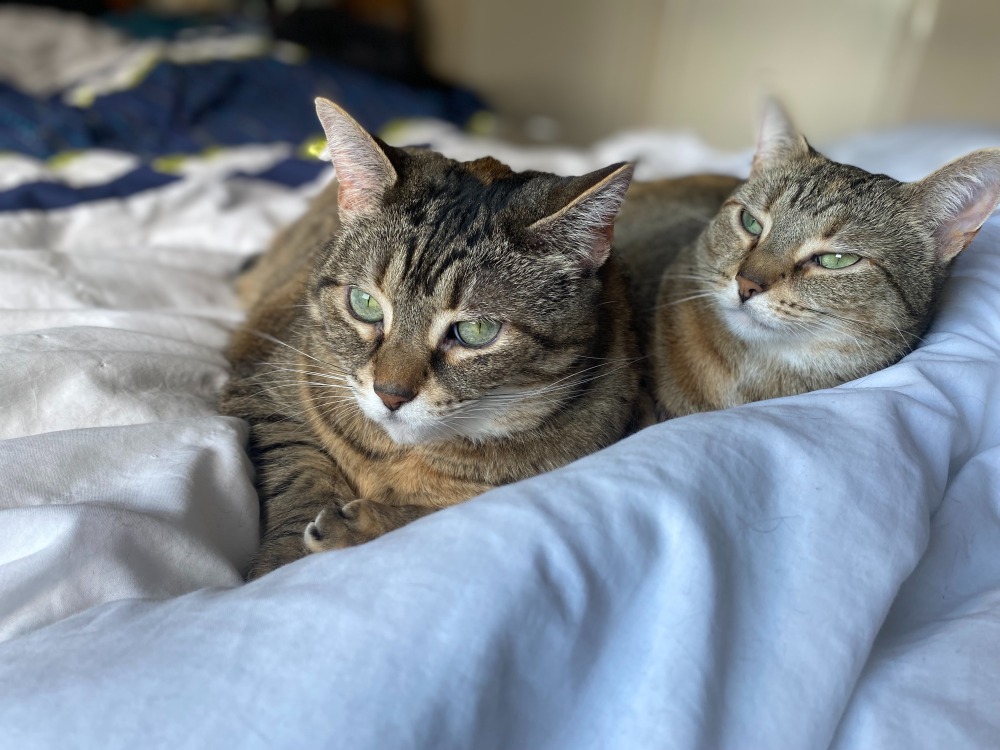
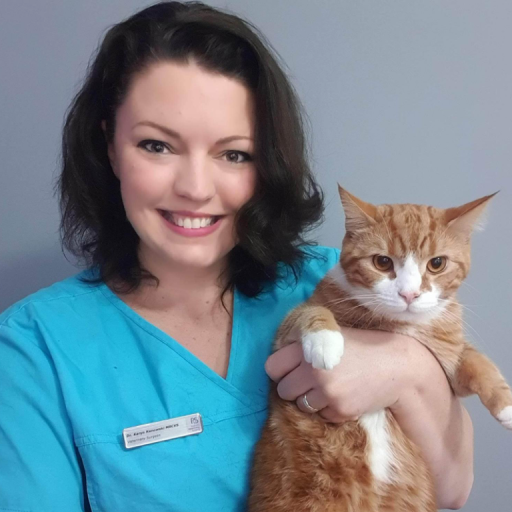
Hi, I’m Dr. Lauren! Read my introduction to learn more about me and my two adventurous cats, Pancake and Tiller.
We all need somebody to lean on, croons the famous earworm by Bill Withers. And it’s true—at some point, or at many points in life—we all need somebody to lean on.
If you turn on the TV or radio these days, common topics include the cost of living, which has now even been elevated by some news outlets to “The Cost of Living Crisis”. And it’s certainly undeniable that even the most basic of Maslow’s Hierarchy of Needs are becoming unattainable for many people, which makes achieving the upper strata such as happiness and self-actualization decidedly more difficult.
Pets, and the veterinary profession, are no exception to these present-day concerns. As vets, this often leaves us embedded in the struggle as well. There are few things we vets like less than having to discuss the financial costs of veterinary care and treatment, especially when our patients’ owners can sometimes barely afford to pay rent or for a car repair that month…or worse.
In vet school, we used to have scenarios discussing ethical dilemmas that we’d run across in practice, and in small groups, we’d try to come up with solutions.
One that has always stuck with me is the dilemma of a retiree or pensioner who was himself eating cat food, because it was cheap and what he could afford. The ethical dilemma was then presented to us as students: if he brought a sick cat into the clinic who needed treatment he couldn’t afford, how would we handle this situation, to achieve the best outcome for all involved? It was a tricky question, on many levels.


Sick Pet and Limited Resources: What Can You Do?
In one of my earlier articles, I wrote about the benefits of health insurance for animals, and I still think it is a fantastic option—when it is an option. Sometimes, it simply isn’t: the cost may be too high for some pets, or simply not in the monthly household budget. In those cases, when a pet gets sick, what options do people have?
A recent reader question for Catster led me down the road to find out, but they are not the first or last reader to ask that same question, so I thought it was time to write the answer from a veterinarian’s perspective, and to make a practical resource for pets and owners who love them to best start the process of answering the question:
Where or how do you find help when you have a sick pet and limited financial resources?

Finding Help for a Pet in Need
As a vet, here’s the way I’d recommend approaching the question of what help and resources are available for a sick/injured pet.
Start local. Do a web search to find out what public and private shelters and animal rescue groups are within the local area. It is becoming more common for many groups to have funding set aside for the treatment of sick or injured pets, with the aim of keeping them in the home with their owner.
Previously, and less commonly these days, a group or shelter may require an owner to sign over ownership of their pet, and then treatment will occur, after which the pet will be rehomed. Even if a local group does not have funds themselves, they may know of other groups that do.Do a web search as well for breed-specific rescue groups, even though they may not be local. They may have other resources set aside specifically for these particular animals.
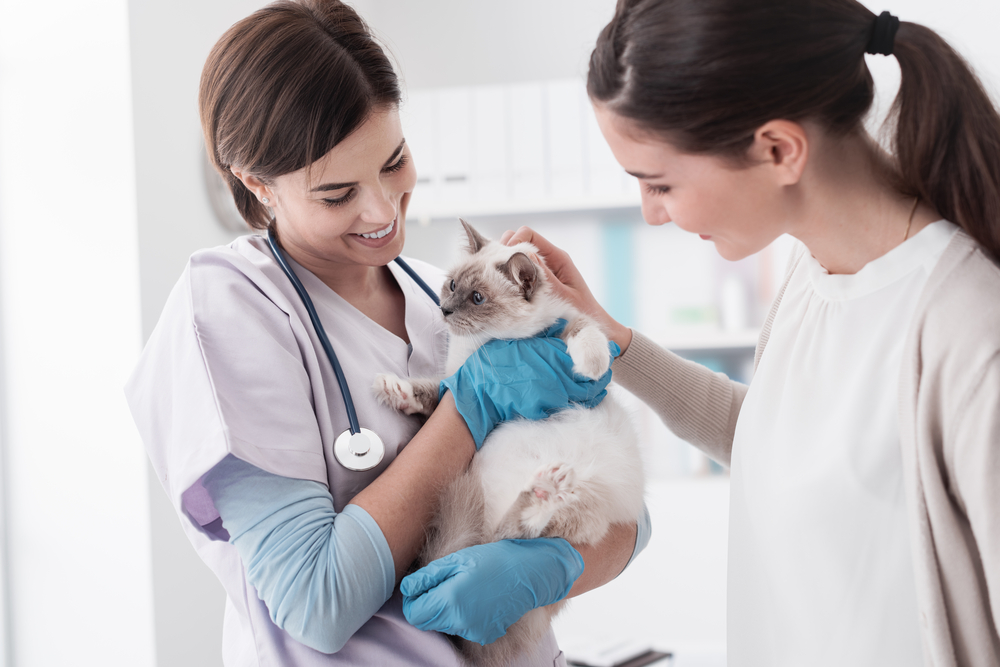
Call local veterinary hospitals. They will often be well-placed to know what funding resources are available. Call multiple hospitals, as not all hospitals will have access to the same information. Individual clinics may also have their own benevolent-type funds, which may be available to certain pets in certain circumstances.
National options may also be available, but they may take more time to obtain funding, and not be appropriate for urgent situations. In the US, the following are a few websites that list synopses of many such options, to help begin a search:
National Resources:
In no way are these all the websites, or options, that are available. They will vary country by country, certainly. Sometimes, being creative in your search, and finding a lesser-known option, may be in your benefit, as there will be less demand for the funds, and may make your attempts more likely to be successful! So get creative when searching, and ask friends and family to have a look, as well.

Other Options for Pets in Need
These are not always options for everyone, but can be worth considering, in some instances.
Veterinary-specific credit cards: These can often be applied for in the clinic, and used at the same visit, for veterinary costs. Some come with a grace period, where if funds are paid back prior to the end of that period, no interest is added to the total amount paid.
Payment plans: Some clinics offer payment plans, but this will vary depending on the practice.
Crowdsourcing websites (e.g., GoFundMe, CoFundMyPet, etc.): I’ve seen people raise money for local community cats or friend’s cats in need. For instance, one client funded a cat’s major dental work, by posting on social media.
Friends or family: Sometimes they might be able to lend a hand with the cost of care in a pinch.
Local veterinary schools may run low-cost or no-cost spay/neuter clinics, or similar, for local animals. This allows training for the veterinary students, as well as helping to get animals needed medical care.
Local veterinary clinic or vet school clinical studies: These generally require your pet to meet stringent conditions depending on the study topic. For instance, one study I was involved in required cats to have blood pressure and kidney values within a specific range, for entry in the study. However, once in the study, a pet received various different compensation methods, including free veterinary care, free labwork, and even compensation directly to owners. Each study will vary greatly on what is provided, so ask to get the specifics. Many clinics will use Facebook or other social media platforms to advertise these types of research opportunities. They can be hugely helpful, in the right circumstances!
Ask the question on your own social media. Similar instances may have been encountered on local pet forums, or by friends and family. They may be able to alert you to other options.
Seek support from forums of owners and pets with similar conditions. Don’t go through the struggle alone! Mental health can be hugely impacted when our pets struggle. You need to support your own well-being during tough times as much as your pets’, and talking about what you are going through with like-minded individuals can offer huge benefits.
For instance, the feline FIP page on Facebook was hugely beneficial and supportive for many of my feline clients in the years prior to COVID-19, when we had far less access to coronavirus treatments, and as a vet, I learned a few things from the group, as well. It also gave owners who were struggling with grief and angst over their cat’s diagnosis a great outlet to share with others experiencing the same concerns.
Having a cat (or dog) in need can feel overwhelming, at times. Hopefully, this guide gives you more information on the options that are potentially available to make medical care more accessible. Working with cats, I’ve learned a lot of the ins and outs of the veterinary profession, things that we often forget that pet owners don’t always know. I hope this inside guide provides better resources to enable those in need to get their pets the help they need.
This article is a part of Dr. Lauren, Pancake, and Tiller's series.

Expert cat care, straight to your inbox
Vet-reviewed advice, behavior tips, and the best of Catster. Free, and you can unsubscribe anytime.
By signing up, you agree to our Terms & Conditions and Privacy & Cookies Policy.
Dr. Lauren Demos DVM (Veterinarian)
As a veterinarian, Lauren is eager to share her experience in emergency medicine and cats, with our readers. She loves sharing helpful, real life tips for having cats as part of your life, and what to do in critical situations with your pets.
Lauren is a vet with over a ten years of experience in cats and dogs, along with infectious diseases. She enjoys teaching, and lectures for students, pet owners, and clinicians, on various topics.
Lauren received her degrees from Murdoch University, in Perth.
Join the conversation
Ask a question, share your story, or send private feedback.