Catster is reader-supported. When you buy via links on our site, we may earn an affiliate commission at no cost to you. Learn more.

Cat Health & Care

Normal Cat Blood Pressure: Vet-Approved Information & Facts

By Patricia Dickson · Reviewed & fact-checked by Dr. Marta Vidal-AbarcaVet Approved
Dr. Marta Vidal-Abarca
Reviewed & Fact-Checked byDr. Marta Vidal-AbarcaBVSc GPCert Ophthal MRCVS (Veterinarian)
Dr. Marta has over 16 years of veterinary experience, working across the UK and Spain as a remote veterinary consultant and in the clinic. She graduated from Cardenal Herrera-CEU University in Valencia, Spain. She holds two Ophthalmology Certificates, GPCert Ophthal from ESVPS and UAB. She has wide experience in small animal internal medicine and surgery with a soft spot for cats. Marta is a member of the Royal College of Veterinary Surgeons, and her main fields of interest are ophthalmology and critical care medicine. Dr. Marta loves being able to share the most helpful information with pet parents across the world as one of Catster's in-house veterinarians. She wants to provide details that can help in all aspects of pets' lives with their beloved ones. She loves knowing that she can support our readers and communicate about any medical topic that might be relevant to their pet's health and well-being.View authorThe information is current and up-to-date in accordance with the latest veterinarian research. Read about our vets
Share
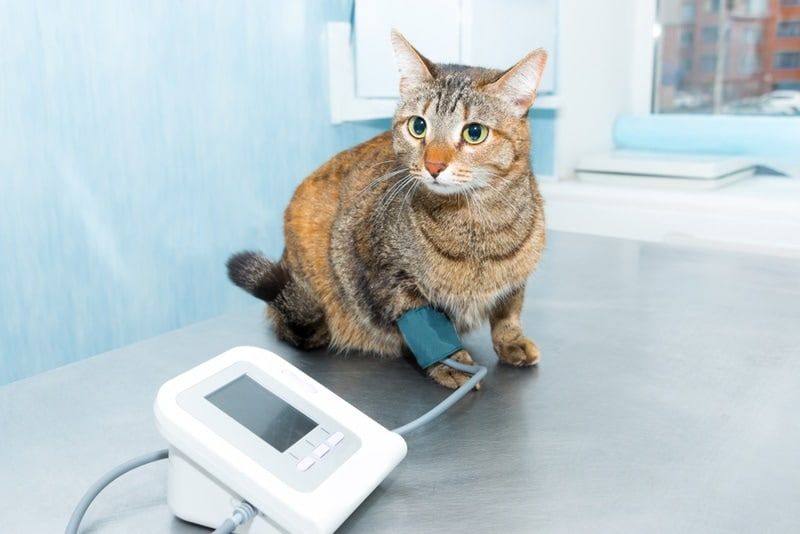
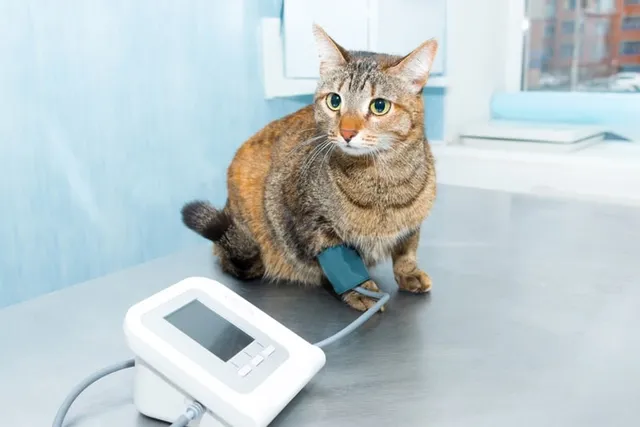
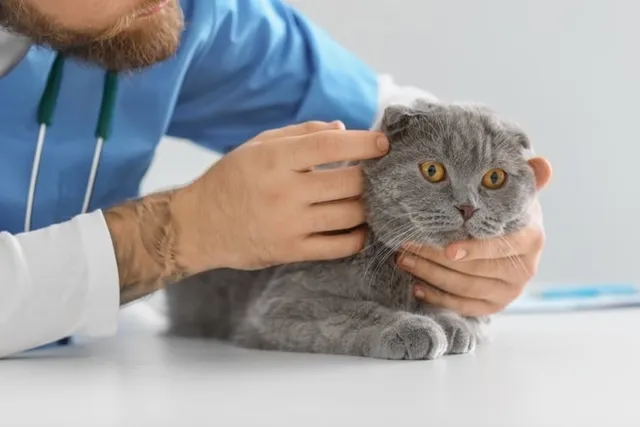
checking blood pressure of cat

As pet parents, we want only the best for our feline friends. However, many cat owners don’t realize that, much like humans, cats can also suffer from problems with their blood pressure. The normal blood pressure range for your feline should be between 120 to 140 mmHg. If your cat is above that, it is possible that they are suffering from hypertension and need to be taken to the vet right away for diagnosis and treatment.

It’s also possible for your feline’s blood pressure to dip below normal, which is also a problem. We’ll discuss a cat’s blood pressure, what problems it can present, and more in the guide below.

divider 3 paws

Signs of Hypertension (High Blood Pressure in Cats)

Cats that are above 7 - 10 years of age are at higher risk of developing hypertension or high blood pressure. Even so, cats of any age are susceptible to hypertension.

Here are the signs that indicate your pet has high blood pressure:

  • Changes in behavior
  • Weakness
  • Disorientation
  • Blindness
  • Heart murmurs
  • Lack of balance
  • Seizures

If you notice any of these signs, or if you even suspect your cat might have high blood pressure, it’s best to talk to your vet right away and schedule an appointment.

Causes of Hypertension in Felines

In most instances, feline hypertension is caused by another illness that your cat might be suffering from so-called secondary hypertension. Secondary hypertension accounts for almost 80% of all high blood pressure issues in felines. Primary hypertension without any underlying disease occurs less commonly in cats than in humans. Secondary hypertension in felines can be caused by renal disease, obesity, hyperthyroidism, and other hormonal problems.

The causes of secondary hypertension in felines can be caused by diabetes, renal disease, obesity, hyperthyroidism, and hormonal problems. Though diabetes can cause high blood pressure in your furry friend, it’s pretty rare for that to happen.

Can High Blood Pressure in Cats Be Treated Effectively?

Yes, if it’s caught in time, high blood pressure in cats can be treated effectively. With secondary high blood pressure, treating the illness that’s causing the problem will be essential, but it may not lower the blood pressure back into the normal range on its own 1.

In most cases, a vet will put a cat on medication to keep their blood pressure in the normal range. You’ll want to talk to your vet about the best medicine and diet options to suit your cat’s needs. Your vet will monitor your cat’s blood pressure on a regular basis to make sure it is not too high or too low with the current treatment plan.

divider cats oct 2024

Signs of Hypotension (Low Blood Pressure) in Cats

Your feline can develop hypotension or low blood pressure also. Some of the signs of the conditions below are similar to those with hypertension.

Causes of Hypotension in Felines

Your cat can end up with hypotension by suffering an injury that ends up with the cat losing a significant amount of blood. The feline’s blood pressure will start dropping because less blood is circulating in the feline’s system. There are other situations that can lead to hypotension, such as complications from anesthesia or medications.

There are also a few health issues that can lead to low blood pressure in felines as well.

These include the following:

  • Heart issues
  • Severe infections
  • Anaphylactic shock
  • Severe dehydration

The most common result of untreated hypotension is that the organs do not get the oxygen and nutrients they need. This can cause the cat’s organs to become damaged, stop working properly, and eventually shut down entirely.

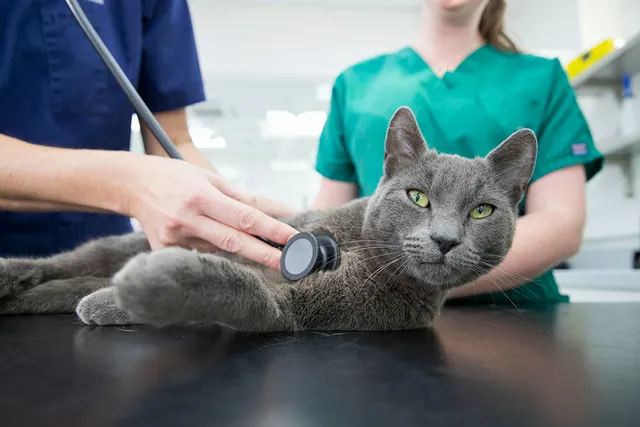
vet holding burma cat
Image By: Elpisterra, Shutterstock

Can Low Blood Pressure in Cats Be Treated Effectively?

Hypotension is a life-threatening situation. It can be treated effectively if the cat receives prompt treatment from your veterinarian. Determining the underlying cause of the low blood pressure makes treating that condition easy and getting your cat back on top where it belongs.

Can You Help Lower Your Cat’s Blood Pressure at Home?

You can help with lowering your cat’s blood pressure at home. However, you’ll first want to take the cat to your vet for diagnosis and treatment. Carefully follow your vet’s advice in terms of medication and changes to your pet’s lifestyle. Once you start with hypertension treatment, it is essential to keep a very close eye on your cat and speak to your vet immediately if you notice any changes to their demeanor, appetite, or thirst.

Measuring blood pressure in cats is done in much the same way as in humans; it is an easy and pain-free test. Your vet will schedule frequent blood pressure monitoring and will check the so-called target organs (eyes, brain, heart, and kidney) to make sure your cat’s blood pressure is well controlled and is not affecting the function of the above organs.

divider cats oct 2024

Final Thoughts

The normal blood pressure for a cat falls between the 120 to 130 range, and that’s where you want your cat’s blood pressure to stay. If you see any of the signs of either of these issues, make an appointment with your vet right away.

You can help regulate your cat’s blood pressure at home by following your vet’s guidance. Keep a close eye on your cat and work as a team with your veterinarian to help your kitty have the best possible outcome.

Sources

Featured Image Credit: Ekaterina_str, Shutterstock

The Catster Newsletter

Expert cat care, straight to your inbox

News, insights, and useful advice, delivered to you.

No spam — unsubscribe anytime.

By signing up, you agree to our Terms & Conditions and Privacy & Cookies Policy.

Click a star to rate. You can leave written feedback afterwards. (We read all feedback.)

Patricia Dickson
Authored by

Patricia Dickson

Leave a Reply

You're very welcome to leave a comment or question. Please know that all comments must meet our community guidelines, and your email address will NOT be published. Let's have a positive and constructive conversation.

Low Blood Pressure in Cats: Our Vet Explains the Signs, Causes, Treatments & FAQ

Low Blood Pressure in Cats: Our Vet Explains the Signs, Causes, Treatments & FAQ

Low blood pressure occurs less commonly in cats than high blood pressure does. Causes may include blood loss, severe infection, heart disease, or even side eff…

Dr. Stacie Grannum
By Dr. Stacie Grannum ·
Hypertension In Cats: Vet Reviewed Signs, Causes & Care

Hypertension In Cats: Vet Reviewed Signs, Causes & Care

Cats are beloved family members that rely on their humans for love, companionship, and care. However, cats that receive love, high-quality food, and plenty of…

Lorre Luther
By Lorre Luther ·
What Is a Normal Heart Rate for a Cat? Vet-Approved Facts & Health Tips

What Is a Normal Heart Rate for a Cat? Vet-Approved Facts & Health Tips

Cats have smaller bodies than we do, so it’s only natural that they’d have faster heart rates. The normal cat resting heart rate is between 160–220 beats per m…

Christian Adams
By Christian Adams ·
What Are Normal Vital Signs for Cats? Vet-Approved Tips & FAQ

What Are Normal Vital Signs for Cats? Vet-Approved Tips & FAQ

A cat’s vital signs can help determine how the feline is doing, as well as point out any potential problems. For instance, if a cat’s heart rate is too fast or…

Kristin Hitchcock
By Kristin Hitchcock ·

How to Check Your Cats Heart Rate: Vet-Reviewed Advice & Tips

As a pet parent of a beloved cat, you want the cat to be happy, healthy, and well-fed. You do everything in your power, from taking the cat to the vet for chec…

Patricia Dickson
By Patricia Dickson ·
How to Check Your Cats Heart Rate: Vet-Reviewed Advice & Tips

11 Vet-Approved Cat Heart Facts: How Feline Hearts Compare to Ours

The size of a cat’s heart is, naturally, much smaller than that of a human, but it is just as important. It pumps oxygenated blood around the body while carryi…

Christian Adams
By Christian Adams ·
11 Vet-Approved Cat Heart Facts: How Feline Hearts Compare to Ours

Cat Strokes: Signs, Causes, Diagnosis, Care & FAQ (Vet Answer)

Although relatively rare, cats experience strokes. A stroke occurs when there is an abrupt interruption in the blood supply to your cat's brain. It can be very…

Dr. Emma Chandley, BVM
By Dr. Emma Chandley, BVM ·
Cat Strokes: Signs, Causes, Diagnosis, Care & FAQ (Vet Answer)

Can Cats Die of Old Age? Vet-Approved Facts & Care Tips

Our beloved cats give us a lifetime of love, laughter, and joy, but aging will ultimately take its toll on all of us. It’s fairly common to hear that a pet die…

Lindsey Lawson
By Lindsey Lawson ·
Can Cats Die of Old Age? Vet-Approved Facts & Care Tips

10 Senior Cat Health Problems: Vet-Verified Common Issues

Like people and other animals, cats start to show signs of aging as they reach their senior years. Typically, 10 years is considered to be senior for a cat, al…

Matt Jackson
By Matt Jackson ·
10 Senior Cat Health Problems: Vet-Verified Common Issues

Can Stress Cause a Heart Murmur in My Cat? Here's What You Should Know

Normal, healthy cats can get temporary heart murmurs due to stress1. The adrenaline and cortisol released into their bloodstream in stressful situations cause…

Kristin Hitchcock
By Kristin Hitchcock ·
Can Stress Cause a Heart Murmur in My Cat? Here's What You Should Know

How Do I Give CPR to a Cat? Vet-Verified Step-by-Step Guide

Performing a feline cardiopulmonary resuscitation (CPR) is a procedure every veterinarian and technician master, but likely not every cat companion. CPR is use…

Lorre Luther
By Lorre Luther ·
How Do I Give CPR to a Cat? Vet-Verified Step-by-Step Guide

How Much Should My Cat Weigh? Vet-Approved Chart & Infographic

Cats are one of America's favorite pets, but as more of them spend their lives indoors, they are also putting on more weight. Obesity can lead to several healt…

Christian Adams
By Christian Adams ·
How Much Should My Cat Weigh? Vet-Approved Chart & Infographic

Love Cats? So Do We! Join the Catster Community

Stay informed with expert cat care insights delivered straight to your inbox! Discover professional guidance on feline behavior, feeding tips, trusted product picks, and much more.

You may opt-out at any time. View our Privacy Policy for more information.

The Catster site on a phone