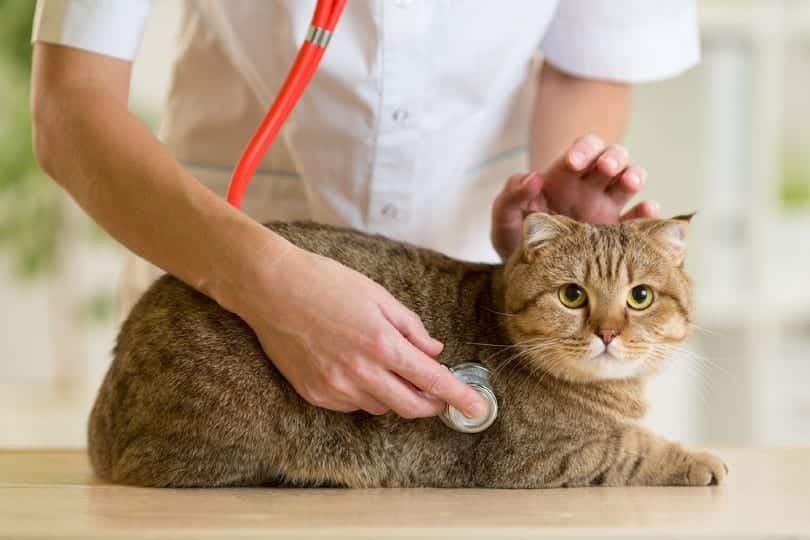
Hypertension In Cats: Vet Reviewed Signs, Causes & Care

In this article
Cats are beloved family members that rely on their humans for love, companionship, and care. However, cats that receive love, high-quality food, and plenty of exercise sometimes have medical conditions, including high blood pressure or hypertension.
Left untreated, hypertension can have serious adverse health consequences, including heart disease and seizures.1 It can even lead to blindness in some cats. Hypertension is sometimes caused by underlying conditions, making an accurate diagnosis necessary for treatment.

What Is Feline Hypertension?
Feline blood pressure readings involve two numbers: systolic and diastolic pressure. The first measures arterial pressure when your cat’s heart contracts. Veterinarians rely mostly on systolic measurements when diagnosing high blood pressure.
Hypertension occurs when a cat’s systolic blood pressure (SBP) exceeds 160 mmHg.2 Readings of 150 mmHg or less are considered normal. But cats with blood pressure readings of 150 mmHg are considered hypertensive if they also have signs of organ involvement, such as vision loss. Multiple readings are required to obtain accurate measurements. High blood pressure is related to an underlying condition in a stunning 80% of cats diagnosed with the disease.
The disease can damage your cat’s kidneys, heart, and eyes without prompt treatment. Vision loss is one of the most common early signs of the condition. Cats with high blood pressure often suffer brain and neurological damage as well. Untreated, it can lead to seizures and even death from heart failure in cats.


What Are the Signs of Hypertension?
Hypertension often goes undiagnosed because there are so few signs early in the disease process. Early signs of the condition are subtle, making it difficult to catch hypertension based on the signs alone. Many veterinarians recommend that pets over 7 have regular blood pressure measurements.
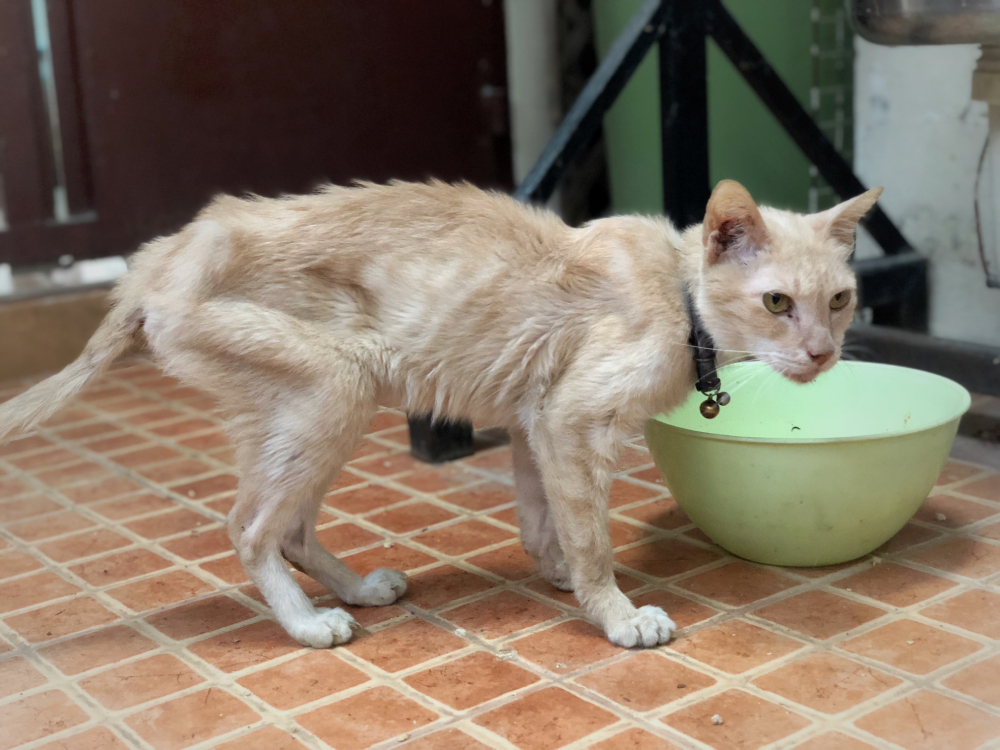
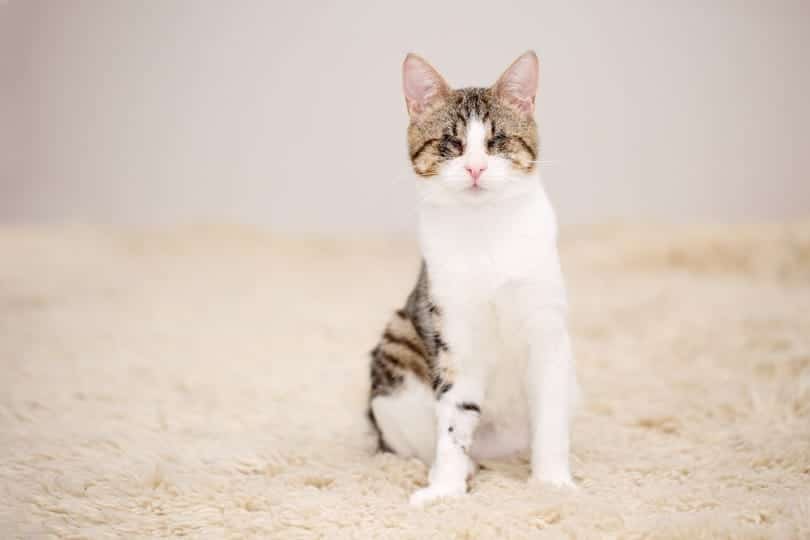
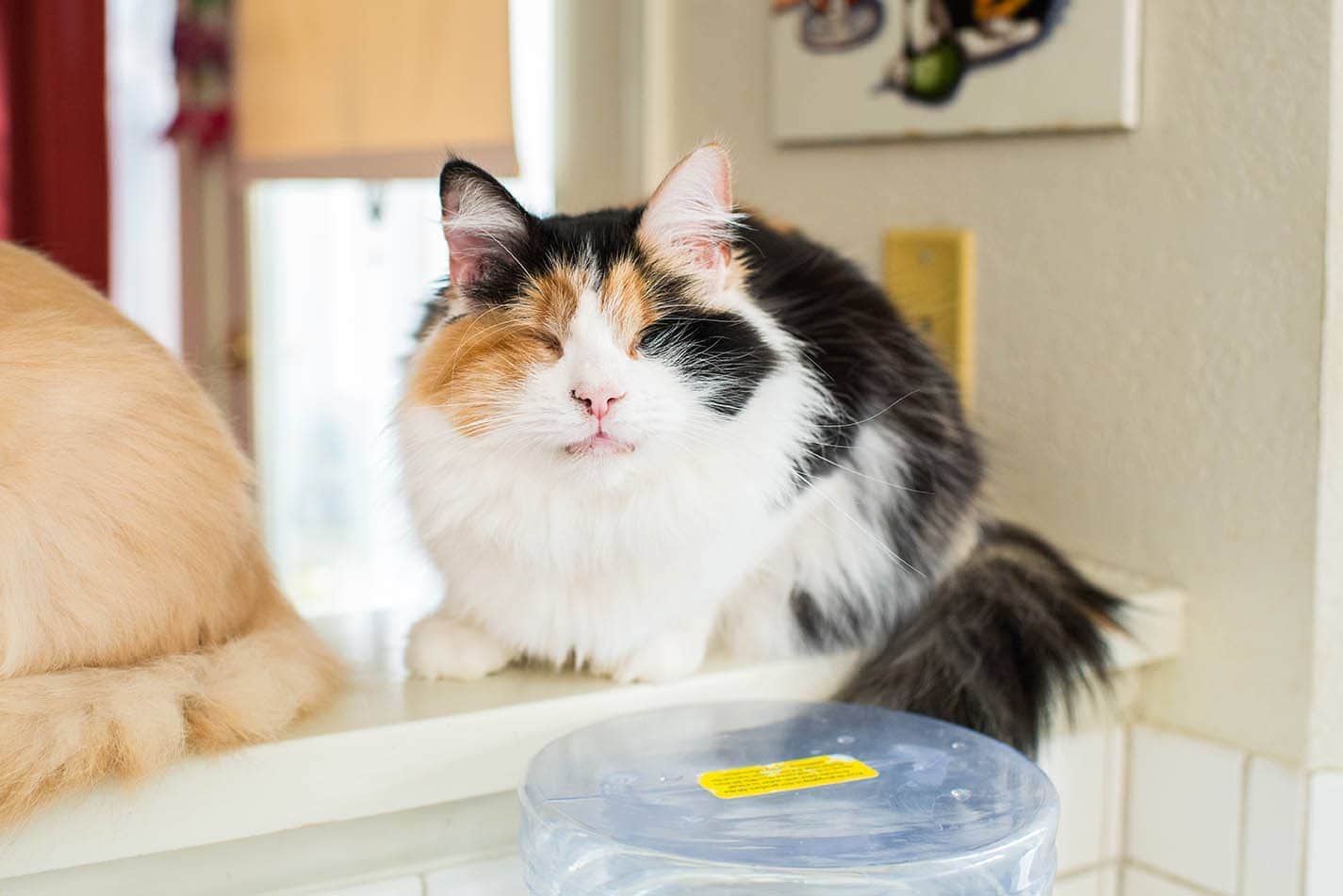
Vision loss is often one of the first signs of high blood pressure. Cats with hypertension-related vision issues sometimes bump into things and usually have fixed and dilated pupils. Disorientation and behavioral changes can signify a neurological issue, and appetite changes and increased urination sometimes point to hypertension-induced kidney damage. Cats with heart trouble caused by high blood pressure sometimes have trouble catching their breath and are at increased risk of developing congestive heart failure.

What Are the Causes of Hypertension?
There are actually two types of feline hypertension: primary and secondary. Primary hypertension is diagnosed when the condition isn’t related to any underlying disease. Secondary hypertension is the result of an underlying condition. Secondary hypertension tends to be seen far more often than primary hypertension.
1. Disease
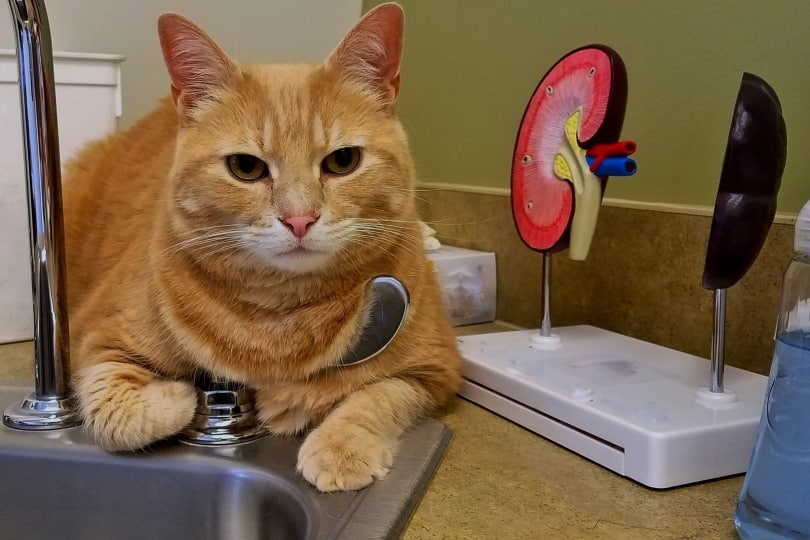
Diseases often linked to feline hypertension development include chronic kidney disease (CDK), hyperthyroidism, and some rare adrenal conditions. But CDK tends to be the biggest culprit for hypertension; it’s present in more than 60% of cats with high blood pressure. Hyperthyroidism is diagnosed as the underlying cause in about 20% of cats with hypertension.
2. Obesity
Obesity is often a major contributing factor to hypertension. Ensuring cats maintain an appropriate weight is critical for their overall health and well-being and essential for limiting their risk of developing quality-of-life-decreasing chronic conditions such as heart disease, CDK, and hypertension.

3. Tumors
Many feline hyperthyroidism cases are linked to benign tumors. High blood pressure is more often seen in older cats, as senior pets are more likely to have underlying conditions that cause hypertension.
How Do I Care for a Cat With Hypertension?
Treatment is largely based on whether the diagnosis is primary or secondary hypertension. Primary hypertension is often treated with medication and lifestyle changes, including weight loss if appropriate.
Addressing secondary hypertension is often a bit more complicated, as treating both high blood pressure and the underlying disease is necessary. Once hypertension is diagnosed, most veterinarians screen for underlying conditions commonly related to CDK, hyperthyroidism, and some types of heart disease. Treatment of cats with secondary hypertension depends largely on the underlying diagnosis.

Treating Underlying Causes
While CDK isn’t curable, it’s often possible to slow the disease’s progression with medication, dietary changes, and increased hydration. Hyperthyroidism can usually be treated with either medication or radioactive iodine therapy. Pets with heart conditions often benefit from medication to control the fluid accumulation and to relax the heart muscle.
Many conditions, such as high blood pressure, osteoarthritis, and some heart conditions, are linked to feline obesity. Cats diagnosed with high blood pressure that weigh too much may benefit from dropping a few pounds. Ask a veterinarian if your cat would benefit from slimming down a bit.
Improving Hydration
Many indoor cats don’t consume enough water to ensure proper hydration. Dehydration is hard on a cat’s kidneys. Cats with kidney and bladder problems often benefit from increased water intake. Cat fountains often tempt finicky cats to drink more, and increasing the amount of wet food in your pet’s diet is a tasty way to boost their water intake to help manage underlying kidney conditions.

Medication
Many cats diagnosed with feline hypertension must take medication for the rest of their lives. If your cat refuses to take pills, ask your veterinarian about flavored liquid options that may be more palatable to your buddy. Cats with hypertension and an underlying chronic condition often benefit from being checked out every 3 to 6 months.
Frequently Asked Questions
How Is Hypertension Diagnosed?
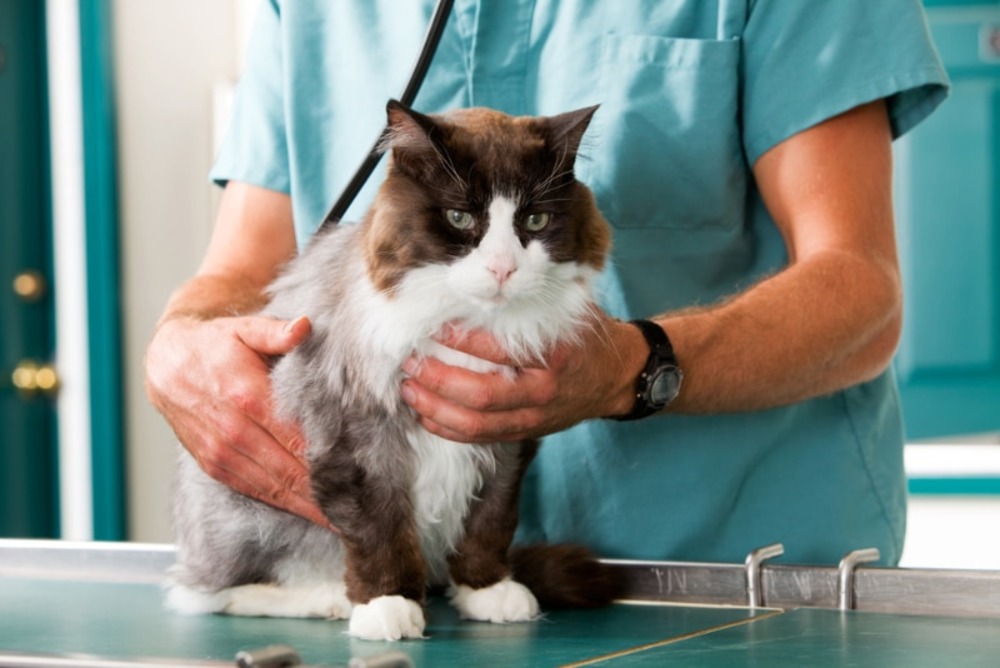
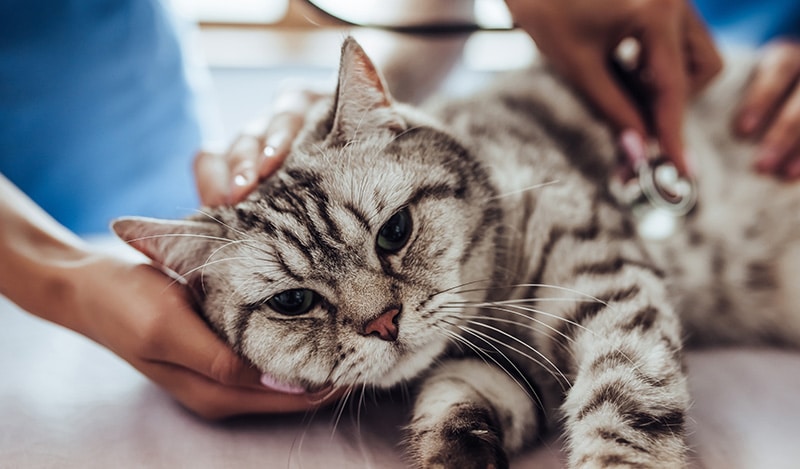
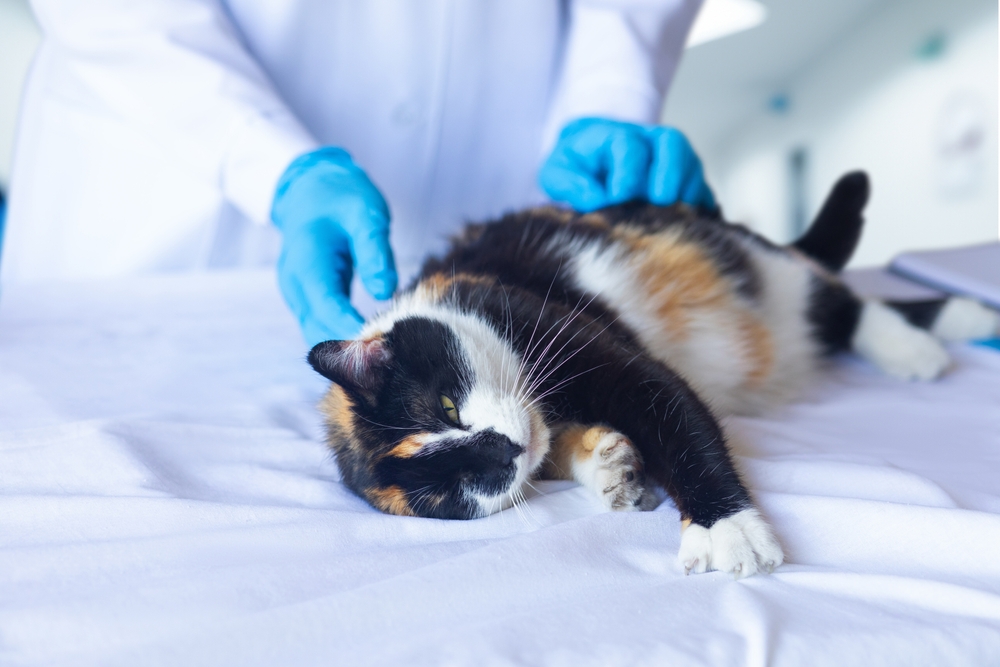
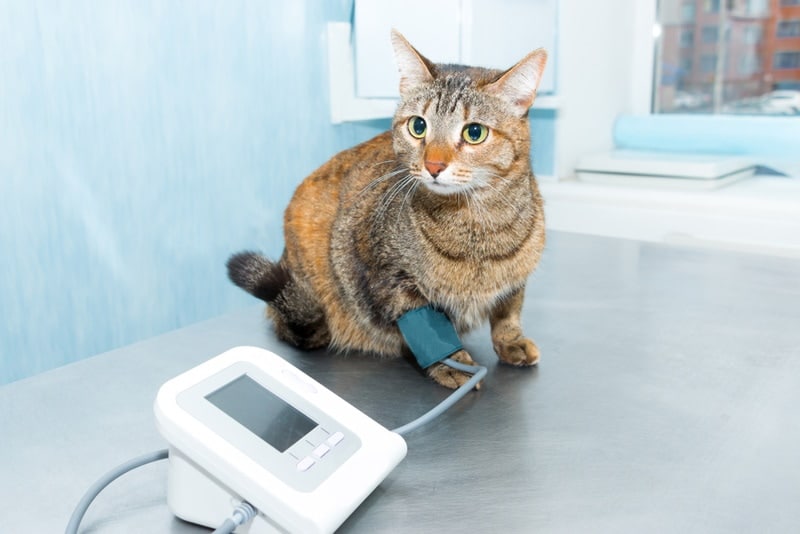
The condition can usually be identified using a device attached to your cat’s leg or tail. It’s also possible to get blood pressure readings using ultrasound devices. Several readings are generally required to obtain an accurate measurement, as some cats become stressed and move around during the process.
Multiple measurements taken on different days often provide the most accurate diagnosis. Blood pressure measurements are often more on target after cats have been resting in a soothing room for 5 to 10 minutes. High systolic pressure indicates hypertension.

Can Damage Caused by High Blood Pressure Be Reversed?
It depends. If the condition is caught early enough, it’s sometimes possible to reverse vision loss in some cats. However, many cats that lose their vision because of high blood pressure don’t regain their sight even with prompt treatment. Hypertension can also cause signs such as muscle weakness, balancing problems, and behavior changes in some pets. These signs often go away if the condition is identified and addressed early enough.
Conclusion
Hypertension is a relatively common health condition. It’s often linked to the presence of underlying conditions such as CKD or hyperthyroidism, but many cases have no apparent cause. Hypertension is diagnosed by measuring your cat’s blood pressure with a cuff or ultrasound. If hypertension is diagnosed, most veterinarians run tests for underlying diseases often linked to the condition. Treatment involves addressing any underlying conditions as well as blood pressure reduction measures.
Sources
Featured Image Credit: Ekaterina_str, Shutterstock

Expert cat care, straight to your inbox
Vet-reviewed advice, behavior tips, and the best of Catster. Free, and you can unsubscribe anytime.
By signing up, you agree to our Terms & Conditions and Privacy & Cookies Policy.
Lorre Luther is a writer who is firmly convinced that cats are smarter than humans. She left her law career in the United States and moved to the Netherlands to follow her dream of becoming a writer. Lorre currently lives in Rotterdam, she enjoys traveling and greatly appreciates the beauty of nature. Lorre has a spot for animals and admires the intelligence of cats.
Join the conversation
Ask a question, share your story, or send private feedback.