Can Cats Die of Old Age? Vet-Approved Facts & Care Tips


In this article
Our beloved cats give us a lifetime of love, laughter, and joy, but aging will ultimately take its toll on all of us. It’s fairly common to hear that a pet died of old age, but this is a common misconception. Aging, in and of itself, is not a cause of death. That being said, increasing age is considered a risk factor for some diseases in cats.
When a senior cat passes away, it is often the result of various health conditions and organ system failure that are associated with old age. Generally, there will be signs of illness and deteriorating health before death occurs.

The Life Stages of a Cat
Indoor cats live an average of 12 to 18 years, but some have even been known to make it past 20. The life stages of a cat are broken up into six categories:
| Kitten: | Birth to 6 months |
| Junior: | 7 months to 2 years |
| Adult: | 3 to 6 years |
| Mature: | 7 to 10 years |
| Senior: | 11 to 14 years |
| Super Senior: | 15 years and up |
Just because a cat is considered a senior does not mean their health is going to rapidly deteriorate. Each cat is unique, and many factors will play a role in how many years they get here on Earth, including genetics, medical conditions, nutrition, weight, and more. There’s no set age for when a cat will begin to slow down and show signs they are nearing the end.

The 7 Most Common Illnesses in Older Cats
Various health conditions may lead to the death of a senior cat. Certain conditions are much more common than others, with the most common illnesses in older cats being:
1. Cancer
Cancer is the leading cause of death among cats and accounts for approximately a third of deaths in cats over 9 years of age.1 Though the exact cause of cancer is unknown, Feline Leukemia Virus (FeLV) and Feline Immunodeficiency Virus (FIV) are thought to be significant contributors to cancer formation. Therefore, vaccinations for FeLV are highly recommended for your cat. Other factors that may increase the risk of cancers in cats could include high amounts of exposure to the sun and their genetics.
Cats can develop many different types of cancers, though some of the more common ones include lymphomas, oral squamous cell carcinoma, skin cancers, mammary gland cancers, and abdominal cancers. Skin cancer manifests as a lump or bump somewhere on your cat's body. Other less specific signs of cancer are as follows:
Signs of cancer may include:
The prognosis for cancer in cats depends on the type of cancer, its level of progression, any concurrent health issues your cat has, and treatment options available (these include surgery, chemotherapy, medication, radiation, or immunotherapy).
2. Kidney Disease
Kidney disease is very common in senior cats and occurs from chronic damage to the kidneys. Signs of kidney disease often don’t show up until the disease has progressed. The kidneys are responsible for removing waste from the bloodstream, helping to regulate certain minerals, conserving water for the body, and producing urine to excrete the waste. In addition, the kidneys produce a hormone known as erythropoietin, which is needed for the release of new red blood cells from bone marrow into your kitty's bloodstream.
Urinalysis and blood tests will be performed to properly diagnose kidney disease. Your vet may also perform additional diagnostics to have a look at your cat's kidneys and urinary tract, such as X-rays and ultrasounds.
A short-term injury to the kidney, termed acute kidney disease, usually has a good prognosis if diagnosed and treated promptly. Unfortunately, chronic kidney disease (CKD) doesn’t have a specific cure, and treatment involves managing signs of the disease and improving hydration. Prognosis is dependent on the individual, how advanced the disease is, and the response to treatment.
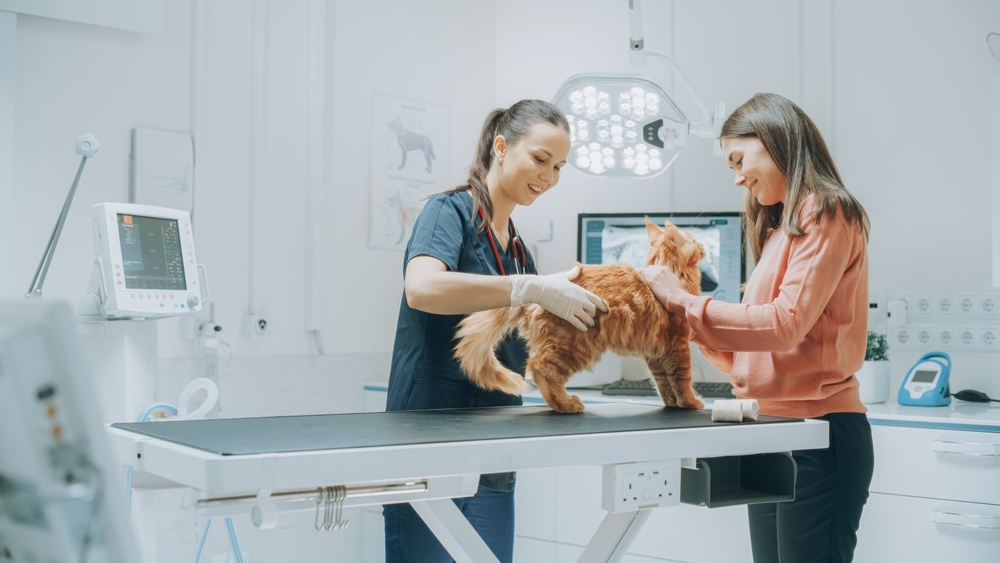
As mentioned before, the signs of kidney disease don't present themselves until a certain amount of damage has been sustained by these organs. Therefore, it is very important to have routine veterinary check-ups for your cat, which may assist with early detection of a developing health issue. It is advised to have a wellness checkup with your vet at least once per year for young and adult cats, and twice per year for seniors. If your senior cat is eating less, losing weight, drinking more, or urinating more, get them seen by your vet urgently.
3. Heart Disease
Heart disease is a blanket term for any abnormality of the heart. Heart disease can affect as many as 1 in 10 cats worldwide. This is a very serious, life-threatening condition that can be broken down into two separate categories:
Congenital - Typically the result of developmental issues within the heart during fetal development. Congenital heart disease may affect only one kitten within a litter, but it can also be caused by inherited health disorders that can affect more than one kitten. Unfortunately, these kittens often don't live as long as other cats do. Therefore, it is important for breeders to properly screen potential parents for genetic issues prior to having litters. If you're going to adopt or purchase a purebred kitten, ask for proof of genetic tests performed on the parents or the litter to rule out heart issues. Breeds such as the Maine Coon, British Shorthair, and Persian cats seem more prone to congenital heart issues. Hypertrophic cardiomyopathy is the most common form of heart disease in cats, and genetics seems to play a role in its development.
Acquired - Acquired heart disease refers to the onset of heart disease due to damage to the heart and can be the result of an inherited health condition that developed over time, or may be due to another underlying health issue, such as hyperthyroidism. Hypertension is also common in older cats and can lead to heart issues as well. The exact cause of hypertension developing in older cats isn't properly understood yet.

4. Diabetes
Diabetes, known scientifically as diabetes mellitus, is an endocrine disease that occurs when blood sugar can no longer be effectively regulated by the body. Chronic obesity is one of the leading risk factors for diabetes in companion animals. Low-quality diets high in carbohydrates are also a common precipitant of diabetes in cats.
Diabetes must be diagnosed and managed under the care of your veterinarian. Though diabetes can negatively impact your cat’s quality of life and shorten their lifespan, it is important to note that with good compliance on your part, the disease can be managed well, and your cat may have an excellent prognosis depending on other factors (such as a lack of other diseases and no other chronic complications).
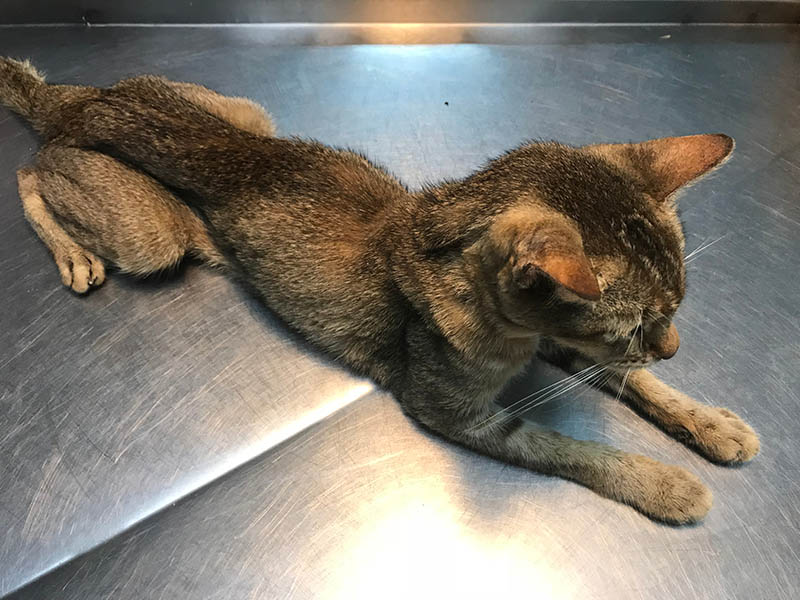
One of the possible health complications of diabetes in cats is the development of nervous system issues in their limbs. The main sign of this complication is a weakness of their hind legs. These neuromuscular weaknesses and changes in posture can be reversed in some cases; however, this process is slow and often takes months to fully achieve. In addition, cats with diabetes are more prone to infections and often easily succumb to recurrent urinary tract infections. It is important to work with your vet on a regular basis when dealing with a diabetic cat to manage such complications as best as possible.
5. Arthritis
Arthritis, also known as osteoarthritis or OA, is a condition involving inflammation and degeneration of one or more joints. Arthritis causes pain and inflammation in various joints and interferes with normal activity.
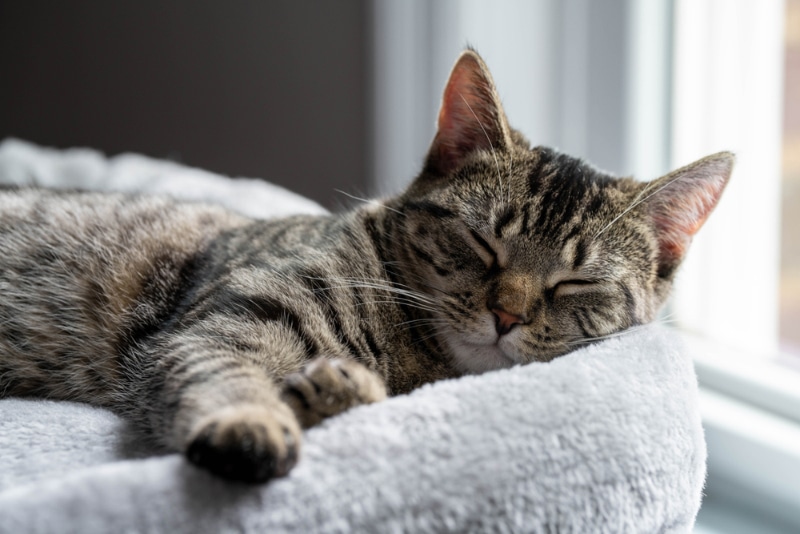
Arthritis is very common in older cats and often causes them to become less active and sleep more, and prevents them from jumping up onto perches and higher surfaces. Since this condition is painful and undoubtedly lowers your cat's quality of life, veterinary intervention is highly recommended to manage this ailment.
Cognitive Impairment in Senior Cats
Though usually not a cause of death, cognitive impairment is an often understudied condition that many senior cats deal with. This often goes unnoticed, but unfortunately does lower their quality of life. The mechanisms and causes of cognitive decline in cats are poorly understood. However, in many ways, cognitive decline in cats is different from that in humans. For example, cats do not develop the same lesions as humans with Alzheimer's disease do, even when they experience cognitive impairment and decline.
Nevertheless, it is important to note that you gradually find your senior cat "losing their mental edge" and being slow to respond to changes and new stimuli in their environment. They may occasionally forget the location of their litter box, may forget to self-groom, and so on. Therefore, it is important to offer additional care and attention for your senior cat. Though cognitive impairment is often unavoidable in senior cats, you may discuss medication (in the form of supplements) with your veterinarian.
In anecdotal cases, the addition of a kitten to the household helped some senior cats "relive" their younger days as they observed a new addition to the family being trained by their human owners. That being said, the decision to adopt a new pet is not one you should rush into and should be well thought out and planned. Also, note that many signs of cognitive decline can also be due to an underlying health issue and require veterinary attention.
Top 6 Tips for Caring for Your Senior Cat
With the right care and lots of love, you may be able to keep your precious kitty around for as long as possible. Unfortunately, we can’t keep our cats around forever, but some critical tips can help you care for your senior cat and extend their time with you.
1. Pay Extra Attention to Your Senior Cat’s Diet
Since senior cats often slow down in their older years, they will not be expending as much energy. When energy expenditure goes down, nutritional needs change. Talk to your vet about the changes you can make to your cat’s diet to best suit them during their golden years. You want to prevent them from becoming overweight or obese, as it not only puts more stress on their bones and joints but is also associated with many health conditions that could shorten their life.

2. Keep a Watchful Eye on Their Health
You should always be wary of any unusual physical or behavioral signs that could indicate a potential health problem for your cat. Seniors are no strangers to health problems, and it’s best to have them evaluated at the first sign of a problem.
3. Keep Up With Dental Care
Since dental diseases can result in appetite changes in your cat, staying on top of their dental health is imperative. Make sure you keep up with regular dental exams and cleanings, and never neglect oral health.

4. Ensure They Have Access to Clean, Fresh Water
Since kidney disease is a common ailment in older cats, having access to clean, fresh water at all times is a necessity. Be mindful that seniors may not physically be able to access water sources like they could when they were younger and more agile. Cats are often more inclined to drink from moving water sources, such as a pet fountain, as these also pique their curiosity.
5. Ensure They Get Exercise and Mental Stimulation
Regular exercise and mental stimulation are essential for overall quality of life. Take time out of your day to interact and play with your senior cat, even if it is mild and for short periods. Staying active has many benefits and can help increase longevity in the long run.

6. Visit the Veterinarian Regularly
It is always a good idea to keep up with your cat’s routine veterinary exams to ensure they are as happy and healthy as possible. As your cat ages, your veterinarian will likely recommend semiannual exams rather than annual exams. Routine care will help identify any health conditions that may be flying under the radar and give you the chance to begin treatment for anything that could be affecting them.
Conclusion
Cats generally don’t die of old age alone, but old age is a risk factor that is associated with many ailments in senior cats. Unfortunately, this often results in the development of chronic conditions that eventually lead to a cat's passing.
Featured Image Credit: Kristi Blokhin, Shutterstock

Expert cat care, straight to your inbox
Vet-reviewed advice, behavior tips, and the best of Catster. Free, and you can unsubscribe anytime.
By signing up, you agree to our Terms & Conditions and Privacy & Cookies Policy.
Lindsey and her husband enjoy traveling the US with their kids and photographing wildlife. Her passion is to educate others on the importance of proper animal care, with an emphasis on reptiles and exotics since their care requirements can be much more complex. She is also a huge advocate for bully breeds. She feels most at home in the forest either on horseback or in hiking boots.
Join the conversation
Ask a question, share your story, or send private feedback.