Get

In Your Inbox

Catster is reader-supported. When you buy via links on our site, we may earn an affiliate commission at no cost to you. Learn more.

Multiple Myeloma in Cats: Our Vet Explains Signs, Causes & Treatment

Share

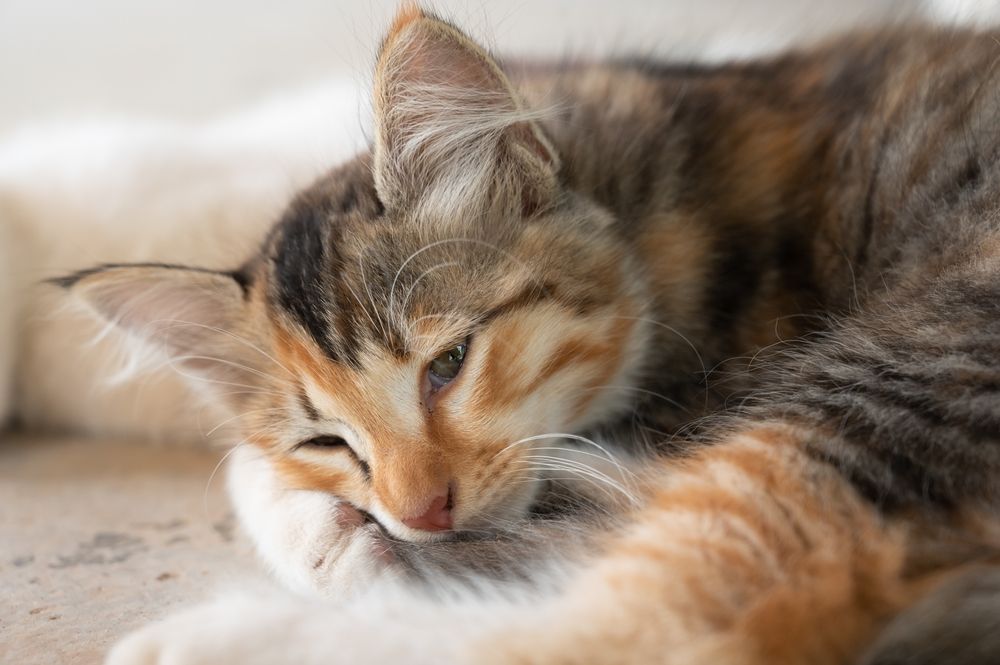
sad, bored or sick cat

If you’re interested in multiple myeloma, your cat may have been recently diagnosed with this rare disease. If this is the case, we’re very sorry and understand you’ll want to know everything about the condition and what to expect moving forward.

Multiple myeloma is a cancerous disease, meaning that it’s caused by the uncontrolled growth of the cat’s own cells. As these cells proliferate, they cause harm to the vital body systems that keep your cat alive.

divider cat paws oct 2024

What Is Multiple Myeloma?

Multiple myeloma is a rare cancer originating from a type of white blood cell in the bone marrow. In healthy cats, the bone marrow contains stem cells that reproduce and mature into blood cells such as platelets, red blood cells, and white blood cells. The white cells fight infection, platelets help with blood clotting, and red cells are the carrier cells for transporting oxygen around the body.

One type of white blood cell is the plasma cell, which is responsible for the production of antibodies. Cancer of this cell line within the bone marrow causes multiple myeloma. However, if plasma cells cause cancer outside the bone marrow, it is called a plasmacytoma. However, multiple myeloma can spread from the bone marrow to other organs.

The uncontrolled production of plasma cells results in excessive amounts of antibodies in the blood. Cancerous cells and the resulting antibodies can cause problems all around the body. Although cancer can originate in any bone, most arise in the spinal vertebrae.

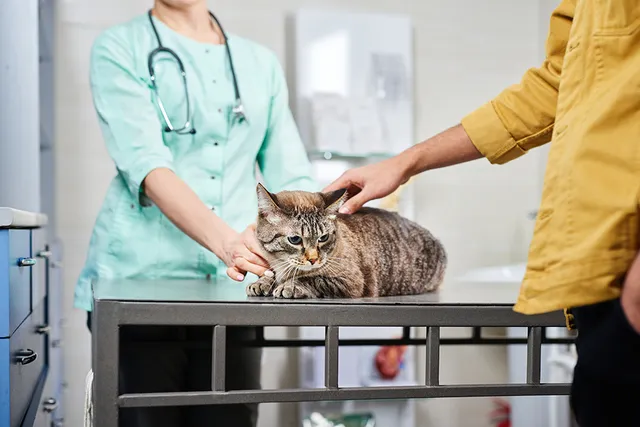
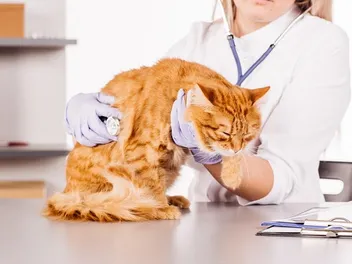
vet examining the sick cat with stethoscope
Image By: 4 PM production, Shutterstock

What Are the Signs of Multiple Myeloma?

Multiple myeloma typically occurs in cats over the age of 7 and appears to have similar rates in male and female cats. Signs of multiple myeloma are generalized to start with and worsen with time. Specific signs can be related to organs being impacted by the cancer. Generally, the first non-specific signs of the problem are:

Signs:
  • Lethargy
  • Anorexia
  • Weight loss
  • Limping
  • Pain

There are, however, several complications of multiple myeloma that can result in more severe signs.

These complications include:
  • Hyperviscosity syndrome: Too many antibodies in the blood cause it to become physically thickened. Signs of hyperviscosity syndrome can be neurological or related to blood clotting or heart failure. Seizures, blindness, and respiratory distress are common signs of this syndrome in cats.
  • Pathological fractures: Bones with tumor involvement may lose calcium and resorb, resulting in areas of weakness. Weakened bone is more prone to fractures, known as pathological fractures, as they occur without the trauma usually needed to break a bone.
  • High blood calcium: This is common in cats with multiple myeloma due to bone resorption and cancer interfering with parathyroid gland function. It can lead to kidney damage and weakness.
  • Kidney disease: Aside from the excess calcium, the abnormal antibody protein level can damage the kidneys. Cats with kidney problems will drink and urinate more to compensate and, in more severe cases, can develop vomiting, diarrhea, nausea, and poor appetite.
  • Blood clotting disorders: Platelets may also be impacted by the cancer, causing a reduction in blood clotting ability. Signs can include bleeding internally into the eyes, abnormal bruising, or visible bleeding. There can be blood in the digestive tract, causing black, tarry stools.
  • Metastasis: The cancer cells can spread from the bone marrow to other organs and impact their function, including the kidneys, liver, and spleen. This is known as metastasis.
  • Weak immune system: The immune system is weakened as the cancerous cells don’t function correctly, and the cancer may also crowd out sites needed for normal white cell production. Cats with multiple myeloma are prone to infections.
  • Anemia: In some cases, red blood cell production may not be adequate, leading to anemia.
  • Spinal cord compression: The tumor or weakened bones pressing on the spinal cord can lead to signs like weakness, wobbly gait, abnormal reflexes, and even paralysis.
sick siberian cat
Image Credit: Olesya_Alexandrova, Shutterstock

divider 2 cats

What Are the Causes of Multiple Myeloma?

There has been no conclusive evidence about what causes multiple myeloma in cats. However, one study reports the occurrence of this rare condition in siblings, suggesting a possible genetic predisposition. This theory needs to be explored further but is backed up by findings in mice and humans.

Unlike other white blood cell cancers, viruses like Feline Leukemia Virus, Feline Immunodeficiency Virus, and Feline Infectious Peritonitis do not appear to be implicated in multiple myeloma.

Finally, the environment can be important. Exposure to carcinogens like exhaust fumes and other chemicals can increase the risk of cancer. One study showed people in certain professions had an increased risk of multiple myeloma.

Diagnosing Multiple Myeloma in Your Cat

If your cat shows signs of being unwell, the first step is a veterinary consultation and examination. Your vet will consider your cat’s history and the signs they’re showing to determine the next steps.

Since multiple myeloma is very rare and the initial signs are quite general, this potential diagnosis may not be the first on your vet’s list. There is a saying in medicine, “If you hear hoofbeats, think horses, not zebras,” which means that certain illnesses are more common than others.

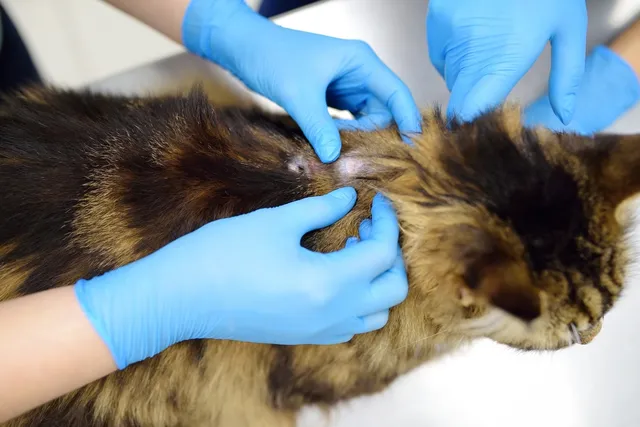
vet examining a cat
Image Credit: Pixel-Shot, Shutterstock

Multiple myeloma can be diagnosed when two of the following are found:

  • Moth-eaten bone lesions on X-rays
  • Bone marrow biopsy finds cancerous cells or an abnormally high portion of plasma cells
  • A specific protein related to antibodies in the urine (Bence-Jones proteinuria)
  • High levels of a specific protein related to antibodies in the blood (paraproteinemia)
  • Cancerous plasma cells in organs

Extensive testing is needed to reach this definitive diagnosis. Initial testing at your general practice veterinarian may include:

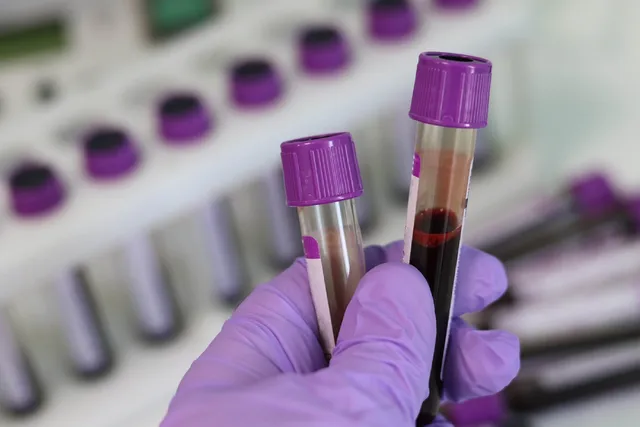
  • Hematology: This tests red and white cell and platelet counts. In cases of multiple myeloma, this may show anemia, low platelet count, or low white cell count.
  • Serum biochemistry: This measures blood protein and calcium levels, which are likely to be high in cats with multiple myeloma. It can also assess kidney function and help rule out other health problems.
  • Urine testing: Basic urine testing can rule out a secondary urinary tract infection and help assess hydration and kidney function. More specific urine tests are sent to a lab to look for Bence-Jones proteinuria.
  • X-rays: They must be detailed and taken of the whole body to look for bone lesions.
  • Ultrasound: It can help detect areas of organ enlargement, potentially indicating metastasis.
  • Bone marrow biopsy: It’s usually performed on areas of bone lesions. Almost all cases of multiple myeloma will show abnormal plasma cells with this test.
  • Serum protein electrophoresis: This is a laboratory test designed for paraproteinemia.

The results of the tests may not only diagnose your cat but also help your vet to determine their prognosis. According to one study of nine cats, the following was associated with a poor prognosis in cats with multiple myeloma:

  • Low blood calcium
  • Pathological fractures
  • Anemia
  • Bence-Jones proteinuria
  • Kidney damage
vet vaccinating a cat
Image Credit: mojo cp, Shutterstock

How Do I Care for a Cat With Multiple Myeloma

Cats with multiple myeloma need veterinary care and excellent nursing care at home. At the vet, your cat may need a fluid drip to support their kidneys and rehydrate them. Fluids also help treat hyperviscosity syndrome. On diagnosis, vets will start long-term antibiotics to protect your cat against infection. They will also provide symptomatic treatment on a case-by-case basis. Many cats need pain relief, while others need more specific medication.

You will also have the option to pursue advanced cancer treatment for your cat. It’s fine not to do this based on your circumstances or beliefs. However, it could extend your cat’s life and improve their quality of life. Without it, euthanasia may need to occur sooner rather than later.

Advanced cancer treatments are generally prescribed by a veterinary oncologist. In some cases, surgery can be recommended for damage control. These specialists can develop a plan for surgery, radiation, or chemotherapy, as well as extensive follow-ups, to help your cat. Your vet will want to monitor for side effects related to treatment as well as your cat’s response to treatment. For example, a reduction in blood protein after treatment is a good sign.

Good nursing care at home is essential. While not all these interventions may be necessary for every cat with multiple myeloma, we recommend speaking to your vet about the following:

  • Keep your cat clean and reduce their risk of infection: Cleaning up urine and feces, keeping your cat’s environment hygienic, and avoiding raw food can help. You should also pay attention to dental hygiene since bacteria can build up in the mouth.
  • Optimizing their nutrition and hydration: Choosing nutrient-dense wet foods can help keep weight on your cat and hydrate them. Offering water several times a day is a good idea to encourage your cat to drink. Ask your vet if any water additives are suitable to improve your cat’s hydration.
  • Keeping your cat rested during their initial treatments: This can help reduce the risk of pathologic fractures and improve their comfort with bone lesions that cause pain.
  • Helping your cat with urination: If they cannot empty their bladder on their own, you may need to help them.

divider 1 paws

Frequently Asked Questions (FAQ)

How Long Can a Cat Live With Multiple Myeloma?

One study showed that out of eight cats receiving chemotherapy for multiple myeloma, four had a complete response, and one had a partial response. Those who responded survived for between 4 and 24 months. The average survival time with treatment is around 42–281 days. Cats that don’t receive advanced treatment or do not respond to treatment will have a shorter lifespan.

Is Bone Marrow Cancer Painful in Cats?

Bone marrow cancers like multiple myeloma can be painful, especially if they cause the bone to be eaten away or pathological fractures. These cats often need one or more pain relief medications to remain comfortable. Don’t be afraid to discuss this with your vet if your cat is in pain. In addition to the pain, these cancers can cause changes that make your cat feel generally lethargic or nauseous.

divider 3 paws

Conclusion

Multiple myeloma is a rare form of bone cancer in cats. While cats with multiple myeloma will eventually succumb to their condition, a period of remission is possible. Unfortunately, some cats don’t respond despite the best treatment, and many have highly aggressive forms of multiple myeloma. Your vet can look for signs that might indicate a poor prognosis for your cat.

When your cat is diagnosed with multiple myeloma the most important thing is their comfort and quality of life. That is why you should pamper your cat with multiple myeloma, monitor for any signs of pain or discomfort, and follow your vet’s advice.


Featured Image Credit: Kginger, Shutterstock

Want content like this delivered to you?

Sign Up For Our Newsletter

News, insights, expert advice, and everything cat

* By submitting, you agree to our Terms & Conditions and Privacy & Cookies Policy.


How useful was this post?

Click on a star to rate (you can leave written feedback after clicking submit)

Help us improve Catster for pet parents!

Your feedback really matters.

What did you like about this post? Also how can we improve it?

Join the conversation

Leave a Reply

You’re very welcome to leave a comment or question. Please know that all comments must meet our community guidelines, and your email address will NOT be published. Let’s have a positive and constructive conversation.


Catster's Digital Magazine is Back!

Vet-approved health & behavior advice

Real cat stories & community features

Weird Cat Behaviors That Actually Make Perfect Sense

We have been sharing our lives with cats for thousands of years, yet we still find ourselves genuinely stumped by what they get...

The Dream of Talking to Cats Just Got Closer to Becoming a Reality

If you’ve ever wished your cat could simply tell you what they wanted, you’re not alone. From the meow that wakes you before...

Kizzy: The Feline Princess With a Purpose

We were first introduced to Miss Kizzy after she won a licky-treat challenge hosted by Professor Fluffovich, our resident feline research specialist. While...

Chatting With Sally About Mission Meow & Helping Cat Rescue Organizations Collaborate | Chatty Cattys, Episode 24

In this episode of Catster’s podcast, Chatty Cattys, Nicole and Dr. Karyn sit down with Sally Williams, the founder of Mission Meow, for...

More related

Do Cats Like When You Sing to Them? Fun Facts

Even the shyest among us can feel confident belting out our favorite tunes in the comfort of home, and it’s even better when...

Catster Photo Contest: Cats of the Week Winners (June 12, 2025)

This Week’s Winner Silliest Most Dignified Most Expressive Best Action Shot Sleepiest Cutest Enter Your Cat Submit your kitty for a chance to...

Do Cats Eat Less in Summer? Vet-Approved Seasonal Feeding Guide

Have you ever noticed that when winter comes, you start to eat more and crave heartier foods, while when summer rolls around, you...

Can Cats Taste Spicy Food? Our Vet Explains Risks & Facts

If you have a cat, you might be wondering if they share the same culinary preferences as you do. Sure, cats are carnivores,...

Keep reading

How to Tell if a Mother Cat Has Abandoned Her Kittens: Vet-Reviewed Facts & FAQ

Although it doesn’t happen too often, after giving birth, a mother cat may refuse to care for a particular kitten in her litter, whether it’s because she thinks they’re sick or weak or due to another reason. She may even...

abandoned newborn kittens

Can a Cat Drink Pool Water? Vet Reviewed Risks for Chlorine & Saltwater

Some cats love drinking water out of unusual objects, bowls, or containers and will continue to do so regardless of whether their water bowl is full of fresh, clean water or not. It’s not unusual to find cats drinking out...

Can a Cat Drink Pool Water

Can Cats Eat Tofu? Vet-Reviewed Facts & FAQ

Tofu seems to be a favorite among humans who avoid eating meat. But what about cats, which are obligate carnivores? Can they eat tofu? Do they even like it? While tofu is not toxic to cats, it does not provide...

Can Cats Eat Tofu

Will My Male Cat Be More Affectionate After Neutering? Vet-Reviewed Facts & FAQ

An unneutered male cat can be… a handful, to say the least. Otherwise known as tomcats, there are a multitude of reasons to have them neutered. To answer the question, yes—a male cat will most likely be more affectionate and...

cat playing with its owner

Vets Urge Owners: Don’t Ignore Sweet Smell Coming From Cats

Cats are not particularly known for having a pleasant aroma. The occasional whiff of fishy cat breath and that unmistakable post-litter-box scent simply come with the territory. So when a cat suddenly smells sweet, almost like maple syrup, most owners...

Tabby cat smelling a young man in front of the window

Do Cats Need Vitamin D? Vet Approved Facts & FAQ

Vitamin D, a.k.a. the “sunshine vitamin,” is essential for humans because it helps the body retain calcium to build stronger bones, reduces inflammation, and has other benefits.1 But does this vitamin do the same for felines? Do cats need vitamin...

cat eating food at home

10 Best Budget Cat Foods of 2026 – Reviews & Top Picks

Feeding time for your cats can sometimes be tedious; they’re just about the pickiest eaters around, so it’s difficult to find food they’ll willingly eat that’s good for them and that doesn’t require you to take out a second mortgage....

orange cat eating on an orange bowl

Can Cats Eat Cream Cheese? Vet-Reviewed Nutrition Facts & FAQ

Most cats love dairy foods. The stereotypical cat loves milk, though it may upset most actual cats’ stomachs. But what about cream cheese? While cream cheese isn’t toxic to cats, it isn’t exactly the best option for them either. Cream...

Can Cats Eat Cream Cheese

Love Cats? So Do We! Join the Catster Community

Stay informed with expert pet care insights delivered straight to your inbox! Discover professional guidance on animal behavior, feeding tips, trusted product picks, and much more.


Sign up for the Catster Email Newsletter

Stay informed with expert pet care insights delivered straight to your inbox! Discover professional guidance on animal behavior, feeding tips, trusted product picks, and much more.