Bone Marrow Cancer in Cats: Our Vet Discusses Signs, Causes & Treatment

In this article
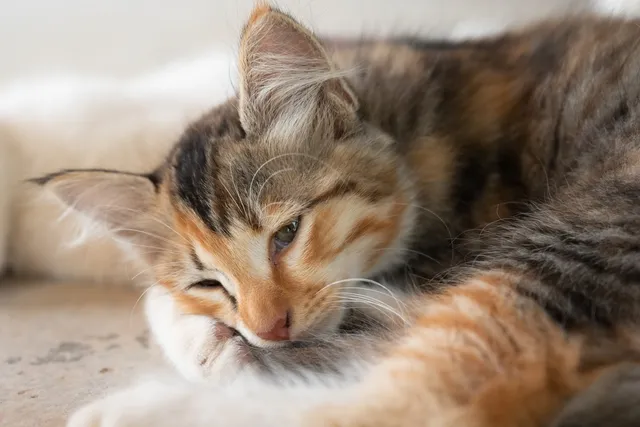
We often think of cancer as a lump or bump that pops up somewhere on our cat’s body. We can typically see and feel it. However, with bone marrow cancer in cats, there often isn’t anything to look at. Instead, we have to rely on other signs that can look similar to those of other kitty illnesses. This makes bone marrow cancer difficult to deal with. Fortunately, the more you understand it as an owner, the sooner you can seek veterinary care and improve the outcome for your feline friend.

What Is Bone Marrow Cancer in Cats?
Bone marrow is the spongy interior of bone, encased by the hard mineralized exterior. It’s rather spectacular because it’s basically the manufacturing site of blood. Red blood cells, white blood cells, and platelets are made and released in bone marrow, all with vital functions in the body. Bone marrow cancer in cats occurs when cancer cells decide to settle in the bone marrow, disrupting the normal flow that provides these necessary blood cells. Sometimes, certain types are overproduced so there is an imbalance in the number of all blood cells produced, or abnormal blood cells that don’t function properly are produced. Either way, it means bad news for all the functions of the body that rely on blood cells to perform.
Bone marrow cancer takes a few different forms in cats, including multiple myeloma, lymphoma, and metastatic cancers that have traveled from other parts of the body and found refuge in the bone marrow. All these types can produce similar signs.

What Are the Signs of Bone Marrow Cancer in Cats?
Rather than a direct lump or bump, bone marrow cancer can produce rather vague signs that could be indicative of several illnesses. These signs may include:
- Weakness, lethargy, depression
- Weight loss
- Loss of appetite
- Lameness
- Changes in behavior, such as hiding and vocalizing
- Increased water consumption
- Bloody urine or feces
- Unexplained bleeding
Your cat may also have a history of frequent infections, you may notice a lump or two in other areas of the body, and they may show pain by vocalizing more, hiding more, and not wanting to move as often or be touched.

What Are the Causes of Bone Marrow Cancer in Cats?
Fortunately, bone marrow cancer in cats is relatively rare. Unfortunately, we can’t point fingers at a specific cause. Instead, bone marrow cancer appears to be caused by the same things that cause other types of cancer, including genetics, exposure to chemicals and irritants like smoke and toxins, and other illnesses.
Infections with feline leukemia virus and feline immunodeficiency virus may also increase a cat’s chances of developing bone marrow cancer and other blood abnormalities due to the factors associated with any other type of cancer, including UV exposure and certain vaccines, as these can metastasize to the bone marrow.
To do your best to prevent bone cancer in cats, be sure your kitty is up to date on vaccinations, avoids mingling with sick cats, and is exposed to the least amount of environmental toxins possible. Regular veterinary care can also play a role, as your vet can help monitor your cat’s health in ways that you won’t be able to at home in order to hopefully catch any illnesses before they become big problems.
How Is Bone Marrow Cancer in Cats Diagnosed?
You will likely notice that your kitty is acting strangely, so you may decide to monitor them for a few days and then bring them to the vet for the reason that they’re just not acting right. Maybe you’ve seen a change in appetite or energy level or even weight loss, or perhaps their frequent illnesses have you worried. Either way, bone marrow cancer likely isn’t the first issue that comes to mind.
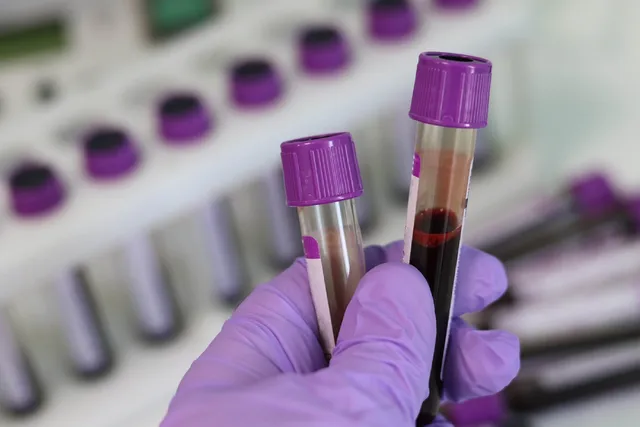
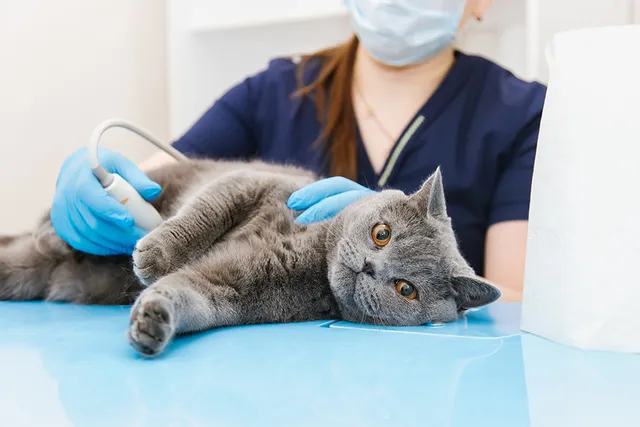
It probably isn’t the first issue on your vet’s mind either, so they’ll have to rule out other causes of the signs that you’re seeing by doing a thorough exam, asking you questions, and running tests. Blood work may reveal abnormalities in the blood cells, including differences in sizes, shapes, and numbers. It will also give them insight into how your cat’s organs are functioning. An X-ray may be taken to check bone structure and to look for tumors in other areas. Ultrasound may be helpful for this too.
If the results of these tests put your veterinarian on the bone marrow cancer track, they may perform a urinalysis to check for Bence-Jones proteins, which can be indicative of bone marrow cancer. From there, a sample is necessary for a definitive diagnosis.

How Do I Care for a Cat With Bone Marrow Cancer?
In many cases, bone marrow cancer may not be able to be cured. Treatment aims to make your kitty feel as comfortable as possible and prolong their quality of life. How your vet goes about this will depend on the type of bone marrow cancer your cat has, their overall health, and whether the cancer has spread.
Treatment options may include surgical removal if the cancer is isolated or chemotherapy and/or radiation if it’s not. However, with these types of treatments, it’s best to weigh the outcome with the side effects.
Supportive care may also be offered in the way of corticosteroids to help suppress cancer activity, pain medications to help your cat feel better, and antibiotics to treat secondary infections due to decreased immune function. Cats may require hospitalization, especially in the early phases of treatment, to make sure that they are handling everything well and that side effects aren’t too severe.
Bone marrow cancer in cats is tough to get rid of, especially if it comes from a tumor that has metastasized. So, expect to have an in-depth conversation with your vet about your cat’s quality of life and the potential for prolonging that quality or the potential for treatments’ side effects to negatively affect it.
On the home front, whether you choose treatment or not, you’ll need to protect your cat from possible illnesses, as they will likely have a decreased ability to fight diseases. This means keeping them away from critters that haven’t been vaccinated, keeping them inside, and providing them with a high-quality diet and a safe place to rest.
You may have to get creative in order to boost your cat’s appetite, such as offering canned food or changing flavor options. Be sure your kitty is drinking water enough to prevent dehydration, and give them plenty of one-on-one time with plenty of love and affection.

Frequently Asked Questions (FAQ)
What Is the Prognosis for Bone Marrow Cancer in Cats?
How long your kitty lives with bone marrow cancer will depend on several things, including the type of cancer, stage, and their overall health. It can also depend on the treatments taken and how they respond to those. While a treatment can prolong a cat’s quality of life for a little while, the long-term prognosis for bone marrow cancer is fairly poor. It’s unlikely that your cat will be completely cured of bone marrow cancer, but they can at least live a comfortable life under your care.

What Are the Early Warning Signs of Bone Marrow Cancer in Cats?
Unfortunately, there’s no specific sign of bone marrow cancer. Instead, what you’re likely to see is your kitty acting a bit off. Maybe you can’t put your finger on it directly, but you just know something is up. They may not be eating as much, maybe they’re drinking a little more, or they’re not as rambunctious as before. Perhaps they’ve taken to hiding or have started crying out more commonly. Either way, any change in your cat’s habits or behavior warrants a veterinary visit.

Conclusion
Bone marrow cancer is relatively rare in cats, and it can be difficult to diagnose early on due to its ambiguous signs. It also isn’t likely to be cured, but that doesn’t mean a cat can’t live with a high quality of life for as long as possible with treatment and supportive care. Speak to your veterinarian about any abnormal signs or behavior changes that you’re seeing in your cat in order to catch issues early and afford the best possible outcome.
Featured Image Credit: Sata Production, Shutterstock
Expert cat care, straight to your inbox
News, insights, and useful advice, delivered to you.

No spam — unsubscribe anytime.
By signing up, you agree to our Terms & Conditions and Privacy & Cookies Policy.
How useful was this post?
Click a star to rate. You can leave written feedback afterwards. (We read all feedback.)
Dr. Chyrle Bonk DVM (Veterinarian)
On top of healing animals and writing for veterinary publications, Dr. Chyrle Bonk owns a small cattle herd! When she’s not busy with those things, she can be found somewhere in the Idaho outdoors with her husband and two kids.
Chyrle has practiced in a mixed animal clinic for over 10 years. She also writes for various veterinary websites and magazines, like Catster!
Dr. Chyrle Bonk received her Doctor of Veterinary Medicine (DVM) from Oregon State University in 2010.