What Causes Lumps on Cats? 6 Possible Causes & What to Do

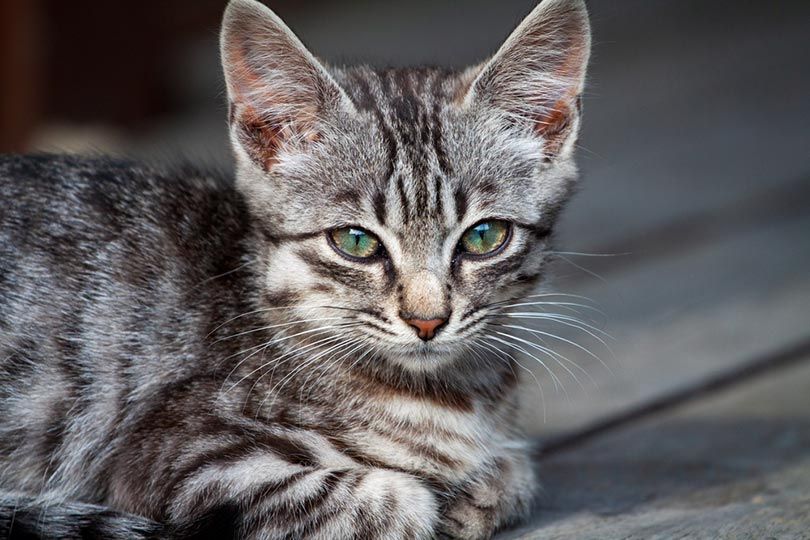
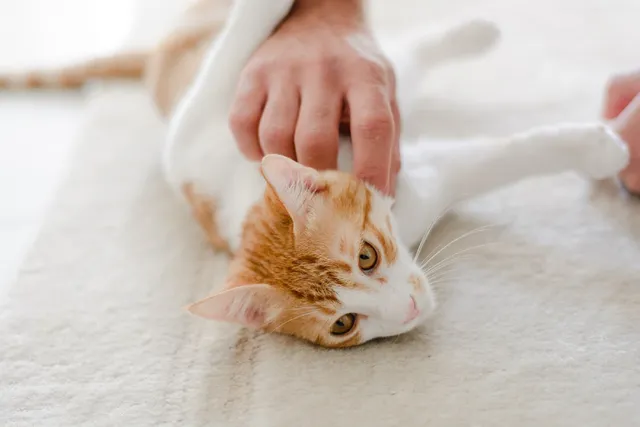
Imagine petting your cat and feeling something that doesn’t feel quite right. Is that a lump? Immediate concern and panic set in. As you pick up the phone to call your veterinarian, your mind is likely racing as to what this lump could possibly be. Continue reading below to learn more about six of the most common causes of lumps in cats.

The 6 Common Causes of Lumps on Cats:
1. Insect Bites
Fleas, ticks, and other insects can potentially bite or sting your companion, which can result in a lump or bump. Flea bites often cause several small bumps referred to as miliary dermatitis throughout their body, with a focus around the neck and tail base.
A single bump or localized swelling is more often found with other types of bites. In some cases, a palpable bump may actually be an attached tick. Appropriate preventative measures can help reduce the risk of parasitism.
2. Cancer
Unfortunately, some lumps that develop on your cat can be cancerous. Malignant growths can metastasize and cause problems elsewhere in the body. Depending on the type of growth present, surgical removal may be recommended. In cases where surgical removal is not an option, radiation may be beneficial.
Historically, a common cancer that cats developed was coined injection site sarcoma. This type of cancer was often associated with an inflammatory reaction that occurred secondary to vaccine adjuvants. Nowadays, this type of cancer is less common, as non-adjuvanted vaccinations have been developed and utilized.

3. Benign Growths
Some growths that develop can be benign, or non-cancerous. A well-known type of benign growth is a lipoma or fat. Other types of growths can occur as well that do not impact other parts of the body and do not spread.
4. Abscess
When an infection occurs and is walled off within the body, an abscess is formed. Abscesses can form an obvious lump consisting of pus, which is often warm and painful to the touch. Abscess can form for a variety of reasons; however, one of the most common reasons is from fighting with other cats.
Abscess may need to be surgically addressed, whereas others may improve with antibiotics and pain medication. Animals with abscesses can often appear systemically ill, showing signs of lethargy, fever, and decreased appetite.

5. Inflammation
Injury or trauma can cause inflammation to occur that can palpate as a bump. Depending on the underlying cause of inflammation, your veterinarian will formulate a plan to help bring relief to your pet.
6. Lymph Node Enlargement
Lymph nodes are an important part of the immune system, as they house white blood cells that respond to infections. Lymph nodes can become enlarged because of a nearby infection, whereas other times they can be enlarged due to cancer. There are places where lymph nodes are readily palpable on the body, including under the chin, near the clavicle, and behind the knees.


Diagnosing a Lump
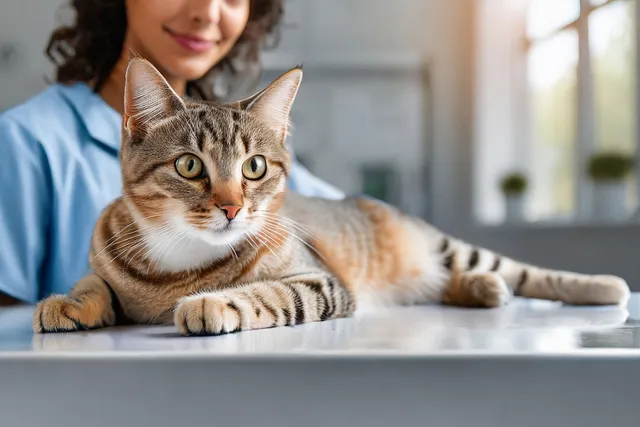
When you find a bump on your cat, the first step in understanding the cause is to schedule an appointment with your veterinarian. Your veterinarian will listen to your concerns, inquire about your cat’s history, and perform a thorough physical exam. Based on their findings and suspicions, recommendations will be given to provide the best care for your pet.
When a lump is found, especially if an underlying cause like parasites or trauma isn’t identified, a fine needle aspirate may be recommended. Obtaining a fine needle aspirate is achieved by introducing a needle connected to a syringe into a mass and pulling out a sample of cells. The cells are then placed on a slide and evaluated under the microscope. The cells are closely studied, and a diagnosis is made.
Sometimes, a diagnosis may not be definitive, and additional testing may be necessary. Additional testing may include a tissue biopsy, bloodwork, or ultrasound.

Treatment
Treatment for lumps and bumps on your cat will be dependent on the underlying diagnosis. Infections like abscesses will require antibiotics, whereas cancerous growths will likely require removal and possibly additional care. Close collaboration with your veterinarian is critical!
It is important to keep your veterinarian up to date with your pet’s progress. If things are not improving in the way that is anticipated, it is possible a different approach is necessary.
Conclusion
Cats can develop lumps and bumps for a variety of reasons. If a new bump suddenly arises or if your pet seems to be in discomfort, it is important to schedule a consultation with your vet. Your veterinarian will perform a physical examination to help determine the underlying cause and discuss treatment options.
See also:
Sources
Featured Image Credit: Mironmax Studio, Shutterstock
Expert cat care, straight to your inbox
News, insights, and useful advice, delivered to you.

No spam — unsubscribe anytime.
By signing up, you agree to our Terms & Conditions and Privacy & Cookies Policy.
How useful was this post?
Click a star to rate. You can leave written feedback afterwards. (We read all feedback.)
Dr. Marti Dudley is a small animal veterinarian with a passion for preventative medicine and pet parent education. She enjoys being a resource for pet owners as she believes that having a team approach leads to the best possible care of pets. Dr. Dudley enjoys writing and has been able to use this skill as another avenue to educate pet owners outside of the traditional office setting.
Dr. Dudley has been practicing veterinary medicine since 2014. She has an interest in preventative care and emphasizes the importance of pet owner education. Dr. Dudley’s experience in veterinary medicine is broad, as she has worked as a general practitioner, which has allowed her to see and treat many different types of conditions.
Dr. Dudley received her bachelor’s degree in biology from Longwood University in Virginia. She earned her Doctor of Veterinary Medicine (DVM) degree from Ross University.