Living In a Multi-Pet Household: Which Pets to Choose & How to Get Along (Vet Reviewed)


In this article
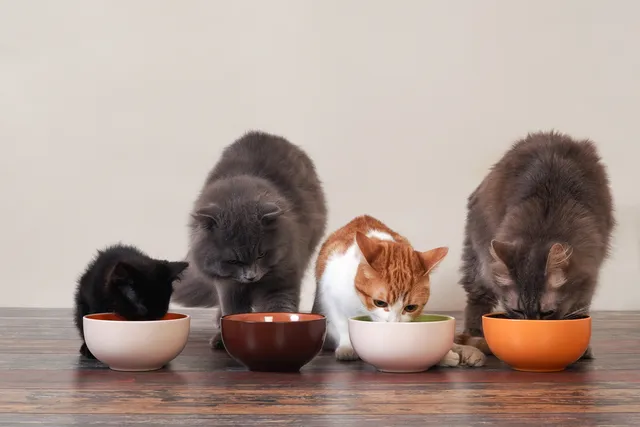
A multi-pet household is one with multiple pets, but typically refers to pets of different species and not just breeds. Most multi-species households combine cats and dogs because these are the two most common pets, but they can also incorporate animals like birds, reptiles, and small caged animals.
It is possible to keep a peaceful and pleasant multi-pet household, but some steps will help make living conditions better for everybody. And, while you might be able to have certain species sharing the same space, you may also have to accept that you won’t be able to have mice running freely around pet cats or guinea pigs around dog breeds with a high prey drive.

Pros of a Multi-Pet Household
Having one pet can be a great experience for you and the family, and while there will be challenges to keeping multiple pets, it also offers several benefits to you, the rest of your human family, and may offer benefits to the animals themselves when species, individual temperament, and environmental resources are appropriate.

More Company for Your Pets
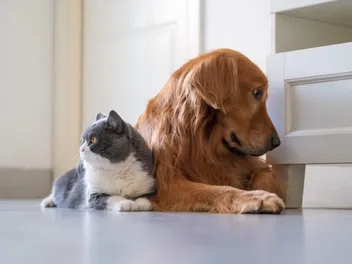
Many types of animals are social animals. Which means they prefer to have company rather than being left alone. While this usually refers to animals of the same species, it can also refer to animals of different species that form a close bond. For example, a cat and a dog can form affiliative relationships.
They will keep each other company while you’re at work or while you’re out of the house. This may help reduce some forms of stress or boredom in certain individuals.
More Company for You
Having one pet means some company around the house, but having multiple pets can mean you’re never alone. If you’re not an animal lover, this might sound like a detriment, of course. But if you do like pets, then having a crowd of them can make a house feel like a home.
Better Mental and Physical Health
Pets have been shown to improve the mental health of their owners. This was especially apparent when people around the world were in lockdown and unable to leave their homes. As well as turning to family members, many people turned to their pets for companionship. Pets can also be good for your physical health, as well as your mental health.
Dogs need regular walks, and even cats need plenty of playtime to relieve their boredom and ensure they are fulfilled.
Cons of a Multi-Pet Household
While having multiple pets sounds like a dream to some owners, it might not be for others. And there are some pitfalls that you should consider, regardless of which side of the debate you stand on.

More Mess
Cats, dogs, rabbits, bearded dragons, and parrots all have one thing in common: they make some mess. In fact, this is true of all animals. Whether it is cat litter being tracked through the house or bird seed and bird poop that needs clearing off the bottom of the cage, animals need cleaning up after. You might feel like having an extra pet won’t create much more mess, but you might be surprised.
Greater Commitment
Similarly, having multiple pets means a greater commitment of time. You will need to spend some time with every pet, every day, to ensure that each animal’s social, environmental, and species-specific needs are met.
A single pet requires quite a time commitment, so having three or four pets means you will be spending a lot of time exercising your animals, clearing up after them, feeding them, and meeting their other requirements. When you go away, or you need somebody to look after your animals for a night, it will be more difficult to find temporary caretakers for a menagerie of animals, too.
Higher Costs
Having more animals means more food, high vet bills, and, depending on the types of pets, more cages and other equipment. The cost of these different items and services adds up. If you do get multiple pets, consider ways to save money, such as taking out multi-pet insurance or trying to get a deal on food and essentials for all of your animals.

They Take Up More Space
Whether you keep small caged animals like mice and rats, animals that need larger confined areas like some snakes, or those that roam free around your house like cats and dogs, they all take up space. Adding another animal will mean handing over more of your living space. You may need an extra seat on the sofa, another wardrobe top for a cat cave, or extra floor space for a Guinea Pig hutch, but it all adds up.
There Will Be Stress
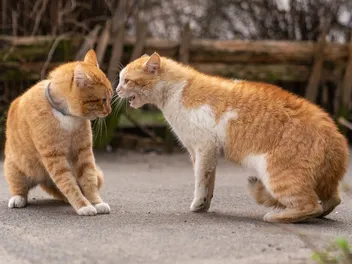
Owning pets is deeply rewarding and can be incredibly gratifying. It can also be quite stressful, and even the most placid animals might struggle to get along with others, at first. Some animals may continue to experience stress or conflict long-term if their social preferences, territorial needs, or environmental resources are not adequately managed. Be prepared for some stress and some difficult times, especially in the beginning.
Pet Suitability
If you do intend on keeping multiple pets, choosing the right species and the right breed and individual animal can make your life a lot easier. For example, keeping a free-roaming guinea pig and a Greyhound is unlikely to be safe because Greyhounds have a strong natural instinct to chase small animals.
Dogs

Dogs have been domesticated for thousands of years, and while they were once more likely to be kept as working animals, today’s dogs tend to enjoy a life of luxury living in our homes and sharing our everyday lives. There are hundreds of breeds of dogs recognized around the world, as well as mixed breeds.
All breeds have slightly different traits, and every individual dog has its own character, but those with a high prey drive are not generally suitable for living with small animals because they will look and act like prey. Many dogs will get along with cats, however, and can get along with other dogs. The friendliest breeds that are most likely to do well in a multi-pet household are:
- Golden Retriever – The Golden Retriever is an understanding, empathetic breed that is widely used as a service dog. It is also considered one of the best breeds for first-time dog owners, families, and pretty much anybody who wants a dog. The friendliness that the Golden shows is not only reserved for humans, either, and this breed will generally do very well with other dogs, cats, and potentially even with small animals like hamsters and birds, only with careful supervision and management.
- Labrador Retriever – The Labrador Retriever is similar in many respects to the Golden Retriever, except it has a shorter coat and is usually a bit more comical and goofier. It is a great companion for playful dogs and cats, but you should always take care when introducing new animals, even if they are as sweet as a Lab.
- Standard Poodle – The Standard Poodle is businesslike in its attitude, but it is also friendly and can be paired with other dogs as well as cats. The breed is known for being lower-shedding and may be better tolerated by some people with allergies. And because it sheds less than breeds like the heavy-shedding Golden Retriever, this breed can help keep mess and cleaning levels down.
Cats

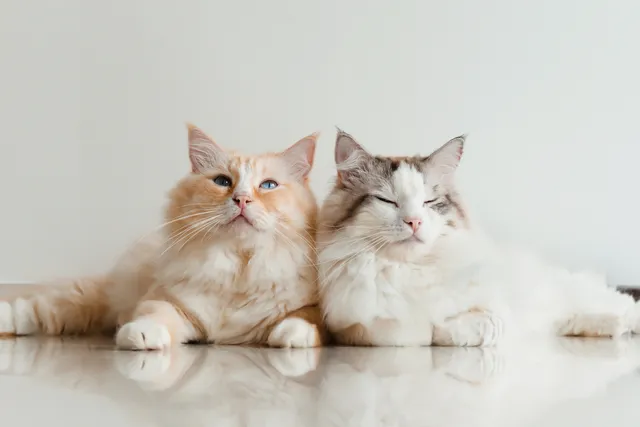
Some people might think of cats as being solitary animals that don’t like the company of others. But, under the right circumstances, they can be social and form affiliative relationships, particularly when resources are adequate and introductions are gradual. They will get along well with other cats when social compatibility and proper introductions are present, and can get along with dogs with proper social introductions.
Although there are exceptions, cats should not usually be kept with smaller animals because they will prey on animals like mice and hamsters, and may even attempt to take on birds. The cat breeds most likely to get along with other animals and settle into a multi-pet household are:
- Maine Coon – The Maine Coon is recognizable for its giant size as well as the beautiful tufts of fur around the ears. The size of the breed means it may be less easily intimidated by dogs. Despite their size, they are gentle cats, and they make friends well.
- Manx – The distinguishable feature of the Manx cat is the lack of a tail. This is a very intelligent breed that can learn to open doors, and the breed’s love of water means yours may even learn to turn on the faucet or find some other way to indulge in its favorite pastime of paddling and splashing around.
- Ragdoll – The Ragdoll is a beautiful cat that gets its name from the fact that it will collapse into its human’s lap or arms and go completely limp, like a Ragdoll, when it wants love. And its affection won’t usually stop at the humans in the house. You can expect a Ragdoll to get along with other felines and with friendly dogs. However, even in this breed, interactions with smaller animals are not considered safe due to normal predatory behavior.
Birds

Smaller birds like finches should be kept in their cages when in a multi-pet household. They may want to investigate cats because they do not have the same natural instinct to get away from the potential predator. Larger parrot species, on the other hand, might want to square up to the cat, which can lead to fighting.
It is generally best to keep other animals out of the room when you let your birds out of the cage for their daily exercise.
Small Animals

Small animals like mice and hamsters are not a threat to other pets. But they are prey animals, and this means they can trigger predatory behavior in animals like cats, dogs, and even some larger bird breeds. Keep small animals caged and ensure that the room is clear of potential threats from other animals before letting them out.
Reptiles

Some reptiles are predators and may attack small caged animals. This is especially true of species like monitor lizards, which are big enough to even try to take kittens and small puppies. This is another type of pet that is best kept apart from other animals when they are all out of their cages.
How to Introduce New Animals
When introducing new animals to a multi-pet household, always take your time and make gradual introductions. Never throw them together and hope they get along, because this is more likely to cause anxiety and may make future introductions even more challenging.
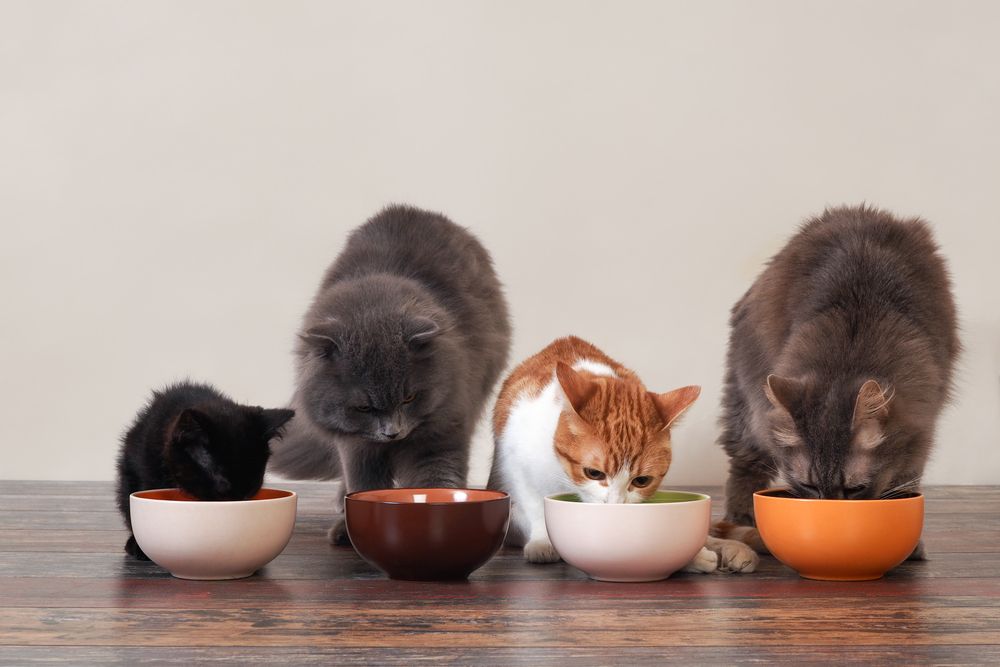
Also ensure that all animals have their own space to retreat to, especially if you are introducing cats and dogs. Each animal should have access to separate resources (such as food, water, resting areas, and litter boxes for cats) to reduce stress and competition. And, while it is possible to introduce lots of different types of animals, there may be some cases where introductions fail.
Put together a schedule for cleaning and caring for your animals. This doesn’t just benefit you, but most of your pets will appreciate having a routine. Make plans regarding what you will do when you are on holiday or if you need to go away for the night. Finding somebody to look after one dog is relatively easy compared to having to find a sitter for a dozen different animals.
Conclusion
Keeping multiple pets can be beneficial in some cases, offering company and entertainment for all animals. It can also benefit you, but it does take more commitment than keeping a single pet.
Think about the characters of your existing animals before introducing new pets. And don’t just assume that pets will get along eventually. There may be some cases where introductions are never possible. Monitor those that you do introduce to make sure they do not show signs of aggression, anxiety, or stress-related behavioral issues.
Sources
Featured Image Credit: Irina Kozorog, Shutterstock
Expert cat care, straight to your inbox
News, insights, and useful advice, delivered to you.

No spam — unsubscribe anytime.
By signing up, you agree to our Terms & Conditions and Privacy & Cookies Policy.
How useful was this post?
Click a star to rate. You can leave written feedback afterwards. (We read all feedback.)
Nicole is a lover of all animals, especially of the feline variety. She's mom to four, three fur babies and a human baby. She and her husband, John, live on a large forest property down in New Zealand.
Their beautiful Burmese cat Baby (who is now 17 years old) was their first child, though he is now called Baby Cat since their human baby joined the party in 2022. The dogs Rosa and Mac also love cats, but the whole family agrees that King Baby Cat is enough cat for this household.
Nicole is the Director of Content Management at Catster and Pangolia. With a Bachelor's degree in Education and years of online experience, she shares her pet knowledge and the knowledge of other professionals with the world, aiming to improve pets and pet parents' lives.