10 Ways to Help Cats and Dogs Get Along Better: Vet Reviewed Tips


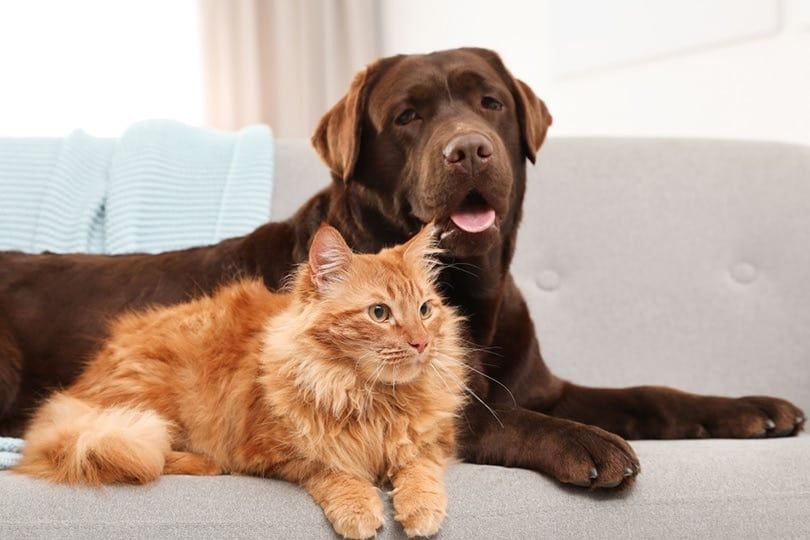
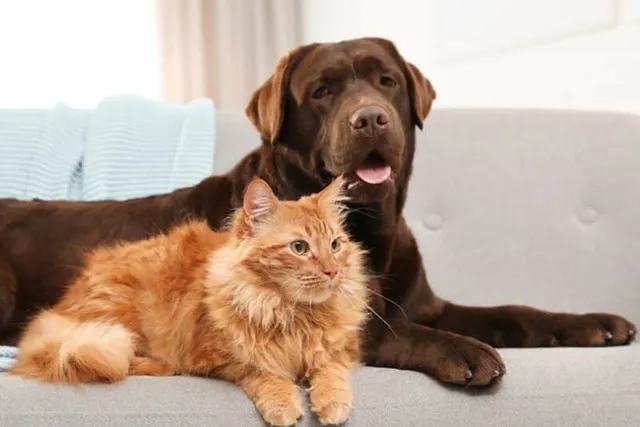
Cats and dogs might not be sworn enemies, but they do not always get along. Creating a harmonious relationship between cats and dogs is needed if you plan to own both pets in the same home. However, both dogs and cats can benefit from socializing with each other even if they will not be living together.
It can be challenging to help cats and dogs live in harmony if you do not know where to start. Fortunately, this article will guide you through 10 possible ways.

The 10 Ways to Help Cats and Dogs Get Along:
1. Scent Swapping
If you are introducing a dog and cat to each other for the first time, giving them both a few days to get used to each other's scent can help them get used to each other before they meet.
Ideally allow each pet to sniff an item that has the other's scent, for example, their blanket or favorite toy. This should be done in a positive and calm environment with no stressors aside from the unfamiliar pets' scent.
Try giving them a treat once they have done the insniffigation. You can also leave the blanket or cloth in with your pet for a few days before they meet face-to-face.
2. Ensure Introductions Are Positive
A positive first introduction is indeed key if you want cats and dogs to get along better. If either pet has a negative experience with the other, they might be more hesitant to interact with them in the future.
This can make either one or both pets fearful of each other, which is not the desired outcome. It is a good idea to do the introduction in a quiet room that both pets do not spend much time in but are comfortable in.
You ideally want a barrier between your dog and cat, a baby gate is best, so they can see and smell each other but feel safe. If this is not possible you can use a large crate for your cat, but they must not be stressed in it and have places to hide. Keep your dog on a lead so they cannot lunge or try to chase the cat.
Keep things calm and use food rewards to distract and as a reward for good behavior. Make sure they aren’t too close together when giving treats!
When both pets are relaxed in each other's presence, you can try with your dog off the leash, still keeping them separated by the baby gate. Eventually, when they are calm and comfortable together you can remove the barrier but keep your dog on the lead to start off with to make sure they don’t try to chase the cat. Keep a close eye on both pets' body language to make sure they remain happy and calm.

3. Create a Safe Area for Both Pets to Retreat
Both pets should have access to these rooms when they first meet and begin to live together. They might not be very happy to share the same areas 24/7. This could be stressful for both pets and doesn’t make the environment very welcoming. This could be a room where your cat sleeps or an area in the living room where your dog naps. This is a great way to make both pets feel comfortable and safe in their own home.
4. Separate the Feeding Areas
Dogs and cats are probably not going to want to share the same feeding areas. This can be an issue if your dog tries to eat your cat's food before your cat even has the chance. Instead, you should have dedicated feeding areas in the area where your dog and cat can eat completely separately.

5. Teach Command Cues
Both cats and dogs can be taught command cues such as sit, stay, and come here. These cues will be useful when introducing dogs and cats together. Dogs are generally easier to teach command cues to, and it is an important part of their obedience training.
If one or both pets can follow command cues, you can use them to intervene in situations where one pet is bothering the other.
6. Early Socialization Is Key
Both cats and dogs will benefit from early socialization starting at about 3 weeks old. Socialization is the process of getting puppies and kittens used to people, other animals and experiences through positive experiences. Their mother is responsible for their earliest forms of socialization, and then it gets passed on to the breeder or owner. If you get your dog or cat from a breeder, they should have already started the socialization process.
Dogs and cats that are well socialized and used to the other species from a young age are much more likely to get along. It's important to take note of your dog and cat's age and previous experiences and adjust your expectations accordingly!

7. Use Rewards as Motivation
Both cats and dogs are usually food-motivated, so it can be used as a reward for good behavior. Food can have an advantage in getting your dog and cat to get along better, especially during the first few weeks of introductions.
When your cat or dog shows reward-worthy behavior and remains calm, you can reward them with a treat. There are many situations during the introductive and socialization periods where treats will be useful.
8. Try Calming Products
If your cat and dog are undeniably stressed in each other’s presence, you could look into calming products that can help during the training process. There are a variety of calming products available including pheromone diffusers and over-the-counter products. It is recommended to consult a veterinarian for advice on the best ones to use in your situation.
9. Work at Their Pace Instead
There is no point in rushing the process of getting your dog and cat to get along better. You should rather work at a pace that both pets are comfortable with. Having patience during the process is going to create a much more positive experience for your dog and cat. Never force your pets to spend time together. Watch their body language and if you start to notice signs that they are becoming worried or stressed, let them go to their safe space away from each other.
10. Continue to Monitor and Supervise
Even once dogs and cats are happy being in the same space, they will still need places they can go to be alone and you should keep them separate for playtime and mealtimes to keep interactions as calm and stress-free as possible.
You should continue to supervise them when they are together and separate them when you are out. If you have a dog and cat that really aren’t getting along despite these tips, be sure to speak to a vet who may refer you to a veterinary behaviorist.


In Conclusion
Cats and dogs can live comfortably together with the right early socialization methods and training. You generally want to avoid just putting a dog and a cat in a room and hoping for the best. Ensuring your dog and cat get along takes plenty of work and patience.
Some dogs and cats might get along with each other more easily than others, but they may still need your help occasionally.
Sources
Featured Image Credit: New Africa, Shutterstock
Expert cat care, straight to your inbox
News, insights, and useful advice, delivered to you.

No spam — unsubscribe anytime.
By signing up, you agree to our Terms & Conditions and Privacy & Cookies Policy.
How useful was this post?
Click a star to rate. You can leave written feedback afterwards. (We read all feedback.)
Sarah Psaradelis is an avid young writer with dual passions for literature and animals. She enjoys sharing knowledge of animal care and helping others. Sarah has over 8 years of writing experience and is currently studying veterinary science. She resides in South Africa where she takes care of fish, aquarium snails, dogs, and rodents. Sarah is a passionate vegan activist and animal rescuer pursuing her path to make the world a better place for humans and animals alike.