11 Most Intelligent Cat Breeds (With Info & Pictures)

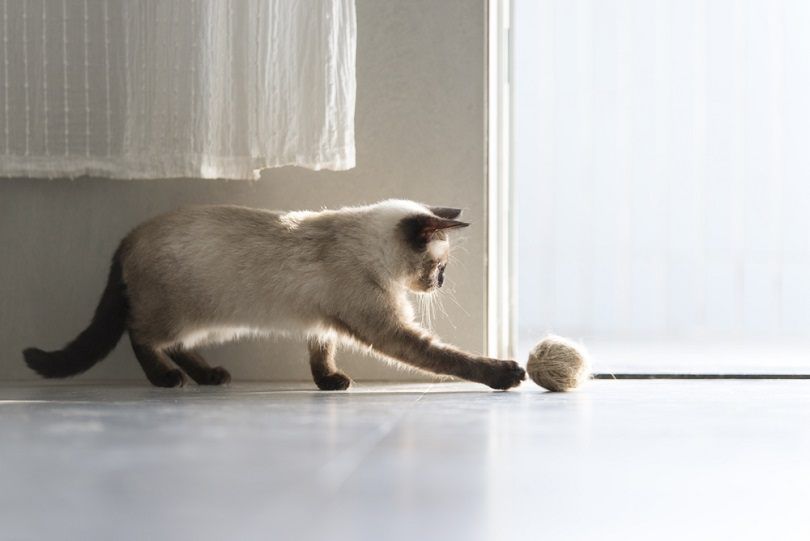
As many people who live with beloved feline companions know, cats can be wickedly smart. Intelligent cats often learn and respond to their family's household routines, and many can open doors to let themselves into rooms they're interested in exploring and cabinets to help themselves to treats, food, and even toys.
Feline intelligence can be hard to measure, partly because cats just aren’t motivated to participate in scientific studies. Interest in interacting with humans and being comfortable when doing so are characteristics often associated with feline intelligence. Keep reading to learn more about the 11 most intelligent cat breeds.

The 11 Most Intelligent Cat Breeds
1. Abyssinian Cats

| Lifespan: | 12 – 15 years |
| Size: | 8 – 10 pounds |
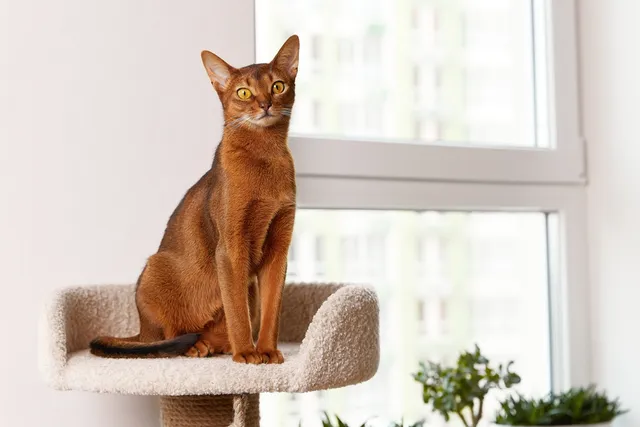
Abyssinian cats have sleek athletic bodies and long graceful legs. They're an ancient breed that can trace their heritage to ancient Egypt. They have short coats that come in ruddy, fawn, red, and blue colors. Abyssinians usually have lots of energy, and most do best when they have several toys to play with and activities to lose themselves in. These serious athletes can jump as high as 6 feet. They learn tricks quite easily, and many can open cabinets and drawers.
2. Balinese Cats

| Lifespan: | 15 – 20 years |
| Size: | 5 – 8 pounds |
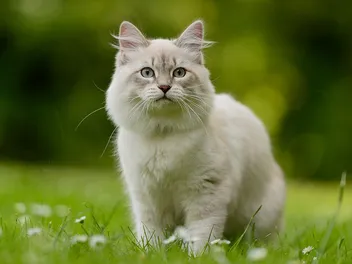
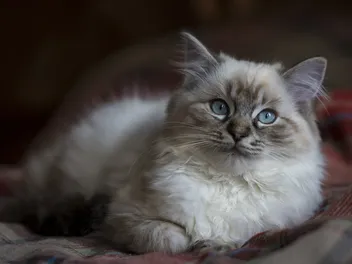
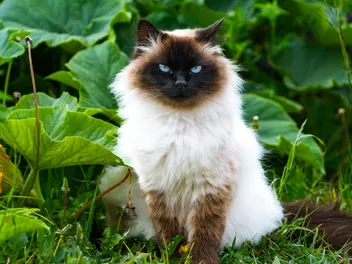
Balinese are essentially long-haired Siamese Cats. They share many traits with their famous relatives, but Balinese cats are sometimes more laid-back than Siamese cats. Their long coats come in several colors, including blue, chocolate, seal, and lilac, and they have low-shedding coats.
They have elegant, athletic builds and stunning blue eyes. Balinese are remarkably intelligent and most learn new commands quickly. Like all cats, they usually respond best to training techniques that involve positive reinforcement, such as treats and attention.
3. Bengal Cats

| Lifespan: | 12 – 15 years |
| Size: | 6 – 12 pounds |
Bengals are hybrids of Asian Leopard cats and domestic kitties; many have Egyptian Mau, Burmese, American Shorthair, or Abyssinian Cat heritage. Their stunning coats give them the appearance of tiny leopards. They have muscular bodies and front legs that are shorter than their back ones.
Most have marbled or spotted coats that come in several shades, including silver and brown. Bengal cats are extremely active and seriously curious. They need plenty of physical activity and mental stimulation to stay centered. Bengals are incredibly smart and easy to train, and most can learn to walk on a leash relatively easily.
4. Burmese Cats

| Lifespan: | 15 – 20 years |
| Size: | 8 – 12 pounds |
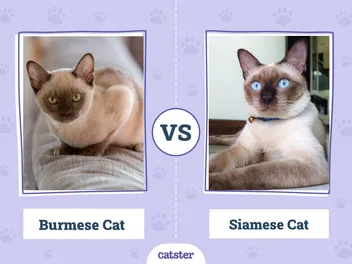
Burmese cats are compact kitties with strong builds. Their short, soft coats come in platinum, blue, cream, and red shades. Burmese Cats tend to be relatively easy to train, and they can master games such as fetch. However, most are also happy to hang out and cuddle. Because they're so smart, Burmese can sometimes be a bit headstrong. Most prefer company to being left alone, so they often do well in multi-pet households. They have a reputation for enjoying their food and can gain weight quickly.
5. Cornish Rex Cats

| Lifespan: | 15 – 20 years |
| Size: | 6 – 8 pounds |
Cornish Rex have thin, muscular bodies with curved backs, huge ears, and pronounced cheekbones. They generally have short, soft wavy low-shedding coats that can be found in cream, blue, black, and various shades of silver and smoke. Cornish Rexes enjoy interacting with their favorite people and most like being picked up and carried around. They're generally playful and often remain so even after reaching adulthood. It's relatively easy to teach most Cornish Rex cats to play games like fetch. They're known for having voracious appetites, but few have trouble in the weight department because they are so active.
6. Japanese Bobtail Cats

| Lifespan: | 15 – 18 years |
| Size: | 5 – 10 pounds |
Japanese Bobtail cats are lithe, muscular kitties with short, 4-inch curled tails. Although the name implies otherwise, the breed is most likely originally from China. They arrived in Japan during the 600s CE. Their soft fur comes in several colors and shades but is most often associated with tricolor coats, and there are long and short-haired Japanese Bobtails. They often love playing in the water, and it's not unheard of for them to carry their toys from place to place. Teaching Japanese Bobtails to play games like fetch is often relatively easy.
7. Korat Cats

| Lifespan: | 9 – 15 years |
| Size: | 6 – 10 pounds |
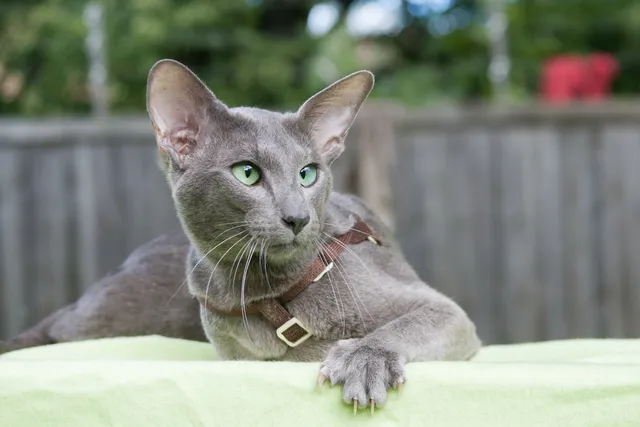
Korat cats have medium-sized, sturdy, muscular bodies and gorgeous green eyes. Their back legs are longer than their front ones, giving their bodies a forward-tilting appearance. They have short, blueish-silver fur. They're originally from Thailand, and the first Korat Cats didn't make their way to the United States until the 1950s.
They're known for being incredibly intelligent, and some can learn to recognize words. Korats often use a range of vocalizations to express their emotions and needs. Most are quite curious, and some can open doors and cabinets. Korats prefer living in relaxed environments where they're the center of attention.
8. Savannah Cats

| Lifespan: | 12 – 20 years |
| Size: | 11 – 20 pounds |
Savannah cats are technically hybrids; they're mixes of domestic cats and African Servals. They have short coats that feature stunning wild-looking dark spots and stripes. Savannahs have long, graceful legs that make them much taller than most cats, and kitties with more wild heritage can reach heights of 16 inches at the shoulders! They're energetic, active, and curious, requiring frequent exercise and several toys and activities to keep them occupied. Because they're so smart and people-oriented, Savannahs are often easy to train to walk on leashes.
9. Scottish Fold Cats

| Lifespan: | 14 – 16 years |
| Size: | 6 – 13 pounds |
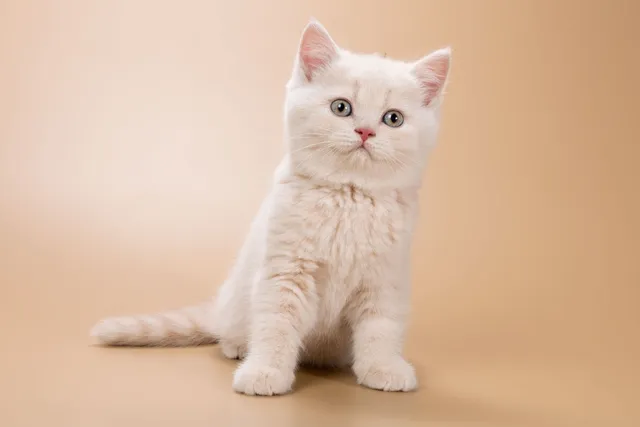
Scottish Fold cats are sturdy, compact kitties with playful, easy-going personalities. They have folded ears that emerged due to a naturally occurring genetic mutation. Their rounded faces and cheeks give Scottish Fold Cats their distinctive smiles. Their short coats come in almost every color imaginable, with a few exceptions, such as lavender and chocolate.
Highland Folds are the breed's long-haired variant. They're known for enjoying games of fetch and often move from room to room with their favorite people. Some learn to open cabinets and steal food from plates using their paws. Many like to perch on their back legs like prairie dogs.
10. Siamese Cats

| Lifespan: | 9 – 15 years |
| Size: | 6 – 10 pounds |
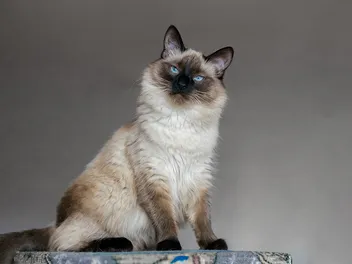
Siamese Cats are an extremely old breed! They're originally from Thailand and have been around since the 14th century. They have long, thin bodies, wedge-shaped heads, and deep blue eyes. Their short, light-colored fur is set off by pointing of various shades, including lilac and blue.
They're loving, devoted, and incredibly playful. Most form deep bonds with their favorite people and regularly follow them around the house. Siamese cats are known for needing lots of attention and vocalizing when unhappy. Many enjoy learning tricks since it allows them to engage with people.
11. Singapura Cats

| Lifespan: | 9 – 15 years |
| Size: | 4 – 8 pounds |
Singapura Cats are some of the smartest domestic cats around, and they’re incredibly small; most only weigh 4 to 8 pounds when fully grown! The cats are originally from Singapore, where they once roamed and prowled the streets. Singapura cats thrive in environments where they can spend lots of time engaged in activities alongside their favorite people. They are energetic, and many enjoy hanging out in high places like cat shelves and trees. They have short, sepia-brown coats that don't shed much and green, hazel, or yellow eyes.

Conclusion
If you have a sweet, active cat at home that relentlessly and unrepentantly gets into everything possible, you may have a super smart pet on your hands. But while all sorts of cats can demonstrate intelligence, a few breeds, including Siamese, Bengals, and Burmese cats, are often considered particularly sharp.
Smart cats can be wonderful companions; they’re energetic, inquisitive, and just slightly naughty. They do best in homes where they can get lots of attention and have access to several activities to keep them busy and out of trouble.
Sources
Featured Image Credit: Chendongshan, Shutterstock
Expert cat care, straight to your inbox
News, insights, and useful advice, delivered to you.

No spam — unsubscribe anytime.
By signing up, you agree to our Terms & Conditions and Privacy & Cookies Policy.
How useful was this post?
Click a star to rate. You can leave written feedback afterwards. (We read all feedback.)
Lorre Luther is a writer who is firmly convinced that cats are smarter than humans. She left her law career in the United States and moved to the Netherlands to follow her dream of becoming a writer. Lorre currently lives in Rotterdam, she enjoys traveling and greatly appreciates the beauty of nature. Lorre has a spot for animals and admires the intelligence of cats.