Why Does My Cat Knead Me? 4 Vet-Reviewed Reasons


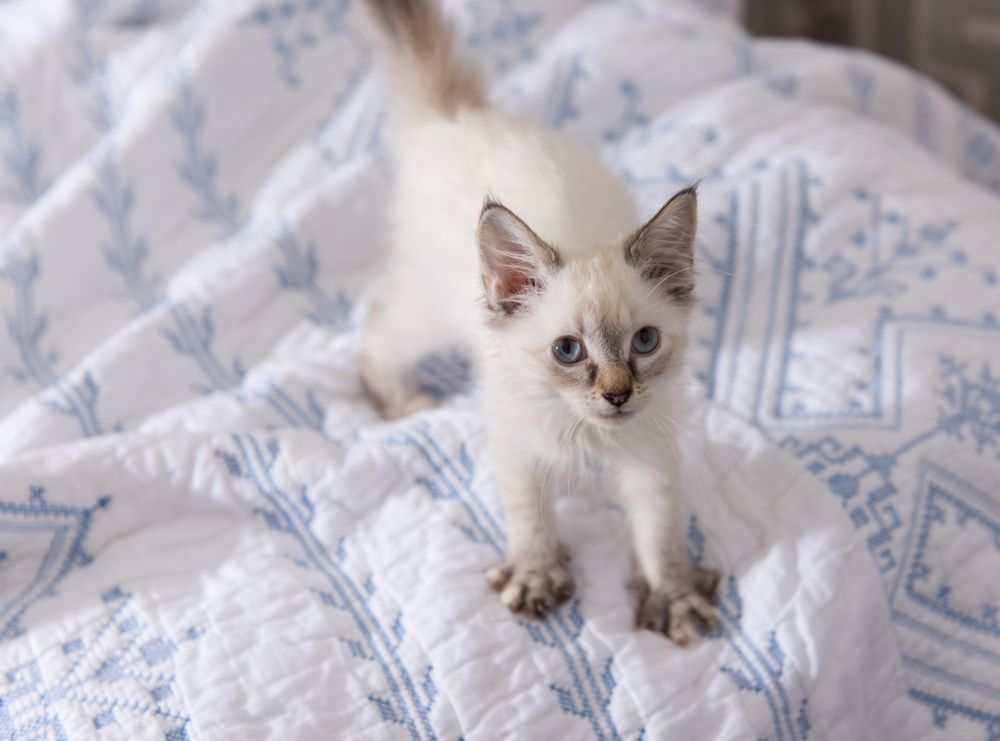
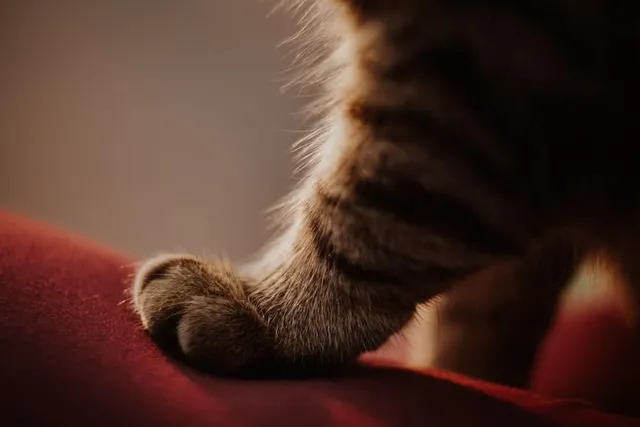
Cats have a lot of unique behaviors that puzzle owners, including kneading. While it may seem odd to you that your cat is “making biscuits,” there are several good reasons why your cat may enjoy kneading you so much.
Find out the four possible reasons your cat may knead you and tips to curb the behavior if you don’t enjoy it.

The 4 Possible Reasons Why Your Cat Kneads You
1. Kitten Behavior
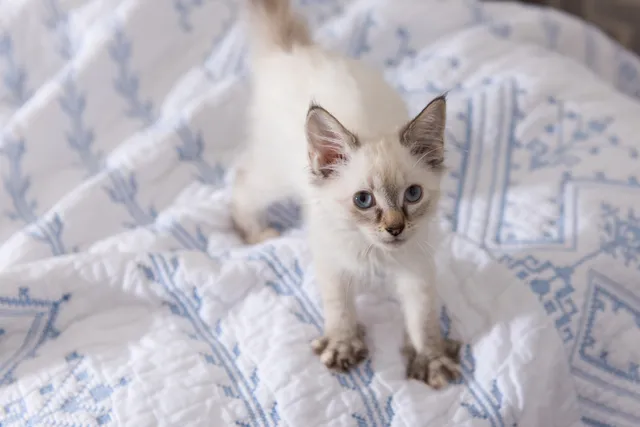
New kittens knead against their mother’s stomach to stimulate milk for nursing. Other mammals do this, but cats are unique in that they may hold onto the habit into adulthood. Some people believe that cats will knead more if they are weaned too early, but plenty of cats that are weaned at an appropriate age continue to knead.

2. Expressing Content and Affection
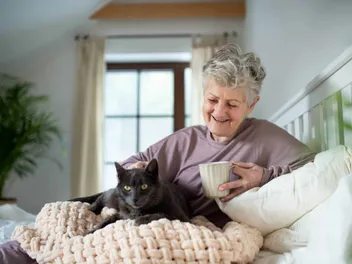
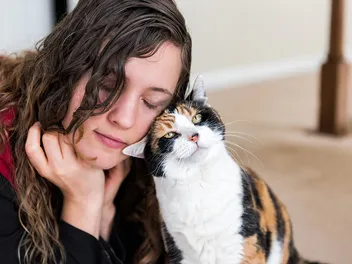
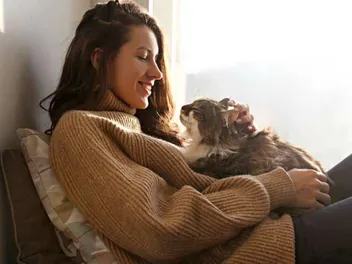
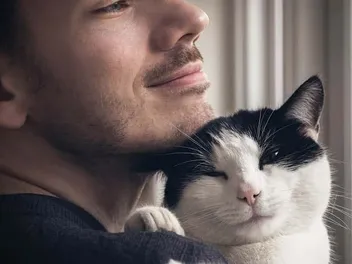
Cats use body language to communicate how they’re feeling. Kneading is one such behavior that conveys comfort, contentment, and relaxation. You’ll notice that cats often purr, sprawl out, or fall asleep while kneading, whether it’s on you or their blanket or bedding. This is also a way for them to show affection towards you, so take it as a sign of their love for you.
3. Relieving Anxiety
Like how people may fidget to relieve anxiety, your cat may use kneading to self-soothe and release tension from their body. This may also happen if your cat is highly aroused or anxious and beginning to relax.

4. Making a Bed
Cats spend a lot of time sleeping. If your cat has a favorite place to nap, they may knead to mark the spot. In the wild, cats create cushioned resting spots out of grasses, so this could be a leftover behavior from their wild ancestors. It could also identify that their nap spot is their own by leaving their scent behind and marking the territory.
How to Stop Kneading
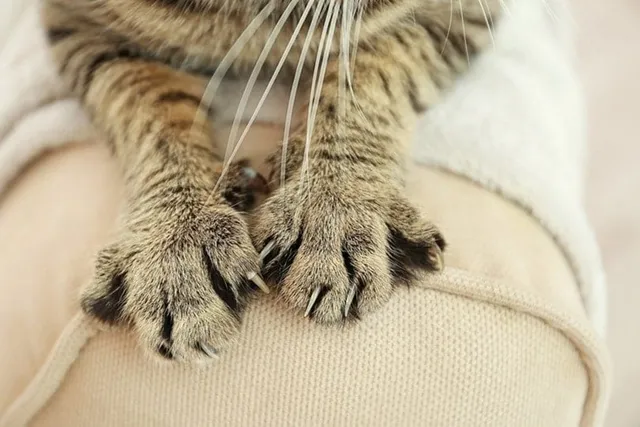
Kneading is a sweet behavior, but it can be uncomfortable if your cat is not gentle with their claws. If you want to curb your cat’s kneading, here are some tips:
- Trim your cat’s claws regularly to avoid sharp edges.
- Try a pheromone-based spray to persuade your cat to knead on a bed or blanket instead of you, or a pheromone diffuser to improve their general wellbeing.
- Train your cat to use a “kneading-only” blanket. Place a thick blanket on your lap, and when your cat begins to knead, redirect them to the blanket. Eventually, they’ll realize that kneading is encouraged and rewarded with your attention and praise if the blanket is there.
- Don’t punish your cat in any way as this will only cause stress and anxiety, and will make your cat fear or avoid you.
- If you don’t want your cat to knead you at all, redirect the behavior by playing with a toy or teaching a trick each time your cat starts kneading. If you’re consistent, your cat will realize that kneading is not rewarded with your attention.
Conclusion
Kneading is one of cats’ more interesting and adorable behaviors, but it can have some downsides, like sharp claws and ruined clothing or blankets. Some cats are hardwired to knead but a little training and redirection can teach your cat when it’s acceptable to knead, keeping both of you happy and comfortable.
Featured Image Credit: Anna Hoychuk, Shutterstock
Expert cat care, straight to your inbox
News, insights, and useful advice, delivered to you.

No spam — unsubscribe anytime.
By signing up, you agree to our Terms & Conditions and Privacy & Cookies Policy.
How useful was this post?
Click a star to rate. You can leave written feedback afterwards. (We read all feedback.)
Nicole is a lover of all animals, especially of the feline variety. She's mom to four, three fur babies and a human baby. She and her husband, John, live on a large forest property down in New Zealand.
Their beautiful Burmese cat Baby (who is now 17 years old) was their first child, though he is now called Baby Cat since their human baby joined the party in 2022. The dogs Rosa and Mac also love cats, but the whole family agrees that King Baby Cat is enough cat for this household.
Nicole is the Director of Content Management at Catster and Pangolia. With a Bachelor's degree in Education and years of online experience, she shares her pet knowledge and the knowledge of other professionals with the world, aiming to improve pets and pet parents' lives.