Lymph Node Enlargement (Lymphadenopathy) in Cats – Causes and Care Guide (Vet Answer)


In this article
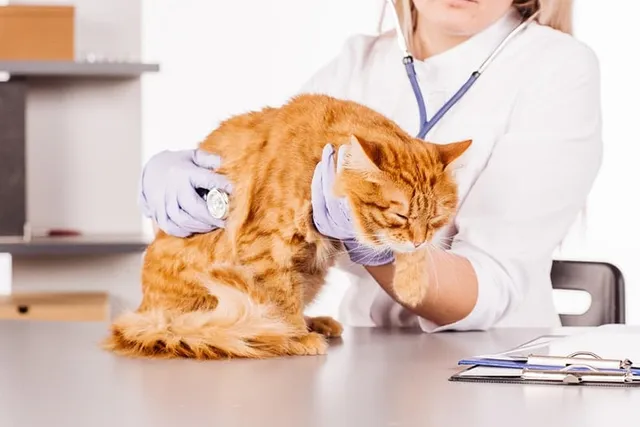
Lymph nodes are found throughout your cat’s body, and are an important part of their immune system. Peripheral lymph nodes are located on the outside of the body, which means your veterinarian is able to check them during your cat’s physical exam. Internal lymph nodes are not as easy to assess. Your cat may require an ultrasound or advanced imaging (e.g., CT or MRI scan) if your veterinarian suspects a problem internally.
If you are interested in checking your cat’s lymph nodes at home, check out this video to learn how.

What Is Lymphadenopathy?
The term lymphadenopathy simply refers to enlargement of one or more lymph nodes. Large peripheral lymph nodes are usually easy to feel (sometimes they can even be seen), but enlarged internal lymph nodes are not as obvious.
Lymph nodes become larger than normal when they accumulate extra cells. Lymphadenopathy has a wide variety of causes, so diagnostic tests may be necessary to help determine why your cat’s lymph node(s) are bigger than usual.

What Are the Causes of Lymph Node Enlargement?
Lymph nodes become enlarged when they contain more cells than usual. This can be caused by reactive hyperplasia in response to antigens, lymphadenitis (accumulation of inflammatory cells from a local infection), or cancer.
Antigens can include:
Lymphadenopathy due to cancer can either be due to lymphoma, or the spreading of cancerous cells from another part of the body.
What Are the Signs of Lymph Node Enlargement?
Sometimes, the only sign is the enlarged lymph nodes themselves. Owners may notice this at home, or it may be found during a veterinary physical exam.
Other signs due to increased lymph node size depend on affected nodes:
If your cat’s lymphadenopathy is due to cancer, they may lose weight and have reduced energy.
How Do Veterinarians Determine Why a Cat’s Lymph Nodes Are Enlarged?
Veterinarians often have suspicions about the cause of a cat’s lymphadenopathy, especially if obvious signs of illness are present (like an upper respiratory tract infection).
They will consider things like:
To confirm the diagnosis, your veterinarian may recommend collecting a sample of cells from the affected lymph node(s), so they can be examined under a microscope. This is usually accomplished with fine needle aspiration (FNA).
The sample may be examined in your vet’s office, or the slides may be sent to a veterinary pathologist for review. In some cases, special stains are added to the cells to help provide the most information.
FNA can be a relatively non-invasive and affordable way to arrive at a diagnosis. However, sometimes it gives inconclusive results because of the small sample size. In these cases, a lymph node biopsy may be needed.

What Are the Potential Dangers of Lymph Node Enlargement?
The dangers of lymphadenopathy are not usually from the enlarged lymph nodes themselves, but the reason for their increased size. The most serious causes of lymph node enlargement include major infections and cancer.
Seek veterinary advice if you’re concerned about your pet’s well-being.
Frequently Asked Questions
Is Lymphadenopathy Treatable?
This depends on the cause of the lymphadenopathy. Lymph node enlargement due to infection is treated with antibiotics, and the lymph nodes should shrink back to their normal size once the infection is resolved.
Feline lymphoma is considered a relatively treatable form of cancer, but it is difficult to predict exactly how each cat will respond to chemotherapy, and how long they can be expected to survive.
Your veterinarian should be able to provide more specific expectations for your particular cat.
Is Lymphadenopathy Preventable?
Not all cases of lymphadenopathy are preventable—nor should they be, because sometimes enlarged lymph nodes are just a sign that your cat’s immune system is doing its job! However, there are some things you can do to reduce your cat’s risk of infections in general, and even lower their risk of lymphoma:
- Keep your cat indoors to reduce their risk of contracting infectious diseases from other cats (e.g., feline immunodeficiency virus (FIV), which substantially increases a cat’s risk of developing lymphoma), and sustaining injuries that may become infected (e.g., bite wounds from other animals).
- Ensure your cat stays up-to-date on the vaccinations recommended by your veterinarian, particularly feline leukemia virus (FeLV), because this infection can lead to lymphoma.
- Take care of your cat’s dental health to prevent periodontal disease, which is common (particularly in older cats) and may cause enlarged lymph nodes in the head and neck.

Conclusion
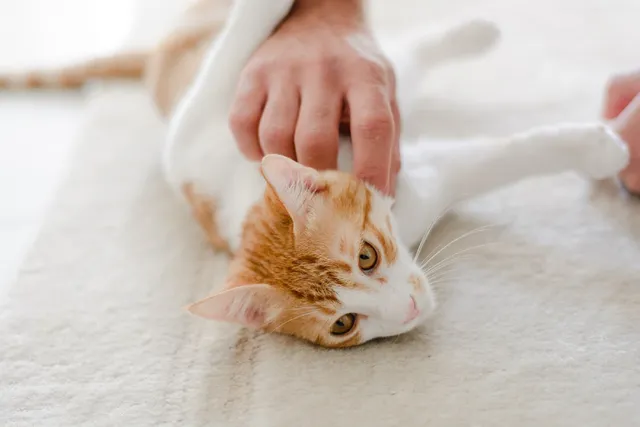
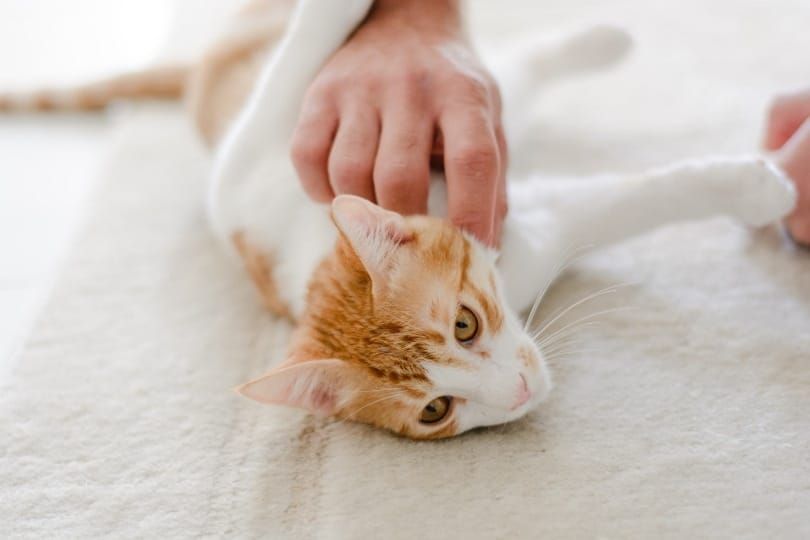
The next time you are petting your cat, pay attention to whether you notice any new lumps or bumps. If you ever find something you are worried about, book an appointment with your veterinarian to get it checked out. For many medical conditions, early diagnosis means more treatment options, and possibly a better outcome for your cat.
Don’t forget to schedule regular veterinary check-ups, regardless of whether you have concerns! Adult cats should be seen at least once per year, and senior cats (over the age of ten) benefit from an exam every six months.
If your cat really dislikes trips to the clinic, ask your veterinarian to recommend some products that can help them feel calmer (e.g., pheromone therapy, pre-visit medication). Not only will this improve your cat’s experience, but your vet will be able to perform a more thorough physical examination. You may also be able to find a vet who makes house calls, allowing your kitty to stay in the comfort of their own environment.
Sources
https://www.cliniciansbrief.com/article/differential-diagnosis-peripheral-lymphadenopathy-cats
https://www.dvm360.com/view/reviewing-causes-treatment-feline-lymphadenopathy
https://www.vetfolio.com/learn/article/lymph-nodes-what-should-be-there-and-what-should-not
https://www.vin.com/apputil/content/defaultadv1.aspx?id=3865430&pid=11262
https://www.tuftscatnip.com/cathealthandmedicine/when-lymph-nodes-are-enlarged/
https://vcacanada.com/know-your-pet/cytology-fine-needle-aspiration-fna
Featured Image Credit By: Elpisterra, Shutterstock
Expert cat care, straight to your inbox
News, insights, and useful advice, delivered to you.

No spam — unsubscribe anytime.
By signing up, you agree to our Terms & Conditions and Privacy & Cookies Policy.
How useful was this post?
Click a star to rate. You can leave written feedback afterwards. (We read all feedback.)
Christian started writing for a local newspaper as a teenager, and he's been involved in the publishing industry for most of his adult life. Combining his love of writing with a passion for animals, he is currently the Director of Editorial at Pangolia and the Editor-in-Chief at Catster.
Christian lives in the Philippines with his wife, son, and four rescue cats: Trixie, Chloe, Sparky, and Chopper.