Can Cats Eat Beef? Vet-Reviewed Nutrition Facts & FAQ


In this article
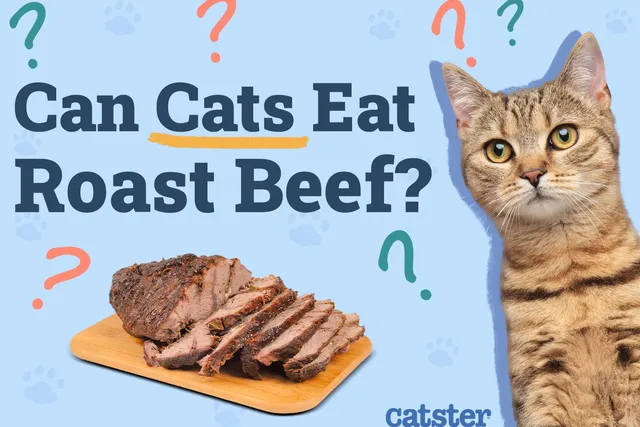
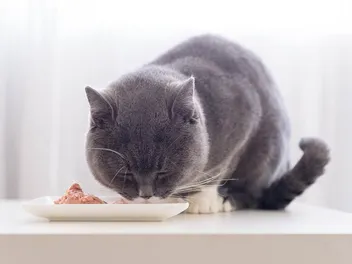
Cats need animal protein to meet their nutritional requirements. So, can cats have beef? Although cats would not hunt and eat cows in the wild, beef is considered a good protein source for cats. In general, cats need high amounts of protein in their diets, along with moderate amounts of fats and a minimal amount of carbohydrates.
It is unusual for cat owners to feed beef snacks, but it can be found in commercial cat foods, and if minced or chopped into small enough pieces, it can be fed to your cat as a treat.
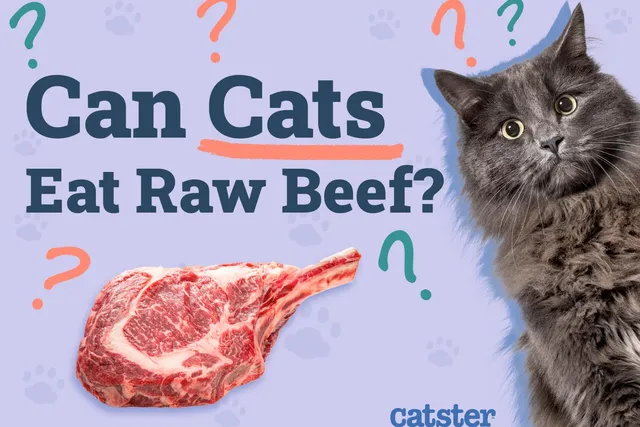
If you are considering adding beef to your cat’s diet, and they have never eaten it before, it is best to start with a small amount. However, there is considerable debate over whether it is safe to feed raw beef to cats, and it is generally better to ensure that it is cooked first to avoid parasites and bacteria.

Can Cats Eat Beef?
In the wild, cats hunt small animals like rodents. They also eat moles and rabbits, as well as small birds. Some may even eat small lizards, and if presented with the opportunity, eat fish and aquatic animals, although they would not form a bulk of their diet. Domestic cats have access to a much wider range of meats and animals, and their bodies can properly process the food and digest the vitamins and minerals it contains.
Chicken and fish are two of the most common meat ingredients in cat food, but wild cats rarely take on full-sized chickens and would not hunt for fish regularly. Similarly, beef is a common ingredient in cat food, even though wild cats would never have the chance to eat cows.
Generally, most cats can safely eat beef. However, like any food, beef is not suitable for cats who have a food allergy to beef. Signs of a food allergy typically affect the skin causing itchiness, rashes hair loss, or the gastrointestinal tract. If you have concerns after feeding your cat beef, consult your vet for advice.
Is Beef Good For Cats?
Aside from being safe for cats to eat, beef provides essential nutrients:
- Iron – Iron is needed to form hemoglobin, the part of the red blood cells that carries oxygen and removes carbon dioxide. It is found in large quantities in beef and other red meat.
- Zinc – Zinc aids in cell production and growth. The body also uses it in wound healing and recovery, as well as in supporting the immune system and helping prevent illness.
- B Vitamins – Beef is a good source of vital, water-soluble B vitamins.
- Taurine – Taurine is only found in animal proteins and is an essential amino acid that cats must get from their diet. Taurine is critical to a cat’s health. It is known to support vision and heart health, and it is also vital to pregnant and nursing mums.

How to Feed Beef to Cats
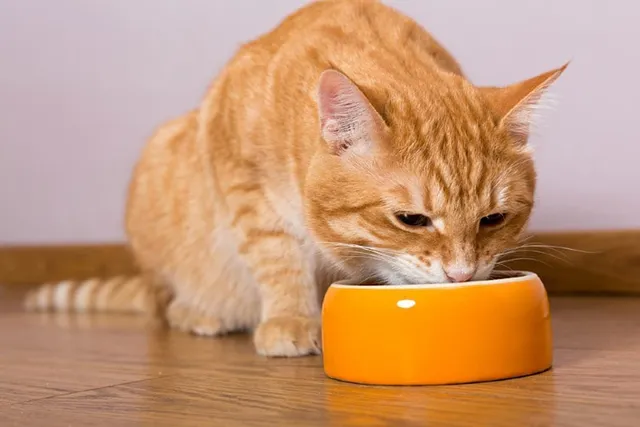
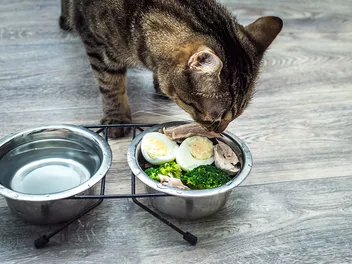
The most common way to feed beef to cats is as an ingredient in commercial cat food. It is one of the most common ingredients after chicken and fish. Alternatively, you can prepare beef yourself. The easiest way is to buy ground beef and boil it. Do not add salt or any other seasonings, and avoid frying the meat because the oil or other ingredients may not be good for your cat.
You can slowly boil the meat, with a lid on, for around 45 minutes, let it cool, and then serve it. It is essential for all cats to be fed a balanced and nutritionally complete diet appropriate for their life stage.
If you want to serve beef as part of a home-cooked diet, have a veterinary nutritionist formulate the meal plan to get the right mix of nutrients. If beef is an occasional treat for your cat, it should account for no more than 10% of your cat’s daily intake of calories. Try serving a small portion the first few times you feed it.
A Healthy Diet for Cats
Cats cannot obtain all the nutrients they need from plants and they rely on nutrients only found in animal products. While it is possible to feed dogs a vegetarian diet and ensure they get all the nutrients they require, albeit with a lot of careful planning and research, it isn’t possible with cats.
Even though cats would, in the wild, get all of their food from prey animals, including all parts of small mammals and other small animals, most cats are fed a diet that includes a combination of animal and plant-based food.
Only small amounts of plants are in a wild cat’s diet, and they generally come from the content of their prey’s stomach rather than plants or vegetation that they would otherwise eat.
Top 5 Foods to Avoid Giving Cats
1. Raw Meat

Some owners do feed their cats a raw food diet that includes raw meat, but there are concerns about doing so. Raw meat can contain harmful bacteria and parasites, and they can cause your cat to get sick. Generally, it is best to cook meat before feeding it because it will remove any risk of salmonella or other food-borne illnesses.
2. Alliums

The allium family includes onions, garlic, and chives, which are considered toxic to cats. They can damage red blood cells and lead to anemia. Many human foods include concentrated forms of garlic and onions, so always contact your vet if your cat has eaten garlic or onion-flavored foods.
3. Chocolate

Chocolate is another ingredient that is toxic to cats, as well as to dogs. It can cause vomiting and diarrhea and may lead to an increase in body temperature as well as, in extreme circumstances, tremors, seizures, and dehydration.
4. Raw Dough

Most people know not to give alcohol to cats, but raw dough can lead to the same effects because it not only expands in the cat’s stomach but also ferments to create alcohol. If your cat has had a small amount of alcohol, which is found in a host of other products, you should seek veterinary attention as soon as possible.
5. Grapes and Raisins

Scientists aren’t sure why, but grapes and raisins (dried grapes) can cause serious illness in cats. They can lead to kidney failure in the worst cases, and even in mild cases, they can cause vomiting. If your cat has ingested grapes or raisins, you should contact your vet immediately.

- NO MESS - The 360° tray on this cat food and water bowl set has a raised design to catch and contain stray crumbs and drips. Protect your indoors and floors from wet and messy meals!
- WHISKER FRIENDLY - Shallow and wide metal containers with flat bottoms ensure your kitty can enjoy mealtime free from whisker fatigue!
- CHEW-SAFE MATERIALS - Kittens and cats love chewing on silicone and soft rubber - but it's a choking hazard. Our cat feeding station materials are anti-chew for a 100% safe feeding frenzy!
Learning about what your cat can and cannot eat is a crucial part of keeping them happy and healthy! Choosing a bowl to serve cat-friendly foods in is another important decision pet owners face. Satisfy the specific needs of your cat with the innovative design of the Hepper NomNom Cat Bowl. Learn why it’s our (and our cats!) favorite food and water dish here.
At Catster, we’ve admired Hepper for many years and decided to take a controlling ownership interest so that we could benefit from the outstanding designs of this cool cat company!
Conclusion
Most owners want what’s best for their cats, including feeding them a healthy diet with the occasional treat. Cats are carnivores, and they should get most of their protein and other nutrients from animal sources. While a cat wouldn’t be able to bring down a cow in the wild and wouldn’t eat beef naturally, beef is not only safe for cats to eat but provides several essential nutrients that make it an excellent addition to a cat’s diet.
See also:
Sources
https://www.earthmadepets.com/blog/can-cats-eat-beef-heres-what-you-need-to-know
https://www.purina.co.uk/articles/cats/feeding/what-cats-eat/raw-food-diets-for-cats
https://www.bellaandduke.com/learn/cat-nutrition/can-cats-eat-raw-meat/
https://www.hillspet.com/cat-care/nutrition-feeding/toxic-foods-for-cats?lightboxfired=true#
https://www.npvet.co.nz/pets/animal-info-pets/natural-medicine-articles/natural-feeding-cats
Featured Image Credit: Pixababy, Pexels
Expert cat care, straight to your inbox
News, insights, and useful advice, delivered to you.

No spam — unsubscribe anytime.
By signing up, you agree to our Terms & Conditions and Privacy & Cookies Policy.
How useful was this post?
Click a star to rate. You can leave written feedback afterwards. (We read all feedback.)
Christian started writing for a local newspaper as a teenager, and he's been involved in the publishing industry for most of his adult life. Combining his love of writing with a passion for animals, he is currently the Director of Editorial at Pangolia and the Editor-in-Chief at Catster.
Christian lives in the Philippines with his wife, son, and four rescue cats: Trixie, Chloe, Sparky, and Chopper.