Can Cats Eat Lamb? Vet-Reviewed Pros & Cons


One of the most important things about caring for your feline is ensuring that your furry friend gets proper and adequate nutrition through a well-balanced diet.
Cats are obligate carnivores, meaning they require meat in their meals in order to develop properly, grow healthy, and survive. Therefore, many owners wonder which meats are safe for their cats; for example, can cats eat lamb?
Yes, felines can eat lamb. In fact, if you look around your local pet store, you’ll likely notice that many cat food manufacturers use lamb as the main ingredient in their products. This type of meat can be beneficial for cats when fed properly. However, eating lamb could also cause potential health problems that you should be aware of.
Read on to learn more about what a well-balanced cat diet should look like, if cats should eat lamb, and its benefits and disadvantages!

What Should a Well-Balanced Cat Diet Look Like?
As carnivores, cats require animal-based products and animal protein (primarily coming from meat) in their diet. They must regularly consume high-quality foods in order to achieve optimum health and meet their energy needs.
Felines typically need a diet that’s low in carbohydrates but high in protein. This nutrition provides cats with enough energy to go through the day and develop properly. That said, it’s best to feed commercial wet or dry cat food to your cat, though you can offer vet-approved homecooked meals.

Is Lamb Healthy for Cats?
Lamb meat is packed with various minerals and vitamins, so it can often be an excellent meat choice for your cat. As long as it’s eaten in small amounts and consumed only occasionally, lamb can positively affect cats and their overall well-being.
However, eating lamb too much and too often could negatively impact your cat. It can cause gastrointestinal problems and lead to other health complications.
Should Cats Eat Raw Lamb?
While cats can eat lamb, you need to know how to properly prepare it to avoid any issues. Cooked lamb is best for felines. Offering raw lamb to your cat is not recommended, as it could make your cat sick and lead to several health problems, including food poisoning, gastrointestinal upset, and different bacterial infections.

How Should You Feed Lamb to Your Cat?
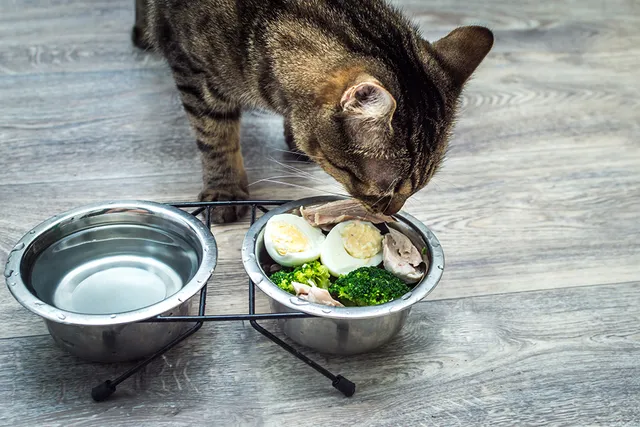
Lamb can be beneficial for your cat if you know how to properly feed it to them. Here’s a list of tips that will help you do so safely:
- Purchase fresh lamb, and keep it in the refrigerator before preparing it for your cat.
- Cut the lamb into small pieces, remove all the bones, and cook it to a temperature of 145°F.
- After you ensure that the lamb is thoroughly cooked, discard all fat before serving it to your feline.
- Don’t add any spices, condiments, and oils, as these could potentially be dangerous for your cat and cause toxicity.
- If offering lamb to your cat for the first time, start slowly and monitor them for any reactions.
- Consult a veterinarian before including lamb in your cat’s diet. They should always be aware of any dietary changes and give you their approval to ensure that your cat will stay healthy.
The Pros of Cats Eating Lamb
1. Protein
Lamb can be an excellent source of animal protein for cats, which is precisely what these carnivores need. Small amounts of lamb can meet your cat’s nutritional needs when it comes to protein and can aid with maintaining a normal weight or gaining extra pounds.
The protein in lamb also promotes muscle building and helps your feline stay active throughout the day.

2. Vitamins and Minerals
Lamb is filled with the essential minerals and vitamins that cats need to develop and stay healthy, including:
- Iron
- Selenium
- Vitamin B12
- Zinc
- Phosphorus
- Niacin
These nutrients positively affect cats and their overall health, which is why eating lamb can be beneficial.
3. Improved Overall Health

Due to all the nutrients inside lamb meat, it can improve your cat’s overall health. Here’s a list of the various health benefits that cats may experience from eating lamb:
- Aids with building muscles
- Boosts the immune system
- Improves skin health
- Improves coat health
- Lowers the risk of several diseases
- Promotes body growth
- Promotes bone health
The Cons of Cats Eating Lamb
Although eating lamb is generally considered safe for cats, several problems could arise when offering this type of meat to your feline.
1. Choking Hazard
Lamb represents a choking hazard for cats if it’s not served properly, such as if there are bones present in the meat. You should always offer boneless lamb and ensure that it’s cut into small, bite-sized pieces.
2. High Fat Content

Although rich in protein, lamb is also rich in saturated fats, which could be harmful to your cat. Consuming foods high in fat can increase the risk of health problems like high cholesterol and heart disease.
3. Seasonings
Use fresh, unseasoned lamb for preparing your cat’s meal. Lamb that was originally prepared for human consumption is not recommended because it could contain seasonings that could harm your cat’s health, especially onions or garlic.
4. Health Issues

Eating lamb could lead to several health problems in your cat. Some are mild, while others are severe, which is why you should be cautious when offering this type of meat to your cat.
Here’s a list of the potential health issues that could arise in cats that eat lamb:
- Bacterial infections — Consuming raw lamb meat could lead to multiple bacterial infections, typically Salmonella or E. coli, which could harm your cat’s health.
- Gastrointestinal problems — Some cats can experience gastrointestinal issues when consuming lamb, including abdominal pain, diarrhea, and vomiting.
Can Cats Be Allergic to Lamb?
Cats can have various food allergies, which is why it’s vital to be cautious about the foods that you offer to your feline.
So, can cats be allergic to lamb? The answer is yes, but it should be noted that lamb allergies in cats are not that common. Not every feline will be allergic and have a negative reaction when eating lamb. That said, it’s possible for some cats to have a negative reaction, which is why you should monitor your cat whenever feeding them a new food, including lamb.

Final Thoughts
Cats can definitely eat lamb, and this meat is actually a common ingredient in many commercial cat foods. However, keep in mind that your feline should consume lamb only occasionally and in moderate amounts in order to experience its benefits and reduce its downsides.
Eating lamb too much and too frequently could cause several health problems in your cat, so remember to be cautious when offering this meat to your feline.
Sources
Featured Image Credit: APICE CREATIVE, Shutterstock
Expert cat care, straight to your inbox
News, insights, and useful advice, delivered to you.

No spam — unsubscribe anytime.
By signing up, you agree to our Terms & Conditions and Privacy & Cookies Policy.
How useful was this post?
Click a star to rate. You can leave written feedback afterwards. (We read all feedback.)
I'm a creative, adaptable content writer that covers various topics such as DIY, pets, home improvement, travel, gardening, and more.
As a young mom and a college student, I didn’t have enough time to balance my personal and work life, so after multiple years of working a regular 9 to 5 job, I decided to pursue my passion and make a living out of it. I have been writing for a couple of years now, helping people to find valuable and interesting information online.
I believe that writing is a great way to share your knowledge with the community and express yourself. There's nothing that words cannot accomplish, so I always try to use them in the best possible way.