Burmese Cat Lifespan: How Long Do They Live? Vet-Reviewed Info


In this article
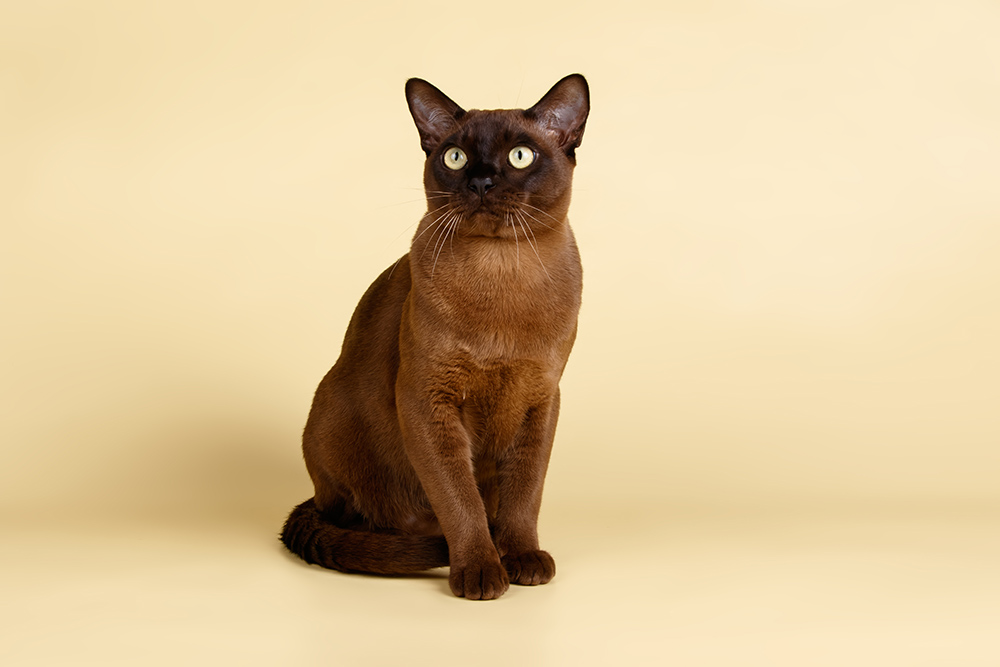
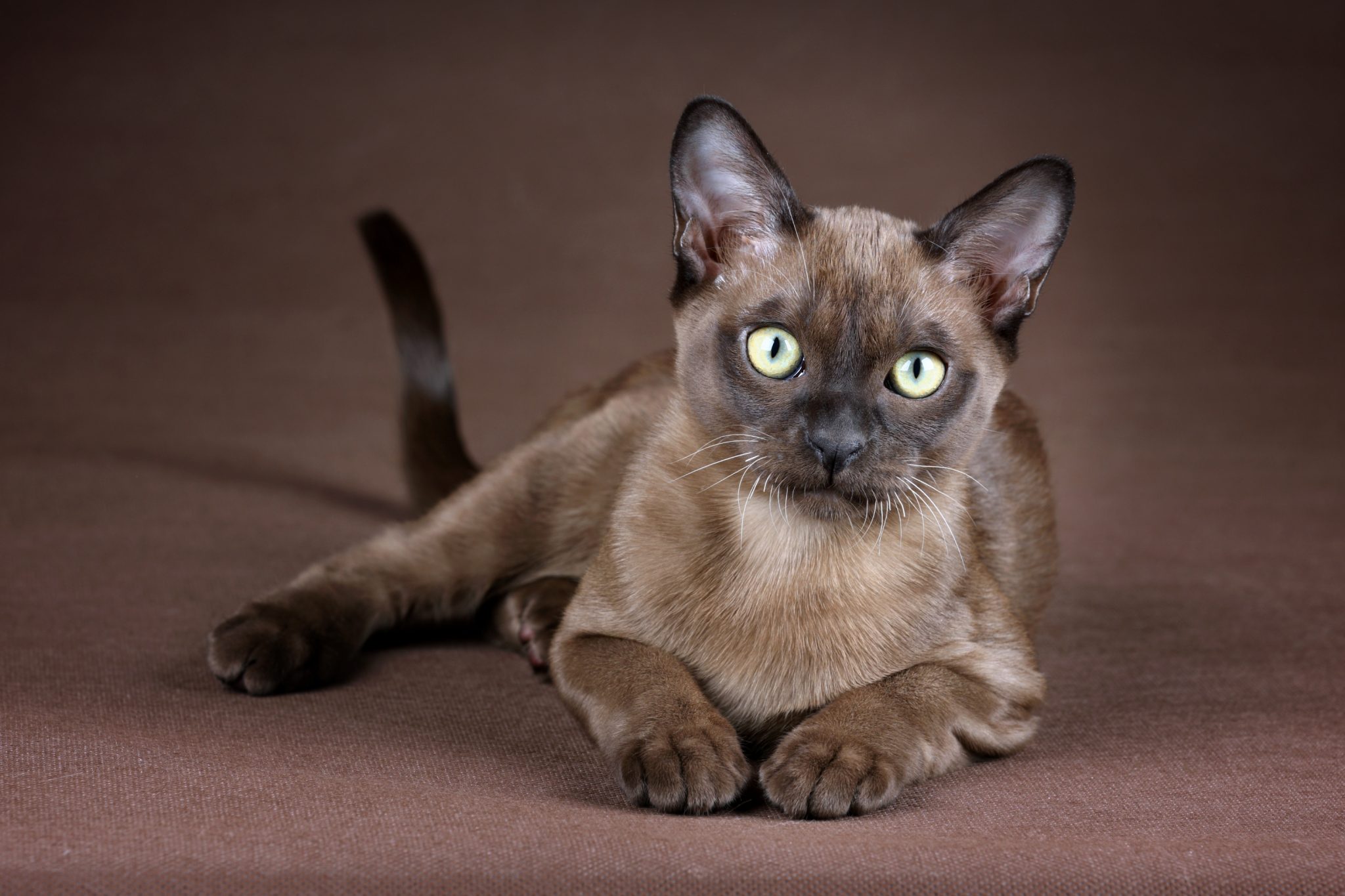
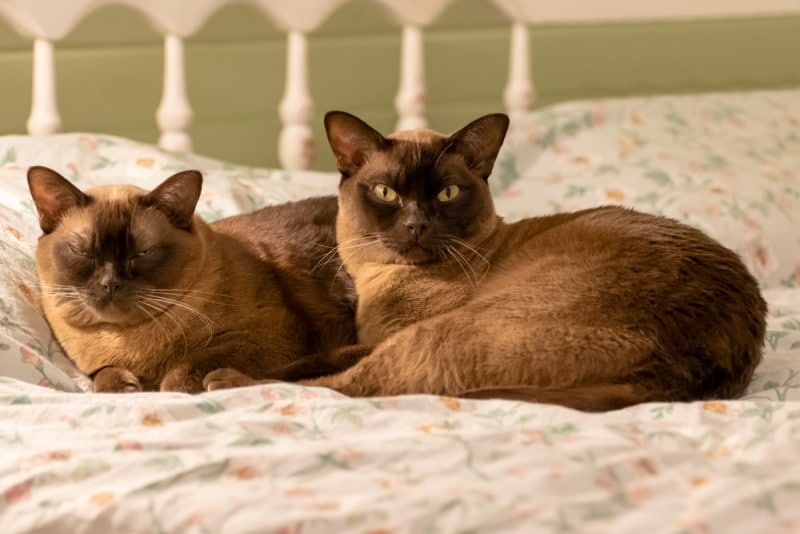
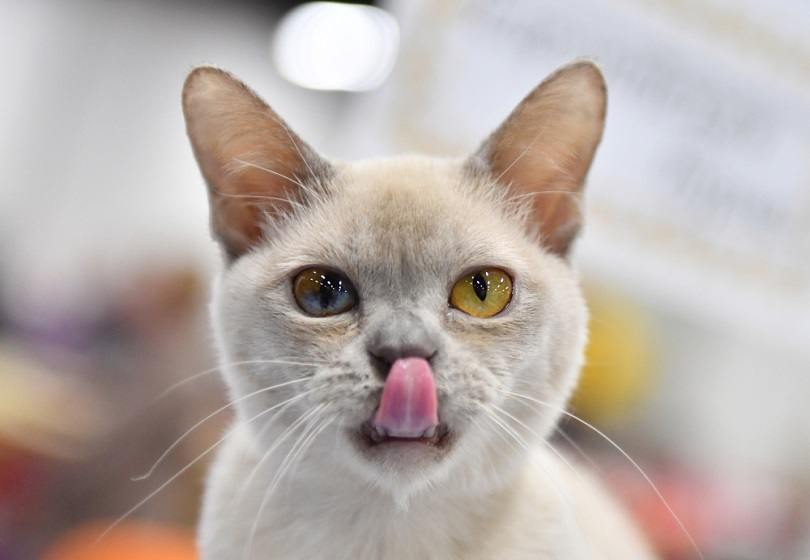
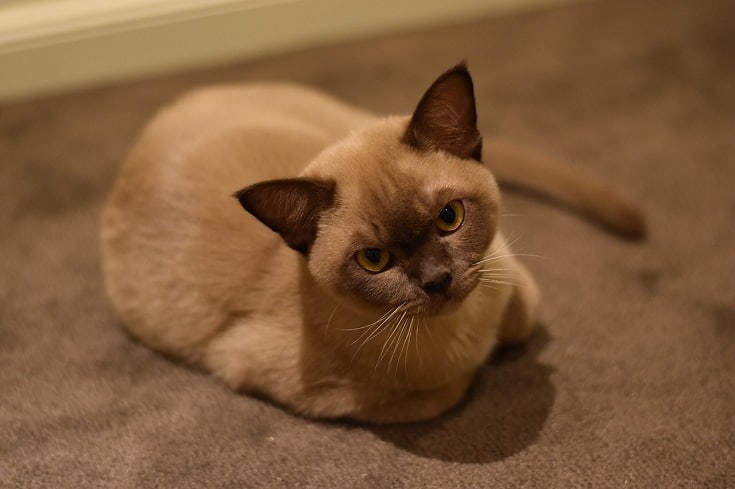
Burmese cats are known for their social, adventurous, and playful nature. They have an average lifespan of 10-16 years, but depending on the individual’s lifestyle and health, this can be as long as 20+ years in some cases. Burmese cats are generally healthy and are believed to have a Siamese ancestor. There are many factors that may influence a cat’s longevity, and we will go through some of them in this article.
Read on to learn more about the life expectancy of this affectionate, intelligent, and highly loyal feline breed.

What’s the Average Lifespan of a Burmese Cat?
Burmese cats have a fairly long life expectancy amongst other purebred cats in the feline kingdom, depending on many factors, such as genetics, health, regular veterinary care, neutered or spayed status, lifestyle, body weight, and others.1 On average, indoor felines can live longer lives, previously believed up to 17 years of age in comparison to only 2-5 years for exclusively outdoor cats.2 Newer studies have shown that indoor-only cats can reach an average age of 9.43 years (up to almost 22 years), while for outdoor cats, this is on average 7.25 years, with the longest being 21 years.3
It can be "normal" for some cats, including Burmese and other pure or mixed breeds, to live well into their 20s, and a few even hit their mid-20s or more, although this is far less common. Creme Puff, the oldest living cat on record, was a tabby that lived to the ripe age of 38 years.

The 8 Reasons That Can Impact a Burmese Cat Longevity
The Burmese cat is a reasonably healthy breed. We have already mentioned some of the factors that may influence a cat’s longevity, and we will go through some of them in more detail. There are some factors you can influence this directly, such as choosing a kitten from a reputable breeder who has performed the necessary health testing, keeping up with preventative veterinary health care, and providing a complete and balanced diet. With all this and more in mind, you may have your pet by your side for over two decades!
Here are some factors that may influence a cat’s lifespan and ultimately their health, no matter the breed.
1. Genetic Factors
One of the aspects determining a cat's longevity is the breed and breed-related health issues, particularly congenital and hereditary ones. Purebred Burmese cats may generally live longer than other pure breeds. Still, oftentimes, mixed breeds outlive purebreds because their genetic diversity can shield them from various congenital and hereditary diseases.
When it comes to Burmese cats, adopting or buying a purebred cat should be done based on the available information on their health and the health of their ancestors. If you choose a mixed breed, familiarize yourself with the profiles of the feline breeds involved. The Burmese Breed Council has recently allowed crossbreeding with Tonkinese and Bombay cats to broaden the breed's genetic diversity.
Unfortunately, Burmese cats are also one of the least genetically diverse breeds, according to a study published in 2008. This reflects intense inbreeding and increases the risk of various health issues, immune system problems, and hereditary diseases, some of which may skip generations.
Obtaining a cat or a kitten from a reputable breeder is crucial, so they can assure you all the necessary health testing has been performed. Regular vet visits are essential to ensuring your Burmese cat lives to their fullest by providing preventative healthcare in terms of vaccinations and regular flea and worming treatment. The idea is to catch and manage any health issues as soon as possible.
2. Healthcare
Purebred Burmese cats are prone to specific hereditary health issues. These health concerns may include a predisposition for diabetes mellitus, feline orofacial syndrome, and Burmese hypokalemia, among others. Inquire with a vet about the available genetic testing for ruling out some of these disorders.
No matter which cat breed you have, you must schedule annual health checkups, while some cats, such as older ones or those with existing health issues, need to see the vet more frequently. Cats that receive timely medical help when they start showing signs of health problems have a better chance of making a full recovery and more quickly.
You can manage vet bills by investing in quality pet insurance. Some policy providers may cover congenital or hereditary conditions as long as they are not apparent when you enroll your pet. Make sure your cat is registered for coverage at eight weeks old. Also, consider policies with a higher maximum age limit.

3. Nutrition
Proper balanced nutrition based on veterinary advice and formulated in accordance with AAFCO recommendations may help Burmese and other cat breeds live through their expected lifespan. Burmese cats are active, highly vocal, and curious explorers. Your pet needs a high-quality protein diet that can ensure they get all the energy and essential nutrients they need to maintain optimal physical health.
Generally, the ideal diet must contain a high amount of animal protein and a moderate amount of fat, all while being low in carbs, with exact percentage ranges depending on the cat’s age, health, activity level, neutering status, and lifestyle. Steer clear of diets that are excessive in carbs because cats do not have dietary requirements for them, and their digestive system is less efficient at utilizing some types of carbs, such as fructose.
4. Environmental Factors
Lifestyle also plays an important role in the length of a cat’s life, as outdoor cats are at more risk for injuries and trauma and may have a shorter lifespan, as discussed in the intro. It’s not just the obvious risk of road traffic injuries or trauma; outdoor cats are likely to encounter other animals, such as cats, dogs, and wildlife. Fighting and being chased or attacked by animals larger than themselves can also cause life-threatening injuries in cats, while fighting other cats can lead to disease transmission.
Some common feline viral diseases include feline herpesvirus, feline leukemia virus, and feline immunodeficiency virus, which may cause latent and lifelong infections and viral shedding. This puts other cats and their health at risk, as viruses like feline leukemia may lead to cancer, various immune system disorders, and increased susceptibility for infections. All of this will have a big impact on a cat’s longevity.
5. Weight
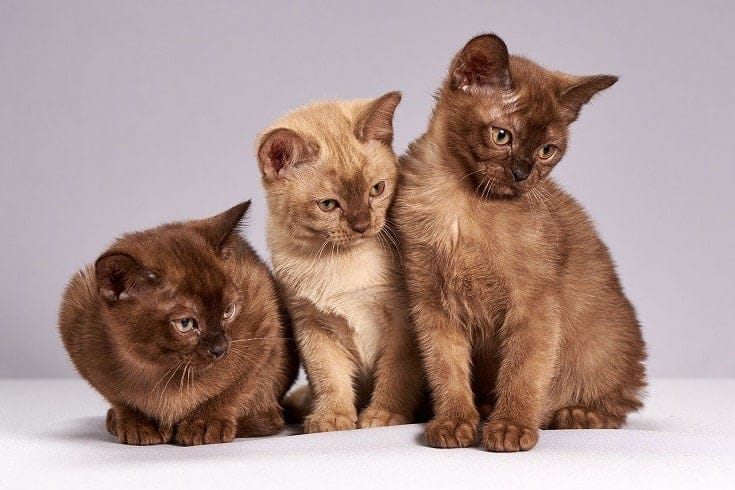
Burmese cats are medium-sized, with males generally being larger than females. The felines have stout, masculine bodies and often weigh more than they look.
On average, adult Burmese cats weigh between 8 and 12 pounds. It is imperative to note that your pet's weight can significantly impact their lifespan. Being overweight or obese increases the likelihood of health issues like heart disease, joint problems, breathing issues, and urinary tract disorders, amongst others. Obese cats may live significantly shorter, only around 5-10 years, so it’s crucial to keep your cat at an ideal weight. Speak to a veterinarian about weight management if you think your cat is overweight.
Burmese cats are playful and packed with energy. Even in adulthood, the cats maintain kitten-like mannerisms and enjoy rigorous play sessions. If you have limited indoor space, you can enrich your cat's life and increase their level of physical activity by giving them some supervised outdoor adventures. This can be done utilizing an outdoor catio or taking your cat for outdoor adventures using a harness and a lead.
6. Neutering Status
Healthy Burmese cats generally have no problem surviving past their 15th birthday. Like with other cats, females tend to live a little bit longer than males. Worth noting is that you can prolong the life expectancy of your Burmese cats, irrespective of their sex, by getting them neutered.
Neutering will reduce the risk of your cat roaming, becoming pregnant if a female, contracting various infectious diseases, or getting injured or even killed in a road traffic accident while searching for a mate. Based on scientific papers, the life expectancy may be 39% greater for neutered female cats in comparison to intact ones, while for males this is around 62%.
7. Breeding History
One of the prime aspects determining a cat's longevity is its breed. Purebred Burmese cats generally live longer than most cat breeds. Still, mixed breeds outlive purebreds because their genetic diversity shields them from potentially fatal hereditary diseases.
When it comes to Burmese cats, adopting a purebred is always a good decision. If you must go for a mixed breed, ensure you know the profiles of the feline breeds involved. The Burmese Breed Council has recently allowed crossbreeding with Tonkinese and Bombay cats to broaden the breed's genetic diversity.
8. Healthcare
Purebred Burmese cats are prone to specific hereditary health issues. These health concerns include acute teething disorders that affect kittens, diabetes, and hypokalemia once the feline hits puberty.
Generally, the quality of healthcare you seek for your pet can dictate its chances of leading a happy, healthy, and long life. If you have a Burmese cat, you must schedule annual health checkups. Cats that receive timely medical help when they start showing symptoms of health problems tend to live longer.
You can manage vet bills by investing in quality pet insurance. Some policy providers cover congenital or hereditary conditions as long as they are not apparent when you enroll your pet. Make sure your cat is registered for coverage at eight weeks old. Also, consider policies with a higher maximum age limit.
The 6 Life Stages of a Burmese Cat
Burmese cats, like all cats, have six life stages. Knowing what to expect during each stage ensures you provide quality care and give your pet optimal chances of living a long and happy life. Throughout their whole life, no matter the stage, it’s imperative to keep up with routine veterinary health care, such as regular vaccinations, check-ups, weight checks, and antiparasitic treatment, as well as flea and tick treatment. This is done more frequently in the kitten, mature adult, senior, and geriatric cat stage to ensure a great start to life and comfortable and healthy aging.
1. Kitten (Up to 6 months)
Burmese kittens are gorgeous, with bright eyes and a playful demeanor. Their high play drive makes them prone to accidents, making it necessary to ensure your kitty engages in supervised play. The kitten stage is the best time to introduce your pet to other pets and people and get them used to grooming and veterinary sessions.

2. Junior (Up to 2 years)
Junior cats are like human adolescents. They like to explore and are not shy to test boundaries. You must invest in toys to keep your cat mentally and physically stimulated. Also, keeping your Burmese cat indoors is best to protect them from getting in trouble outdoors, or you can supervise their outdoor time by using a catio or walking them on a harness and a lead.
3. Prime (Up to 6 years)
Burmese cats may maintain kitten-like habits even as young adults. They can still be quite curious and experience random bursts of playful energy. Again, always use positive reinforcement and reward good behavior, and help your kitty use up all of their energy every single day by providing plenty of mental stimulation and physical exercise.

4. Mature Adult (Up to 10 years)
One year on our calendar is equivalent to roughly 4 cat years after 2 years of age, which is an equivalent of 24 human years. A lot can change in your Burmese cat's weight and behavior when transitioning from a young adult to a mature cat. Also, this is when most health conditions set in. It is necessary to be extra cautious about your cat's diet and also invest in regular medical checkups.
5. Senior (Up to 14 years)
Senior Burmese cats are the equivalent of humans in their 60s and early 70s. You'll notice that your pet is less active with a lower play drive, even for games they once loved. This calls for a shift in their routines and environment.
As your cat slows down, learn to observe them for subtle changes in their behavior, appetite, drinking, urination, and defecation habits so you can pick up any signs of illness quickly. Adjust their diet according to their age or any underlying health issues based on your vet’s advice, and provide a comfortable environment to ensure proper rest. Most importantly, visit your vet for checkups at least twice yearly.

6. Geriatric (15 years and older)
The geriatric life stage in a Burmese cat is the oldest stage they can attain. Some pet insurance providers can still provide coverage for your cat, although at a higher premium. Ensure your pet visits the vet as recommended and generally keep them as comfortable as possible. Provide attention and ensure your cat has easy access to their food and water bowls and the litter box.
How to Tell Your Burmese Cat’s Age
If you don't know your Burmese cat's age, you can make an educated guess based on aspects like their teeth, size (if they are a kitten), and their behavior. A vet can help provide a more accurate estimate by studying a range of physical and behavioral markers.
Kittens have deciduous teeth, which are replaced by permanent teeth once they are around 6 months old. While a diligent health regimen can help keep your pet's teeth healthy, 50-90% of cats aged 4 years or above have dental disease, and this may become more prominent in mature, senior and geriatric life stages.
Weight-wise, Burmese cats, like most other cats, will often maintain optimal weight in their junior and prime years. They keep kitten-like traits until they are middle-aged. After this, they become calmer and more prone to obesity, especially if overfed. However, a cat can become obese at any stage of their life if they are not getting enough exercise or are having excess calories through their food and treats. Senior and geriatric cats often experience weight loss due to underlying health issues.

Conclusion
Burmese cats have endearing qualities. These gorgeous felines come in various coat colors and have distinctive bright, alert eyes. They can also charm anyone with their exciting personalities, intelligence, and funny antics. Better still, they are a long-lived breed known to outlive many other feline breeds.
There are many factors that can determine their longevity, such as genetic predisposition, the individual animal’s health, neutered status, preventative healthcare, environmental factors, nutrition, and more. We hope this post equips you with the tricks and tips to ensure your Burmese cat has the best odds of living into their 20s.
Sources
Featured Image Credit: Sel_Sanders, Shutterstock

Expert cat care, straight to your inbox
Vet-reviewed advice, behavior tips, and the best of Catster. Free, and you can unsubscribe anytime.
By signing up, you agree to our Terms & Conditions and Privacy & Cookies Policy.
Christian started writing for a local newspaper as a teenager, and he's been involved in the publishing industry for most of his adult life. Combining his love of writing with a passion for animals, he is currently the Director of Editorial at Pangolia and the Editor-in-Chief at Catster.
Christian lives in the Philippines with his wife, son, and four rescue cats: Trixie, Chloe, Sparky, and Chopper.
Join the conversation
Ask a question, share your story, or send private feedback.