How Long Do Cats Live? Feline Lifespan Facts Explained (Vet Approved)



In this article
We've all heard that cats have nine lives. But how much of that is actually true? Do cats seem to escape brushes with death regularly? If the cat lives an expected average of years, how long is that usually?
According to various studies, a crossbred house cat usually lives an average of 14 years, with a range of 10 to 15 years. However, it can be much longer, as it’s not unusual for cats to reach their late teens or even their twenties. Life expectancy depends on many factors, such as the specific breed of cat, whether they are neutered, their diet and bodyweight, how often they see the vet, and other life factors.
So, what are the things to consider when you think of a cat's lifespan? Let's hash it out.

How Long Does a Cat Usually Live?
Where did the expression cats have nine lives even come from?
The Egyptian sun god Atum-Ra is associated with the number nine. Atum was part of a unity called The Great Ennead. The other eight gods of the nine are Shu, Tefnut, Geb, Nut, Osiris, Isis, Nephthys, and Set.
Since Egyptians believe that Ra took on a cat's form, it was assumed that he and the other eight gods took on the feline's longevity.
Nine is also a lucky number in Chinese culture, as it is considered a long-lasting symbol. Today, many believe the concept of nine lives has to do with luck.
There is no denying that cats seem to get lucky often. Whether it's barely dodging a darting car or landing on their feet from great heights, cats seem to have the universe on their side.
Related Read: Do Cats Always Land on Their Feet? The Scientific Answer

How Old Can a House Cat Get?
Most cats are considered seniors from age 10 onward. At this stage, your cat's body begins to decline naturally. As they age, your cat could develop health issues like arthritis and dental disease.
While it isn't unusual for cats to live close to 20 years or more, you will need to make specific accommodations for them after a while. Following your vet’s advice is essential here. Your cat may need medical treatment for their health problems, comfier beds to support their joints, and a specialized diet adjusted to their needs.
How to Calculate Your Cat's Age
By the time your cat is a year old, they will have lived roughly 15 human years. In the second year, your cat will age 9 more human years. With every subsequent year, it totals 4 human years.

How Long Does a Healthy Cat Live
As with any species on the planet, health issues impact the life expectancy of cats. Some issues are breed specific, circumstantial, or spontaneous.
Cat Illness
Many illnesses are preventative, but some aren't. Genetic disorders and certain cancers or conditions are inevitable for some cats. So, what are the most common cat illnesses?
Cat Sudden Death
Of course, accidents happen. Issues like animal attacks or being hit by a car can cut things off prematurely. Sudden death isn't something that you can foresee, but it can be partially prevented by keeping your cat indoors or only letting them out in a catio or a secured garden so they are less vulnerable to these types of accidents.
Cat Defects at Birth
There can be issues from birth that impact feline lifespan.
Cat Breeds That Exceed Lifespan
Certain breeds have incredibly long lifespans for cats.
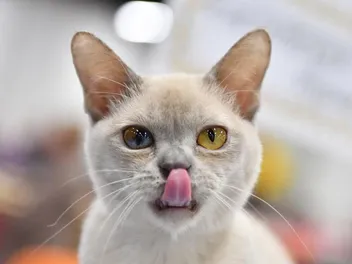
Burmese Cat: 10-17 years
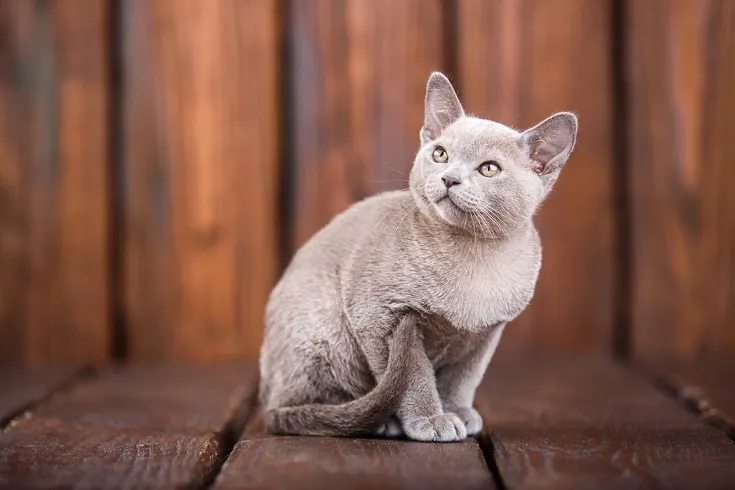
Burmese cats are large-eyed beauties with stocky, athletic bodies. According to some sources, the longest living Burmese cat lived up to 35 years.
Siamese Cat: 10-19 years

Siamese cats are one of the only Asian cat breeds with distinctive coats and blue eyes. The oldest male Siamese on record was named Scooter from Mansfield, Texas, who lived to see his 30th birthday.
Persian Cat: 12-17 years

There was a Persian named Crème Puff from Austin, Texas, that lived 36 years.
Nebelung Cat: 15-18 years

Though there is no "oldest" Nebelung cat, they do typically live longer than other breeds.
Cat Breeds With Shorter Lifespans
Due to breeding, body structure, and other factors, certain breeds live shorter than others. Let’s take a look at the average lifespan estimates by breed:
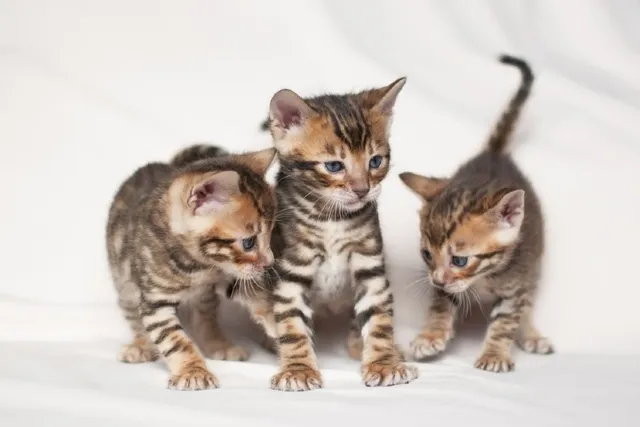
Bengal Cat: 7-12 Years

Bengal cats have a wild appearance with distinctive leopard-like spots, rosettes, arrowheads, and marbling. If you have the energy to keep up with a Bengal, this could be the cat breed for you. That said, the data regarding the life expectancy of Bengals varies, and to date, there are no specific studies that have reviewed the longevity of this breed in detail.
Maine Coon: 4-16 years

Even though Maine Coons are very strong and hardy, they still have a lower than average lifespan.

Healthy Eating Habits for Cats
One thing to look out for in cats is poor eating habits. The staple in a cat's diet is plenty of whole protein. Cats are carnivores, so they need at least 30% protein in their daily diet. They also need healthy carbohydrates, fatty acids, fiber, vitamins, and minerals.
Commercial dry kibble is one of the options available, but it doesn't have much moisture. Many owners combine wet and dry food to reap the benefits of both. Other commercial diet options include fresh subscription food.
Food-related issues like unbalanced diets and overeating can cause many significant problems later.
Regular Vet Visits
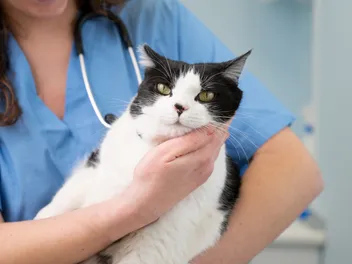
Your cat benefits greatly from regular vet checkups. In the first year, your kitten should routinely see the vet for health checks, vaccinations, neutering or spaying, and parasite prevention. Your vet needs to make sure your kitten is on par with their milestones.
Importance of Vaccines
You can protect your felines so much just by keeping up with routine vaccinations. Vaccines help protect against several viral or bacterial diseases that can affect cats.
Vaccines are recommended for both indoor and outdoor cats. However, you should follow your vet’s recommendations with regard to the type and frequency of the vaccinations your particular cat needs.
Immunizations prepare your cat against potential infectious threats. First-year vaccinations are the starting point. After the cat reaches 12 months, they normally just need annual boosters.

Here is a chart explaining vaccine purposes and an example of a vaccination plan.
| Age | Vaccines | Purpose |
| 8-9 weeks | Panleukopenia Calicivirus Rhinotracheitis Feline leukemia virus | Preventing feline leukemia virus, panleukopenia virus, and viruses involved in cat flu |
| 11-12 weeks | Panleukopenia Calicivirus Rhinotracheitis Feline leukemia virus | Preventing feline leukemia virus, panleukopenia virus, and viruses involved in cat flu |
| 16-18 weeks | Rabies Panleukopenia Calicivirus Rhinotracheitis | Preventing feline panleukopenia virus, viruses involved in cat flu, and rabies |
| 1-3 years | Rabies Panleukopenia Calicivirus Rhinotracheitis | Preventing feline panleukopenia virus, viruses involved in cat flu, and rabies |
Non-core vaccines include:
Final Thoughts: How Long Do Cats Live?
Even though most felines have admirable life expectancies, it's still sad that our furry friends can't stick around longer. To ensure that your cat lives to reach a ripe old age, make sure to feed them a complete and balanced diet, get them neutered, take them to regular vet appointments, and provide safety in the home.
Hopefully, your kitties thrive well past their prime.
Featured Image Credit: jsmars, Shutterstock
Expert cat care, straight to your inbox
News, insights, and useful advice, delivered to you.

No spam — unsubscribe anytime.
By signing up, you agree to our Terms & Conditions and Privacy & Cookies Policy.
How useful was this post?
Click a star to rate. You can leave written feedback afterwards. (We read all feedback.)
As a freelance dog writer and passionate pet enthusiast, Ashley Bates is pursuing studies in animal therapy. A mother to four human children and 23 animal companions, Ashley is dedicated to volunteering at shelters, advocating for animal rights, and rescuing animals in need. Her goal is to spread awareness, provide education, and offer entertainment about pets to reduce homelessness. Ashley's specialties include dogs and cats.