7 Cat Breeds With the Shortest Lifespans (Info & Pictures)
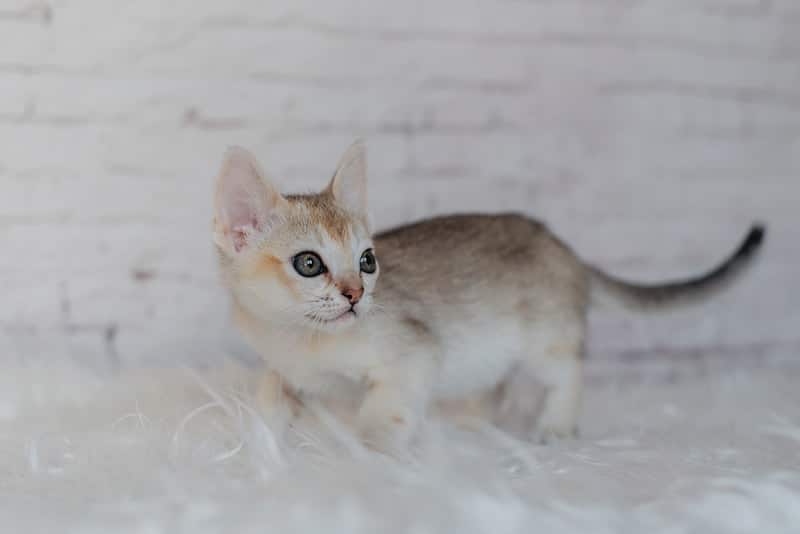
Based on a recent study conducted in the UK looking at almost 8,000 cats, researchers established that the average lifespan for pet cats is around 12 years.1 Although 12 years isn’t a long time and we would all like our cats to live much longer than that, there are many factors that can influence a cat’s longevity, one of them being their breed and associated hereditary and genetic health issues. Other factors that influence it are also their lifestyle, indoor vs. outdoor living, preventative healthcare such as vaccinations and neutering, and much more.
However, this research has shown that some purebred cat breeds may have a shorter lifespan than others. Cats come in a massive variety of shapes, colors, and sizes, and different cat breeds may have widely differing lifespans. While your cat’s lifespan is also affected by their diet, lifestyle, environment, and acquired diseases or injuries, genetics can play a large role too.
Still, much remains a mystery when it comes to anticipating a cat's lifespan and comparing various breeds can be challenging. There is limited scientific data available on many of the more recently recognized cat breeds and the data can often be variable due to the small number of those cats being owned.
The following list is based on the available research and data for only several of the mentioned cat breeds, it’s not exhaustive and is not in an order of significance.

The 7 Cat Breeds With Shorter Lifespans
Please note that the evidence-based scientific data for life expectancy has currently only been confirmed in a small number of feline breeds, including the Sphynx, Abyssinian, and Bengal cats present on this list, while in other breeds, which are not as common and data is insufficient, the lifespan information is currently an anecdotal estimate and may vary greatly.
1. Sphynx

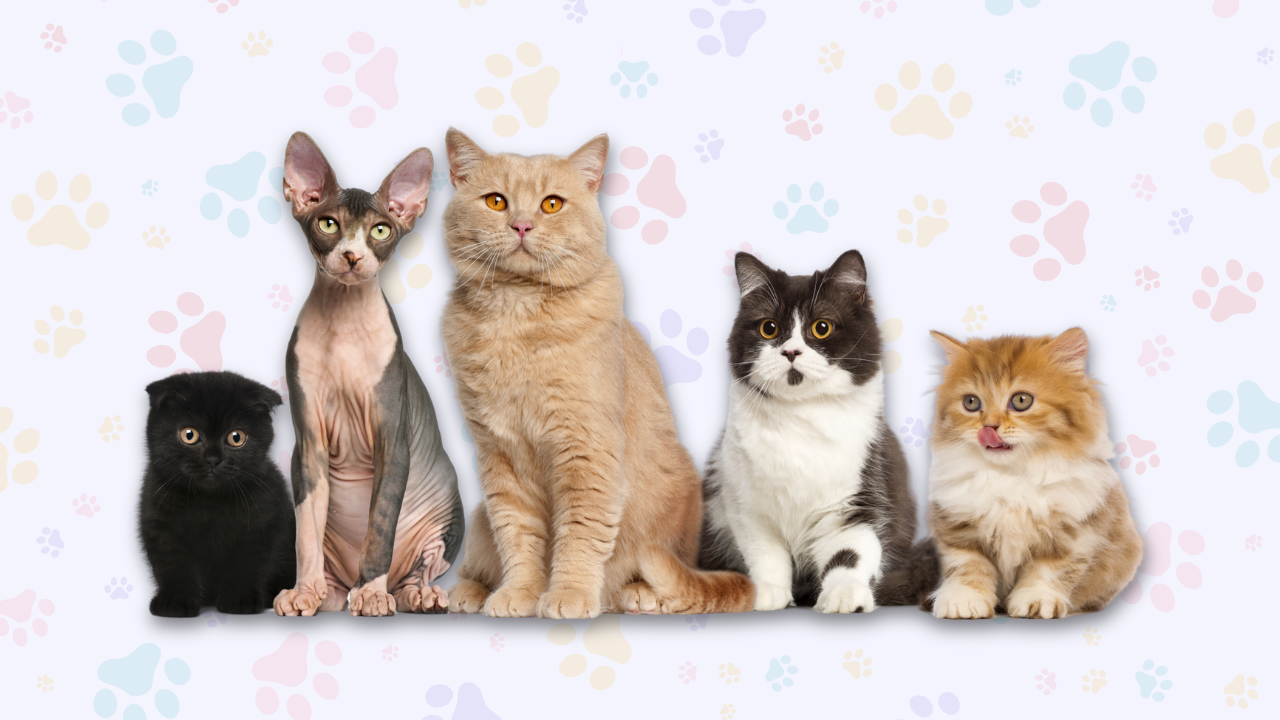
The Sphynx cat is a rare breed and a little bit of an acquired taste, but still loved by many pet owners. Sphynx's unique look resulted from a spontaneous mutation that first occurred in 1966 when a domestic cat gave birth to a hairless kitten in Toronto, Canada. The breed is generally considered fairly healthy but there are some recognized health issues they may be more prone to, one of them being a predisposition for hypothermia. Their lifespan is considered to be around 7 years, but some individuals may get to 15 years or more.
2. Abyssinian Cats

The Abyssinian is a short-haired breed of domestic cat with a distinctive “ticked” coat. The breed is thought to have originated from the coastal areas of the Indian Ocean and Southeast Asia, before most likely being brought to England by returning soldiers, and is widely believed to be one of the oldest breeds of domestic cats around. This cat is one of the top ten most popular breeds in the world due to their dog-like characteristics. Their average lifespan is around 10 years, but some individuals can reach their late teens.
3. Bengal

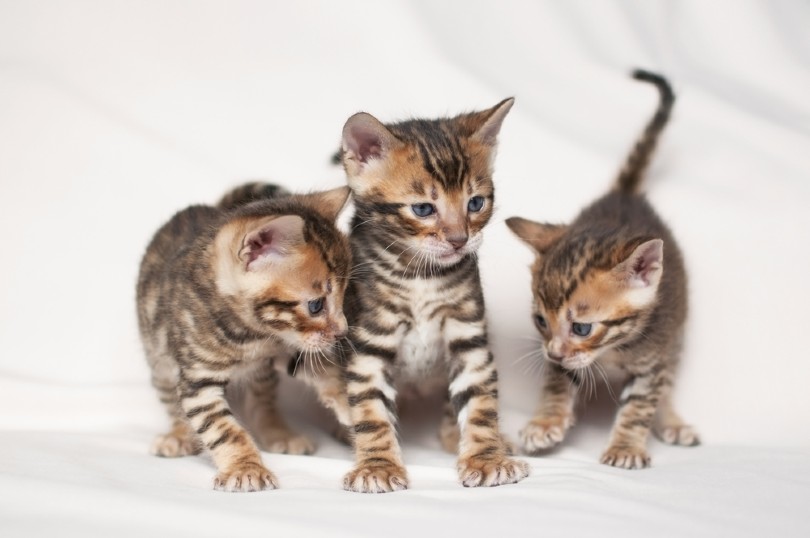
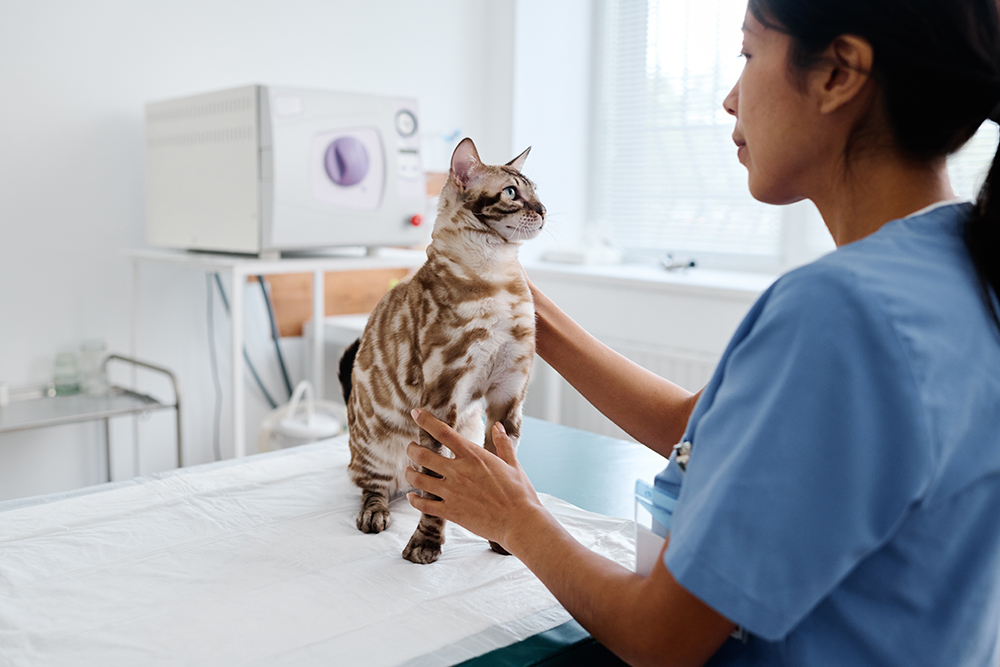
The Bengal was created by combining domestic cats with the Asian Leopard cat. They retain a wild appearance with distinctive leopard-like spots, rosettes, arrowheads, and marbling. These are highly energetic animals that need a lot of playtime. Atypically for cats, these animals can also be quite keen on water, and they also love to be up high, a nod to their wild heritage. On average, Bengals have a life expectancy of 7 - 8.5 years on average, although some individuals will reach mid and late teens, depending on many factors.
4. Burmilla

Originating in the United Kingdom in the early 1980s, the Burmilla was developed from a Chinchilla Persian and a Burmese. They are medium-sized cats with slender bodies, distinctive “make-up” lines around the eyes, nose, and lips, and a distinguishing sparkling silver coat. They are fairly independent animals but stay kitten-like into adulthood, being playful, curious, and affectionate with their owners. These cats are believed to have a rather wide lifespan of around 7-12 years, but such data has not yet been confirmed by science.
5. California Spangled

Bred to resemble wild cats, the California Spangled looks distinctly leopard-like with their spotted coat and lean, muscular body. They may appear wild, but the California Spangled is anything but: They are particularly affectionate and form strong bonds with their owners. They are docile, gentle, and loving cats that are usually fond of other pets. The breed has only so far been recognized by the American Cat Association. It is believed that these cats may have a life expectancy of 10-12 years, but there is no available data to confirm it at the moment.
6. Cymric

The Cymric is similar to the Manx breed, and some cat registries consider the Cymric as simply a longhaired version of the Manx. Other than their long coat, the two breeds are the same in every other respect, including many being born without a tail. They are muscular, compact cats with large eyes and widely spaced ears. They are affectionate and playful and love being around humans. These cats are believed to have an average lifespan of 8-12 years.
7. Japanese Bobtail

The defining characteristic of the Japanese Bobtail is their unusual curled-in short tail that resembles a rabbit's tail more than a cat's. They are an ancient breed that has been around in their native Japan for centuries, frequently appearing in traditional art and folklore. The predominantly white color variations are favored in Japan, but the breed can appear in almost any color. They are generally active and social cats that love to be around humans and are believed to have an average life expectancy of 9-12 years.
Indoor vs. Outdoor Cats
There are several important factors to consider if you’re thinking about letting your cat outside, as this may impact their health and life expectancy. Several studies looked into risks associated with cats going outside, some of them being transmission of various feline infectious diseases and parasites, chances of injury or death often due to traffic, encounters with wild animals or ingestion of toxic substances, and getting lost. Other factors to consider are also the negative impact cats have on local wildlife and the fact that some people may attempt to trap, hurt, or steal them.
A study published in 2022 of 3100 cats established that indoor-only cats had an average lifespan of around 9.4 years, while for combined indoor-outdoor cats this was 9.8 years, and for exclusively outdoor cats 7.25 years. These numbers confirm that outdoor cats have a shorter lifespan than both indoor-only cats and cats with a combined indoor/outdoor lifestyle.

An indoor and combined indoor-outdoor lifestyle is much safer for cats, with an indoor-only way of living preventing them from getting injured by cars or other animals or potentially getting some of the infectious diseases from other cats. Your cat can still get adequate exercise living indoors with environmental enrichment, a cat tree, or a steady supply of toys, they can still get plenty of sunshine and fresh air from a screened porch, and you can even train your cat to walk with a leash.
Your cat being overweight can also dramatically reduce their life expectancy, with some estimates as high as a 6-month reduction in lifespan for every extra 2 pounds they put on.
Sources
Featured Image Credit: jolka_yu. Shutterstock

Expert cat care, straight to your inbox
Vet-reviewed advice, behavior tips, and the best of Catster. Free, and you can unsubscribe anytime.
By signing up, you agree to our Terms & Conditions and Privacy & Cookies Policy.

Christian started writing for a local newspaper as a teenager, and he's been involved in the publishing industry for most of his adult life. Combining his love of writing with a passion for animals, he is currently the Director of Editorial at Pangolia and the Editor-in-Chief at Catster.
Christian lives in the Philippines with his wife, son, and four rescue cats: Trixie, Chloe, Sparky, and Chopper.
Join the conversation
Ask a question, share your story, or send private feedback.