When Do Male Cats Become Sexually Active? Vet-Reviewed Signs & Recommendations


In this article
Kittens are cute, fluffy, and fun, but they grow up fast. Not only in terms of size and demonstrating more adult behavior traits, but also in mating habits. Sexual maturity and mating desires start early in the feline community.
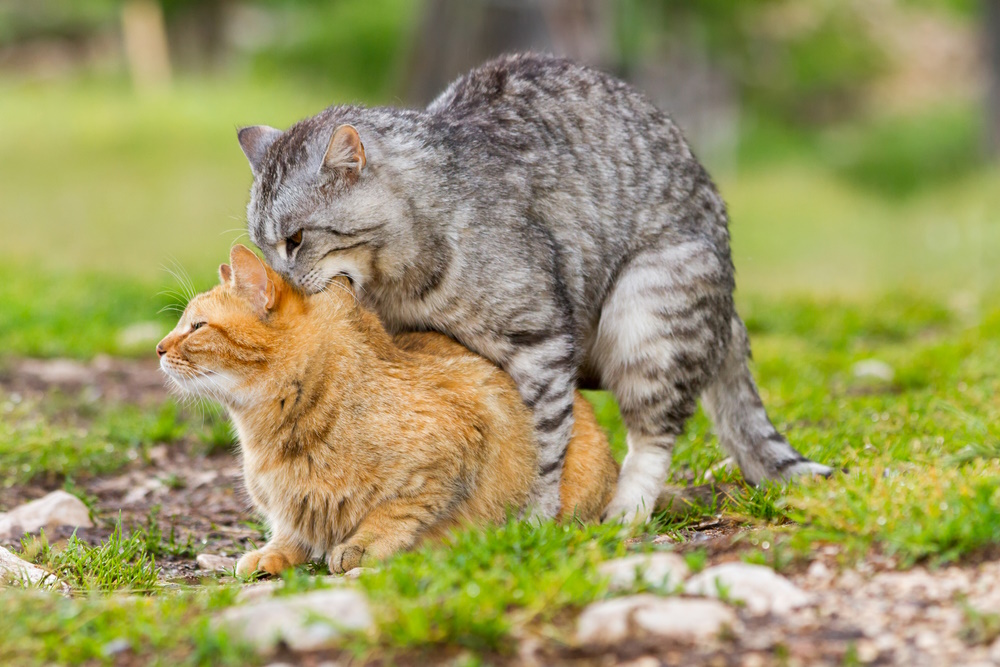
The purpose of the reproduction cycle and its subsequent activities is to produce new kittens and thereby naturally maintain the feline species. Cats manage the mating process and all the aspects involved with it, for the most part, between themselves with little interference from humans, unlike dogs, where humans often control or manage the breeding process more closely.
Male unneutered cats are known as toms, and on average you can expect your male cat to become sexually active and capable of impregnating a queen somewhere between 6–12 months old. But how will you know for sure when this is happening?

Physical Signs of a Sexually Active Male Cat
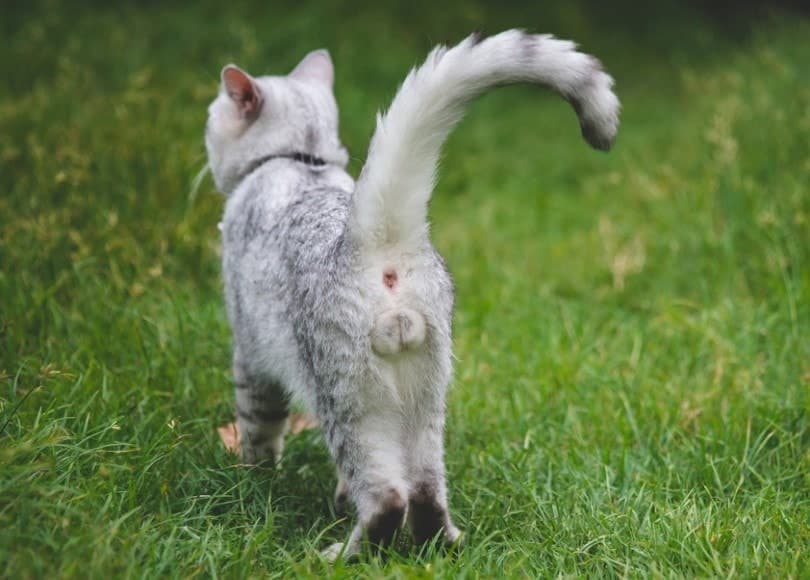
The first sign is seeing testicles. Testicles begin to be visibly noticeable around 2 months of age, as the testicles descend from the inside of the body into the scrotum. The small sacs on the outside of the body contain the testicles. You likely may not notice them until they are a little older and the testicles have grown in size also.
Occasionally, one or both of the testes do not follow this process (do not drop, and instead remain inside the cat’s body). This is known as retained testicles (cryptorchidism) and can be unilateral (only one) or bilateral (both). Therefore, the presence of visible testes shouldn’t be relied upon as your only confirmation of a sexually active male cat.
A further sign you may notice, or smell, is your male cat’s urine. Once they have reached their sexually active age, an unneutered male cat’s urine turns potent and strong, with a distinctly unpleasant smell.
Other signs of a sexually active male cat relate more to their behavior, which we will discuss next.

Unneutered Male Cat Behavior
1. Yowling
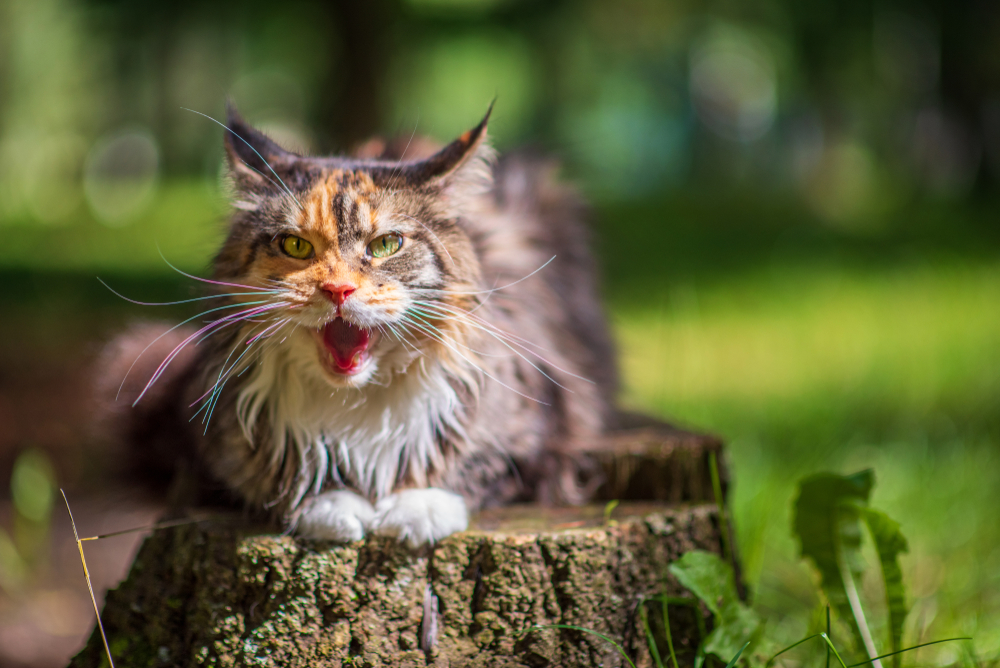
Unneutered cats, when looking for a mate or calling out for one, elicit a distinct loud yowling noise. It can sound like they are distressed or about to have a scrap with another feline. However, this noise is perfectly normal and is a sign your male cat is sexually active and wants to find a female mate. Much like the smell of urine, once you have heard this yowling noise, it can’t be forgotten. Female cats also make a similar noise for the same reasons as the male feline.
2. Aggression and/or Fighting
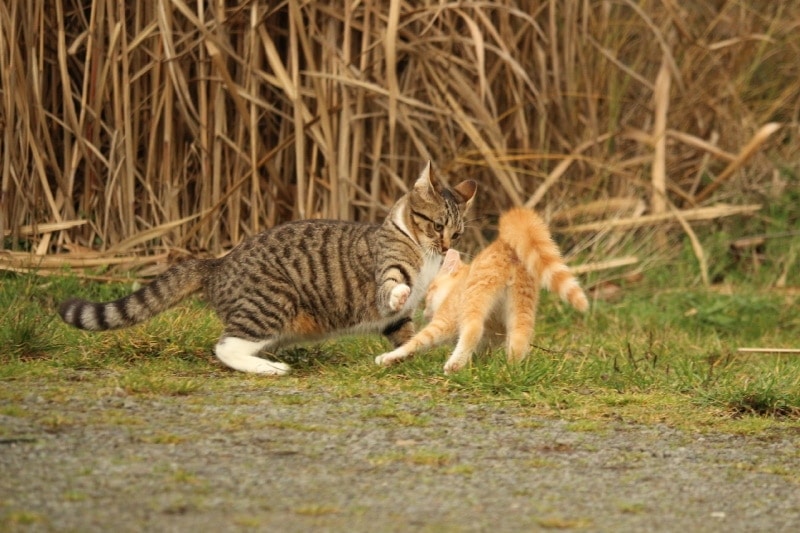
Intact males become extremely territorial of their environment. This includes the home, the neighborhood, and any mate they are attracting or are around. Basically, anything they consider to be “theirs.” This guarding and protective behavior is primarily due to testosterone, the male hormone mainly produced in the testes.
During times when your male cat feels threatened or protective of their space, they may, and often do, turn aggressive. They can stare intently, hiss, growl, spit, bat their tails and paws, screech, bare teeth, as well as lurch to attack the other cat or threat. They may also be more aggressive to humans.

3. Urine Spraying and Odor
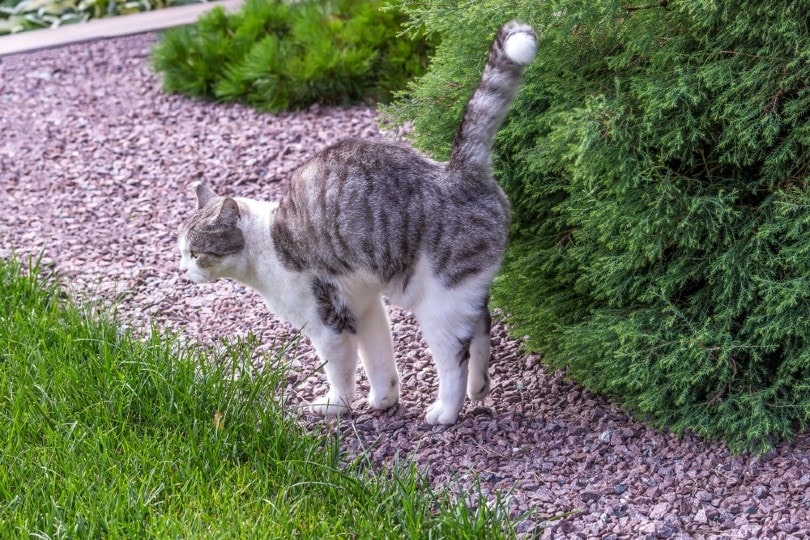
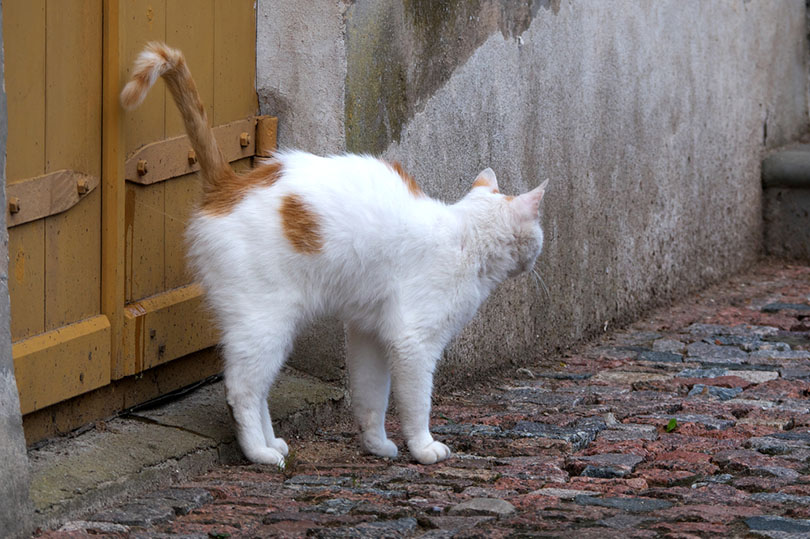
As mentioned, the smell or stench of tom cat urine is powerful. Unfortunately, in a bid to mark territory as “theirs,” attract another female, or ward off other male cats and threats, tom cats will spray their urine. This can often be in your house too, and they will keep returning to the same areas time and time again to urinate or spray because the scent from their original marking becomes ingrained into the surface easily. This makes matters worse and more difficult for you to clean and eliminate the smell from your home, and further advice should be sought on how to tackle this issue.
4. Roaming and Wandering
Roaming, and even disappearing for periods of time, are typical behaviors of the unneutered male cat. This behavior is common and carried out because they have picked up on the pheromones of a nearby female they are interested in. Once they have the scent, they must investigate and find her!
The problems associated with roaming are your cat's safety and well-being. They can easily be involved in a road traffic accident, become trapped or locked in a space such as an outbuilding or garage, suffer injuries with no help around, or simply get lost.
Cats that are indoor-only cats will demonstrate roaming tendencies and behavior by scratching at the door and windows or trying to sneak out.

Should I Neuter My Male Cat?
The intact male cat can actually be a very unpleasant one. With their habits of roaming, aggression, urine marking, and spraying, you may wish to consider neutering them. Neutering, while not a guarantee to abolish all the said male behaviors, most likely will, as the main source of testosterone has been removed.
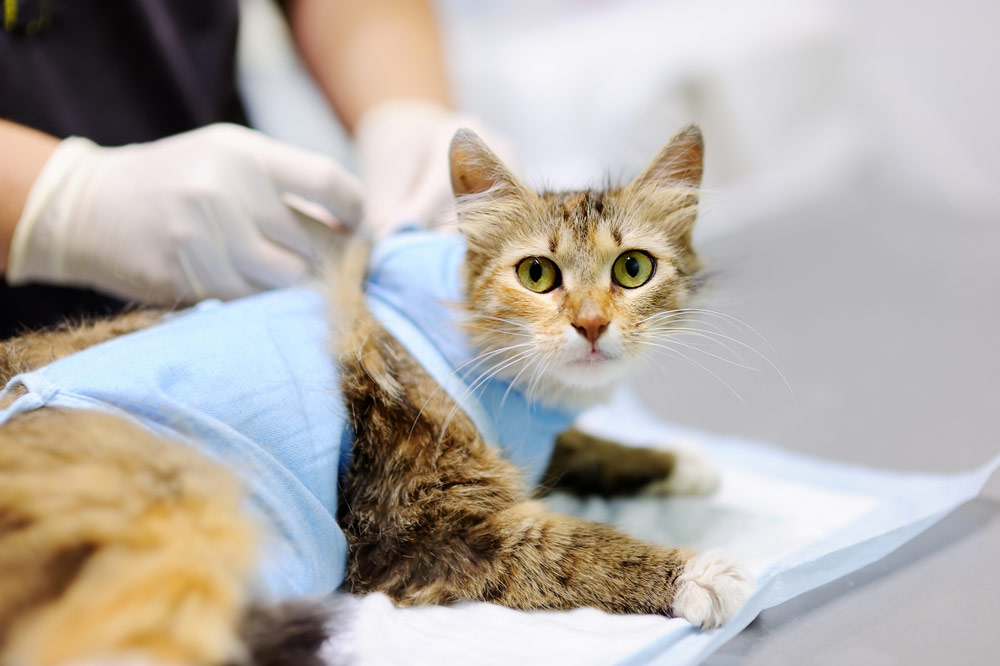
It is common practice and advisable to neuter your male cat as soon as they are old enough, usually before they reach sexual maturity unless you are planning to use them for breeding.
Reasons to Neuter Your Male Cat
- Stops or reduces urine marking and spraying
- Minimizes aggression
- Limits roaming or the desire to
- Limits yowling and vocal calls
- Reduces the chances and risks of certain cancers
- Stops unwanted pregnancies
- Helps to control the feline population, as a single male cat can father many kittens over the years
- Reduces the number of strays and feral cats
If you're uncertain about whether your cat needs to be neutered, consult a veterinarian for guidance.
Conclusion
Even if one missed the development and showing of the male cat’s testicles (one of the first physical signs), the male cat's behavior traits will soon alert you.
Sexually active male cats are noticeable and often more problematic than they are fun. Unless you are planning to breed your cat, neutering them is the better option, which can be discussed and organized with your veterinarian. Alternatively, you could discuss with your vet or a feline behaviorist how to handle and deal with a tom cat should you wish not to neuter them.
Featured Image Credit: Ibi-Eckert, Shutterstock

Expert cat care, straight to your inbox
Vet-reviewed advice, behavior tips, and the best of Catster. Free, and you can unsubscribe anytime.
By signing up, you agree to our Terms & Conditions and Privacy & Cookies Policy.
Annaliese qualified as a veterinary nurse from Edinburgh and went on to attain a diploma in advanced veterinary nursing in surgery from London. Throughout this time, she worked in both small and mixed veterinary practices and gained head nurse status.
Having cared for thousands of patients and owners, and after more than two decades in the veterinary and pet care industries, both as a vet and a writer, she has now officially retired her scrub suit and now works as a full-time writer.
Join the conversation
Ask a question, share your story, or send private feedback.