What's Happening to the Veterinary Profession? Dr Karyn's Cynical View
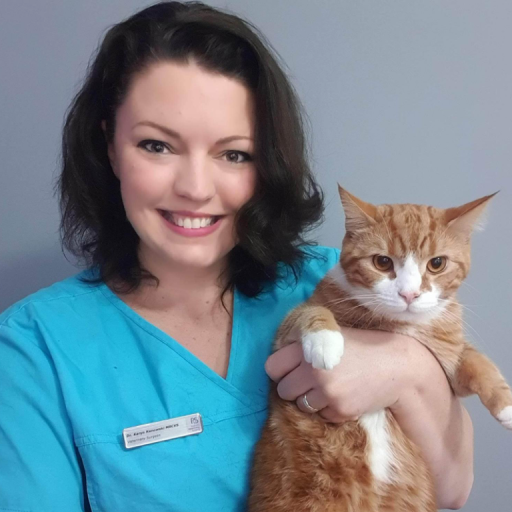

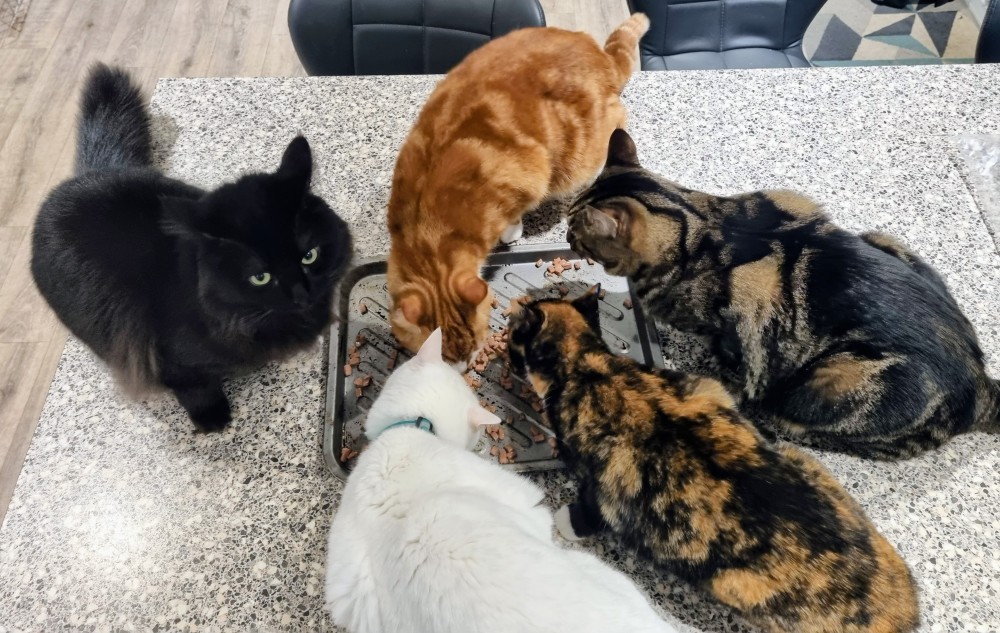
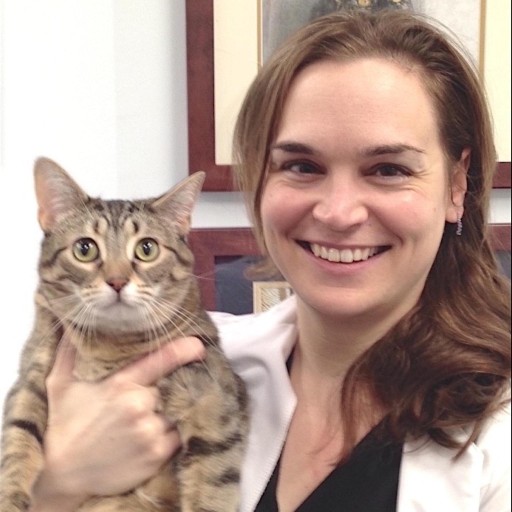
Hi, I’m Dr. Karyn! Read my introduction to learn more about me and meet my five hilarious cats: Clutch, Cyril, Alex, Zelda, and Zazzles.
I recently talked to you about the importance of insurance when it comes to being able to provide for your beloved pet, and touched upon a worrying topic: the corporatization of veterinary practices. Like all vets (presumably), I love animals, and I chose this career so I could make a difference in their lives. It wasn’t always an easy or straightforward path, involving years of studying, holidays sacrificed to gain practical experience, and a sizable student loan to pay back. But to be fair, vet school was also one of the best times of my life. I met people who, almost twenty years later, are still some of my closest friends, and although we worked hard, we partied hard as well.

The Business of Being A Vet
I think all vet students enter the profession with wide eyes shielded by rose-colored glasses, imagining days of saving lives, healing the sick and fixing the broken, and there is a fair amount of that. But the reality for most general practice vets are days filled with vaccinations, itchy dogs, sneezing cats, and the pressure of meeting KPI targets. When you spend five or six years learning all there is to know about the anatomy, physiology, diseases, and treatments for a multitude of animal species, it’s easy to forget about the fact that most veterinary practices are businesses, and in order for us to have a nice building, decent equipment, good staff, and get paid, that business needs to make a profit.
I have always taken personal offense when I hear people accuse vets of being “in it for the money” or “overcharging for services”. I can’t tell you the number of times people have come to collect their pets after a major surgery, to which they consented after being provided with an estimate, only to say that they can’t pay until next week, or at all. Well madam, that wouldn’t exactly fly at the mechanic or the supermarket, would it? But because ours is an emotional profession, we are demonized for expecting to be paid for the service we provide. And believe me, we’re not all driving our brand-new Teslas back to our luxury mansions each night.
One thing I came to understand is that veterinarians do not always make the best business owners unless they remove themselves from the consulting rooms. By nature, vets are sympathetic, and want to be able to give every animal the best possible care, no matter the cost. When you are faced with a pet in need of help, with an owner who has no money, we all-too-often undervalue our services to make sure that animal receives the treatment it needs. I have worked with my share of practice owners who have berated me for ‘knocking a bit of the price’ to help out a client, only to turn round and do the very same thing themselves; we are just too soft!
So it became more and more common for practices to be run by vets who no longer did clinical work, or by non-veterinary practice managers, who could monitor the books and come down on us hard when we discounted our services. The fact is, if we don’t charge correctly, we will soon be out of business, and won’t be able to help anyone. But this knowledge doesn’t make it any easier when you have a pet in need and the pleading eyes of their owner in front of you.

Vets = Big Investments
As veterinary practices have evolved from a simple enterprise based on simple medicine, into complex medical businesses, large corporations started to see their value. After all, the veterinary industry is one that is constantly growing and evolving; the investment opportunities are endless.
Over the past decade or so, I have seen dozens and dozens of small, independent veterinary practices give in to financial pressure and sell their business to larger veterinary chains like Vet Partners, VCA and IVC Evidensia. Often this happens very quietly, with no change to the practice name or branding, leaving pet owners none-the-wiser, but in the background, decisions about pricing, protocols, products, and payroll are all being made by people working in an office hundreds of miles away. Sure, they send a representative out every month or so to check up and put a human face to the company, but for the practice staff, it means that every decision needs to be run by someone at head office; even when you’re talking to your boss, you’re not talking to the person who can make the decisions.
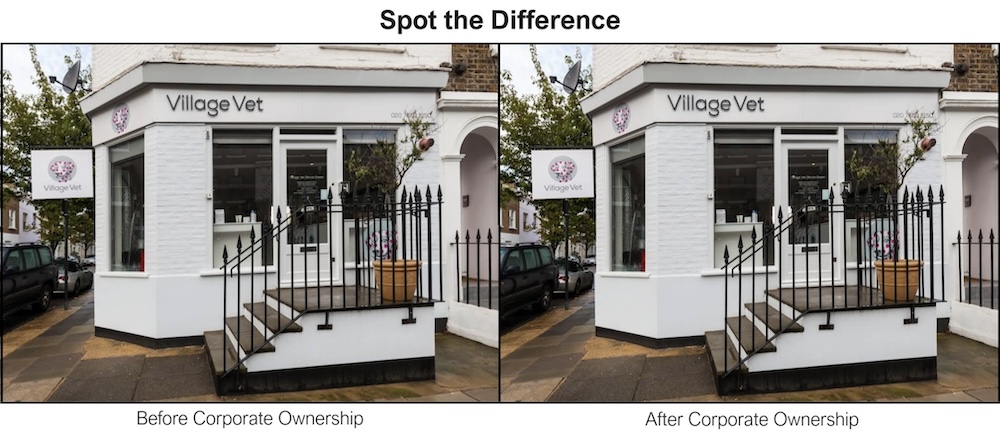
Although corporate ownership does bring with it certain perks and opportunities, such as gym memberships, training opportunities, and better equipment, many vets feel that the perceived loss of control over their case management is not a worthwhile trade-off.
And for the paying client, it means that your money is not just going towards the cost of the veterinary practice, equipment, and staff, it must also generate enough profit to pay the office workers, managers, board members and shareholders of the parent company.
Over time, these large veterinary groups started to expand beyond just buying up veterinary practices, merging with drug companies and laboratories, even online veterinary pharmacies - it didn’t matter where your money was being spent, it was all going to the one place! Even Mars, one of the world’s largest conglomerates has taken a very large bite of the veterinary apple. Of course, it’s all for a good cause. According to Pamela Mars, they got into the veterinary business “because we love pets, not for financial gain.” That’s easy to say when your net worth is a little over $6.2 billion, Pam!
The Corporate Fallout
Recently in the UK, the Competitions and Market Authority (CMA) announced that there would be an investigation into veterinary fees and charging. The immediate backlash has been public outrage aimed at veterinary staff, rather than where it should be directed, and what the investigation will be focusing on: the impact that growing corporatization is having on dictating prices and controlling the competition. So much so that it is becoming almost impossible for small, independent practices to survive.
For many vets, myself included, the pressure to provide an excellent standard of care whilst being mindful of client financial limitations and making sure we were following the protocols and drug recommendations dictated by head office has started to make our vocation feel like a job in sales. Not that there’s anything wrong with working in sales, it’s just not what I went to vet school for. It’s no secret that the veterinary industry is seeing an unprecedented number of vets leaving the profession, with poor work/life balance, mental health, and the surge in caseload since COVID listed as the main reasons for their decision. Not to mention the fact that the veterinary profession consistently has one of the highest suicide rates.
Whilst this sounds pessimistic, there are still plenty of vet jobs out there for qualified vets in the UK.
How This Affects You and Your Cat
You might be wondering what significance this all has to the care of your cat. No matter what, your pet will get the best possible care, but as more vets walk away from clinical work, they take their expertise and experience with them. Which, from the perspective of veterinary groups hoping to streamline their services, is probably a good thing, as it is far easier to shape newly graduated vets into the practitioners they need, rather than butt heads with people like me, who take a little bit of pleasure at pushing back against decisions founded in bureaucracy and profit margins rather than patient and client interests.
Am I being a tad cynical? Absolutely.
But if you want to know that decisions about your cat’s veterinary care start and end at your veterinary practice, it’s worth looking around for an independently-owned vet and supporting them before they disappear forever.

This article is a part of Dr. Karyn's series with her five cats.

Expert cat care, straight to your inbox
Vet-reviewed advice, behavior tips, and the best of Catster. Free, and you can unsubscribe anytime.
By signing up, you agree to our Terms & Conditions and Privacy & Cookies Policy.
Dr. Karyn Kanowski BVSc MRCVS (Veterinarian)
Dr. Karyn comes from Queensland, Australia, and has lived in the UK for the past 10 years. In 2010, she graduated from The University of Queensland School of Veterinary Science and also has a Bachelor’s degree in Zoology. She is passionate about using evidence, experience, and owner collaboration to provide the best solutions for pets, and believes in making reliable information about animal health accessible to all. Dr. Karyn shares her home with five cats, four dogs, and one husband. When she is not in the scrubs, she spends her time writing, gardening, and cleaning up pet hair!
Join the conversation
Ask a question, share your story, or send private feedback.