How to Switch Vets: 13 Vet-Reviewed Signs It's Time


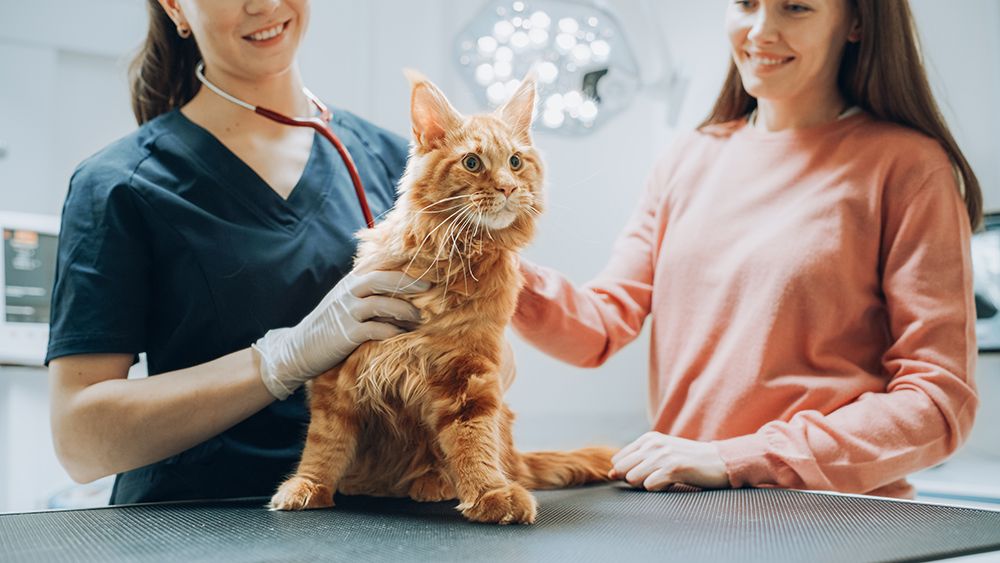
Your pet is a vital part of your family, and no one knows them better than you—except maybe your vet. Even if you only take your animal to the vet once a year or so, your pet’s vet knows a ton about them. So, there should be a lot of trust between you and your veterinarian. But what if there isn’t?
A lack of trust is just one sign that it might be time for you to switch veterinarians. Switching vets isn’t uncommon; after all, you want your pet to have the best healthcare possible, and you also want your needs to be met, whether that’s having a vet consider your financial situation or having the ability to ask questions. But how do you know when it’s time to move to greener pastures? And how do you switch vets?
Here are 13 signs that it’s the right time to switch vets!

The 13 Signs It's Time to Switch Vets
1. Your vet’s office is dirty.
A vet office occasionally smelling unpleasant or having pet hair lying around isn’t a big deal; it’s just an unavoidable fact of dealing with animals. However, if exam rooms look dirty, there’s a puddle of urine just sitting in the corner, or the office is generally falling into disrepair, it could be a sign that you need to switch vets. Strict hygiene is essential in veterinary practice to stop the spread of disease and prevent surgical complications, after all this is a business that deals with sick, sometimes immunocompromised, animals and performs surgery.

2. Doctors and staff act uncaringly.
If you bring your pet in, but the doctor is running late, does the staff let you know and tell you how long the wait might be? Do they give you options for rescheduling if you don’t have time to wait around? Are front desk phones answered in a timely manner? In short, do the doctor and staff at your vet’s office consider their patients’ needs? If they don’t, it might be time to find a vet who expresses more care towards you and your pet.
3. Your vet is flaky.
Vets are incredibly busy people, so it’s understandable that they might leave you waiting in an exam room for a few minutes or forget to return a call occasionally. But if your vet is constantly running late for appointments or forgetting to return calls (or simply not returning them in a timely manner) all the time, it may be more than just them being busy. And it could be a sure sign that you need to find a new vet who is a little more punctual and doesn’t forget to return calls or answer messages.

4. There are no options for after-hours emergencies.
Expecting your vet to be available 24 hours a day, 7 days a week is unreasonable. What isn’t unreasonable is expecting to be given information on who to call or where to go if your pet has an emergency after your vet’s office is closed. If your vet can’t or won’t give you this information, you might want to consider whether you need to switch vets or not. Having after-hours care for emergencies is essential to your pet’s health and well-being, after all.
5. Your vet’s office and their knowledge are a bit outdated.
The world of veterinary care moves just as quickly as the world of healthcare for people, so no vet will ever be entirely up-to-date with the latest veterinary advancements. Things simply change too quickly for that to be a possibility. However, if your vet doesn’t know something, they should be willing to look it up and find out for you or refer you to a specialist better able to help you.
Likewise, some vet clinics may be unable to afford the latest cutting-edge technology (particularly those in smaller, rural areas). But if your vet has been using the same equipment for the past decade you’ve been seeing them, or doesn’t refer when appropriate, your pet isn’t receiving the best possible care.

6. Your vet’s office is constantly trying to upsell you.
While there are good reasons for vets to recommend safer, more effective, and gold-standard goods and services, this should be targeted at better outcomes for your pet. If you feel like you’re constantly being sold to when you go to see the vet or are leaving after appointments feeling guilty about not purchasing anything, it’s a definite red flag.
7. You aren’t given the opportunity to ask questions.
Unless you’re a vet yourself, you’re going to have questions when it comes to your pet’s healthcare. Your vet should be willing to let you ask those questions so you can get all the information you need, and you should feel comfortable with asking questions. Ideally, your vet should always be asking you after visits whether you have questions. If your vet doesn’t give you an opportunity to ask questions or you don’t feel comfortable questioning them, it may be time to switch vets.

8. You’re a fact-checker.
Everyone Googles their pet’s signs if their pet seems off, and there’s nothing wrong with that. But if you’re still Googling after you visit your vet and trying to double-check the facts they gave you, then it could be an indication you don’t trust their expertise as much as you should. You need to believe that the advice and medical treatment your vet provides is medically sound. If you trust Google more than your pet’s doctor, it might be time to find a new provider.
9. You don’t feel like you’re in the loop.
Is your vet telling you what they will do for your pet but nothing more? If they just tell you they’re ordering blood work or taking an X-ray without explaining why, how those things work, or what results they want, you’re essentially being left out of the loop on your pet’s treatment. You should always be a part of your vet’s healthcare, and a good vet will want you to be a part of it.

10. Your vet is offended when you want a second opinion.
You love your pet as much as you love the human members of your family, so if a treatment doesn’t seem to be working even after a month or two, you might want a second opinion on the situation. Getting a second opinion is natural, so it isn’t something your vet should be upset about. If they get offended or have an overly harsh reaction to you wanting to seek someone else’s opinion, it’s a big red flag.
11. You’ve experienced an error in treatment.
Look, there are never guarantees when it comes to health, whether it’s your pet’s or yours. But if there’s been a glaring error in your pet’s treatment, such as a major misdiagnosis or obvious mistake, it might be time to try out a new vet. Speak with your current vet first and explain your concerns to see if that clears up anything on your part. If not, all your future interactions with your vet are going to be tainted, so it may be time to move on.

12. You just don’t vibe.
Some people you just don’t vibe with. It’s not anything they’ve done or anything you’ve done; there’s just a lack of connection there. If that’s the case with you and your pet’s vet, you may want to find a veterinarian that you connect with more. You’re less likely to trust someone you just feel vaguely off about, after all.
13. Your pet dislikes them.
Your pet probably isn’t a big fan of going to the vet. They might get anxious on the way there or be skittish once you arrive. But there’s a big difference between your pet’s general dislike of going to the vet and their disliking their doctor. If your pet is doing stuff like hissing or growling at the vet when you go, and they don’t have a history of engaging in that sort of behavior, they might not be a fan of their doctor. Likewise, if the vet is the only one they act like this with, while they act fine with everyone else. Your pet needs to like and trust their vet, so if they don’t, move on to someone else.
How to Switch Vets

Switching to a new vet isn’t any harder than switching doctors. The first thing you’ll want to do, of course, is locate a new vet to take your pet to. Once you’ve found the vet you want to use, you should let your current vet know you are moving elsewhere. You can tell the vet if you want and let them know you aren’t a good fit, or you can just let the people working up front know that you won’t be coming back. You’ll want to speak with the staff that handles the front desk anyway because you’ll need all your pet’s records transferred to the new vet. Then, check in with the new vet and see if there are any steps you need to take there.
Conclusion
Sometimes, vets just don’t work out. If you’ve noticed any of the above signs, you may seriously want to consider finding a new vet for your pet. Whether you just don’t vibe with them, your pet isn’t a fan, or for other reasons, switching vets may be necessary. If you’ve had a negative experience with a vet, rest assured that there is a vet out there that suits you and your pet!
Also see: How to Find a Cat-Friendly Vet
Sources
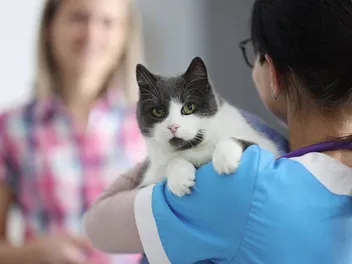
Featured Image Credit: Gorodenkoff, Shutterstock
Expert cat care, straight to your inbox
News, insights, and useful advice, delivered to you.

No spam — unsubscribe anytime.
By signing up, you agree to our Terms & Conditions and Privacy & Cookies Policy.
How useful was this post?
Click a star to rate. You can leave written feedback afterwards. (We read all feedback.)
Misty Layne lives out in the woods in small-town Alabama with her two Siamese cats —Serafina and Jasper. She also has an array of stray cats, raccoons, and opossums who like to call her front porch home. When she’s not writing about animals, you’ll find her writing poetry, stories, and film reviews (cats, by far, her favorite writing topic, though!). In her free time, Misty enjoys chilling with her cats, playing piano, watching indie and foreign films, photographing abandoned places, and catching up on her never-ending TBR list.