5 Free DIY Cat Backpacks You Can Create at Home (With Pictures)
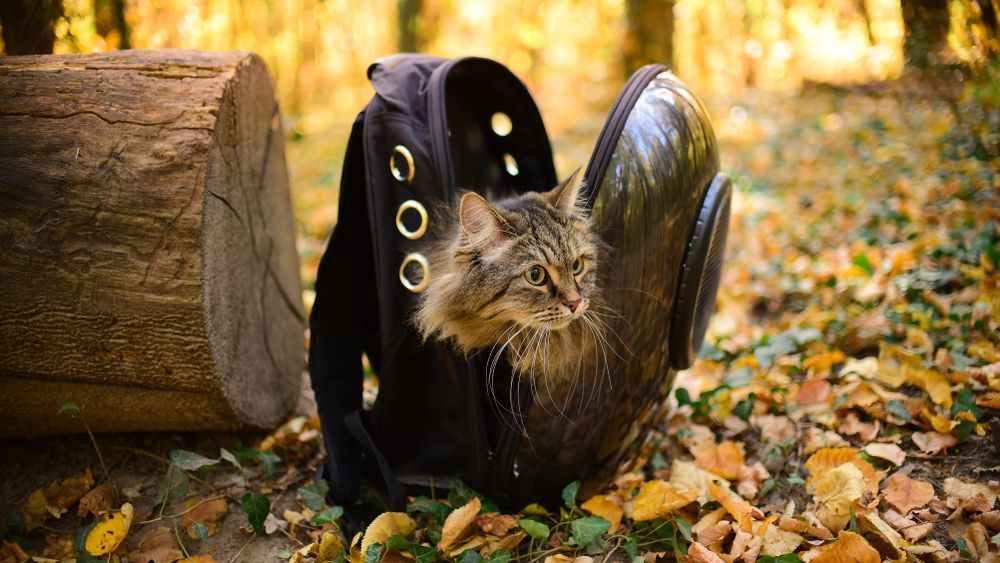
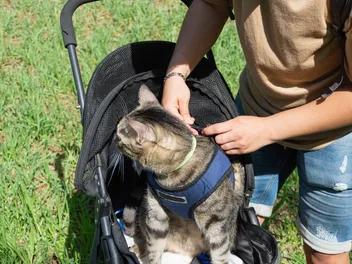
There are multiple reasons that you need a reliable carrier for your cat, even if it is just for trips to the vet. More people are becoming interested in enrichment activities for pets, and one way to enrich your cat’s life is by taking them places. Some cats are homebodies and won’t be pleased with activities out of the house, but if your cat has been trained to be comfortable outside the home, you’ll need a reliable carrier.
However, if you’re going on adventures, the last thing you want is to be responsible for holding a cat carrier the whole time. That’s where backpacks for cats come in, but commercial backpacks can be expensive. Here are some of our favorite DIY plans for making your own cat backpack.

The 5 DIY Cat Backpack Ideas
1. Cat Backpack from a Backpack by Ivona Melania
| Materials: | Backpack, small jar lid or another circular item, cardboard, mesh |
| Tools: | Scissors, sharpie, hot glue gun |
| Difficulty Level: | Moderate |
If you have an old backpack and a cardboard box or two taking up space in your home, you can make this cat backpack from a backpack. It requires a lot of fabric and cardboard cutting, so make sure you have a good pair of scissors.
This project is time-consuming enough to keep you busy for at least a few hours. Make sure to measure all the cuts before you start cutting. Otherwise, you’ll end up with a backpack that isn’t safe and secure enough for your cat.
2. Small Pet Carrier by komecake
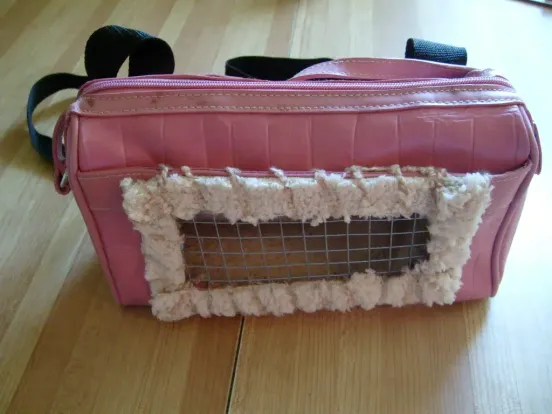
| Materials: | Fabric bag with secure closure, chicken or garden wire, zip ties, yarn or ribbon, backpack straps (unless using a backpack) |
| Tools: | Wire cutters, scissors, drill, sharpie |
| Difficulty Level: | Moderate |
This small pet carrier is an excellent option because it can be made from almost any bag with a secure zipper closure. This is an excellent way to recycle an old bag you have taking up space at home. If you don’t have a bag at home already, thrift shops are the perfect place to find a bag for this project. Select a bag large enough for your cat to move around in comfortably.
This is a no-sew project, making it suitable for beginners. However, it requires a lot of precise measurements, cutting, and handling of wire and wire cutters, so it isn’t a kid-friendly project.
3. DIY Pet Carrier by The Q
| Materials: | Backpack, cardboard, felt, clear plastic bowl |
| Tools: | Ruler, compass, scissors, hot glue gun |
| Difficulty Level: | Moderate |
This DIY pet carrier is an upgraded version of the cat backpack from a backpack DIY. You’ll need an old backpack for this one, too. The clear bowl may be one of the most challenging items to find for this project. You want something that is lightweight and has a high level of clarity but not something that will crack the first time you bump it against something.
This is a fully customizable project, so you can show your creativity by decorating your cat’s new carrier. Since the main hole in this carrier will be covered with plastic, it’s vital to ensure you make your breathing holes as directed to ensure your cat has excellent airflow.
4. Pet Sling by Crafty ECHO
| Materials: | 2 yards of sturdy fabric, metal rings, paper, sewing supplies |
| Tools: | Pen or marker, fabric scissors, sewing machine, ruler |
| Difficulty Level: | Moderate |
This pet sling isn’t exactly a backpack, but it is a great way to carry around a kitty that isn’t going to get spooked and jump ship. Ideally, your cat should be on a harness and leash when in this carrier for extra security.
To prevent an injury, select materials that are strong enough to hold your cat’s body weight. This includes making sure your sewing stitches are secure and strong. You can sew this sling by hand if you don’t have a sewing machine, but a sewing machine will give you a stronger and more uniform stitch.
5. Rolling Cat Carrier by KmiX
| Materials: | Cardboard, casters, PVC, mesh, strap |
| Tools: | Hot glue gun, scissors or box cutter, drill and screws, pen or marker |
| Difficulty Level: | Moderate |
The plans for this rolling cat carrier don’t include making it a backpack, but with patience and creativity, you could turn it into something that can be rolled or carried like a backpack. Make sure to select sturdy cardboard for this project, doubling it up as needed for maximum security and comfort for your cat.
By making the carrier narrower or with fabric elements built into it, you can attach backpack straps to it for carrying. If you make it as the plans suggest, you’ll likely be uncomfortable carrying it on your back. This is not a great project for off-roading with your cat, but it is a good way to get them from place to place on smooth floors or ground.
Special Considerations
When making any type of DIY pet carrier, you need to keep a few things in mind. The first thing is that your pet’s safety and security should always be the top priority. If you’re unsure of your ability to pull off a project without it being secure, move on to a different one. The last thing anyone wants is for their cat to escape from their carrier while on a hike or near a busy roadway.
The second consideration is that whatever you make needs to have plenty of airflow. Even though a fabric may seem breathable, it may not allow enough air through to keep your cat safe and comfortable. Airflow is important for breathing but also for helping your cat safely maintain their body temperature.
Lastly, you may rely on a DIY cat backpack for quick trips, but if you’re going to be taking your cat anywhere where they could become injured or lost, like forests, you can purchase a commercially made cat backpack that is made with industrial machines that ensure its security.
Conclusion
Making a DIY backpack for your cat can be a fun weekend project, and many of these DIY projects are a great way to use materials you already have at home. Recycling materials, like used backpacks and cardboard, instead of sending them to a landfill is an eco-friendly way to provide your cat with something new.
Ensure you properly acclimate your cat to leave the house before expecting them to become a full-blown adventure cat. Some cats enjoy staying at home and are nervous or frightened by leaving the house, especially outdoors, where the noises and smells are new to them.
Featured Image Credit: 6ARO, Shutterstock
Expert cat care, straight to your inbox
News, insights, and useful advice, delivered to you.

No spam — unsubscribe anytime.
By signing up, you agree to our Terms & Conditions and Privacy & Cookies Policy.
How useful was this post?
Click a star to rate. You can leave written feedback afterwards. (We read all feedback.)

Brooke Billingsley, a former veterinary assistant for nine years, became a nurse in 2013. She lives in Arkansas with her boyfriend of five years, surrounded by her beloved pets: three dogs, two cats, five fish, and two snails. Brooke has a soft spot for special needs animals, caring for a three-legged senior dog and a widely known cat with acromegaly and cerebellar hypoplasia. She has developed a keen interest in fish keeping and is always learning how to provide the best environment for her aquatic pets. In addition to her passion for animals, Brooke enjoys gardening and maintains a vegetable garden during the summer. She stays active with yoga and received her 200-hour yoga teacher certification in 2020. Brooke also hosts a podcast that delves into folklore and myth, dedicating her spare time to research and writing. She embraces the philosophy that every day is an opportunity for learning and growth, continually working to acquire new skills and knowledge.