Do I Need to Get My Indoor Cat Vaccinated? Vet Approved Facts & Safety Guide

If your cat is an indoor cat that rarely ventures outside, their chances of injury and illness are likely lower, but does this mean they won't need to be protected against any potential diseases?
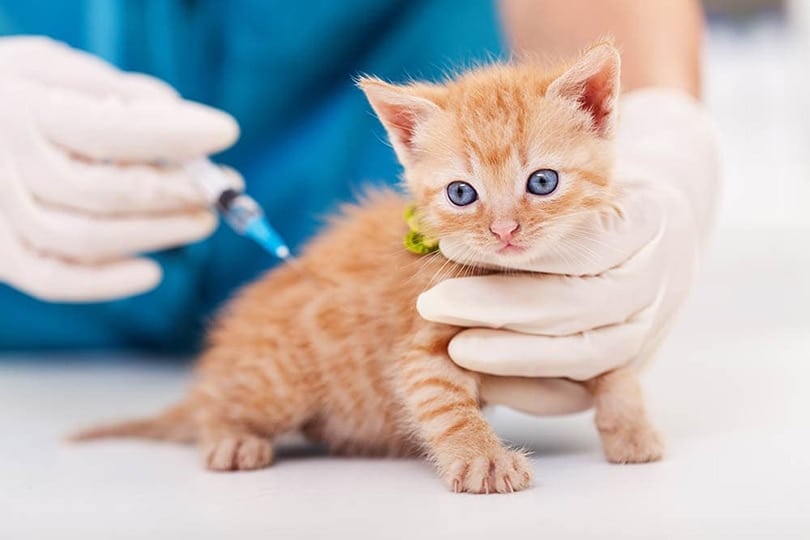
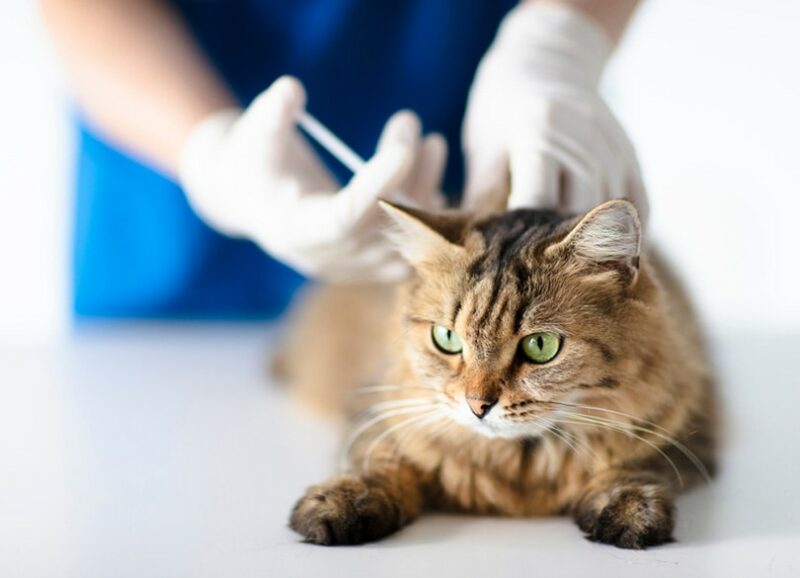
Veterinarians recommend all cat get their core vaccines. These vaccines protect cats against widely distributed diseases that have a high mortality rate. A cat’s core vaccines are feline herpes virus vaccine 1 (FHV-1), feline calicivirus vaccine (FCV), feline panleukopenia virus vaccine (FPV), rabies, and feline leukemia virus vaccine (FeLV). Believe it or not, even your indoor cat is at risk of contracting the disease through fomites, and this is the term used for third objects that work as a transportation system for a pathogenic virus. That's right, even if your cat does not have contact with other cats, you could certainly bring a virus home on your clothing or shoes!
This article discusses vaccines, their pros and cons, and how you can make the best and safest decision for your cat.

Vaccine Overview

Vaccines are one of the most controversial topics when it comes to both humans and animals, and making the right decision can be a stressful and confusing process for pet owners.
It is essential to understand that no vaccine is 100% safe, and it's also important to be aware and acknowledge that vaccines also save lives. Vaccines are preparations of microbes, like bacteria or viruses, that have been manipulated or inactivated so that they don’t cause a disease process. By administering these vaccines to the animal, it trains the immune system to protect against the agents targeted by the vaccine.
There are two classifications of cat vaccinations: core and non-core vaccinations. Core vaccinations are recommended for all cats to protect them from common and severe conditions.
They include:

Non-core vaccinations are recommended for outdoor cats.
They include:

What to Consider?
Before giving your pet a vaccine, you should consider your cat’s overall health and the risk factors it is exposed to, the prevalence of disease in your area, consequences of infection, previous vaccine reaction, vaccine efficacy, duration of immunity, and vaccine properties. As you see, even indoor cats need to be protected against certain viral agents. It’s best to consult your veterinarian about your cat’s vaccination schedule and keep them up to date.
Benefits and Drawbacks of Vaccines
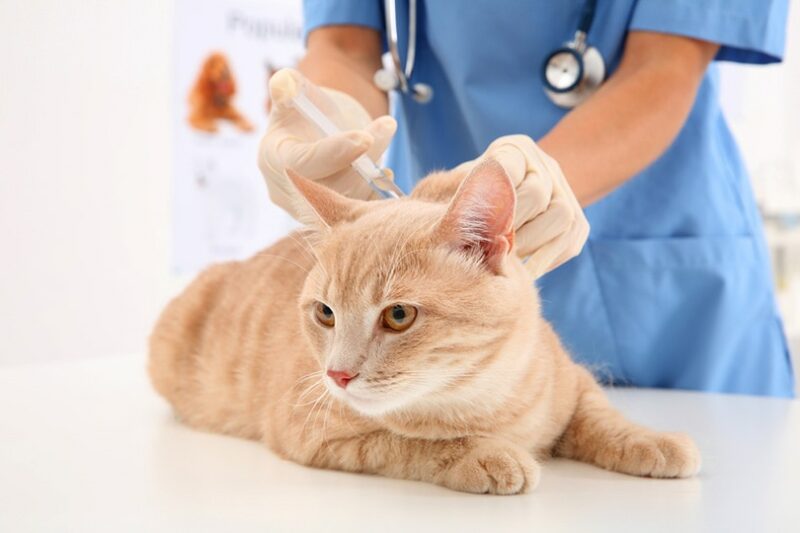
Vaccinating your cat can help protect it and other cats from serious diseases. It will also help protect people from diseases, such as rabies, that can be transmitted by cats.
Vaccinations can also have reactions that range from mild to severe. Every cat can react differently, but there are a few signs you can look out for.
- Swelling: Lumps and swelling in specific areas are also common side effects. A firm bump usually develops at the injection site. It’s essential to keep an eye on it for signs of inflammation, growth, or infection. It typically passes within a week, but if it doesn’t, and it has grown or seems infected, you will need to contact your vet.
- Lethargy and a mild fever: These signs should be mild and last only 1 or 2 days, but if it goes on longer than 2 days, you should consult your vet.
- Cold-like signs: Some vaccines are administered through your cat’s nose or eyes, which can lead to cold-like signs, such as sneezing, coughing, and a runny nose, but it should pass within a day or two.
If your cat has a severe reaction from a vaccine, the signs will appear either straight away or up to 48 hours later. These signs include facial swelling, vomiting, diarrhea, and difficulty breathing. Anaphylaxis is the most severe allergic reaction that pets can experience due to vaccinations, and it can be life threatening if not treated immediately.
Several studies have found a link between the FVRCP vaccine's excessive use (hyperinoculation) and kidney inflammation. The FVRCP vaccine is made from feline kidney cells; when injected into your cat, the body recognizes them as foreign and produces antibodies.
Unfortunately, those antibodies do not distinguish between the injected kidney cells and the cat's kidney tissue, which can result in an autoimmune attack on its kidneys. However, more research is needed to determine whether vaccines cause or contribute to feline kidney disease.

Keeping Your Cat Safe
Vaccines can be a vital part of keeping your cat safe, and your cat is most likely to be safe from a severe vaccine reaction.
Cats are no different from humans regarding needles, so you will need to make their visit to the vet as comfortable as possible. Use a sturdy and comfortable carrier with their favorite toy or blanket so that they can recognize the smell. Cats are sensitive and can pick up on your energy, so it’s important to stay as calm as possible.
When you arrive home, provide a warm, safe space for your cat to lie down and make sure they have access to water and food. Keep checking up on your cat, ensuring they are comfortable, but also try not to disturb them too much.
Adjuvants are substances added to vaccines that cause inflammation at the injection site, alerting the immune system to the presence of the vaccine. This substance can sadly cause an aggressive tumor that can be fatal, known as sarcoma. It’s essential to ask your vet about the vaccines they are using and avoid vaccines with adjuvants.
If a cat requires two vaccines, they can be given at least 1 week apart. This allows time for the first vaccine's inflammation to decrease before administering the second. Another valid reason for separating vaccines is that the immune system can only do so much at once.
Conclusion
There are many variables regarding vaccines, and your comfort level after research also plays a role in the decision. Core vaccinations for cats are highly recommended, especially rabies, since the disease can also be passed to humans, and there is no cure.
Cats that live indoors should also be protected since they could go roaming, escape, or be surrounded by other cats when visiting a grooming parlor or boarding facility. While all vaccines are not 100% safe, they also save lives, so weighing the pros and cons is vital to the decision-making process. At the end of the day, we all want to keep our pets safe, and it's up to you as the parent to make the best-informed decision.
Related read: My Indoor Cat Got Outside
Featured Image credit: Yoshihide KIMUR, Shutterstock

Expert cat care, straight to your inbox
Vet-reviewed advice, behavior tips, and the best of Catster. Free, and you can unsubscribe anytime.
By signing up, you agree to our Terms & Conditions and Privacy & Cookies Policy.
Christian started writing for a local newspaper as a teenager, and he's been involved in the publishing industry for most of his adult life. Combining his love of writing with a passion for animals, he is currently the Director of Editorial at Pangolia and the Editor-in-Chief at Catster.
Christian lives in the Philippines with his wife, son, and four rescue cats: Trixie, Chloe, Sparky, and Chopper.
Join the conversation
Ask a question, share your story, or send private feedback.