Feline AIDS: Vet-Reviewed Signs, Causes & FAQ



In this article
Feline AIDS is a retrovirus infection that attacks a cat’s immune system by targeting the white blood cells. This causes their immune system to become weaker than normal, putting them at higher risk of illness for diseases and complications completely unrelated to the virus.
Cats with feline AIDS are typically recommended to be isolated from other cats, unless their fellow cats are also infected. But what does it mean for your cat if it does have feline AIDS? Can they still live a good and happy life?
In this article, we will discuss everything you need to know about feline AIDS and why cats with it should be kept separate from other cats.

What Is Feline AIDS?
Feline AIDS, also referred to as feline immunodeficiency virus (FIV)1, is a common virus specific to the feline family. FIV is similar to HIV (human immunodeficiency virus), causing AIDS in humans. Feline AIDS damages bone marrow, weakening their immune system. With little to no white blood cells to protect them from other diseases, they become more vulnerable and at higher risk for other secondary infections. Most cats are known to have feline AIDS years before they begin manifesting clinical signs.
Feline AIDS was first identified since the 1980’s in the United States but was eventually found to be a condition widespread among cats worldwide. Among infected cats, only 1–5% show evidence of exposure and transmission of FIV2.
Feline AIDS is often mistaken to be the same illness as feline leukemia virus. In fact, FIV and feline leukemia virus are two different illnesses, but both manifest similar clinical signs and are also derived from the retrovirus family. Because of these similarities, proper diagnosis is important, as these two conditions may co-occur, which greatly affects a cat’s prognosis, life span, and quality of life.

What Are the Signs of Feline AIDS?
FIV in cats has three phases of infection: acute, asymptomatic, and progressive immune-compromised.
The acute phase, which occurs after initial infection, involves the spreading of the virus throughout the cat’s lymph nodes and attacks the white blood cells.
The asymptomatic phase follows and involves slow replication of the virus in the cat’s system without manifesting any signs of infection, which may go on for years.
Once the virus completely spreads throughout the cat’s immune system, they may enter the progressive immune-compromised phase, which occurs when they are at risk for other secondary infections.
Many of the visible signs that are manifested by FIV can often be mistaken for something less serious, but it is recommended to consult with your veterinarian should you see any of these common signs of FIV:
Commons signs of FIV in cats:
If your pet is showing these signs, we suggest you speak to a vet.
How Is Feline AIDS Diagnosed?
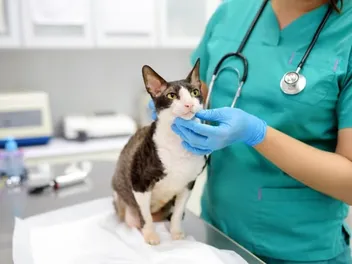
A proper diagnosis of FIV or feline AIDS is very important to ensure proper care for your cat. After identifying signs and symptoms and consulting with your veterinarian, blood tests may be performed to detect and identify specific antibodies or viral proteins in an infected blood sample. They may also perform additional or multiple blood tests to arrive at a proper diagnosis.
While in the process of identifying signs and diagnosing feline AIDS, it is recommended to keep your cat isolated to prevent transmission of the virus to other cats.
What Are the Causes of Feline Aids?
FIV, or feline AIDS, is transmitted through close contact among cats, commonly through biting. FIV is mainly transmitted through their saliva, so active transmission may occur from one cat to another through biting, or if their saliva gets into contact with an open wound. It can also be transmitted through inoculation of other bodily fluids, such as infected blood.
Most FIV-infected cats are known to be fighters with a history of aggression and hostile encounters with other cats. Many male cats who roam around outdoors are also at a higher risk, as they are more exposed compared to indoor cats and are more likely to encounter other infected cats.
Ideally, infected cats must be kept separate from healthy cats to prevent transmission, but risk of transmission is considered to be low among friendly cats with non-hostile social contact. If in a multi-cat household with one cat diagnosed with FIV, it is best to have all your other cats tested.
If your cat is bitten by a cat known to have FIV or by one with a vague medical history, repeat testing is recommended 2 months after the bite due to the incubation period of the virus in the acute phase.

How Do I Care for a Cat With Feline Aids?
While there's no medication or antiviral specifically targeting feline AIDS in cats, most of the management load would focus on reducing signs, treating the secondary infections, and keeping your cat comfortable and asymptomatic for as long as possible. Due to the variety of external and internal factors, prognosis can vary greatly for cats infected with FIV.
Proper hydration along with a healthy and balanced diet is required for cats with FIV. Their diet may be modified as recommended by your veterinarian to cater to their specific nutritional needs.
Should your cat with FIV exhibit signs and contact with a secondary infection, treatment would revolve around medical management for the secondary infection. On top of these medications, your veterinarian can also prescribe drugs to reduce inflammation, as well as vitamins and supplements to boost your cat’s already-weakened immune system.
Parasitic infections can take a huge toll on cats with FIV, so proper hygiene and parasite control is recommended. Inspection of your cat’s skin and coat along with routine grooming and check-ups are recommended.
Extra steps must be taken when caring for your cat with FIV. They must be kept indoors to protect them from unnecessary exposure that can cause illness due to their weakened immune system, as well as to prevent transmission. Veterinary checkups must also be performed more often than for healthy cats due to their immunocompromised state. Checkups may also include routine laboratory tests, such as blood counts and urinalyses, to monitor your cat’s lab results.

Frequently Asked Questions (FAQs)
Is there a vaccine for feline AIDS?
Vaccines for FIV are available, but are not as effective as other vaccines and are generally not recommended by most vets. Reducing exposure to other cats with aggressive behavior is still considered the best form of prevention as bites are the most common mode of transmission.
Can FIV be transmitted to other animals and to humans?
FIV is a virus exclusive to the feline species. It is not contagious and cannot be transmitted to other species, such as dogs and humans—only to other cats.
What is the life expectancy of cats with FIV?
Though there are a variety of factors to consider, such as living conditions, sanitation, hygiene, nutrition, hydration, and many more, cats with FIV can generally have a normal lifespan and still live a happy life. Proper symptomatic management, prevention of other secondary diseases, and routine check-ups are recommended to keep your cat with FIV healthy.
Conclusion
Feline AIDS is caused by the feline immunodeficiency virus (FIV) and is spread through bites, scratches, and contaminated objects. It is important for cat owners to be aware of the signs and symptoms of feline AIDS, as well as the steps they can take to prevent its transmission. This includes keeping their cat indoors, neutering or spaying their pet, and regularly checking for any unusual behavior or changes in health.
Although feline AIDS may be a serious and potentially fatal disease that can affect cats of all ages, breeds, and genders, understanding and addressing the risks can help ensure the well-being and longevity of our feline friends.
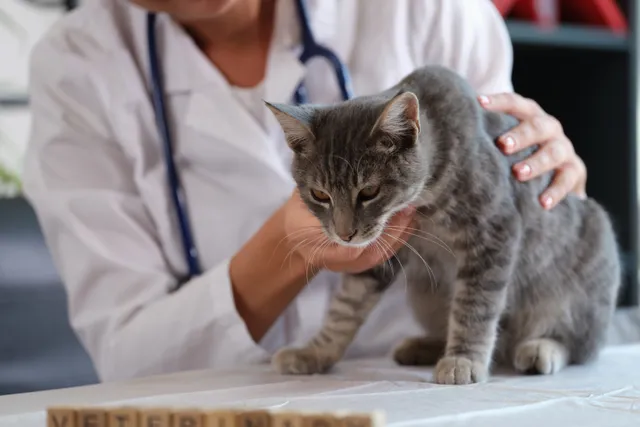
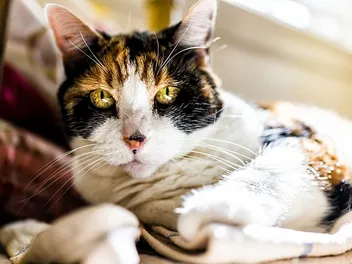
Featured Image Credit: Daria Yehorova, Shutterstock
Expert cat care, straight to your inbox
News, insights, and useful advice, delivered to you.

No spam — unsubscribe anytime.
By signing up, you agree to our Terms & Conditions and Privacy & Cookies Policy.
How useful was this post?
Click a star to rate. You can leave written feedback afterwards. (We read all feedback.)
Christian started writing for a local newspaper as a teenager, and he's been involved in the publishing industry for most of his adult life. Combining his love of writing with a passion for animals, he is currently the Director of Editorial at Pangolia and the Editor-in-Chief at Catster.
Christian lives in the Philippines with his wife, son, and four rescue cats: Trixie, Chloe, Sparky, and Chopper.