Why Does My Cat Have Diarrhea? 8 Vet-Reviewed Reasons


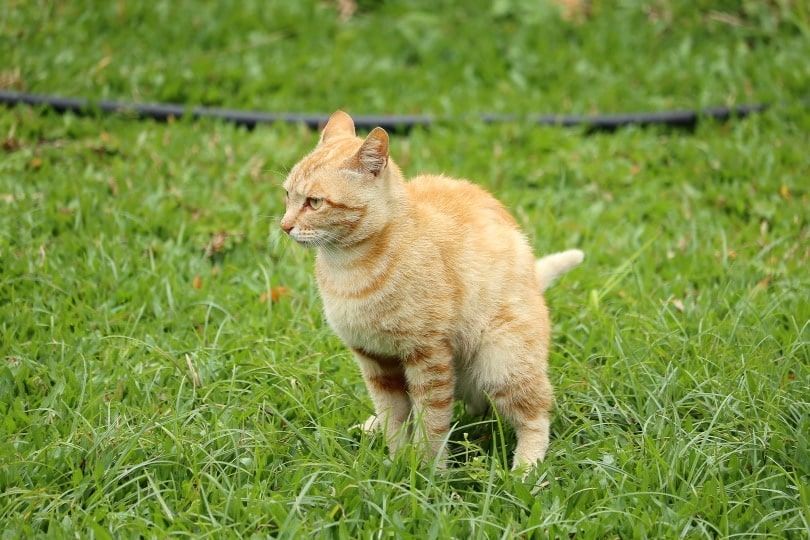
Cat owners know how aloof their feline companions can be, and we can sometimes miss signs telling us that something is off, so it is important to pay attention to your cat’s energy levels, eating, and toilet routine.
Feline diarrhea is a common clinical sign associated with various conditions, some more worrying than others, but it is essential to know that it is not normal. The consistency of your cat’s stool is a good indication of how severe the diarrhea is, but it is always best to consult your vet.
Sometimes the cause is harmless, but it may also indicate a severe problem that requires medical intervention.

The 8 Possible Reasons Your Cat Might Have Diarrhea
Diarrhea is a clinical sign that the vast majority of cat owners will experience at least once in their lifetime. Diarrhea refers to stools with a soft or even liquid consistency, and an increase in the normal frequency of defecation is usually also observed.
Diarrhea can be acute or chronic. Chronic diarrhea is considered to be diarrhea that lasts more than 3 or 4 weeks and always requires veterinary intervention and diagnostic tests to find out the cause and make a treatment plan. Acute diarrhea, on the other hand, is generally easier to manage and may resolve with dietary modification or minimal intervention, always supervised by your veterinarian.
The causes of diarrhea are varied, and here are some of the most common.
1. Introducing New Food
Suddenly introducing new food to your cat’s diet can lead to diarrhea. Your cat’s digestive system can get altered when new foods or ingredients are introduced rapidly. Ingesting human food, foreign material, or scavenging can also cause diarrhea.
Remedy:

2. Medication Side Effect
Some anti inflammatories, antibiotics, and other medications may have digestive side effects. Antibiotics may alter the gut microbiome, which can lead to diarrhea.
Remedy:
3. Food Allergies
There are some ingredients in cat food that some cats’ immune systems react to. Cats must be exposed to a certain food for a period of time before developing an allergy. Skin itching is the most common sign, but diarrhea and vomiting can also happen.
Remedy:

4. Bacterial & Viral Infections
- Bacterial infections: Salmonella and Campylobacter species are common bacteria responsible for cases of feline diarrhea. An overgrowth of Clostridium perfringens can also lead to diarrhea.
- Viral infections: Rotavirus and feline enteric coronavirus (FCoV) usually cause mild cases of diarrhea in cats. Other viruses, such as feline parvovirus or feline leukemia virus (FeLV), can cause more severe cases of diarrhea that can be life threatening in cats with weakened immune systems.
Remedy:
5. Parasites
Parasites are a common gastrointestinal problem in cats and can cause diarrhea. Both protozoa and intestinal worms are common culprits. Tapeworms can be transmitted when a cat eats an animal that may have tapeworms, and coccidia parasites can be transmitted through the soil. Roundworms can be passed onto kittens from their mother’s milk, and hookworms and whipworms are other intestinal worms that can infect cats.
Remedy:

6. Inflammatory Bowel Disease
Inflammatory bowel disease involves chronic inflammation of the cat’s gastrointestinal (GI) tract. It can usually only be identified with a biopsy. Although there is no single cause, possible causes may include hypersensitivity to bacteria, food allergies, and genetics. Symptoms are usually chronic, and along with diarrhea, your cat can experience vomiting, weight loss, fatigue, vomiting, and bloody stools.
Remedy:
7. Pancreatitis
When the digestive enzymes produced by the pancreas activate prematurely, they can irritate the pancreas, causing it to become inflamed. In approximately 95% of the cases, the cause is unknown, but sometimes, chronic intestinal problems, diabetes mellitus, or liver disease can contribute to pancreatitis. Signs include poor appetite, lethargy, vomiting, diarrhea, drooling, and abdominal pain.
Remedy:
8. Cancer
Lymphoma is one of the most common cancers that affects cats. It can affect different locations, with the gastrointestinal tract being the most common nowadays. Intestinal lymphoma requires a biopsy for diagnosis, which also allows for the classification of the type of lymphoma. This is important in terms of treatment and prognosis.
Remedy:

What to Do if Your Cat Has Diarrhea
As soon as you notice your feline has diarrhea, you should assess their behavior. Determine how they are feeling by observing their energy levels and watching their appetite. Look out for additional signs like vomiting, abdominal discomfort, and blood in the stools, and be sure to examine the color of your cat’s stools. Diarrhea can sometimes resolve on its own after a few hours if there are no other signs of disease, but if it is prolonged, along with other signs that are out of the norm, then you should consult your vet right away.
What Do You Give a Cat for Diarrhea?
If your vet has determined that your cat’s diarrhea can be treated at home, you should follow their advice, and there are a few remedies you can try.
You can simplify your cat’s diet by eliminating treats and scraps within their reach and focusing on feeding your kitty a nutrient-dense and complete food. If diarrhea developed after changing your cat’s food suddenly, switch back to their old diet and try a more gradual transition.
Water is essential to replace fluids and rehydrate your cat, and it’s essential to ensure the water bowl always has fresh clean water. Canned food provides extra moisture, and adding a little warm water to their food can also help.
A healthy microbiome is necessary for good digestion, and probiotics can help repopulate your cat’s gut.

Can You Prevent Your Cat from Getting Diarrhea?
Preventing diarrhea can be possible by making sure you don’t suddenly change your cat’s diet or feed them human food
Conclusion
Many factors contribute to your cat’s diarrhea, but it is crucial to monitor your kitty and look out for additional signs. You should know your kitty well enough to notice when something is unusual. While there are tips and remedies to help alleviate your cat’s discomfort, diarrhea can be serious and should not be taken lightly. It is always best to talk to your vet for an accurate diagnosis and the best treatment.
See Also:
Sources
Featured Image Credit: topimages, Shutterstock
Expert cat care, straight to your inbox
News, insights, and useful advice, delivered to you.

No spam — unsubscribe anytime.
By signing up, you agree to our Terms & Conditions and Privacy & Cookies Policy.
How useful was this post?
Click a star to rate. You can leave written feedback afterwards. (We read all feedback.)
Christian started writing for a local newspaper as a teenager, and he's been involved in the publishing industry for most of his adult life. Combining his love of writing with a passion for animals, he is currently the Director of Editorial at Pangolia and the Editor-in-Chief at Catster.
Christian lives in the Philippines with his wife, son, and four rescue cats: Trixie, Chloe, Sparky, and Chopper.