California Spangled Cat Breed Info: Pictures, Temperament & Traits
In this article
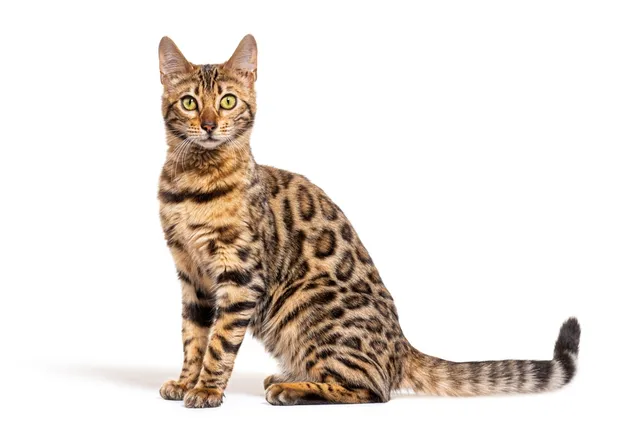
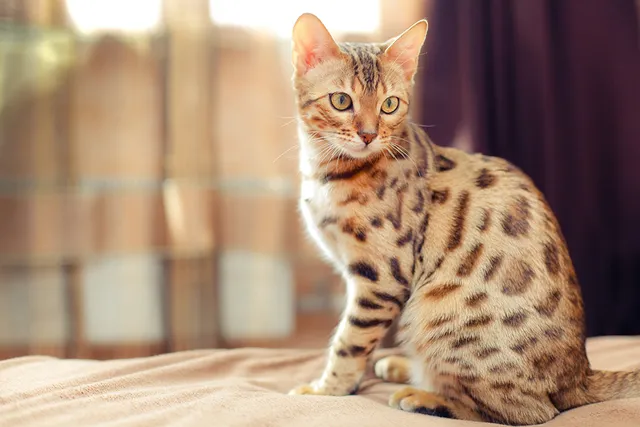
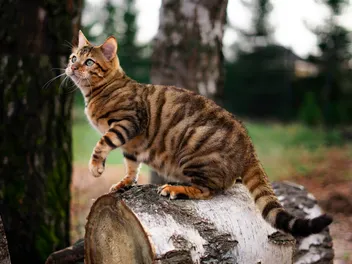
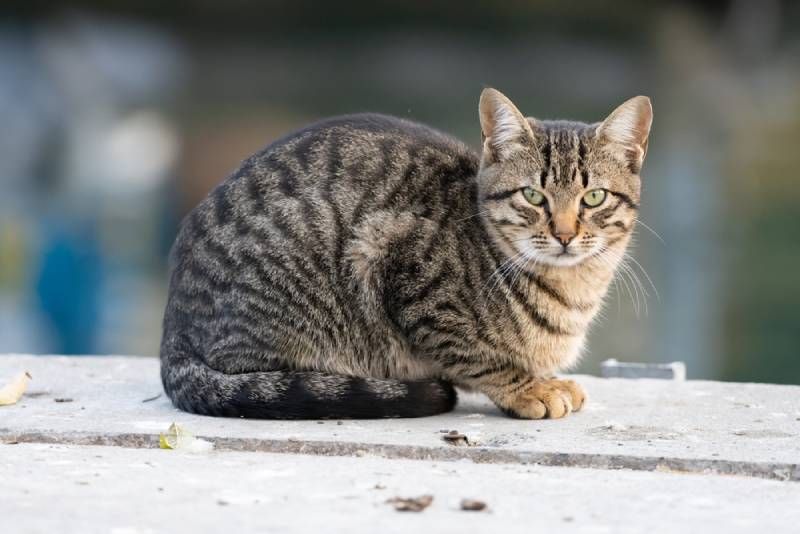
The California Spangled Cat is a medium-sized housecat that has a muscular physique and a curious personality. These cats have short, spotted coats that give them an exotic look. This breed was developed in the ‘80s by a playwright and Hollywood scriptwriter named Paul Arnold Casey Jr. He wanted to create a cat that looked like a leopard, which is the reason for the breed’s spotted pattern. The idea was that people could wear leopard-print clothing to match their pet cat’s fur.
Breed Overview
Height:
Weight:
Lifespan:
Colors:
Suitable for:
Temperament:
These cats have plenty of personality and spunk, which makes them popular among families with kids and single adults alike.
California Spangled Cat Characteristics

California Spangled Kittens
California spangled kittens are frisky, and their wild attitudes match their wild look. Luckily, these kitties calm down as they get older. However, you can expect any California Spangled cat to maintain a bit of spunk no matter their age.
Temperament & Intelligence of the California Spangled Cat 🧠
California Spangled cats are intelligent, active, curious, and independent. They enjoy cuddling and interacting with their human companions, but they do not mind spending time alone too. These cats are usually quiet, but they are known to verbally communicate when they are feeling extra frisky. This breed is excellent at hunting, making them an excellent pet option if you want to keep mice away from your home.
These athletic cats never seem to run out of energy, so they should have access to plenty of toys and activities that will help keep them busy throughout the day. They are smart and can be trained to do things like go for walks on a leash and come when they are called. They are fiercely loyal, so you can count on your California Spangled Cat to stand by your side for a lifetime.
Are These Cats Good for Families? 👪
Although active and independent, California Spangled cats are gentle and loving toward children of all ages. They do not like their tails being pulled, but they are okay with a little roughhousing. They will happily cuddle up next to a baby or hang out with the kids on the couch while a movie is playing. They are extremely good at interactive cat puzzles and games and will spend hours playing said games with children.
Does This Breed Get Along with Other Pets? 🐶🐱
California Spangled cats can get along with other cats and dogs if all parties have been socialized from a young age. They can live happily with multiple other cats and will quickly become best buddies with a well-behaved dog. They are not usually friendly with strange animals, though, like stray cats that might come into their yards or outside dogs that want to give chase.

Things to Know When Owning a California Spangled Cat
There is plenty to learn about the California Spangled Cat, especially if you plan to own one in the future. What does this breed eat? How much exercise is required each day? Are special grooming skills necessary? Do they have predispositions to health problems? Let’s explore these topics together.
Food & Diet Requirements 🐡
Like all other cat breeds in existence, California Spangled cats are carnivores. Therefore, they require high-quality food made up of mostly animal protein. These cats can eat about 1 cup of dry commercial food or the equivalent of wet food daily. Their food should have beef, chicken, or fish as the first ingredient and should not include any artificial flavors or fillers like corn, soy, or wheat. These cats can overeat when offered unlimited amounts of food, so following feeding guidelines on the food package is recommended.
Exercise 🐈
Due to the California Spangled cat’s active nature, this breed needs to get exercise through playing and exploring during the day. Human companions can interact with their cats by using toys like balls, feathers, and strings for extra exercise and stimulation when necessary. Scratching posts, climbing trees, and playing tunnels can all help keep this breed in good physical and mental health.
Introducing another cat to the household is a great way to make sure your pets get the exercise that they need, as they will have a companion to play with when the humans are away from the house. You will likely witness your California Spangled cat playfully chase your other kitty around the house.
Training 🧶
The high intelligence of the California Spangled cat makes the breed easy to train if that’s something that owners are interested in doing. These cats can be taught to retrieve items, clean up toys, and even verbally communicate on command. That said, training cats, no matter how smart they happen to be, requires patience and commitment. After all, cats have a stubborn side and only cooperate when they feel like it.
If possible, work with a cat training professional for a few days to get a clear understanding of how training sessions should be done and to learn about techniques and tactics that you can use to optimize each session based on your cat’s specific personality and level of interest.
Grooming ✂️
The California Spangled Cat is a shorthaired breed, so there is no need to worry about matting or tangles. A quick combing or brushing twice a week is all that should be needed to keep this cat’s coat looking clean, shiny, and dander-free. Their nails should be trimmed about once a month to keep them from scratching up furniture and curtains. Monthly flea treatments may be necessary too. A qualified veterinarian can recommend an effective treatment option.
Health and Conditions 🏥
This cat breed is generally healthy and robust. However, since the breed is rare, there are no documented genetic health conditions or common problems to refer to. It’s safe to say that these cats are not predisposed to any diseases, but no cat is immune to illness, so regular veterinary care is essential when it comes to keeping the California Spangled cat in good health throughout their life.
Male vs. Female
There are not many physical or personality differences between male and female California Spangled cats. It is thought that females are easier to potty train than males and that males are sometimes needier than females. However, these cats have the same perky attitudes and curious behaviors in general. Some people find that their females are more affectionate, while others think that their males are the most affectionate ones. It depends more on the specific cat than it does on their sex.
3 Little-Known Facts About the California Spangled Cat
1. They Got Their Name for Attention
The original breeder knew that these cats needed a name to differentiate them from other spotted cats. Therefore, he decided to opt for the word “spangled” instead of “spotted” to create a slight distinction while still honoring the exotic side of the breed.
2. They Were Popular From the Start
It did not take much to get the attention of the public once the first California Spangled cats were bred. A few were featured in magazines, and breeders were then inundated with orders from prospective customers. Today, though, not many California Spangled cats are bred, and many people are not even aware of their existence.
3. They Were Thought to Have Wild Genes
Although the original breeder denied that California Spangled cats were developed with the genes of wild cats, many people believed otherwise. Over time, it became accepted that these are nothing more than domestic housecats.

Closing Thoughts
The California Spangled Cat is a hardy, adventurous, independent cat breed that knows how to have fun whatever the situation. These cats are not shy about offering affection and snuggling up with human family members. This is a generally healthy breed that gets along well with children and other pets. Since the breed is rare, it can take a while to find a breeder who has a kitten available for adoption.
Potential owners may end up on a waiting list before they can take a kitten home.
Featured Image Credit: Burhan Oral GUDU, Shutterstock
Expert cat care, straight to your inbox
News, insights, and useful advice, delivered to you.

No spam — unsubscribe anytime.
By signing up, you agree to our Terms & Conditions and Privacy & Cookies Policy.
How useful was this post?
Click a star to rate. You can leave written feedback afterwards. (We read all feedback.)

Christian started writing for a local newspaper as a teenager, and he's been involved in the publishing industry for most of his adult life. Combining his love of writing with a passion for animals, he is currently the Director of Editorial at Pangolia and the Editor-in-Chief at Catster.
Christian lives in the Philippines with his wife, son, and four rescue cats: Trixie, Chloe, Sparky, and Chopper.