Calico Sphynx Cat: Info, Pictures, Care & Facts
In this article
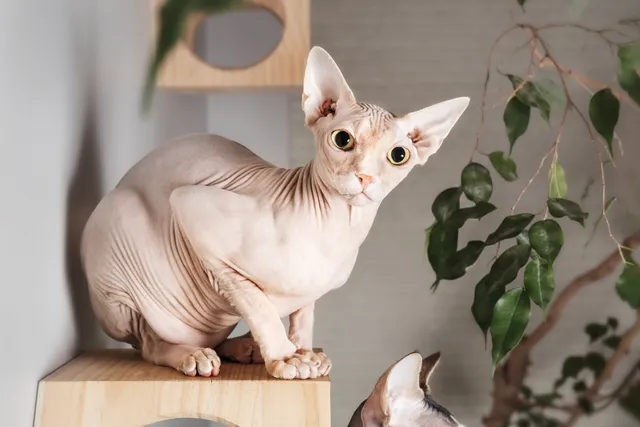
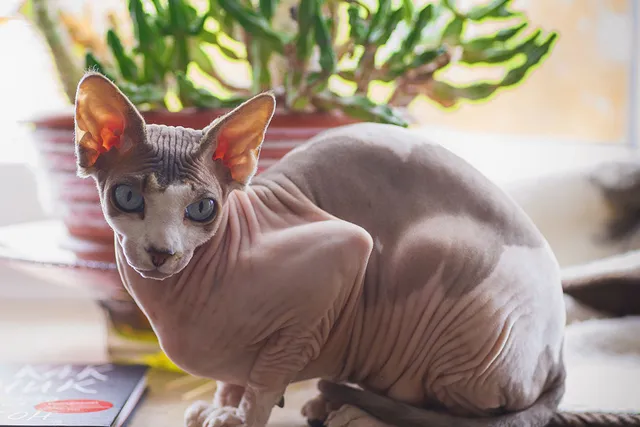
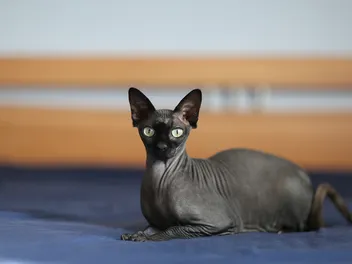
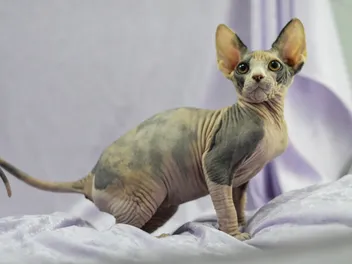
When people think about Sphynx cats, they often picture a completely hairless and tan-colored kitty. However, you may be surprised to learn that Sphynxes come in a wide array of colors. Sure, they don’t have the luxurious coats of other cat breeds, but the skin and tiny hairs that cover the Sphynx absolutely does display colors.
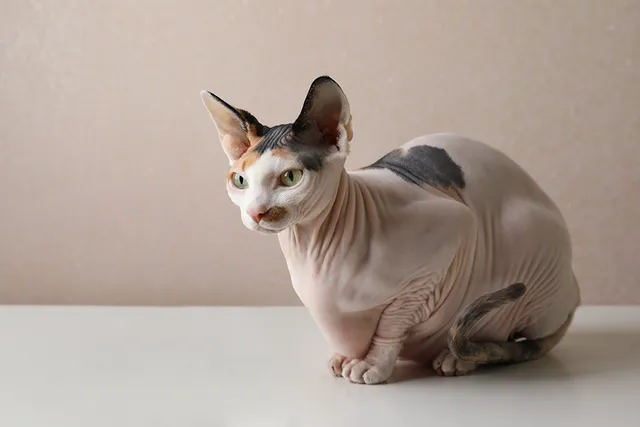
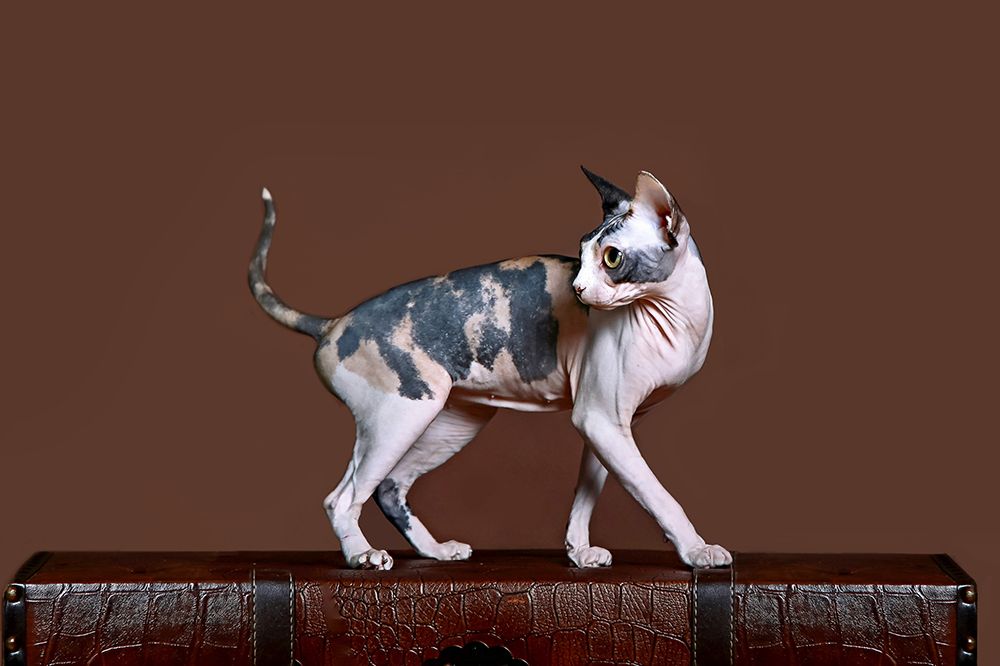
The calico coloration is one of the most beloved and highly sought-after in any cat breed, but especially the Sphynx. Read on to learn more about this cat’s history, formal recognition, and suitability as a pet.
Breed Overview
Height:
Weight:
Lifespan:
Colors:
Suitable for:
Temperament:
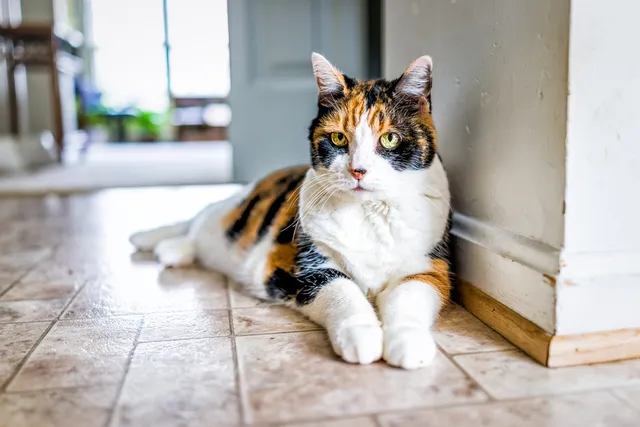
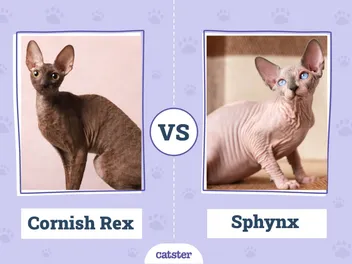
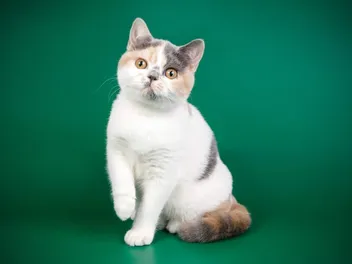
The calico Sphynx is not a separate cat breed, as “calico” refers to a coloration pattern. A calico is any domestic cat breed that sports a tri-color coat. This coloration is rare in Sphynx, but it’s not entirely unheard of, though calico patterns are more commonly seen in breeds like the American or British Shorthair, Cornish Rex, and Maine Coons.
Calico Sphynx Characteristics

The Earliest Records of Calico Sphynx in History
Despite the breed name being a call back to ancient Egypt, the Sphynx cat is a relatively new cat breed. The first Sphynx kitties were born in Toronto, Ontario, Canada in the 1960s and were actually a complete accident.
In 1966, a Domestic Shorthair spontaneously gave birth to a hairless kitten named Prune. The owner knew immediately that Prune was unique thanks to the genetic mutation that saw to it he was born without fur. A mother-son cat breeding team adopted Prune and began collaborating with other breeders to develop what would eventually become the Sphynx breed.
Five Sphynx cats (two from Minnesota and three from Toronto) are the foundation stock for what was shaped into the modern Sphynx. All American and European Sphynx cats are descended from these five kitties.

How Calico Sphynx Gained Popularity
The first few Sphynx breeders didn’t fully understand genetics and faced many problems as they tried to grow the breed. Unfortunately, the genetic pool was limited, and many kittens sadly died as a result of these breeding efforts.
It didn’t take long for the general public to fall in love with the Sphynx once they learned all about the breed. Just ten or so years after the first Sphynx cat was born, their popularity took off. It’s not just the unique appearance that draws people to the breed; these kitties have fantastic personalities. They’re highly affectionate and people-oriented and are often considered to be the canines of the feline world.
Formal Recognition of Calico Sphynx
The Sphynx breed was recognized in the early 2000s by the three primary feline registries.
The Cat Fanciers Association (CFA) and the Fédération Internationale Féline (FIFe) recognized the Sphynx in 2002. The International Cat Association (TICA) didn’t officially recognize Sphynx in 2005.
The CFA recognizes the breed in any and all colors and patterns in any combination, including four different calico colorings. Conversely, neither the TICA nor the FIFe breed standard mentions the “calico” coloration explicitly.


Top 4 Unique Facts About the Calico Sphynx
1. Calico Sphynx are almost always females.
Cats with the classic calico coloring are almost always females because the gene responsible for the orange coloring is on the X chromosome. Males may occur, but they’re considered genetic anomalies.
2. The calico Sphynx is hairless due to a gene mutation.
The reason all Sphynx cats are born without hair is due to a mutation in the KRT71 gene. This mutation also affects other breeds, like the Selkirk Rex and Devon Rex, though in different ways. The KRT71 gene is responsible for keratinizing the hair follicle. In the case of the Sphynx, the mutation damages the hair structure.

3. The calico Sphynx can face skin problems.
While the hairlessness of the calico Sphynx is what draws people to them, it’s this lack of hair that makes them prone to skin issues. A cat’s fur typically acts as a protective barrier, and cats without this barrier may be prone to sunburn and even skin cancer. Additionally, Sphynx kittens may be prone to respiratory infections during their first few weeks of life.
4. There are different kinds of calico Sphynx cats.
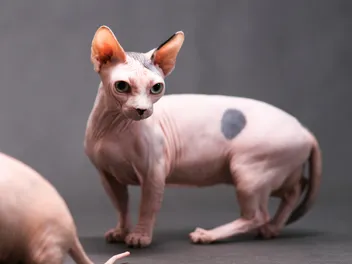
According to the breed standards of the CFA, the calico Sphynx must be white with unbrindled patches of red and black. Their underparts must be predominantly white. Van calicos have the same white color with unbridled patches, though they’re confined to the cat’s extremities. Dilute calicos are primarily white with unbrindled patches of cream and blue, while Dilute van calicos have the same cream and blue coloring, only they’re confined to the extremities.
Do Calico Sphynx Make Good Pets?
The calico Sphynx can make a fantastic pet. They are highly affectionate and friendly, making them a great addition to homes with children and other pets. They’re brilliant, so training them can be a fun and bond-forging endeavor for both the kitty and their caretakers.
They form close bonds with their humans akin to those fashioned in human-canine relationships. Many owners report that their Sphynx runs to the door to greet them when they get home from work and is stuck to their side like glue when they’re at home. While most people love the social and outgoing nature of the Sphynx, not everyone can keep up with their social demands.
Conclusion
The calico Sphynx is a gorgeous cat with unique coloring that sets them apart from other Sphynx colorations. This beautiful coat is coupled with the fantastic traits the Sphynx cat is known for and loved for, such as their highly affectionate and friendly temperament.
However, folks looking to adopt a calico Sphynx should know that this patterning is relatively rare. This can make them highly sought after and, therefore, very expensive.
Featured Image Credit: Tina_photo, Shutterstock
Expert cat care, straight to your inbox
News, insights, and useful advice, delivered to you.

No spam — unsubscribe anytime.
By signing up, you agree to our Terms & Conditions and Privacy & Cookies Policy.
How useful was this post?
Click a star to rate. You can leave written feedback afterwards. (We read all feedback.)

For Chantelle, writing and animals are the two driving forces in her life. Growing up on the Canadian prairies surrounded by pets, she now shares her home with five cats, two guinea pigs, and a bearded dragon. Chantelle, her husband, and their child pride themselves on being dedicated pet parent, even spending a fortune on wall-mounted cat shelves to provide their cats with an indoor jungle gym. When she's not snuggling with her cats or photographing their humorous moments, Chantelle is exploring the Rocky Mountains, rewatching her favorite Netflix series, and reading up on various random subjects.