Why Is My Cat Clingy When I'm On My Period? Vet-Verified Facts & Info


In this article
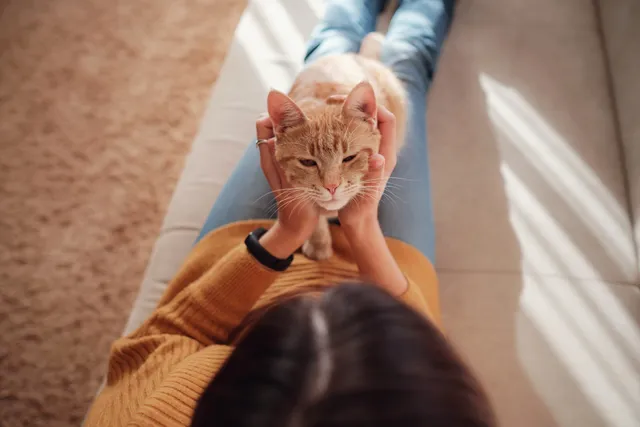
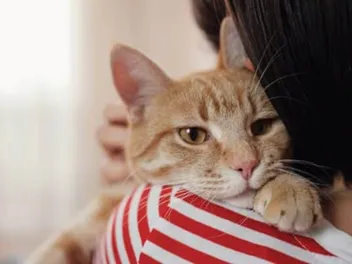
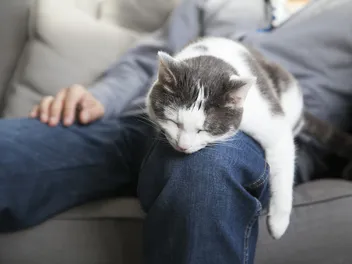
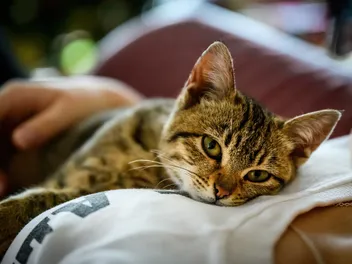
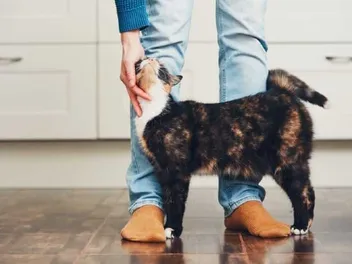
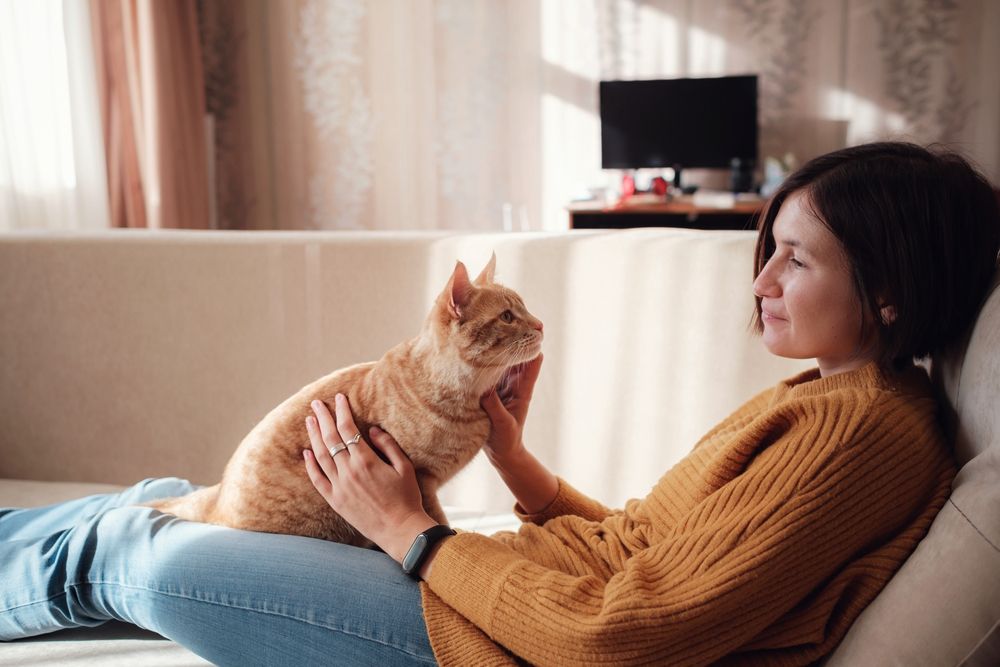
Stomach cramps, bloating, and feelings of nausea and irritability. These are all common symptoms associated with being on your period. But, one sign that some owners are all too acutely aware of, but other women may not recognize, is having their cat become extra clingy. For some, the comfort and warmth can be beneficial, but does your cat recognize that you’re on your period or are they just reacting to changes in your activities and routine?
Read on for more information about why your cat may act differently when you’re on your period, whether it’s a good thing, and if there is anything you can do to encourage or discourage clinginess.

The 5 Common Reasons Your Cat May Be Clingy When You're on Your Period
1. You Smell and Taste Different
Cats have incredible senses of smell, and one of the things they are attuned to smell is blood. They recognize that blood usually means injury, and if they smell it on a member of their pack, they might look to try and comfort and even nurse the injured pack member. If they smell blood on prey, they take it as an opportunity to further their attack. If your cat is being clingy when you’re menstruating, it is possible that they can smell the blood and are attempting to nurse you.
You should also consider whether you act differently during your period. Do you eat more snacks that your cat is attracted to? Even if you’ve finished eating, you may smell like the food that you’ve consumed, so your cat might be licking you not to show affection but to get to the smell and taste of whatever you’ve been eating.

2. You’re In Pain
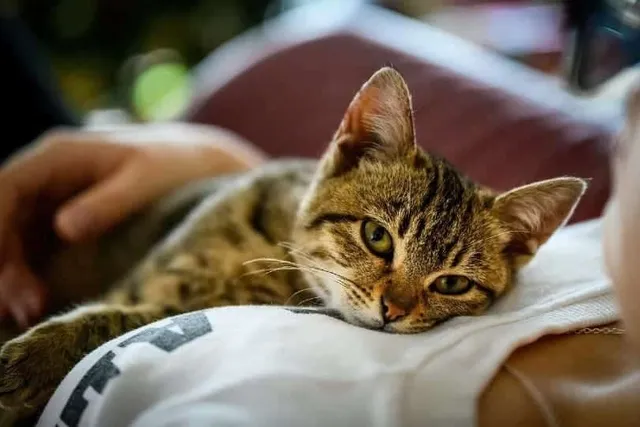
Studies show that cats can recognize and are responsive to human emotions.1 They “modulate their behavior according to the valence of the emotion perceived.” Therefore, if you’re feeling low or are in pain, your cat might be able to sense it. If they are being unusually clingy and spending more time on your lap or sleeping next to you, they could be checking that you’re okay and trying to comfort you.
3. You’re Not Paying Them as Much Attention
If you’re in pain or feeling uncomfortable, the last thing you might want is to be stroking and fussing over your cat. But that doesn’t mean your cat doesn’t want the attention.
Your cat might be clingy because you’re not paying as much attention to them as normal. This is especially true if you usually have the cat on your lap at certain times of the day and that routine has changed.

4. You May Just Be Noticing It More
If you’re feeling uncomfortable or in pain, and your cat is bothering you by trying to jump on your lap, it may be that you’re just noticing it more. This is especially true if you’re cramping, and your cat is kneading on your lap.
5. You Look Comfortable
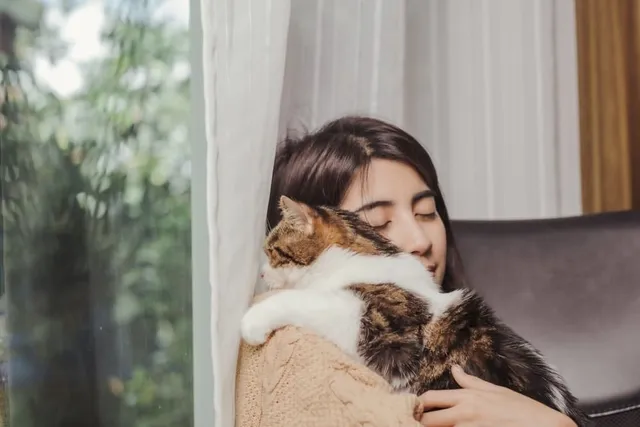
Whether you’re wearing a big sweater, have a comfortable blanket wrapped around you, or you’re in bed, your cat’s clinginess might be explained by the fact they want to curl up with you.


What to Do About It
While it can be comforting to have your cat on your lap and paying you lots of attention, it can also be irritating.
1. Make the Most of It
The first option, especially if your cat is usually aloof, is to make the most of the attention. Offer them some love, head rubs, and attention. You might even find that after a few minutes, they get their fill and leave you alone.
However, not all clingy behavior is positive. Headbutts and kneading can turn to scratching and biting. Your cat may refuse to do anything unless you are nearby, which will start to affect your day, as well as your cat’s. It can also cause frustration and anxiety, which can lead to unwanted behaviors like the destruction of furniture.

2. Distract
Making the most of it isn’t always an option. If your cat is clingy when you’re in the bathroom or just keeps following you around the house, offer some kind of distraction. Catnip is a great distraction for most cats, so try shaking some on a cat scratcher or cat toy.
The ensuing rubbing, purring, and generally odd behavior may act as a distraction for you, as well as your cat.
Looking for toys that will cater to the many needs of your cat? The Hepper Hi-lo Cat Scratcher is one of our favorite cat products, and it will encourage your cat to get active. Its clever three-angle design offers multiple ways for your cat to climb, stretch, and exercise. Made of a sturdy plywood base and a replacement cardboard insert, this scratcher is an option that cats can enjoy for years to come. If your cat requires a little encouragement for self-play, the Hepper Catnip Mice Toy Set is a fantastic choice for their instinctual needs. Made with natural, bite-resistant hessian fabric and filled with organic catnip. Cats can satisfy their natural prey instincts while getting the physical activity they need to thrive.
| Image | Product | Details | |
|---|---|---|---|

|
Hepper Hi-Lo Cat Scratcher |
|
Check Price |

|
Hepper Catnip Mice Toy Set |
|
Check Price |
At Catster, we've admired Hepper for many years, and decided to take a controlling ownership interest so that we could benefit from the outstanding designs of this cool cat company!
3. Provide More Exercise
Distracting your cat with play or with energetic activities not only makes them less likely to pester you, but it also gives them exercise and a tired cat will be more likely to find somewhere quiet to rest and recuperate.
Use wand toys and balls, and ensure you have ample scratching posts in the house to provide plenty of physical exercise and mental stimulation for your feline friend.

4. Don’t Scold
As uncomfortable and even painful as your cat’s attention can be, avoid scolding or shouting at them. Cats are sensitive, and if you do shout at yours, they may become more reluctant to approach you as time goes by.
Your cat might know that you smell different and are acting differently, but they don't understand the reason for your discomfort.
Should You Ignore a Clingy Cat?
Some clingy behavior can be desirable. Extra cuddles and more time with your pet can be great. However, clingy behavior can become problematic. Your cat might refuse to eat unless you’re nearby or they might start to scratch and bite you to get attention.
Ignore unwanted behavior and reward positive behavior. Stick to a daily schedule, wherever possible, and make sure your cat has everything they need for an enriched and fulfilled life.

Is It Okay for Cats to Sleep Next to You?
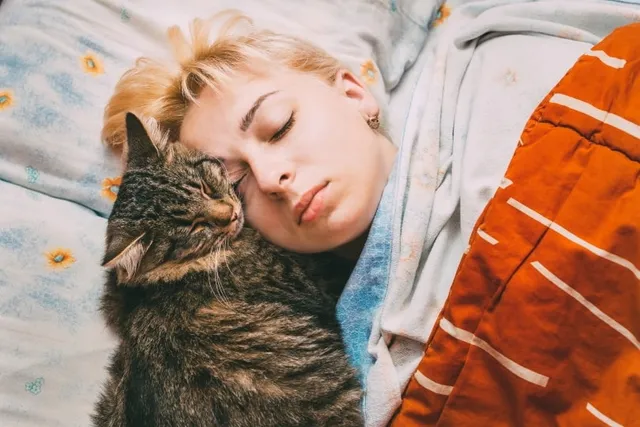
Having your cat sleep next to you can provide a positive experience for both of you. Your cat knows that you are nearby, and that presence offers security and comfort. The cat will also appreciate the warmth of your body as much as the comfort of the bedding. It may also help you get to sleep more easily for similar reasons. However, it can be a problem if you have allergies, breathing problems, or if your cat keeps you awake. If you roll on your cat in the night, it might cause injury, or it might lead to your cat scratching or biting you as a means of defense.

Conclusion
Cats use all of their senses to recognize their humans. If your cat has become especially clingy when you’re on your period, it may be able to smell the blood and is trying to investigate the cause. It could also be noticing a change in your routine, or potentially just trying to take advantage of any leftovers if you’re eating or drinking more. While some clingy habits are acceptable and potentially even quite beneficial, extreme clinginess can become a problem. Don’t scold or admonish your cat. Instead, ignore unwanted behavior, praise and reward positive behavior, and make sure they have enough physical exercise and mental stimulation to distract them.
Sources
Featured Image Credit: U__Photo, Shutterstock
Expert cat care, straight to your inbox
News, insights, and useful advice, delivered to you.

No spam — unsubscribe anytime.
By signing up, you agree to our Terms & Conditions and Privacy & Cookies Policy.
How useful was this post?
Click a star to rate. You can leave written feedback afterwards. (We read all feedback.)
Matt is a freelance writer from the UK. He lives with his partner and daughter, as well as one dog and two cats.
A data analyst by trade, Matt moved from numbers to words more than 15 years ago and has been writing content ever since. Having volunteered at a local animal sanctuary, he has a lot of experience with different breeds of cats, dogs and horses. He currently shares his home with his partner and daughter, as well as a rescue dog from Macedonia (which might be an Akita cross) and two cats. Matt has also kept bearded dragons, a variety of birds, fish, guinea pigs, hamsters, mice, and rats. His daughter has adopted the same passion for animals, keeping and breeding snakes.
A geek at heart, Matt is a member of a local board gaming group that meets weekly, and regularly forces his family to “enjoy” board games with him at home.