Do Cats Get Their Feelings Hurt? Vet-Reviewed Causes & Cheering Them Up


In this article
Cats don’t get their feelings hurt in the same sense that people can, but they can certainly experience stress and fear. Most cats find various changes to their living circumstances and routine stressful when done abruptly, and this can cause a degree of stress. Cats can experience emotions ranging from joy to fear and even anxiety.
Many behavioral problems, such as aggression, marking, and refusing to use the litter box, are linked to emotional stress in cats, and stress in felines can easily lead to undesirable behavior and health issues. When scientists talk about feline emotions, they're not discussing conscious feelings but rather motivational systems that tap into instinctive emotions.

How Can I Tell if My Cat's Feeling Stressed?
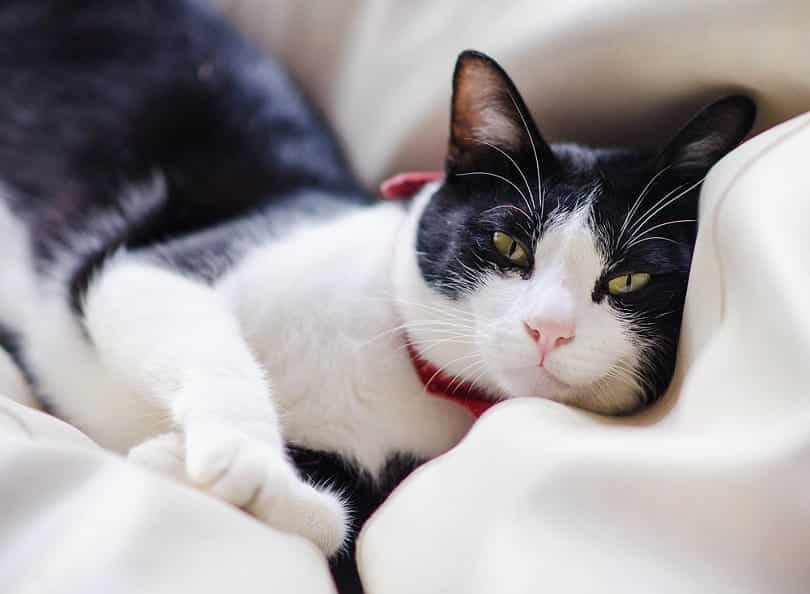
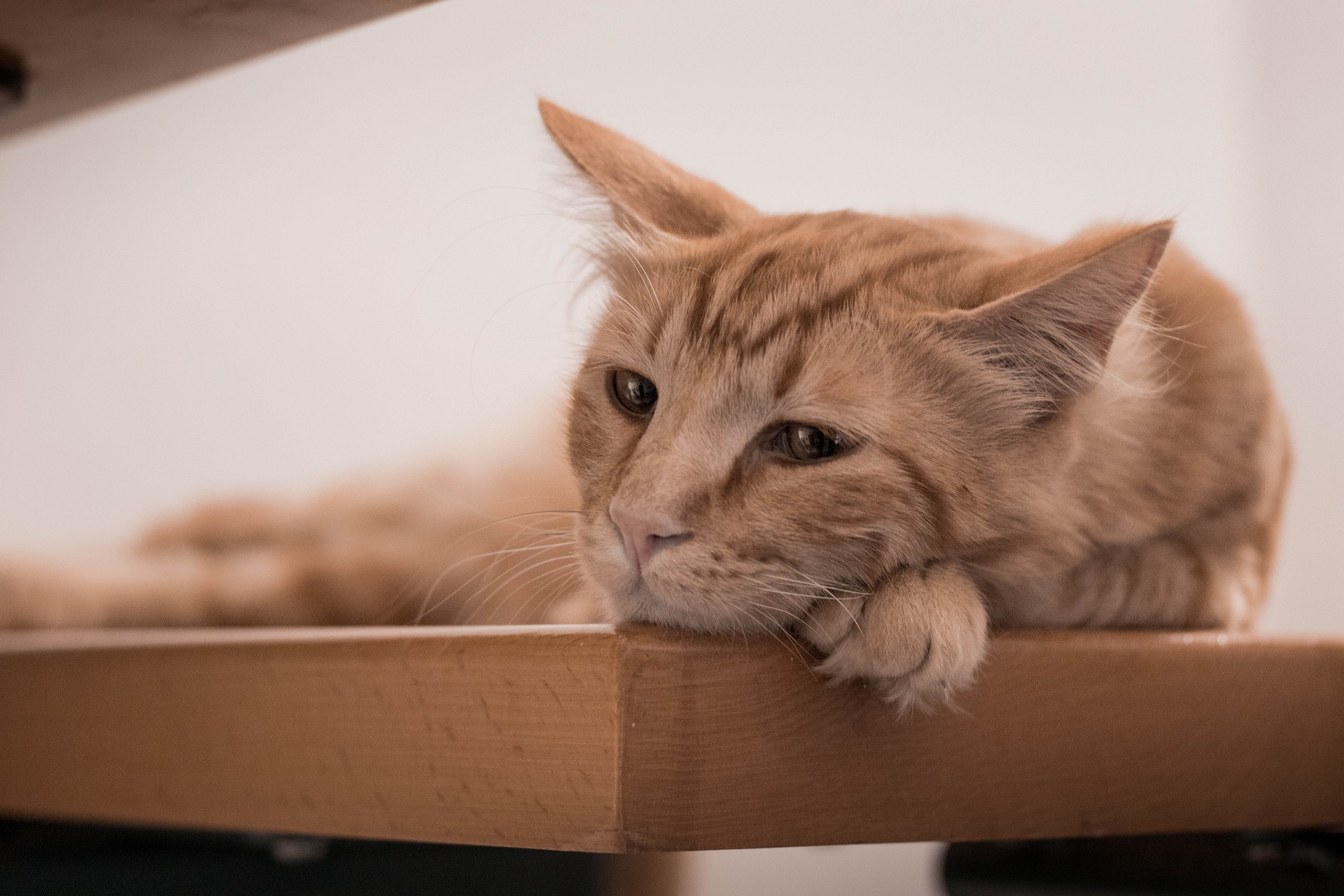
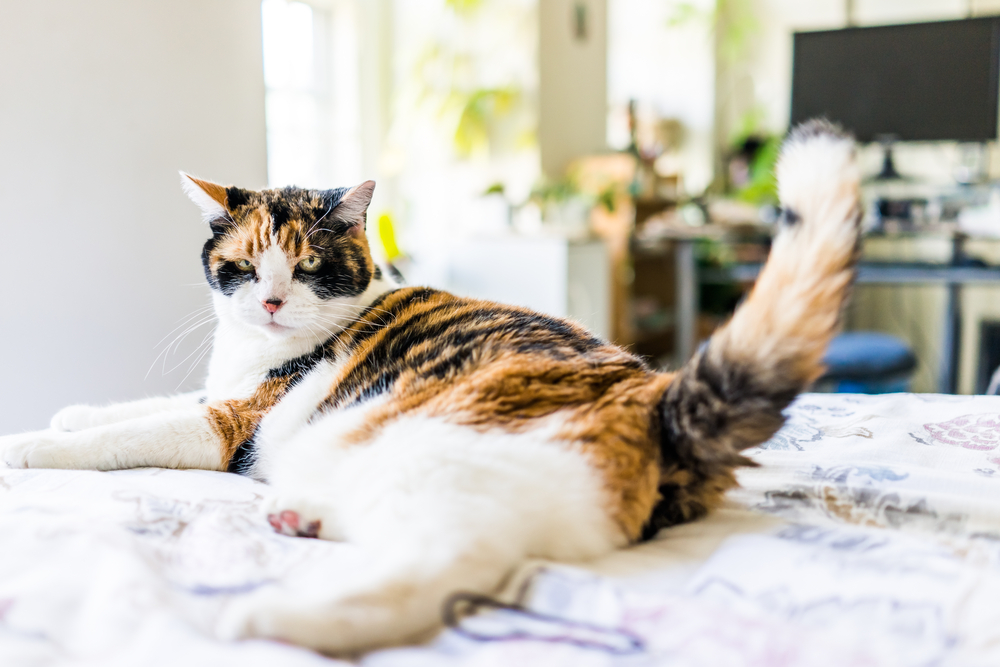
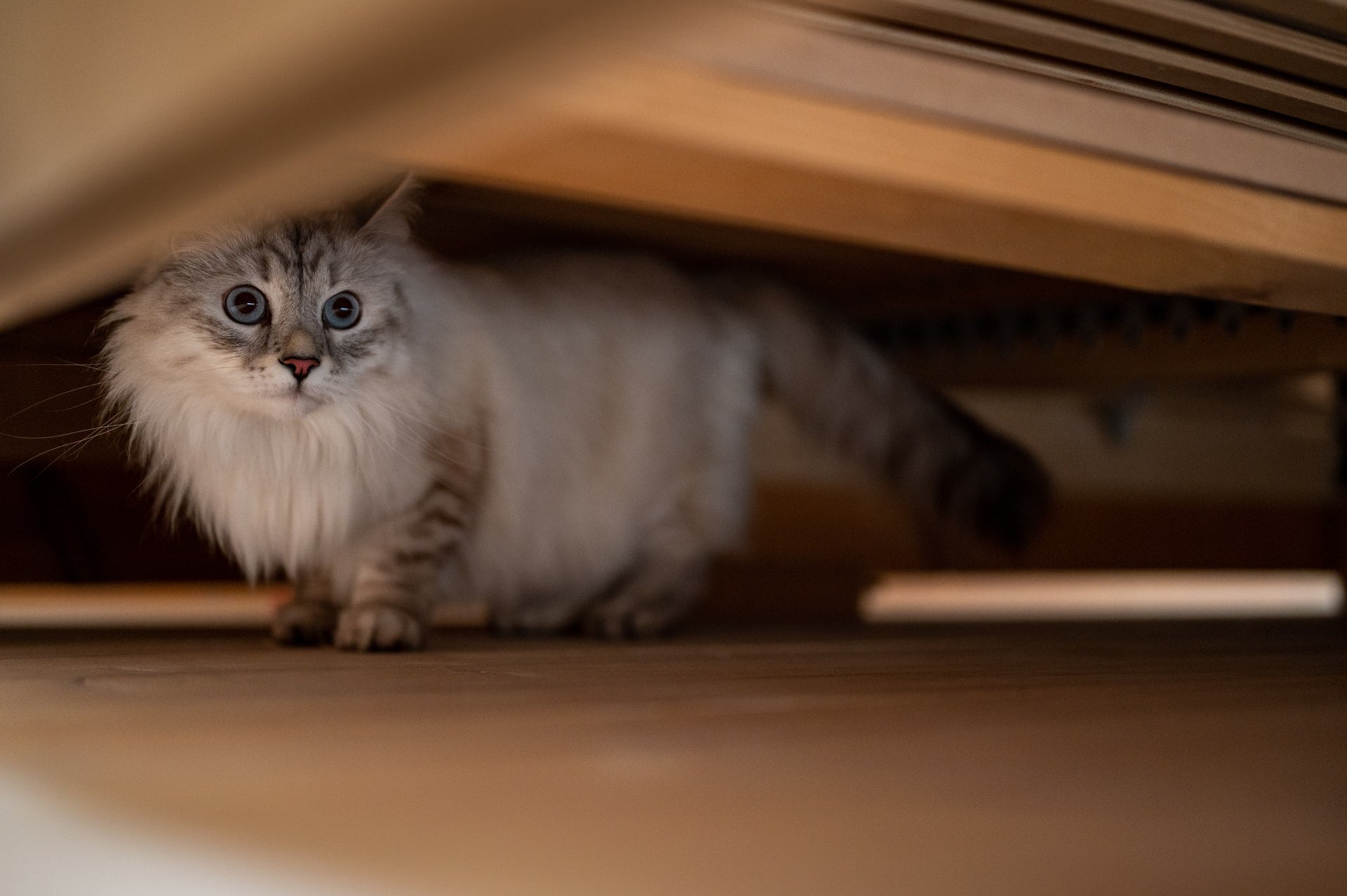
As easy as it is to look at our cats and their feelings in an anthropomorphic way, we have to make a clear distinction. Cats use their body language to show us how they’re feeling. Behavioral changes are relatively common when cats aren't feeling their best, although they can start off very subtle. Stressed or anxious felines often withdraw and show less interest in playing or interacting than they usually do. Some sleep more than usual, and litter box problems are also relatively common.
Using the bathroom away from the litter box, decreased or excessive grooming, and a lack of appetite are some of the ways cats exhibit stress, but since they can also signify health concerns, it's best to contact a veterinarian and get them checked out.
What Causes Feline Stress?
Anything that causes a cat to feel unsafe can cause stress. However, most cats quickly forget one-time problematic events, like stepping on their tails by accident. Here are just some potential circumstances that can cause stress and uncertainty in cats.

1. Lack of Attention
Schedule changes can prompt cats to feel neglected. Cats are creatures of habit and look for affection from specific people. Many become stressed when the person they’re bonded with suddenly has to leave for work earlier. Because cats cling so tenaciously to routine, it can be profoundly upsetting when they expect to engage with their favorite human and things don't go as planned.
Some cats can be withdrawn when left with pet sitters or boarded, and many aren't shy about showing their displeasure. However, most cats forgive vacation infractions in a few days.
2. Moving to a New Home
Cats often have difficulty adjusting when their environment changes. Many need help making the transition after moving to a new home. Moving is stressful for humans, and cats may pick up on human emotions and adjust their behavior accordingly. Because settling into a new home requires so much patience and effort, it's a time when cats may receive less attention than they're accustomed to, which can lead to stress.
Cats rely heavily on smell to recognize people and places. They leave pheromones behind that encourage a sense of comfort they identify with being safe and at home. The strange smells of a new house or apartment can cause many cats to become anxious.
Consider keeping your cat in one room immediately after the move so they can settle in safely. It's helpful to hold off on renovations until cats have had a few weeks to adjust and get back on their feet. Using pheromone diffusers and spending plenty of time with your cat will help them feel more reassured and comfortable in their new home.
Besides moving to a new home, adopting other pets or a new baby can also be a cause of stress for your cat. All changes should always be done gradually, with a lot of patience and veterinary advice for particularly sensitive felines.

3. Grieving
Cats may become stressed or anxious after losing a human, canine, or feline companion. They may feel stressed when beloved people leave for extended periods or die. Grief isn’t well understood in felines, but cats may certainly show signs that can be attributed to grief. It’s important not to overlook any signs that may also be caused by illness rather than just assume they are due to grief and seek advice from a veterinarian. Many cats recover from the losses with time and loving support. Consider spending extra time with your pet to bring light to their day.
4. Inappropriate Interactions
Cats are sweet creatures that, like any other animals, don’t react well to punishment. Yelling and other aversive methods cause them to become frightened, which can negatively impact the feline-human bond.

How Can I Cheer My Cat Up?
Anxious or stressed cats may respond well when shown a bit of extra love and provided with a few distractions, depending on the cause of their anxiety.
Spend Extra Time With Your Cat
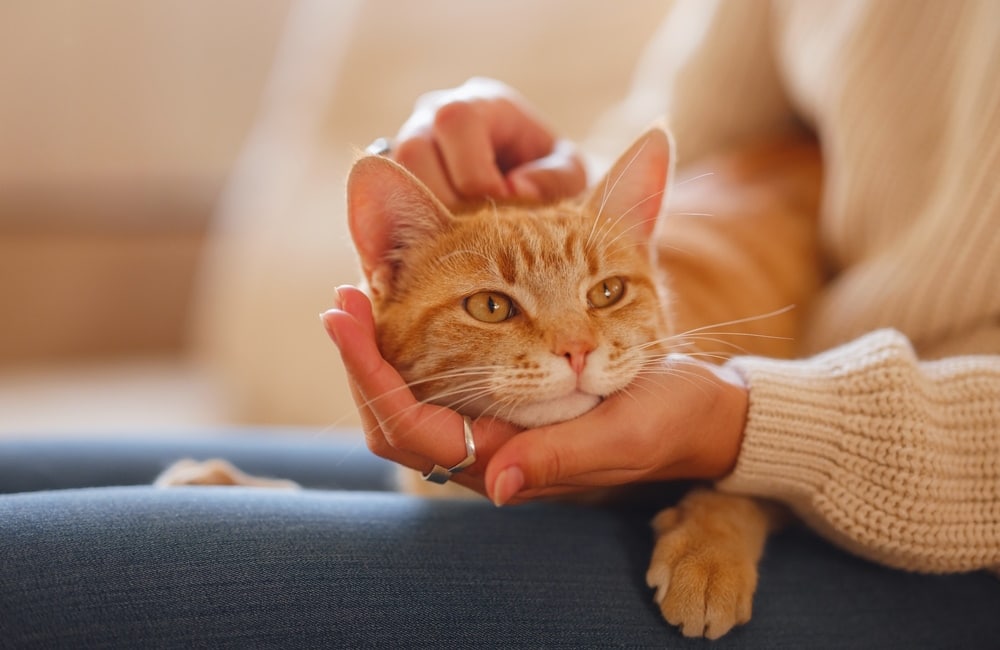
Consider spending more time with your cat so they can rely on you for comfort and support. Even just hanging out with your buddy next to you and giving them an extra scratch can do wonders for their mood. Pick a time to spend with them and stick with it so your cat can start anticipating getting attention every day.
Speak to a Veterinarian
Before assuming your cat is not feeling well emotionally, it’s also crucial to rule out any potential underlying health issues. Speak to your vet and have your cat checked over in order to rule out any pain or illness that may make them feel subdued or withdrawn.
Identify The Cause of Stress
After ensuring your cat is healthy, have a long think, observe their body language and environment, and try to figure out what is the cause of their stress. Then you can work on removing or minimising the stressor and finding ways to establish their routine again. Focus on spending plenty of time with your feline every day, playing with them, as well as ensuring environmental enrichment and mental stimulation.
Consider Pheromones
Calming pheromone products can help ease stress and anxiety in cats by providing reassuring calming messages. However, new toys filled with catnip can spark the interest of some stressed cats and get them on the road to feeling better.

Provide Extra Treats or Entertainment
Most cats respond positively when you reward them with their favorite savory treat. You can also play music or leave feline-friendly videos on for them to watch when alone, which can provide entertainment and enough of a distraction to help them feel more comfortable. Environmental enrichment with cat scratches, cat trees, perches, and interactive toys is also crucial in keeping your feline stimulated and happy.
Alternatively, if you want to surprise your cat with something cool, check out the Hepper Hi-Lo Cat Scratcher. It's not just a scratcher; it's a piece of modern furniture that your cat can play on. It's got a curvy design that's perfect for stretching and moving, and it's built tough with strong birch plywood and thick B-flute cardboard. You can adjust it to three different heights, which keeps cats entertained. Plus, it won't break the bank! Our cats love it, and we do too.

- Premium Materials - Hepper's cardboard scratcher is made with dense, B-flute cardboard, and a metal core. Encased in a 1/2" plywood frame with gloss coating. Stable and beautiful, use after use
- High, Low and Lower - A single cat scratch pad won't keep your cat engaged. 3 unique positions keeps them coming back, and back, and back again. Finally, something to get them away from the couch!
- Activates Muscles - The Hi Lo isn't just a cat nail file to stop the chief cat couch scratcher. The deep cat scratcher wave encourages maximum musculoskeletal activation for a healthier workout
At Catster, we’ve admired Hepper for many years, and decided to take a controlling ownership interest, so that we could benefit from the outstanding designs of this cool cat company!

Is There Anything Else I Can Do?
Consider taking your cat to the veterinarian since many signs of stress and anxiety, such as withdrawal, lack of appetite, changes in peeing or defecating habits, and grooming issues, can all indicate illness.
Your veterinarian can recommend a certified professional who specializes in feline behavior if your cat doesn't seem to be getting back on their feet.
Conclusion
Cats experience basic emotions that guide and motivate instinctive behavior. They can feel joy, fear, excitement, and anxiety. They can’t get their feelings hurt in the exact sense of the word, as humans can, but they can become stressed or anxious if the situation causing the stress doesn't improve.
So, the first step in helping your pet is identifying and addressing whatever is causing them to be unhappy. You can do a few additional tasks that may help, including speaking to a vet, spending extra time with them, giving them new toys to play with, and sneaking in a few extra-special treats.
Related Read:
Are Cats Vengeful or Vindictive? Vet-Reviewed Feline Behavior
How to Tell if Your Cat Is Depressed: 9 Vet-Reviewed Signs to Look For
Sources
Featured Image Credit: avi_acl, Pixabay

Expert cat care, straight to your inbox
Vet-reviewed advice, behavior tips, and the best of Catster. Free, and you can unsubscribe anytime.
By signing up, you agree to our Terms & Conditions and Privacy & Cookies Policy.
Lorre Luther is a writer who is firmly convinced that cats are smarter than humans. She left her law career in the United States and moved to the Netherlands to follow her dream of becoming a writer. Lorre currently lives in Rotterdam, she enjoys traveling and greatly appreciates the beauty of nature. Lorre has a spot for animals and admires the intelligence of cats.
Join the conversation
Ask a question, share your story, or send private feedback.